
Flowers
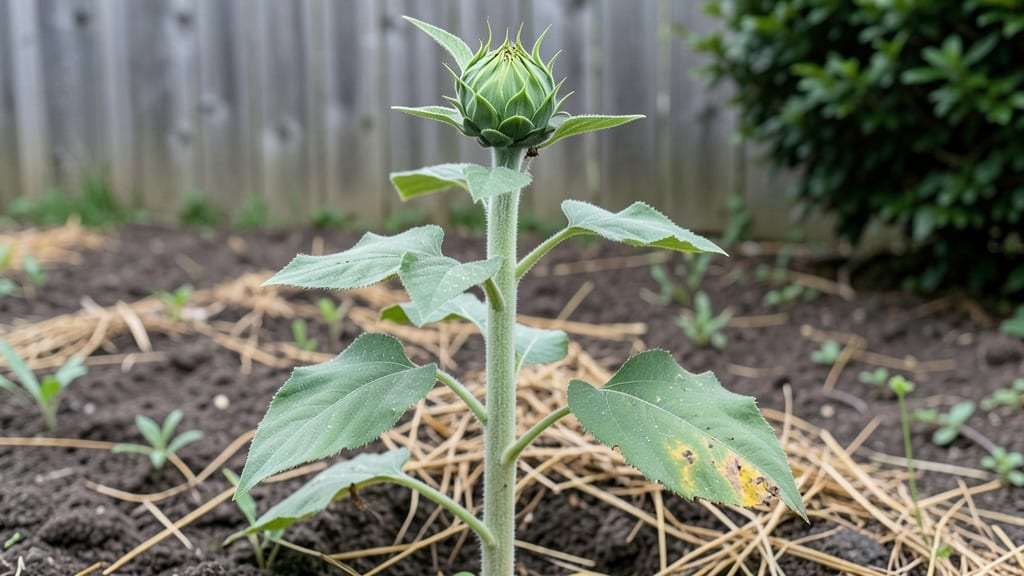
Growing sunflowers before they flower is where the real magic happens—those towering stems and vibrant leaves are just as rewarding as the blooms. 🌱 I’ve watched seedlings push through the soil in just 10 days, then stretch toward the sun with shocking speed, and I’m here to share how to guide them through this explosive growth phase without a single weak stem in sight.
The first 90 days are all about sunlight, soil, and patience. Sunflowers need full sun (at least 6-8 hours daily) and well-draining soil rich in compost. Water deeply once a week—not too much, not too little—because soggy roots or drought stress will stunt their growth.
You’ll see those first true leaves appear in 2-3 weeks, followed by rapid stem elongation that can add 2-3 inches per day in ideal conditions.
By month 3, you’ll have sturdy, 6-foot-tall stalks with leaves the size of your hand—proof you’re on track. The key is watching for yellowing leaves (overwatering) or stunted growth (underwatering or poor soil), and adjusting before they become problems.
With the right care, you’re not just growing a plant; you’re building a sun-soaked centerpiece that’ll turn heads long before the first bloom opens.
This method works for all sunflower varieties, from dwarf types to giant mammoths, and adapts to containers or garden beds. Whether you’re growing for cut flowers, birdseed, or just the joy of watching them rise, the pre-flower stage is where the foundation is made.
Let’s get those seeds sprouting!
📚 In This Guide
- What you need
- Instructions
- Tips and common mistakes
- Wrapping up and next steps
What you need
- ● Sunflower seeds: Choose heirloom or hybrid varieties (e.g., 'Mammoth', 'Autumn Beauty', or 'Teddy Bear'). Buy 5–10 seeds per plant if direct-sowing or 10–20 seeds for indoor starts.
- ● Seed-starting mix or potting soil: 1–2 bags (1–2 cubic feet each) for indoor starts or garden soil amended with compost for outdoor planting.
- ○ Containers (optional for indoor starts): Small pots or seed trays (3–4 inches deep) for 3–5 seeds per container.
- ● Biodegradable peat pots (if transplanting outdoors later).
- ● Garden space or large containers: Sunflowers need 2–3 feet of space per plant and 6+ hours of sunlight daily.
- ○ Gloves (optional but recommended) for handling soil and seeds.
- ● Watering can or hose with a gentle spray nozzle (avoid overwatering seeds!).
- ● Trowel or small shovel for transplanting seedlings.
- ○ Stake or tomato cage (optional) for tall varieties to prevent toppling.
- ● Fertilizer (balanced 10-10-10 or compost) to boost growth after germination.
- ● Warmth: Sunflowers thrive in 70–80°F (21–27°C) soil temps. Start indoors 4–6 weeks before last frost or direct-sow after frost.
- ● Patience: Germination takes 7–14 days—keep soil moist but not soggy!
- ● Sunlight: Place containers in the sunniest spot (south-facing windowsill or grow lights for indoors).
- ● Thinning: Once seedlings are 2 inches tall, thin to the strongest plant per pot to avoid competition.
How to grow sunflowers from seed to towering bloom
Here's the proven method I use to grow sunflowers that reach their full height in just 90 days.
🌱 Step 1: Choose the Right Variety and Prepare the Soil
Select a dwarf variety if you have limited space, or a giant variety like 'Mammoth' for that classic towering look. Sunflowers thrive in full sun—at least 6-8 hours daily—so pick a spot that gets plenty of direct sunlight. I always test the soil pH first; sunflowers prefer a slightly acidic to neutral range of 6.0-7.0. If your soil is heavy clay, mix in 2-3 inches of compost to improve drainage and fertility.
Loosen the soil to a depth of 12 inches with a garden fork or tiller. This helps roots penetrate deeply, which is critical for those massive stems. Work in a balanced fertilizer (like 10-10-10) at the rate of 1 pound per 100 square feet—this gives them a strong start without overfeeding. Avoid fresh manure, as it can burn tender roots.
💧 Step 2: Plant Seeds at the Right Depth and Spacing
Sunflower seeds are large and easy to handle, but planting them too deep slows germination. Drop 2-3 seeds per hole at a depth of 1 inch, spacing them 6 inches apart for dwarf varieties or 12-18 inches apart for giants. I like to plant them in rows 2-3 feet apart to allow for airflow and reduce disease risk. Once seedlings emerge, thin them to the strongest one per spot—this prevents competition and ensures taller, sturdier stems.
Water deeply after planting to settle the soil around the seeds. Keep the soil consistently moist (not soggy) until germination, which typically takes 7-14 days depending on temperature. You’ll know it’s time to thin when the first true leaves appear—these are the second set of leaves, not the tiny cotyledons that come first.
☀️ Step 3: Provide Consistent Care for Rapid Growth
Sunflowers grow fast, so stay on top of watering. Aim for 1 inch of water per week, delivered at the base of the plant to avoid wetting the leaves (this prevents fungal diseases like powdery mildew). I water in the early morning to let foliage dry quickly. If your area experiences hot, dry spells, increase watering to 2 inches per week—wilting can stunt growth, especially in young plants.
Fertilize again when plants reach 12 inches tall with a low-nitrogen, high-phosphorus fertilizer (like 5-10-10) to encourage strong root and flower development. Avoid over-fertilizing—too much nitrogen leads to lush foliage but fewer blooms. Watch for yellowing leaves, which can signal overwatering or nutrient deficiencies, and adjust care accordingly.
✂️ Step 4: Support and Monitor for Pests/Diseases
Tall sunflowers often need staking to prevent toppling, especially in windy conditions. Install stakes or cages when plants reach 3 feet tall, tying the main stem loosely with soft fabric strips. Avoid wire or tight bindings, as they can damage the stem as it thickens. If you’re growing giants, consider trellising for extra support—just be gentle to avoid breaking the stem.
Keep an eye out for pests like aphids or sunflower moths, which can chew on buds. I spray affected plants with neem oil or introduce ladybugs for natural control. Fungal diseases like rust or powdery mildew thrive in humid conditions, so improve airflow by spacing plants properly and watering at the base. If you notice black spots on leaves, remove them immediately to prevent spread.
⏰ Step 5: Harvest at Peak Maturity
The real magic happens when the flower buds swell and the back of the bloom turns yellow. This is your cue that the flower is ready to open in 1-3 days. For edible sunflowers, harvest the seeds when the back turns brown and the petals droop—twist the head off the stem and let it dry in a warm, dry place for 2-3 weeks. For cut flowers, harvest when the flower is fully open but before the petals start to brown.
To encourage multiple blooms, cut back the stem 6 inches below the flower head once it’s spent. This redirects energy to side shoots, giving you secondary (and sometimes tertiary) blooms later in the season. With this method, I’ve had sunflowers producing flowers well into fall—a true reward for the effort!
Tips & tricks for growing towering sunflowers
These game-changing tips will help you grow sunflowers that reach their full potential in just 90 days.
Soil Preparation Secret: Before planting, I always conduct a simple soil test to check pH levels. Sunflowers prefer a slightly acidic to neutral range of 6.0-7.0, and adjusting the soil now will prevent future problems. For heavy clay soil, mix in 2-3 inches of compost to improve drainage—this is especially important for those massive roots that need to penetrate deeply. I've found that amending the soil at planting time gives the best results, rather than trying to fix issues later.
Planting Depth and Spacing: The 1-inch planting depth might seem shallow, but it's critical for quick germination. Planting too deep can delay sprouting by weeks. When spacing, remember that giants need 12-18 inches between plants to support their massive stems. I always plant in rows 2-3 feet apart to maximize airflow and reduce disease risk. This spacing also makes thinning easier once those first true leaves appear.
Watering Strategy: The 1 inch of water per week guideline is perfect for average conditions, but don't let it become a rigid rule. In hot, dry spells, increase to 2 inches weekly—wilting at this stage can permanently stunt growth. I water in the early morning to prevent fungal diseases like powdery mildew, which thrives in damp foliage. The key is consistent moisture without waterlogging the soil.
Support System: Don't wait until your sunflowers are toppling to install stakes! I install support when they reach 3 feet tall, using soft fabric strips to tie them loosely. This prevents stem damage as it thickens. For giants, consider trellising—just be gentle to avoid breaking those developing stems. The right support system can mean the difference between a sunflower that stands proudly and one that flops over before blooming.
Pro Tips for Sunflower Before Flower
- These game-changing tips will help you grow sunflowers that reach their full potential in just 90 days.
- Soil Preparation Secret: Before planting, I always conduct a simple soil test to check pH levels.
- Planting Depth and Spacing: The 1-inch planting depth might seem shallow, but it's critical for quick germination.
Frequently asked questions
Got questions about nurturing sunflowers before they bloom? You're not alone! Here are some of the most common queries—plus quick answers to help you grow like a pro.
What does "sunflower before flower" mean in gardening?
"Sunflower before flower" refers to the vegetative stage—when sunflowers focus on growing leaves, stems, and roots instead of blooming. This phase lasts 4-6 weeks after germination, where proper care (water, light, soil) sets the stage for towering blooms. Think of it as their "growth spurt" before the flower show!
How do I know if my sunflower is in the "before flower" stage?
Look for these signs:
- Height: 12–36 inches tall (depending on variety).
- Leaves: Large, rough, and elongated (not yet flowering).
- Stem: Thick and sturdy, with no visible buds.
- Days to bloom: Count back 90 days from your first frost date—this is your target window for pre-flower care.
Can I still grow sunflowers if I miss the "before flower" stage?
While the vegetative stage is ideal for maximizing growth, sunflowers are resilient. If you plant later, focus on:
- Choosing fast-maturing varieties (e.g., 'Moulin Rouge' blooms in ~50 days).
- Ensuring full sun (6+ hours/day) and well-draining soil.
- Avoiding overwatering—sunflowers hate soggy roots!
What’s the best way to support sunflowers during the "before flower" phase?
Sunflowers need three key things to thrive before blooming:
Need
How to Provide It
Water
1–1.5 inches per week (deep watering 2x/week). Let soil dry slightly between waterings to prevent rot.
Sunlight
Place in the sunniest spot in your garden. No shade = no towering stems!
Nutrients
Use a balanced fertilizer (10-10-10) at planting, then again when stems reach 12 inches.
Why are my sunflowers not growing tall before flowering?
Slow growth in the vegetative stage? Check these common culprits:
- Poor soil: Sunflowers love loamy, nutrient-rich soil. Amend with compost if needed.
- Overcrowding: Space seeds 6–12 inches apart (depending on variety) for airflow.
- Pests: Watch for cutworms or aphids. Handpick pests or use neem oil.
- Underwatering: Wilting leaves = thirsty plants. Water at the base, not the foliage.
Wrapping up and next steps
Growing a sunflower from seed to its stunning sunflower before flower stage is a rewarding journey that brings joy, beauty, and even a little sunshine to your garden! 🌱 With the right soil, sunlight, and care, you’ll witness nature’s magic unfold in just 90 days—proving that patience and passion pay off in the most vibrant ways.
Now that you’re armed with tips and answers, it’s time to grab those seeds and get planting!
Your next step? Mark your calendar for the 90-day countdown and enjoy the process—whether you’re growing for beauty, food, or simply the thrill of nurturing life. Happy gardening! 🌻