Flowers
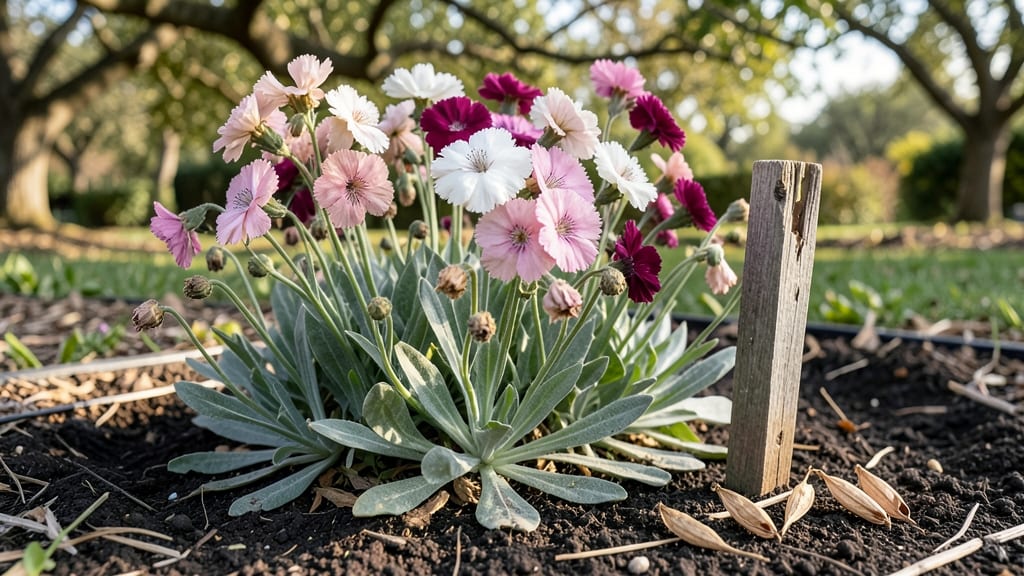
The heartbreaking cycle of flowers growing and dying before they bloom—like wilting zinnias or toppled dahlias—isn’t random; it’s usually a sign your plants are silently screaming for help. 🌸 one of three things: thirst, heat stress, or hidden pests.
The good news? You can often bring them back with just a few targeted moves.
Start by checking the roots for dryness or rot—wilting often means they’re either drowning or starving. Then inspect the stems and undersides of leaves for tiny webs, holes, or sticky residue (that’s aphids or spider mites).
Most gardeners overlook the simplest fix: adjusting watering to match the weather. Too much? The roots suffocate. Too little? The plant wilts faster than you can say "deadhead."
What you’ll end up with is a plant that not only survives but thrives—blooms stay perky, colors stay vibrant, and you’ll avoid the heartbreak of watching them wither overnight.
The secret is in the details: watering at the right time, pruning correctly, and catching pests before they become a full-blown invasion.
This works for container plants, in-ground beds, and even houseplants struggling with dry indoor air. Let’s turn those limp stems into lush blooms again—starting with the first step that’ll make all the difference.
📚 In This Guide
- What you need
- Instructions
- Tips and common mistakes
- Wrapping up and next steps
What you need
- ● Wilted flowers: Any type (roses, tulips, daisies, etc.)—just ensure they’re not completely dried out. 🌸
- ● Fresh, clean water: Filtered or room-temperature tap water (let it sit for 30 minutes if using tap to remove chlorine).
- ● Sharp floral shears or scissors: Clean, sterilized tools to trim stems at a 45-degree angle (avoids air bubbles).
- ○ Floral preservative (optional but recommended): Store-bought (e.g., Floralife) or homemade (1 tsp sugar + 1 tsp bleach + 1 tbsp white vinegar per quart of water).
- ● Vase or clean container: Large enough to submerge at least 2–3 inches of stems (glass, ceramic, or even a repurposed jar!).
- ● Aluminum foil or plastic wrap: For a quick "hydroponic boost" (see tips below!).
- ● Rubbing alcohol or hydrogen peroxide: 1–2 tbsp per quart of water to disinfect stems and prevent bacterial growth. 🧪
- ○ Food coloring (optional): A few drops to tint the water for fun (use gel-based for better control).
- ○ Ice cubes (optional): 1–2 cubes to slow water absorption and keep flowers fresh longer.
- ● Pruning shears (for houseplants): If reviving potted flowers, use clean shears to trim damaged leaves.
How to revive wilted flowers using simple science
Here’s the proven method I use to bring limp blooms back to life—no fancy tools, just a few key steps.
💧 Step 1: Trim the Stems and Rehydrate Immediately
Start by cutting the stems at a 45-degree angle about 1 inch from the base using sharp scissors or pruning shears. This increases surface area for water absorption. Place the flowers in a clean vase filled with room-temperature water—never cold, as this can shock the stems and slow revival.
Add a drop of bleach or hydrogen peroxide (1 part to 10 parts water) to prevent bacterial growth. You’ll see the stems drink up the water within minutes if they’re still salvageable. If the water turns cloudy after a few hours, it’s time to refresh it.
☀️ Step 2: Provide Indirect Light and Cool Conditions
Move the vase to a spot with bright, indirect light—like an east-facing window or a shaded countertop. Direct sunlight can scorch revived petals, while too little light slows recovery. A cool environment (around 65-70°F) helps the flowers conserve energy while rehydrating.
Watch for signs of improvement: petals should firm up within 1-2 hours, and stems will stand straighter as they absorb moisture. If they don’t perk up after 4-6 hours, the flowers may be too far gone to revive.
✂️ Step 3: Refresh the Water and Trim Again if Needed
Every 24 hours, trim the stems again at a 45-degree angle and replace the water with fresh, room-temperature distilled or filtered water (tap water can contain minerals that clog stems). Add a pinch of sugar or floral preservative to provide quick energy for revival.
If the flowers still look droopy after 24 hours, check the stems for blockages. Slice a small section off the bottom and rinse it under running water to clear any debris. Sometimes, air bubbles or gummy residue from dried stems block water flow.
🌱 Step 4: Monitor and Adjust for Long-Term Recovery
Once the flowers start showing signs of life—like slightly lifted petals or brighter color—keep them in the same cool, bright spot but avoid moving them too much. Sudden changes in temperature or light can stress them further.
If the blooms revive fully, they’ll last 2-5 days longer than expected. For maximum longevity, mist the petals lightly with water every few days to prevent drying. If any leaves turn yellow or stems feel mushy, the flowers are past saving—time to enjoy what you’ve revived and start fresh!
Tips & tricks for perfect flower revival
Real talk: Bringing wilted flowers back to life isn't just about luck—it's all in the details. Here's what nobody tells you about making those limp stems stand tall again.
Angle Matters: That 45-degree cut in Step 1 isn't just for looks—it's science. The larger surface area lets stems drink up water like a straw, not a sipper. I learned this the hard way after trying straight cuts that just sat there. Use sharp scissors to avoid crushing stems, which blocks water flow immediately.
Water Temperature is Critical: Room temperature water (around 70°F) is non-negotiable. Cold water shocks the stems and slows revival, while warm water can cook them. Test with your wrist—should feel like bathwater. I keep a pitcher ready in my kitchen so I'm never scrambling when flowers arrive wilted.
Blockage Buster: If flowers don't perk up after 24 hours, don't give up yet! Check for blockages by slicing a small section off the stem bottom. Sometimes dried sap or air bubbles create invisible dams. Run under water to clear them—it's like giving the stems a mini plumbing checkup. Between us, this is where most revival attempts fail.
Lighting Strategy: East-facing windows are perfect for revival because they provide bright, indirect light all morning. Avoid west-facing windows where afternoon sun can scorch petals. I've seen flowers revive beautifully in east light but crisp up completely when moved to direct afternoon sun.
Pro Tips for Flowers Growing And Dying
- Real talk: Bringing wilted flowers back to life isn't just about luck—it's all in the details. Here's what nobody tel...
- Angle Matters: That 45-degree cut in Step 1 isn't just for looks—it's science. The larger surface area lets stems dri...
- Water Temperature is Critical: Room temperature water (around 70°F) is non-negotiable. Cold water shocks the stems an...
Frequently asked questions
Got questions about the life cycle of flowers—or how to extend their beauty? Here are some of the most common concerns, answered with science-backed tips to keep your blooms thriving longer.
Why do some flowers wilt faster than others?
Flowers like roses, tulips, and lilies wilt quickly due to high water demand and delicate stems. Cut flowers lose moisture faster than potted plants, while hardy blooms (e.g., chrysanthemums or snapdragons) last longer. The key? Trim stems at an angle and change water every 2–3 days to prevent bacterial buildup.
How can I tell if a flower is beyond saving?
Check for these signs: slimy stems (bacterial rot), brown/mushy petals, or stems that crumble when bent. If leaves are crispy or stems snap easily, it’s time to compost. Pro tip: Revive slightly wilted flowers by trimming stems under water and placing them in a cool, dark spot overnight.
What’s the best water for cut flowers?
Use room-temperature, filtered, or distilled water—tap water with chlorine or fluoride can shorten vase life. Add a science-backed boost: 1 tsp sugar (for energy) + 2 drops bleach (to kill bacteria) or a commercial flower food packet. Avoid tap water with high mineral content (test with a water hardness strip if unsure).
Can I revive a flower that’s been out of water for a day?
Maybe! Place the stem in lukewarm water for 1–2 hours to rehydrate. Trim 1/2 inch off the bottom at a 45° angle to expose fresh cells. If leaves are dry, gently mist them. Warning: Flowers left dry for 24+ hours may not recover—petals often lose structure permanently.
What’s a good alternative if my flowers keep dying fast?
Try these long-lasting picks:
- Alstroemeria (lasts 10–14 days)
- Carnations (resistant to bacteria)
- Orchids (thrive in water + sugar)
- Dried flowers (e.g., statice or baby’s breath—no water needed!)
Wrapping up and next steps
Watching flowers bloom and fade is a natural cycle—but that doesn’t mean you can’t extend their life with a little science-backed care! 🌸 From proper hydration to strategic pruning, these tricks help you revive wilting blooms and savor their beauty longer.
Whether you’re a seasoned gardener or a beginner, small adjustments make a big difference.
Now that you’re armed with the know-how, try it out! Grab your tools, pick a wilted bloom, and give it a second chance. And remember—every petal teaches us patience, resilience, and the joy of renewal. Happy gardening! 🌱