Flowers
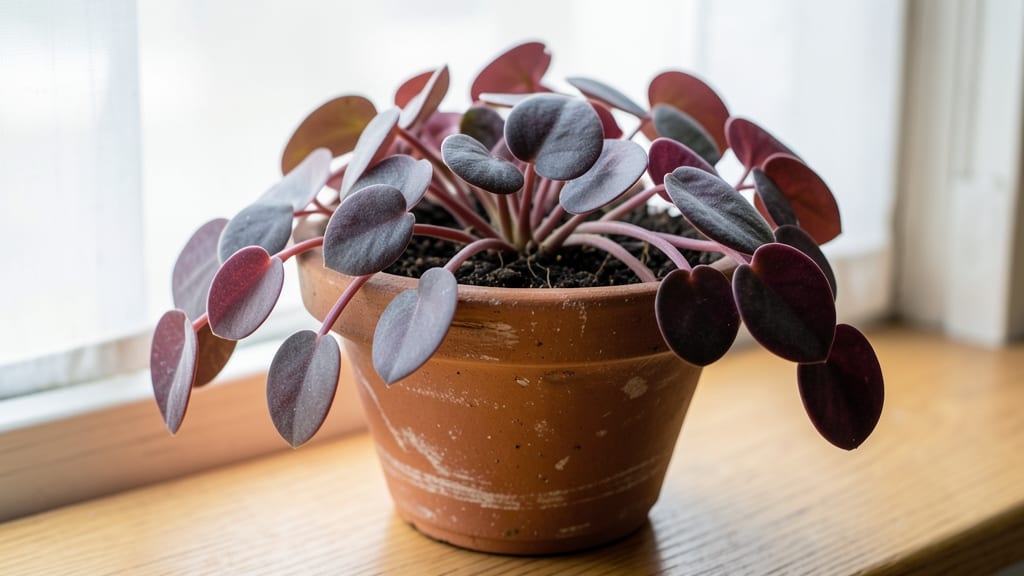
This purple heart flower (Setcreasea purpurea) transforms shady spots into vibrant focal points with its striking, velvety foliage that glows like sunset. I first spotted it in a friend’s woodland garden, where it thrived under towering oaks—proof that bold color isn’t just for sunny borders.
The plant’s deep purple leaves stay lush even when others wilt, making it a drought-tolerant superstar for low-light areas.
Growing purple heart is simpler than you’d think. It’s happiest in partial to full shade, tolerates poor soil, and barely needs water once established—perfect for busy gardeners or dry climates. You’ll need a 4-inch pot for starters, well-draining soil, and patience (it grows slowly but steadily).
The real magic happens when it spreads, forming dense ground cover that outshines most shade plants.
By midsummer, your purple heart will be a velvety carpet of color, resistant to deer and most pests. It’s ideal for borders, containers, or even hanging baskets—just pinch back leggy stems to encourage bushiness. Once you see it thriving, you’ll wonder why you didn’t add it sooner.
This plant’s versatility doesn’t end there. Use it as a living mulch to suppress weeds, or mix it with ferns and hostas for a jungle-like effect. Even in winter, its evergreen leaves add structure to dull corners. Ready to bring shade gardens to life?
📚 In This Guide
- What you need
- Instructions
- Tips and common mistakes
- Wrapping up and next steps
What you need
- ● Purple heart plant: 1-2 small cuttings (4-6 inches long) or a nursery-grown plant
- ● Pro tip: 💡 Look for healthy stems with vibrant purple or burgundy hues—avoid wilted or yellowing leaves!
- ● Well-draining potting mix: 1 bag (5-10 quarts) of cactus or succulent soil (or regular potting mix amended with perlite or sand for drainage)
- ● Pro tip: 🌡️ Purple heart hates soggy roots—mix in 20-30% perlite to prevent root rot!
- ● Container or garden bed: For containers: 1-2 pots (6-12 inches wide) with drainage holes
- ● For garden planting: A partial to full shade spot with loose, well-draining soil
- ● Watering can or spray bottle: 1 small can or bottle for gentle watering (avoid oversaturating the soil)
- ● Pruning shears or sharp scissors: 1 pair for trimming leggy stems or propagating new cuttings
- ● Fertilizer: Balanced liquid fertilizer (diluted to half-strength) for occasional feeding (spring/summer)
- ● Mulch: Gravel or decorative stones to retain moisture and enhance drainage
- ● Support: Small stakes or trellis if growing in a hanging basket (to prevent sprawling)
- ○ Gloves: Garden gloves (optional, but helpful if your hands are sensitive to sap)
Step-by-Step instructions for cultivating purple heart flower
Here’s how to grow this striking foliage plant with minimal fuss and maximum impact.
Select the Right Location and Prepare the Soil
Purple heart (Setcreasea pallida) thrives in partial to full shade, making it perfect for under trees or on north-facing patios. Choose a spot with 4-6 hours of indirect light daily—too much sun fades its vibrant foliage, while too little slows growth. The plant tolerates heat but appreciates afternoon shade in hot climates.
Amend the soil with 2-3 inches of organic compost to improve drainage, as purple heart despises soggy roots. Work the compost into the top 6 inches of soil—this ensures roots have access to nutrients without compacting. If planting in containers, use a well-draining cactus or succulent mix blended with 20% perlite to prevent root rot.
Plant Purple Heart with Proper Spacing and Depth
Dig a hole twice as wide as the root ball but only as deep as the container’s base. Gently remove the plant from its pot and loosen any circling roots with your fingers—this encourages outward growth. Place the plant in the hole so the top of the root ball sits level with the soil surface (burying the crown too deep invites rot).
Backfill with native soil mixed with compost, pressing lightly to eliminate air pockets. Space plants 12-18 inches apart in the ground or 1 plant per 6-inch container—crowding leads to leggy stems and weak color. Water deeply after planting to settle the soil and encourage root contact with moisture.
Water Consistently Without Overdoing It
Purple heart prefers moderate moisture—water when the top 1-2 inches of soil feel dry to the touch. This usually means once every 5-7 days in shade, but adjust for your climate (drier in summer, less in winter). The plant’s thick, succulent leaves store water, so underwatering causes wrinkling, while overwatering turns leaves yellow and mushy.
Water at the base of the plant in the morning to reduce fungal risks. Avoid wetting foliage, as purple heart is prone to leaf spot in humid conditions. If growing in containers, ensure pots have drainage holes and empty saucers after watering to prevent root suffocation.
Fertilize Lightly for Vibrant Foliage
Feed purple heart once in early spring with a balanced, slow-release fertilizer (10-10-10) at half the recommended strength. Over-fertilizing leads to weak stems and pale leaves. Skip fertilizer in fall and winter, as the plant enters dormancy. A monthly liquid feed of diluted fish emulsion (1-2-2) during active growth supports color intensity without burning.
Mulch around the base with 2 inches of shredded bark or pine needles to retain moisture and regulate soil temperature. Replenish mulch annually—it breaks down quickly and loses effectiveness. Avoid organic mulches like grass clippings, which can mat and suffocate roots.
Prune and Maintain for Bushy Growth
Trim back leggy stems in early spring to encourage bushier growth. Cut just above a leaf node with clean, sharp pruners, making a 45-degree angle to prevent water pooling. Deadhead spent flowers (if any) to redirect energy into foliage rather than seed production. Purple heart rarely flowers prolifically, so focus on shaping rather than floral displays.
Divide mature clumps every 3-4 years in early spring to rejuvenate growth. Dig up the plant, separate sections with a knife, and replant immediately. This prevents overcrowding and revitalizes the plant’s vigor. Wear gloves—purple heart’s leaves can irritate sensitive skin.
Tips & tricks for cultivating purple heart flower
A few strategic moves will help you coax the most vibrant foliage from your purple heart plants while avoiding common pitfalls that turn bold leaves into lackluster ones.
Light Balance: The 4-6 hours of indirect light specified in Step 1 is your sweet spot—this prevents the foliage from fading to dull green. In particularly sunny climates, I've found that providing afternoon shade with sheer fabric (like shade cloth) preserves that signature purple hue. Watch for leaves that look more green than purple after a few weeks—this is your cue to adjust light exposure.
Soil Science: When amending soil with 2-3 inches of organic compost as directed in Step 1, consider mixing in a handful of coarse sand or perlite for container plants. This creates tiny air pockets that mimic the plant's native habitat and prevents that dreaded root suffocation. I've seen purple heart plants in heavy clay soil struggle with yellowing leaves—this simple adjustment makes all the difference.
Watering Wisdom: The "top 1-2 inches dry" rule in Step 3 works beautifully, but I've found a useful trick: stick a chopstick or dowel into the soil near your plant. When it comes out clean at the 1-2 inch mark, that's your watering signal. This method gives you a more consistent moisture level than relying solely on finger tests, especially in containers where soil dries unevenly.
Pruning Precision: When trimming leggy stems in early spring as mentioned in Step 5, always cut just above a leaf node at a 45-degree angle. This not only encourages bushier growth but also prevents water from pooling on the cut surface, which can lead to fungal issues. I keep a small bottle of rubbing alcohol handy to wipe my pruners between cuts—this sterilization step prevents spreading any potential plant diseases.
Pro Tips for Purple Heart Flower
- A few strategic moves will help you coax the most vibrant foliage from your purple heart plants while avoiding common...
- Light Balance: The 4-6 hours of indirect light specified in Step 1 is your sweet spot—this prevents the foliage from ...
- Soil Science: When amending soil with 2-3 inches of organic compost as directed in Step 1, consider mixing in a handf...
Frequently asked questions
Got questions about growing the stunning purple heart flower (Tradescantia pallida)? You’re in the right place! Here are answers to the most common queries to help you cultivate bold, shade-loving foliage with confidence.
What’s the best way to propagate purple heart flowers?
Propagate purple heart flowers using stem cuttings—the easiest method! Snip a 4-6 inch section just below a leaf node, remove the lower leaves, and dip the cut end in rooting hormone (optional). Plant in moist potting mix, cover with a plastic bag for humidity, and keep in bright, indirect light. Roots should appear in 2-4 weeks! Pro tip: Water lightly but consistently to avoid rot.
How fast does purple heart flower grow?
Purple heart flowers are fast growers! With ideal conditions (indirect light, warm temps, and regular watering), you’ll see noticeable growth in 4-6 weeks. In optimal settings, they can spread aggressively—prune regularly to control size. Warning: Growth slows in cold drafts or low light.
Can purple heart flower survive in full shade?
While it tolerates shade, purple heart flowers thrive best in bright, indirect light. In full shade, expect slower growth and less vibrant foliage. If outdoors, place it in a spot with dappled sunlight (e.g., under trees). For indoor plants, a north- or east-facing window is ideal. Alternative: Supplement with a grow light if natural light is limited.
Why are my purple heart flower leaves turning yellow?
Yellowing leaves usually signal overwatering or nutrient deficiency. Check the soil—it should be slightly moist but not soggy. Let the top inch dry out between waterings. Yellow edges may also indicate low humidity or fluoride sensitivity (common in tap water). Switch to distilled or rainwater if needed.
Is purple heart flower toxic to pets?
Yes, purple heart flowers are toxic to cats and dogs if ingested. They contain oxalates, which can cause oral irritation, drooling, or vomiting. Keep plants out of reach or opt for pet-safe alternatives like spider plants or Boston ferns if you have furry friends. Safety tip: Monitor pets closely during the acclimation period.
Wrapping up and next steps
The purple heart flower is a stunning, low-maintenance plant that brings bold color and texture to shady spots in your garden—proving that shade doesn’t mean sacrificing beauty! 🌿 With the right soil, light, and care, you’ll enjoy its striking foliage year after year.
Ready to level up your garden? Start by planting your purple heart today, and soon you’ll be the envy of your neighborhood with its vibrant, drought-tolerant charm. Next up: Share your progress with fellow plant lovers or explore more shade-friendly plants to expand your green oasis!