
Flowers
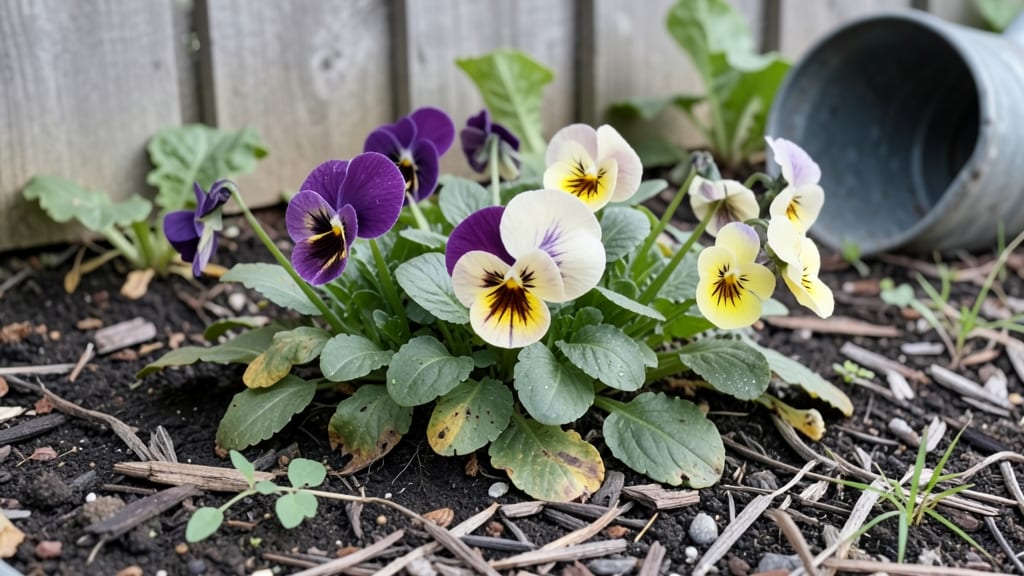
Pansy flower care in the Pacific Northwest isn’t just possible—it’s easy once you know the tricks. These frost-hardy blooms laugh at winter chills while many other flowers wilt, and with the right approach, they’ll reward you with months of vibrant color from fall through spring.
I’ve grown them for years in Seattle’s damp, cool climate, and the secret isn’t complicated: it’s about matching their needs to what the PNW actually delivers.
Their love for cooler weather means you can plant pansies as soon as the soil cools in early fall, and they’ll keep blooming until the heat of summer forces them to take a break.
They thrive in partial shade, which is perfect for our often-overcast days, and their roots stay happy in well-draining soil that’s rich but not soggy. Watering is simple too—just keep the soil evenly moist, and you’ll avoid the most common problem: blossom rot from too much wetness.
What you’ll end up with is a garden bed or container bursting with jewel-toned faces that brighten up gray days, and they’ll even bounce back after light frosts.
The key is deadheading spent blooms regularly to encourage more flowers, and a light feeding with balanced fertilizer every 4-6 weeks keeps them looking their best. With these basics, your pansies will outlast any other annual in your garden.
Works beautifully in garden beds, hanging baskets, or even as edging plants along walkways. Once you see how tough they really are, you’ll wonder why you didn’t plant more years ago. Let’s get those colors going!
📚 In This Guide
- What you need
- Instructions
- Tips and common mistakes
- Wrapping up and next steps
What you need
- ● Pansy plants or seeds: Choose cold-hardy varieties like Viola × wittrockiana (e.g., 'Cool Wave' or 'Matrix'). Start with 6–12 plants for a small garden bed or 100+ seeds for sowing.
- ● Well-draining potting mix: A 10–20 lb bag of organic, peat-free mix (e.g., Pro-Mix or FoxFarm Ocean Forest). For in-ground planting, amend soil with 2–3 inches of compost.
- ○ Containers (optional for pots): 5–7 inch diameter pots with drainage holes (e.g., Black Plastic Nursery Pots or Terracotta Containers). Use 1–2 plants per pot.
- ● Fertilizer: A balanced, slow-release granular fertilizer (e.g., 10-10-10) or liquid seaweed extract (like Maxsea) for a gentle boost.
- ● Mulch: 2–3 inches of shredded bark or straw mulch to retain moisture and protect roots from frost.
- ● Garden trowel or hand shovel for transplanting.
- ● Pruners or clean scissors for deadheading (sterilize with rubbing alcohol!).
- ● Watering can or hose with a gentle spray nozzle (pansies hate soggy roots!).
- ○ Gloves (optional) to protect hands from soil or thorns on some varieties.
- ○ pH testing kit (optional but helpful)—aim for soil pH 6.0–7.0.
- ● Frost cloth or row covers for late-season protection if temps drop below 20°F.
- ● Epsom salt (magnesium sulfate)—dissolve 1 tbsp per gallon of water monthly to prevent yellowing leaves.
- ● Slug/bait traps or diatomaceous earth (PNW slugs love pansies!).
- ● Stakes or tomato cages if your pansies get top-heavy in windy areas.
Step-by-Step guide to cultivating hardy pansies
Here’s how to keep your pansies blooming boldly through chilly Pacific Northwest seasons.
Choose the Right Location for Year-Round Color
Pansies thrive in partial shade—think 4-6 hours of morning sun followed by afternoon shade, especially in hotter summer months. In the Pacific Northwest’s cooler climate, they can handle full sun if soil stays consistently moist, but too much direct afternoon sun causes petal scorch. I always plant mine where they’ll get dappled light under trees or near the north side of structures.
Test your spot by observing how sunlight moves across the area. Look for cool, shaded spots where other plants already grow well—pansies share similar preferences. If your garden bed stays damp naturally, that’s an ideal spot. Amend heavy clay soil with 2-3 inches of compost before planting to improve drainage while retaining moisture.
Plant at the Right Depth and Spacing
Dig holes twice as wide as the root ball but only as deep as the container’s base—planting too deep suffocates roots. Gently remove pansies from their nursery pots and loosen tangled roots with your fingers. Space plants 8-12 inches apart to allow airflow and prevent fungal diseases like powdery mildew, which loves crowded pansies.
Water each hole deeply before planting to settle the soil around roots. Press the soil lightly after placing the plant to remove air pockets, but don’t compact it. Mulch with 1-2 inches of shredded bark or straw to keep roots cool and retain moisture. I always water again after mulching to help settle everything in place.
Water Consistently Without Overdoing It
Pansies need consistent moisture—let the top inch of soil dry out between waterings, but never let them wilt. In the Pacific Northwest’s damp climate, this usually means watering every 2-3 days during dry spells or every 4-5 days when it rains frequently. Check soil moisture by sticking your finger in—if it feels dry at that depth, it’s time to water.
Water at the base of the plant in the morning to reduce evaporation and fungal risks. Avoid wetting the leaves, which can lead to mildew. If you notice leaves curling or wilting, that’s your cue to increase watering frequency. Pansies are tough, but they’ll protest if they dry out completely.
Feed and Deadhead for Continuous Blooms
Apply a balanced, water-soluble fertilizer (10-10-10) every 3-4 weeks during the growing season to encourage vibrant blooms. Mix it at half-strength to avoid burning roots. I always fertilize after deadheading to give plants a fresh energy boost. Stop fertilizing in late summer to let pansies prepare for winter dormancy.
Deadhead spent blooms weekly by pinching off faded flowers with your fingers or snipping with clean scissors. This redirects energy to new blooms instead of seed production. Watch for new buds forming—they’ll appear as small green swellings at the base of the plant. Regular deadheading keeps your pansies looking fresh and encourages nonstop color.
Protect from Harsh Weather Without Smothering
Pansies are famously frost-tolerant, but heavy snow or ice can damage stems. In winter, gently brush off accumulated snow to prevent rot. If temperatures drop below 15°F, add a light layer of mulch (2-3 inches) around the base to insulate roots. Avoid heavy mulch piles, which can suffocate plants in wet conditions.
In spring, remove old mulch and check for rotted stems or mold. Prune back any damaged growth with clean shears. Pansies often self-seed, so thin out extra seedlings in early spring to give established plants room to thrive. With proper care, your pansies will reward you with months of color, even through the Pacific Northwest’s mild winters.
Tips & tricks for perfect pansy flower care
Here's what nobody tells you about keeping pansies vibrant through Pacific Northwest's unpredictable seasons.
Sunlight Strategy: The 4-6 hours of morning sun in Step 1 is crucial—morning sunlight is less intense than afternoon rays, preventing petal scorch. If your garden gets strong afternoon sun, consider planting pansies near a north-facing wall or under deciduous trees that provide natural shade during hotter months. I've seen pansies in full sun thrive when their soil stays consistently moist, but the trade-off is often faded petals by late afternoon.
Planting Depth Secret: When planting, remember that the root ball's base should sit at soil level—planting too deep suffocates roots while too shallow exposes them. A simple trick is to plant so that the top of the root ball sits just below the soil surface. After planting, gently press soil around the roots to eliminate air pockets without compacting it too tightly.
Watering Wisdom: The top inch of soil drying between waterings in Step 3 is your golden rule, but don't rely solely on the clock. Stick your finger in the soil—if it feels dry at that depth, water thoroughly at the base. Morning watering prevents fungal issues, but if you miss morning, water in early evening instead. I've learned the hard way that soggy leaves lead to powdery mildew, which can devastate pansies.
Fertilizer Timing: The 3-4 week fertilizer schedule in Step 4 works wonders, but there's more to it. Always fertilize after deadheading—this gives plants immediate energy to produce new blooms. For organic options, fish emulsion or compost tea work beautifully. Just remember to stop fertilizing in late summer to let pansies prepare for winter dormancy naturally.
Pro Tips for Pansy Flower Care
- Here's what nobody tells you about keeping pansies vibrant through Pacific Northwest's unpredictable seasons.
- Sunlight Strategy: The 4-6 hours of morning sun in Step 1 is crucial—morning sunlight is less intense than afternoon rays, preventing petal scorch.
- Planting Depth Secret: When planting, remember that the root ball's base should sit at soil level—planting too deep suffocates roots while too shallow exposes them.
Frequently asked questions
Got questions about keeping your pansies happy? Here are the answers to the most common ones—so you can enjoy those cheerful blooms all season long!
How often should I water pansy flowers?
Water pansies 1–2 times per week, depending on your soil and weather. They love consistently moist (but not soggy) soil—especially in the PNW’s cooler, wetter months. Morning watering is best to prevent fungal issues. Let the top inch of soil dry out between waterings to avoid root rot.
Can pansies survive frost, or do I need to protect them?
Pansies are frost-tolerant (down to 20–25°F) and thrive in the PNW’s mild winters! However, heavy freezes (<15°F) may damage them. For extra protection, mulch with straw or cover with frost cloth. They’ll bounce back with spring’s warmth.
When is the best time to plant pansies in the Pacific Northwest?
Plant pansies early spring (March–April) or late summer (August–September) for year-round color. In the PNW’s mild climate, they’ll bloom almost nonstop if planted at the right time. Avoid late fall planting—they may not survive winter’s chill.
Why are my pansy leaves turning yellow or spotted?
Yellow leaves often mean overwatering or poor drainage, while spots could signal fungal diseases (like powdery mildew) or pests (like aphids). Fix it: Adjust watering, improve airflow, and treat with neem oil if needed. Remove severely affected leaves to prevent spread.
Can I grow pansies in containers, or do they need garden beds?
Pansies thrive in containers—just use well-draining soil and a pot at least 6 inches deep. Choose shallow but wide planters for a fuller look. Rotate pots occasionally for even sunlight. Great for balconies, patios, or hanging baskets!
Wrapping up and next steps
Caring for pansies in the Pacific Northwest doesn’t have to be complicated—just follow their simple needs for sunlight, water, and soil, and you’ll be rewarded with vibrant blooms year-round! 🌸 These hardy flowers thrive with minimal fuss, making them perfect for both gardeners and beginners.
Now that you’re equipped with the right tips, why not expand your garden or share your newfound knowledge with fellow plant lovers? Grab your gloves and get growing!