Container Gardens
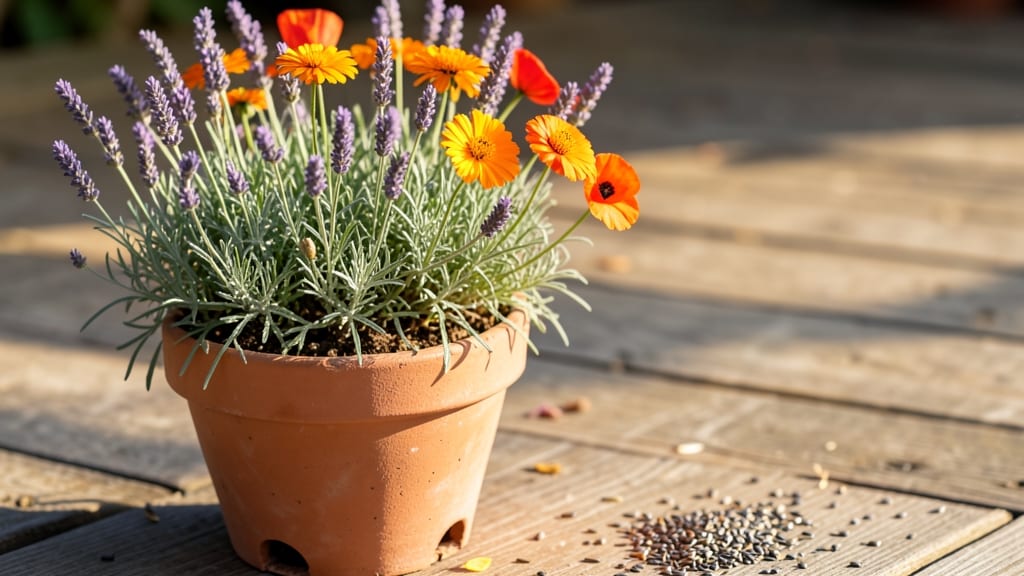
A wildflower container garden brings effortless beauty to patios, balconies, and doorsteps—no green thumb required. 🌸 I’ve filled everything from vintage tin buckets to hanging baskets with native wildflowers that thrive with almost no care, and the results are shockingly lush.
The secret lies in choosing the right mix of perennials and annuals that self-seed, creating color that lasts from spring through frost.
You’ll need containers with drainage holes (even repurposed items work), a lightweight potting mix designed for wildflowers, and seeds that suit your climate zone. My go-to setup uses a 12-inch-wide planter with a mix of black-eyed Susans, coneflowers, and cosmos—plants that attract pollinators while requiring zero deadheading.
The best part? You can move the whole display to follow the sun or create seasonal vignettes in minutes.
By mid-summer, your containers will burst with vibrant blooms that shift colors as seasons change, and hummingbirds will hover just inches from your door. The maintenance is minimal: water when the top inch of soil feels dry, and watch as the flowers multiply year after year.
Even urban balconies become pollinator hotspots with this approach.
This method works for any space—whether you’re dressing up a tiny fire escape or adding color to a deck corner. The key is starting small and letting nature do the rest. Ready to transform empty containers into a living tapestry of color?
📚 In This Guide
- What you need
- Instructions
- Tips and common mistakes
- Wrapping up and next steps
What you need
- ● Containers: 1–3 large pots (12–18" diameter) with drainage holes. Options: Terracotta, ceramic, or fabric grow bags.
- ● Wildflower Seeds: 1–2 packets of native wildflower mix (e.g., cosmos, black-eyed Susans, or coneflowers). Pro tip: Choose drought-tolerant varieties for effortless care! 💡
- ● Potting Soil: 1–2 bags of high-quality, well-draining container mix (avoid garden soil—it compacts!).
- ● Gravel or Perlite: 1 small bag (for drainage layer at the bottom of pots).
- ● Watering Can or Hose: With a gentle spray nozzle for even moisture.
- ○ Gloves & Pruners: (Optional but handy for weeding or trimming spent blooms).
- ● Slow-Release Fertilizer: 1 packet (mixed into soil for a nutrient boost).
- ● Mulch: Pine straw or shredded bark to retain moisture.
- ● Decorative Stones: For a polished, finished look.
- ● Sunlight Meter: To ensure your spot gets 6+ hours of sun/day (most wildflowers thrive in full sun!).
Step-by-Step instructions for creating a wildflower container garden
This approach keeps your containers vibrant all year with flowers that thrive in tight spaces.
🪴 Step 1: Select Containers and Prepare the Base Layer
Choose containers with drainage holes—wildflowers hate soggy roots. I prefer 12-18 inch deep pots or window boxes with at least 3 inches of depth for root development. Line the bottom with 1-2 inches of gravel or broken pottery to prevent soil compaction and improve drainage. This layer ensures excess water escapes while keeping the root zone aerated.
Fill the remaining 2-3 inches with a lightweight potting mix blended with 20% perlite or coarse sand. The mix should feel fluffy when squeezed—wildflowers need air around their roots to thrive. Avoid garden soil; it compacts in containers and suffocates delicate wildflower roots. Water the base layer until it's evenly moist but not dripping.
🌱 Step 2: Layer Seeds Strategically for Season-Long Blooms
Wildflowers bloom at different times, so layer seeds by type for continuous color. Start with tall perennials like coneflowers or black-eyed Susans—plant these in the center of the container. Their deep roots anchor the mix and provide structure. Next, add mid-height annuals like cosmos or zinnias around them. These will fill gaps as the perennials establish.
Finish with low-growing wildflowers like lobelia or sweet alyssum along the edges. Sprinkle seeds lightly—wildflower packets often contain thousands of tiny seeds, so a pinch covers the area. Press them into the soil with your fingers, but don’t bury them deeper than ¼ inch. Mist the surface with water until it looks uniformly damp, not soaked. Label your containers to track varieties and bloom times.
☀️ Step 3: Position for Sun and Water Correctly
Most wildflowers need full sun (6+ hours daily), but a few like columbine or astilbe tolerate partial shade. Place containers where they’ll get the most light possible—south or west-facing spots work best. If your space is shady, choose shade-tolerant species like foxglove or impatiens instead. Rotate containers quarter-turn weekly to prevent leaning toward the light.
Water deeply every 2-3 days until seeds germinate, then taper to once weekly once established. Check the top inch of soil—it should feel dry to the touch before watering again. Overwatering is the fastest way to kill wildflowers; they’re drought-tolerant once rooted. After watering, let containers drain completely to avoid root rot. Fertilizer isn’t needed—wildflowers thrive in lean soil.
✂️ Step 4: Maintain with Minimal Effort
Deadhead spent blooms by pinching off faded flowers with your fingers—this encourages more blooms and keeps the container tidy. Wildflowers self-seed aggressively, so thin seedlings in spring to avoid overcrowding. If containers look bare in late summer, scatter a fresh layer of seeds for fall blooms. Mulch with ½ inch of shredded bark to retain moisture and suppress weeds without smothering delicate stems.
In fall, trim back brown stems by half but leave seed heads for winter interest and next year’s volunteers. Most wildflowers are perennial and will return year after year with minimal care. If a plant struggles, replace it with a hardier variety—wildflowers are forgiving once you match them to your conditions.
Tips & tricks for perfect wildflower container gardens
A few strategic moves will transform your containers from ordinary to extraordinary with vibrant, low-maintenance blooms.
Container Selection: Don't overlook the importance of container material—terracotta pots dry out faster and help prevent overwatering, while plastic containers retain moisture longer. For urban spaces, consider hanging baskets with drainage holes for vertical growing. The key is ensuring your container's depth matches the root systems of your chosen wildflowers, with 12-18 inch being ideal for most perennial varieties.
Soil Mix Secrets: The 20% perlite or coarse sand blend in your potting mix isn't just about drainage—it creates the perfect air pockets wildflowers crave. For an extra boost, mix in 10% compost to provide gentle nutrients without overwhelming the delicate roots. I've found that adding a handful of worm castings to the mix gives seedlings a stronger start without the risk of fertilizer burn.
Layering Like a Pro: When arranging your seeds in Step 2, think vertically as well as horizontally. Place taller perennials in the center, but also consider their mature height—what looks perfect now may become crowded as they grow. For containers with limited depth, prioritize shallow-rooted annuals like sweet alyssum over deep-rooted perennials like black-eyed Susans. The ¼ inch depth for seed placement is crucial—any deeper and they won't get enough light to germinate.
Seasonal Adjustments: In Step 3, remember that your watering needs will change with the seasons. While you're watering deeply every 2-3 days in spring, you might only need to water once every 10-14 days during summer's peak heat. Always check that top inch of soil—it's the most reliable indicator of when your wildflowers need hydration. In winter, most containers won't need any supplemental watering at all.
Pro Tips for Wildflower Container Garden
- A few strategic moves will transform your containers from ordinary to extraordinary with vibrant, low-maintenance blooms.
- Container Selection: Don't overlook the importance of container material—terracotta pots dry out faster and help prevent overwatering, while plastic containers retain moisture longer.
- Soil Mix Secrets: The 20% perlite or coarse sand blend in your potting mix isn't just about drainage—it creates the perfect air pockets wildflowers crave.
Frequently asked questions
Got questions about creating your own wildflower container garden?
You’re not alone! Here are some of the most common queries—and their easy answers—to help you get started with confidence.
What’s the best time of year to plant wildflowers in containers?
For most wildflowers, late spring or early summer (after the last frost) is ideal. This gives seeds time to germinate and establish roots before winter. If you’re using perennial wildflowers (like coneflowers or black-eyed Susans), fall planting also works—they’ll bloom the following year! Just ensure your containers have drainage holes to prevent soggy roots.
How often should I water my wildflower container garden?
Wildflowers are drought-tolerant, but containers dry out faster than ground soil. Water deeply once a week (or more in extreme heat) during the first growing season. Once established, most wildflowers thrive on rainfall alone—just check the top inch of soil for dryness. Pro tip: Use a self-watering container or mulch with pebbles to retain moisture!
Will wildflowers in containers attract bees and butterflies?
Wildflowers are magnets for pollinators. Choose native varieties like bee balm, milkweed, or goldenrod to maximize benefits. Place your containers near seating areas or windowsills for a front-row view of buzzing activity. Bonus: Avoid pesticides—let the wildlife feast!
Can I reuse the same wildflower containers year after year?
Yes! Containers last for years with proper care. Clean them thoroughly in fall, remove old soil (or refresh it with compost), and store them in a dry place over winter. If you notice root-bound plants or poor drainage, repot or replace the container. Just avoid plastic that degrades in sunlight—opt for durable materials like ceramic or metal.
What if my wildflowers don’t bloom the first year?
Don’t worry—many wildflowers (especially perennials) take time to establish. Some annuals may bloom lightly their first year but explode with color the next. Thin crowded seedlings, ensure full sun (6+ hours/day), and fertilize lightly if your soil is poor. Patience pays off with vibrant, low-maintenance beauty!
Are there wildflower alternatives for shady spots?
While most wildflowers love sun, try shade-tolerant options like foxglove, columbine, or bleeding heart in containers with partial shade. These still attract pollinators and add texture. Just avoid soggy soil—shady containers need excellent drainage!
Wrapping up and next steps
Creating a wildflower container garden is a rewarding way to bring vibrant color and life to your space with minimal effort! 🌸 Whether you’re a seasoned gardener or just starting out, these easy-care blooms thrive in small spaces and require little maintenance—just plenty of sunshine and love.
Now that you’re armed with the best materials, tips, and answers to common questions, it’s time to roll up your sleeves and get planting.
Your next step? Pick your favorite wildflower varieties and start assembling your containers—then sit back and enjoy the show as nature does the rest! 🌿✨