Planting
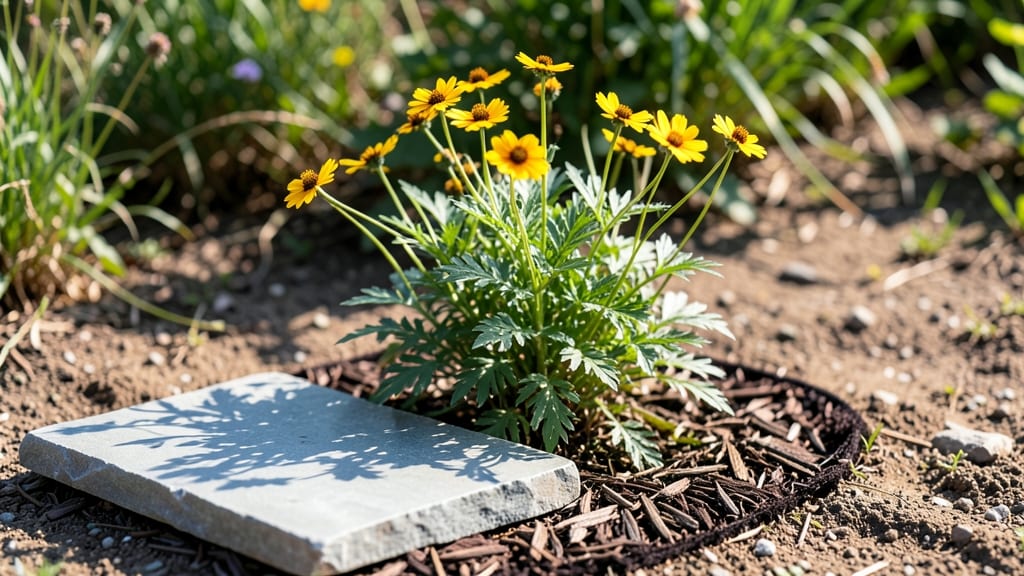
Georgia wildflower seeds transform your yard into a buzzing, blooming haven without the fuss. 🌸 I planted mine last spring, and by summer, bees, butterflies, and hummingbirds turned my patch into their favorite stopover.
The secret isn’t complicated—it’s choosing the right species for Georgia’s heat and humidity, then letting nature do the rest.
You’ll need minimal supplies: a sunny spot, loose soil, and a sprinkle of patience. Native wildflowers like black-eyed Susans and coneflowers thrive with half an inch of water per week once established, and they handle Georgia’s droughts like pros.
The key is timing—sow seeds in early spring or late fall when the ground is cool but not frozen.
By mid-summer, you’ll have vibrant blooms that last well into fall, attracting pollinators while cutting your water and maintenance bills. The best part? These flowers return year after year, creating a self-sustaining ecosystem that even busy gardeners can enjoy.
Works for city gardens, rural acres, or anywhere with 6+ hours of sun. Let’s get those seeds in the ground—your local ecosystem will thank you.
📚 In This Guide
- What you need
- Instructions
- Tips and common mistakes
- Wrapping up and next steps
What you need
- ● Georgia-native wildflower seeds: Choose a mix like Black-eyed Susan, Coreopsis, or Purple Coneflower. Aim for 1–2 lbs per 1,000 sq ft for optimal coverage.
- ● Well-draining soil: Test your soil’s pH (ideal: 6.0–7.0) and amend with compost if needed.
- ● Water source: A hose with a gentle spray nozzle or a watering can.
- ● Sunlight access: A spot with 6+ hours of direct sun daily (most wildflowers thrive here!).
- ● A hand rake (for loosening soil before planting).
- ● A broadfork or garden hoe (to aerate compacted soil).
- ● Garden gloves (to protect your hands from prickly seeds or soil).
- ● A seed spreader (for large areas, saves time!).
- ○ Mulch (straw or pine needles) (optional, to retain moisture and suppress weeds).
- ● Check the last frost date in your area (typically mid-March to early April in Georgia) for best planting times.
- ● Clear the area of weeds or debris to give seeds a clean start.
- ● Plan for minimal watering once established—wildflowers are drought-tolerant!
Step-by-step guide to planting Georgia wildflowers for pollinators
Here’s how to create a thriving, low-maintenance wildflower meadow that attracts bees, butterflies, and hummingbirds—just like Georgia’s native landscapes.
🌱 Step 1: Choose the Right Site and Prepare the Soil
Select a sunny spot with at least 6 hours of direct sunlight daily. Georgia wildflowers thrive in well-draining soil, so avoid low-lying areas where water pools. If your soil is heavy clay, mix in 2-3 inches of compost to improve drainage and fertility. I like to test the soil’s pH—most native wildflowers prefer a slightly acidic to neutral range (6.0-7.0).
Clear the area of weeds and grass by hand or with a sod cutter. Wildflowers compete poorly with aggressive grasses, so thorough preparation is key. Once the ground is bare, lightly rake the soil to create a rough, textured surface. This helps seeds make contact with the earth and prevents them from washing away during rain.
🌿 Step 2: Scatter Seeds at the Right Time and Depth
Plant Georgia wildflower seeds in late summer or early fall for best results. This timing allows seeds to establish roots before winter and germinate early in the spring. Scatter seeds evenly by hand—aim for about 1/8 inch deep or simply press them into the soil surface. Larger seeds like coneflowers can handle slightly deeper planting (1/4 inch), while tiny seeds like blue wild indigo need only a light dusting.
Don’t cover tiny seeds with soil—they often need light to germinate. After scattering, gently rake the area with a fine-toothed rake to ensure good seed-to-soil contact. I like to walk over the area lightly to press seeds into the ground, which helps prevent erosion. Avoid compacting the soil too much, as wildflowers need loose, aerated conditions to thrive.
☀️ Step 3: Water Lightly and Maintain Minimal Care
Keep the soil consistently moist but not soggy for the first 4-6 weeks after planting. Water deeply once or twice a week, focusing on the root zone. Once seedlings emerge, reduce watering to once a week or when the top 1-2 inches of soil feel dry. Overwatering can lead to fungal issues, so let the soil dry slightly between waterings.
Wildflowers are tough once established, but they need protection from weeds during their first growing season. Pull weeds by hand as they appear, being careful not to disturb the delicate seedlings. Avoid fertilizers—Georgia wildflowers adapt to lean soil and actually thrive without extra nutrients. If you notice yellowing leaves, it’s likely due to overwatering or poor drainage, not a lack of food.
✂️ Step 4: Let the Meadow Grow and Manage Wildflower Lifecycle
Once your wildflowers are established (usually by their second year), they’ll need minimal intervention. In late fall or early winter, cut back the dead foliage to 4-6 inches tall to encourage new growth in the spring. This also prevents seed heads from spreading too aggressively. I like to leave some seed heads standing if you want to attract birds and support pollinators year-round.
Every 2-3 years, perform a light mow in late summer to remove old growth and stimulate fresh blooms. Avoid mowing in early spring when new shoots are emerging. If your meadow starts to look crowded, you can thin out dense patches by hand or with a string trimmer. Georgia wildflowers are resilient—they’ll bounce back with minimal effort once they’re settled in.
Tips & tricks for perfect Georgia wildflower meadows
Creating a thriving pollinator garden starts with understanding the subtle details that make all the difference between a patchy garden and a vibrant ecosystem.
The Sunlight Secret: Those 6 hours of direct sunlight are non-negotiable, but here's the trick: position your meadow where it gets morning sun and afternoon shade if possible. This prevents afternoon drying while still providing the full light exposure wildflowers crave. I've seen gardens fail spectacularly when planted in full afternoon sun—it stresses the plants during their peak heat hours.
Soil Prep Pro Tip: When mixing in that 2-3 inches of compost, don't just dump it on top! Work it into the top 6 inches of soil to create a proper seed bed. This ensures your wildflowers have access to nutrients throughout their root zone. For heavy clay soils, consider adding sand or perlite to improve drainage—wildflowers hate soggy feet!
Seed Scattering Strategy: For the 1/8 inch deep planting, use a simple tool like a popsicle stick marked with the measurement. This ensures consistent depth without guessing. When pressing seeds into the soil, imagine you're giving them a gentle handshake—not a firm grip. Too much pressure can damage the delicate seeds, while too little leaves them vulnerable to erosion.
Watering Wisdom: The 4-6 week moist-but-not-soggy period is critical. I use a rain gauge to track moisture levels—wildflowers need about 1 inch of water per week. The key is watering deeply but infrequently. Shallow watering encourages shallow roots, which makes your meadow more vulnerable to drought. Let the top 2 inches of soil dry between waterings once seedlings emerge.
Pro Tips for Georgia Wildflower Seeds
- Creating a thriving pollinator garden starts with understanding the subtle details that make all the difference betwe...
- The Sunlight Secret: Those 6 hours of direct sunlight are non-negotiable, but here's the trick: position your meadow ...
- Soil Prep Pro Tip: When mixing in that 2-3 inches of compost, don't just dump it on top! Work it into the top 6 inche...
Frequently asked questions
Got questions about growing wildflowers in Georgia? You’re not alone! Here are answers to the most common ones—so you can dive in with confidence.
When’s the best time to plant Georgia wildflower seeds?
For spring-blooming varieties, sow seeds in late fall (October–November) so they germinate early. Summer-bloomers thrive when planted in early spring (February–March). Avoid planting in summer heat—seeds need moisture to sprout!
How much water do wildflower seeds need?
Keep soil consistently moist (not soggy) for the first 2–3 weeks after planting. Once established, wildflowers are drought-tolerant! Water deeply 2–3 times per week until seedlings appear, then taper off.
Can I plant wildflower seeds in containers or just gardens?
Use shallow containers (6+ inches deep) with drainage holes. Mix seeds with sand for even distribution. Just ensure containers get full sun (6+ hours daily) and avoid overcrowding—thin seedlings if needed.
Will wildflowers attract bees or other pests?
Yes—but it’s a good thing! Wildflowers support pollinators like bees and butterflies. To deter pests, avoid overwatering (which attracts slugs) and choose native varieties, which are naturally resilient.
Do wildflowers survive Georgia’s winters?
Most Georgia wildflowers are perennials and return yearly. Some, like cosmos or zinnias, are annuals but self-seed easily. Mulch lightly in fall to protect roots, but avoid smothering—wildflowers need airflow!
Wrapping up and next steps
Transforming your Georgia garden into a vibrant pollinator paradise with wildflower seeds is easier—and more rewarding—than you think! 🌸 From selecting the right varieties to nurturing your blooms with minimal effort, you now have all the tools to create a thriving ecosystem that delights bees, butterflies, and birds.
The best part? Your hard work will pay off in bursts of color and life, season after season.
Ready to take the next step? Start small—pick a sunny patch, grab your seeds, and plant with confidence! Whether you’re a beginner or a seasoned gardener, every seed you sow is a step toward a greener, happier Georgia. Happy planting! 🌱