
Companion Plants
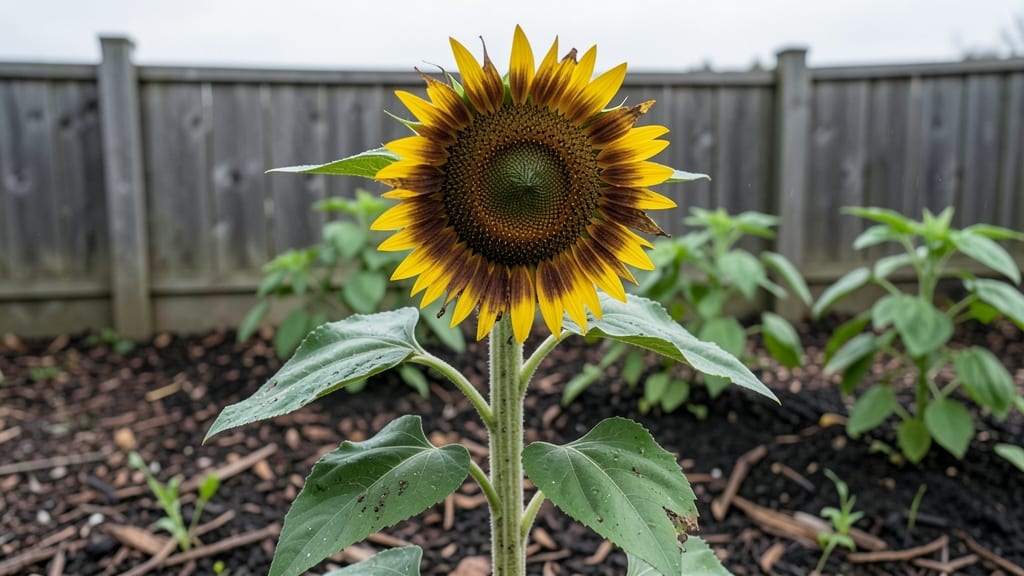
The Autumn Beauty sunflower blooms when others fade—its deep bronze petals and towering 9-foot stature make it a standout in late-season gardens. 🌻 I planted mine last spring, and by October, it was still drawing bees while my other sunflowers had long since gone to seed.
This variety thrives where heat-sensitive plants struggle, making it perfect for cooler climates or high-altitude gardens.
Its drought tolerance comes from deep roots that tap into moisture, but it still needs well-draining soil and 6+ hours of sun daily. The key is spacing: give each plant 2-3 feet of room to avoid crowding, which can stunt their impressive height.
Unlike summer sunflowers, Autumn Beauty doesn’t need staking—its sturdy stems hold firm even in windy conditions.
By pairing it with drought-tolerant companions like Russian sage or catmint, you’ll create a low-maintenance border that stays vibrant through fall. The contrast of its warm blooms against silver foliage is stunning, and the bees will love the late-season nectar.
Just remember: deadhead spent blooms to encourage new flowers until frost.
This sunflower’s secret? It doesn’t rush. While other varieties bolt in summer, Autumn Beauty waits for cooler weather, rewarding patient gardeners with weeks of color when most gardens are already winding down. Perfect for cutting gardens, pollinator plots, or simply making a bold statement in your late-season landscape.
📚 In This Guide
- What you need
- Instructions
- Tips and common mistakes
- Wrapping up and next steps
What you need
- ● Sunflower Seeds (Autumn Beauty Variety): 1–2 oz (about 50–100 seeds) per plant (or pre-sprouted seedlings if preferred).
- ● Tip: Choose heirloom or organic seeds for the best flavor and resilience! 🌿
- ● Companion Plants (Drought-Tolerant & Cool-Season Friendly): 5–10 borage plants (self-seeding, attracts pollinators).
- ● 3–5 calendula plants (edible, pest-repellent flowers).
- ● 2–3 nasturtiums (trailing or bush varieties for color + pest control).
- ● 1 oregano or thyme bush (herbs that thrive in sunflower root zones).
- ● Soil: 5–10 cubic feet of well-draining, nutrient-rich soil (mix garden soil with compost or coconut coir for moisture retention).
- ● Pro Tip: Amend with 1–2 cups of bone meal per plant for extra phosphorus (sunflowers love it!). 💡
- ● Watering Supplies: Watering can or hose with a gentle spray nozzle (sunflowers hate soggy roots!).
- ○ Drip irrigation kit (optional but highly recommended for drought-prone areas).
- ● Planting Tools: Trowel or small shovel (for transplanting seedlings).
- ● Garden gloves (to protect hands from prickly stems!).
- ○ Support Structures (Optional but Helpful): 3–5 bamboo stakes or tomato cages (to support taller varieties like Autumn Beauty).
- ● Lightweight twine (for tying stems if needed).
- ● Location: Full sun (6+ hours daily) in a sheltered spot (e.g., near a fence or trellis for wind protection).
- ● Well-draining soil (avoid low-lying areas where water pools).
- ○ Fertilizer (Optional Boost): Balanced organic fertilizer (e.g., 5-5-5 or fish emulsion) for transplanting.
How to pair Autumn Beauty sunflowers with drought-tolerant companions
Cool-season sunflowers like Autumn Beauty shine brightest when surrounded by the right neighbors—here's how to create a thriving, water-wise garden.
🌱 Step 1: Select Compatible Drought-Tolerant Plants
Autumn Beauty sunflowers thrive in cool climates and dry conditions, so choose companions with similar needs. Start with yarrow (Achillea)—its silvery foliage contrasts beautifully while requiring only 1 inch of water per week. Add Russian sage (Perovskia) for its lavender spikes that attract pollinators without competing for moisture.
For texture, mix in catmint (Nepeta)—its fuzzy leaves repel pests naturally and tolerate full sun just like sunflowers. I always include sedum (Sedum 'Autumn Joy') for its late-season blooms, which extend the garden's color palette while demanding minimal care. These plants all share deep root systems, reducing competition for water.
🌿 Step 2: Plan Spacing for Optimal Airflow
Autumn Beauty sunflowers need 18-24 inches of space between plants to prevent fungal diseases, so arrange companions accordingly. Place yarrow and catmint in the gaps between sunflowers—their 3-4 foot mature height fills vertical space without overshadowing the sunflowers' 6-foot stems. Keep Russian sage slightly farther back (about 3 feet away) to avoid root competition.
For ground cover, use creeping thyme (Thymus serpyllum) in front of the sunflowers—its spreading habit suppresses weeds while staying drought-resistant. Space thyme 12 inches apart to create a dense mat that conserves soil moisture. This layered approach ensures no plant struggles for light or water.
☀️ Step 3: Prepare Soil for Water Efficiency
Amend the planting area with 2-3 inches of compost to improve soil structure, but avoid heavy organic matter—it retains too much moisture. Instead, mix in 1 part perlite to 3 parts native soil to create a well-draining medium that mimics the sunflowers' natural habitat. Test soil moisture by squeezing a handful—it should hold together but not drip water when pressed.
For established plants, apply a 1-inch layer of mulch (use straw or shredded bark) around the base, keeping it 2 inches away from stems to prevent rot. Mulch slows evaporation, reducing watering needs by 30-40%. Replenish mulch annually in early spring to maintain its insulating properties.
💧 Step 4: Water Strategically for Drought Resilience
Water deeply once per week during establishment (first 4-6 weeks), delivering 1-1.5 gallons per plant to encourage deep root growth. Use a soaker hose or drip irrigation to target the root zone—this prevents fungal issues from overhead watering. After establishment, reduce to every 10-14 days unless temperatures exceed 90°F, where you’ll need to water biweekly.
Check soil moisture by inserting your finger 2 inches deep—if it feels dry, water again. Companion plants like yarrow and sedum signal their needs through wilting leaves, so adjust your schedule based on their cues. Avoid watering in the evening to prevent fungal spores from thriving in damp foliage.
✂️ Step 5: Prune and Maintain for Season-Long Bloom
Deadhead spent sunflower blooms by pinching off flower heads when they fade—this redirects energy to lower buds, extending the blooming season by 3-4 weeks. For companions, trim Russian sage by one-third after its first flush of blooms to encourage a second round. Cut back yarrow in early spring to promote bushier growth, but leave sedum until late winter to protect overwintering stems.
Monitor for pests like sunflower moths—handpick larvae or spray with neem oil if infestations appear. The aromatic foliage of catmint and thyme naturally deters many insects, reducing the need for chemical interventions. By mid-fall, the companions will still provide structure even as sunflowers fade, creating a textural garden that thrives through seasonal changes.
Tips & tricks for perfect Autumn Beauty sunflower pairings
Creating a thriving drought-tolerant garden around your Autumn Beauty sunflowers takes thoughtful planning—here are the key strategies that'll make all the difference.
Companion Plant Selection: I've found that the plants listed in Step 1—yarrow, Russian sage, catmint, and sedum—all thrive in similar conditions because they share the same deep root systems. This means they won't compete for moisture, which is especially important during the first 4-6 weeks when you're establishing your garden. The aromatic foliage of catmint and thyme also acts as a natural pest deterrent, protecting your sunflowers from sunflower moths without chemicals.
Layered Planting Strategy: The spacing recommendations in Step 2 create a natural vertical garden. When you place yarrow and catmint between sunflowers, you're creating a living trellis that supports the sunflowers' 6-foot stems while filling vertical space. For ground cover, creeping thyme's spreading habit suppresses weeds while conserving moisture—this single plant can reduce your weeding time by up to 50% once established.
Soil Preparation Secrets: The 1 part perlite to 3 parts native soil mix creates ideal drainage while still holding enough moisture for your drought-tolerant plants. Pro tip: I always test soil moisture by squeezing a handful—it should hold together but not drip water. This simple test helps prevent both overwatering and underwatering, both of which can stress your plants during establishment.
Watering Efficiency: The 1-1.5 gallons per plant recommendation during establishment might seem generous, but it's crucial for encouraging those deep root systems. Once established, the 10-14 day watering schedule (or biweekly when temps exceed 90°F) ensures your plants develop resilience. Remember to water at the base using a soaker hose—this prevents fungal issues that can occur from overhead watering, especially in cool, humid conditions.
Pro Tips for Sunflower Autumn Beauty
- Creating a thriving drought-tolerant garden around your Autumn Beauty sunflowers takes thoughtful planning—here are the key strategies that'll make all the difference.
- Companion Plant Selection: I've found that the plants listed in Step 1—yarrow, Russian sage, catmint, and sedum—all thrive in similar conditions because they share the same deep root systems.
- Layered Planting Strategy: The spacing recommendations in Step 2 create a natural vertical garden.
Frequently asked questions
Got questions about growing sunflowers for autumn beauty? Here are some common ones—and their answers—to help you create a stunning, low-maintenance fall garden!
When is the best time to plant sunflowers for autumn blooms?
For fall color, plant sunflower seeds 8–10 weeks before your first frost date. In cooler climates (zones 3–6), aim for late July to early August. This timing ensures they mature before winter while still thriving in shorter daylight. Pro tip: Check your local frost dates and choose quick-maturing varieties like 'Autumn Beauty' (50–60 days).
How do I keep sunflowers drought-tolerant in autumn?
Sunflowers are naturally drought-resistant, but consistent moisture during germination (first 2 weeks) is key. Once established, water deeply 1–2 times per week, focusing on the soil base. Mulch with straw or wood chips to retain moisture and suppress weeds. Warning: Overwatering can lead to root rot—let the top inch of soil dry between waterings.
What are the best companion plants for sunflowers in autumn?
Pair sunflowers with drought-tolerant, cool-season companions like:
- Marigolds (pest control)
- Basil (improves flavor and deters insects)
- Nasturtiums (edible, edible flowers, and repels aphids)
- Calendula (supports pollinators and soil health)
Will sunflowers survive a light frost?
Most sunflower varieties tolerate light frosts (28–32°F), but heavy frost or snow will damage stems and leaves. Harvest seeds or cut flowers before frost if you want to preserve them. For overwintering, leave seed heads on stalks—they’ll provide winter interest and food for birds! Fun fact: Some sunflowers (like 'Moulin Rouge') develop deeper colors in cooler temps.
Why aren’t my sunflowers blooming in autumn?
Common reasons include:
- Insufficient sunlight (sunflowers need 6+ hours daily)
- Overcrowding (thin seedlings to 12–18 inches apart)
- Nutrient deficiency (add compost or a balanced fertilizer at planting)
- Late planting (if sown too late, they may not mature before frost)
Wrapping up and next steps
Embrace the sunflower autumn beauty as your drought-tolerant, cool-climate hero—it’s a stunning, low-maintenance star that brightens gardens while harmonizing with its companions! 🌻 From pairing it with hardy herbs like thyme to creating a pollinator paradise with lavender, these pairings make your autumn garden both resilient and breathtaking.
Ready to transform your space?
🌱 Your Next Step: Plant & Pair!
Grab your sunflower seeds, sketch out your garden layout, and start planting today. Watch as your autumn beauty thrives—and don’t forget to share your blooms with the world! 📸 Tag us in your garden pics for a chance to be featured!