
Fertilization
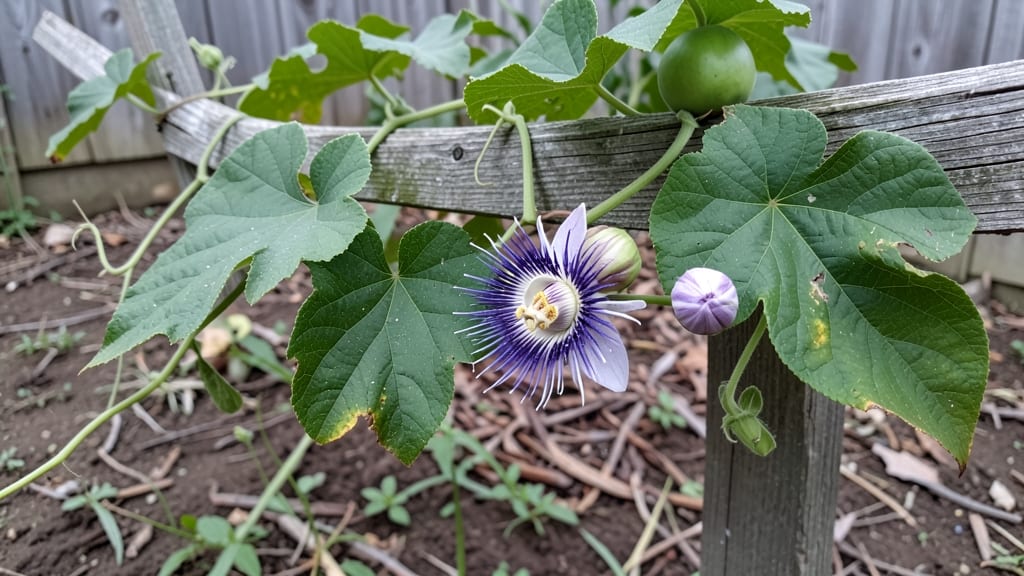
Passion flower fertilizer isn’t just about feeding the vines—it’s about unlocking those stunning, velvety blooms that turn heads in any garden. 🌿 I learned the hard way that passion flowers need a balanced approach, not just a quick nitrogen fix.
Too much of the wrong fertilizer, and you’ll end up with lush foliage but no flowers—just frustration.
The secret lies in spring and summer feeding with a 5-10-10 or 6-12-12 ratio fertilizer, mimicking what these tropical vines crave in their native habitats. Organic options like composted manure or fish emulsion work wonders, but synthetic blends give you precise control.
I’ve seen vines go from sparse blooms to bursting with color in just one season when I got the timing and balance right.
You’ll know you’re doing it right when the vines produce abundant, fragrant flowers that attract hummingbirds and butterflies. The leaves stay deep green, not yellow or crispy—a sure sign of proper nutrition. Plus, the vines grow stronger and more vigorous, ready to climb and thrive all season long.
Whether you’re dealing with sandy soil or heavy clay, the principles stay the same: feed lightly, feed often, and always water after applying. Over-fertilizing is the fastest way to kill your passion flowers, so start small and adjust as you go. Let’s get those vines blooming like crazy!
📚 In This Guide
- What you need
- Instructions
- Tips and common mistakes
- Wrapping up and next steps
What you need
- ● Balanced fertilizer (10-10-10 or 20-20-20): 1–2 tablespoons per gallon of water (adjust based on vine age/health).
- ● Compost or worm castings: 1–2 cups (for organic matter and micronutrients).
- ● Phosphorus-rich fertilizer (e.g., bone meal): 1 tablespoon (promotes flowering).
- ● Water: 1 gallon (for liquid fertilizer) or enough to moisten soil (for dry mixes).
- ○ pH test kit: Optional but helpful to check soil acidity (ideal: 6.0–7.5).
- ● Garden gloves: To protect your hands from soil/fertilizer.
- ● Measuring spoons/cups: For precise ratios.
- ● Watering can or hose: For even application.
- ● Garden trowel or fork: To gently mix fertilizer into soil (avoid disturbing roots!).
- ● Sunny spot: Passion flowers thrive in full sun (6+ hours/day)—pick a well-lit area!
- ● Epsom salt (magnesium sulfate): 1 tablespoon per gallon (boosts green growth).
- ● Citric acid: ½ teaspoon per gallon (if soil is alkaline).
- ● Fish emulsion or seaweed extract: 1 tablespoon per gallon (for extra nutrients).
- ● Mulch (e.g., straw or wood chips): To retain moisture and regulate soil temp.
Step-by-step guide to fertilizing passion flower vines for optimal blooms
Here's how to keep your passion flowers thriving with the right feeding schedule and techniques.
🌿 Step 1: Understand Passion Flower Nutritional Needs
Passion flowers thrive when fed a balanced fertilizer with equal parts nitrogen, phosphorus, and potassium—look for a 10-10-10 or 20-20-20 label. These vines also benefit from micronutrients like magnesium and iron, which prevent yellowing leaves. I always check the label for these extras before buying. The key is matching the fertilizer's NPK ratio to your plant's growth stage: higher nitrogen (like 30-10-10) when establishing new vines, then switching to balanced or phosphorus-heavy (10-20-10) when buds form.
You'll notice new growth within 2-3 weeks of applying nitrogen-rich fertilizer, and buds will swell when phosphorus increases. Too much nitrogen late in the season delays blooming, so adjust ratios as the season progresses. I keep a small notebook by my garden to track which fertilizer ratios work best for my specific variety—some passion flowers respond better to organic options.
💧 Step 2: Apply Fertilizer in Three Strategic Phases
Start with a light application of balanced fertilizer in early spring when new shoots emerge—about ½ the recommended dose on the package. This jumpstarts growth without overwhelming the plant. I mix the fertilizer into the top 2 inches of soil around the base of the vine, being careful not to let granules touch the stems. Water deeply afterward to help nutrients distribute evenly.
When buds begin forming in late spring, switch to a phosphorus-heavy fertilizer (like 10-20-10) to encourage flowering. Apply this every 4-6 weeks throughout the blooming season, always following the package's instructions for amount. You'll see buds swell noticeably within 7-10 days of application. Avoid fertilizing when the plant is already stressed—like during drought or extreme heat—it'll just burn the roots.
✂️ Step 3: Maintain Soil Health Between Feedings
Passion flowers hate soggy roots, so I always let the top 1-2 inches of soil dry out between waterings before reapplying fertilizer. Overwatering dilutes nutrients and can lead to root rot, which shows up as yellowing leaves and wilting vines. I test soil moisture by sticking my finger in—if it feels damp past the first knuckle, I wait another day.
Mulch heavily with 2-3 inches of organic matter (like shredded leaves or compost) to retain moisture and slowly release nutrients. This reduces how often I need to fertilize while keeping the soil rich. I refresh the mulch every 3-4 months, especially after heavy rains wash away the top layer. The mulch also helps regulate soil temperature, which passion flowers appreciate during their tropical origins.
☀️ Step 4: Adjust Feeding for Seasonal Changes
In fall, reduce fertilizer applications to every 8-10 weeks as growth naturally slows. Passion flowers go semi-dormant in cooler months, and overfeeding can lead to weak, leggy growth. I switch to a low-nitrogen, high-potassium fertilizer (like 5-5-10) to strengthen roots for winter. You'll notice new root growth if you gently scratch back the soil—healthy roots are white or light tan, not brown or mushy.
Prune back any dead or diseased growth before winter, and remove old flower stems to redirect the plant's energy. In early spring, give one final light feeding of balanced fertilizer to kickstart the new growing season. I always fertilize after a rain shower or deep watering to help nutrients penetrate the soil without burning the roots.
🌱 Step 5: Troubleshoot Common Fertilizer Mistakes
If your passion flower leaves turn yellow with green veins, it's a classic sign of iron deficiency—common in alkaline soils. I've found that applying chelated iron or using an Epsom salt solution (1 tablespoon per gallon of water) every 2-3 weeks fixes this quickly. You'll see new growth return within 10-14 days if the roots are otherwise healthy.
Brown leaf edges or crispy tips mean over-fertilizing or underwatering. Flush the soil with 3-4 gallons of water to leach excess salts, then cut back on feedings until the plant recovers. Passion flowers are forgiving but need consistent care—never fertilize when the soil is frozen or waterlogged. I always check the weather forecast before applying anything; a heavy rain within 24 hours will wash away most nutrients anyway.
Tips & tricks for perfect passion flower fertilizing
These insider tricks will help you avoid common mistakes and get the most vibrant blooms from your passion flower vines.
Seasonal NPK Ratio Adjustment: The key to success lies in adjusting your NPK ratios throughout the season. In early spring, use a 30-10-10 fertilizer to promote vigorous new growth—you'll see those fresh shoots emerge within 2-3 weeks as promised. When buds begin forming, switch immediately to a 10-20-10 ratio to encourage flowering. I've found that passion flowers respond beautifully to this shift when buds are about 1 inch in diameter, typically in late spring. This precise timing helps prevent the plant from putting all its energy into foliage instead of blooms.
Soil Testing Secret: Before applying any fertilizer, test your soil's pH—passion flowers prefer slightly acidic to neutral soil (pH 6.0-7.5). If your soil is alkaline, the iron and other micronutrients become unavailable to the plant, leading to yellowing leaves despite proper fertilization. I use a simple home test kit and adjust with sulfur if needed. This small step can make the difference between struggling vines and lush, flowering plants. The 2-3 weeks after soil amendment is the perfect window to start your feeding schedule.
Weather-Proofing Application: Always apply fertilizer after a rain shower or deep watering—this helps prevent root burn from concentrated salts. I check the forecast before fertilizing and aim to apply when 24 hours of dry weather are predicted. This timing ensures nutrients penetrate the soil properly without being washed away. For container-grown passion flowers, water thoroughly before and after applying fertilizer to help distribute nutrients evenly through the root zone.
Organic Alternatives: If you prefer organic options, look for fish emulsion (5-1-1 ratio) for early season growth and bone meal (3-15-0 ratio) when buds form. These organic fertilizers release nutrients more slowly, requiring more frequent applications—every 3-4 weeks instead of the 4-6 weeks with synthetic fertilizers. The trade-off is a more gradual nutrient release that mimics natural conditions, which many gardeners find results in healthier, more resilient plants.
Pro Tips for Passion Flower Fertilizer
- These insider tricks will help you avoid common mistakes and get the most vibrant blooms from your passion flower vines.
- Seasonal NPK Ratio Adjustment: The key to success lies in adjusting your NPK ratios throughout the season.
- Soil Testing Secret: Before applying any fertilizer, test your soil's pH—passion flowers prefer slightly acidic to neutral soil (pH 6.0-7.5).
Frequently asked questions
Got questions about keeping your passion flower vines lush and blooming?
Here are some of the most common ones—and their answers—to help you grow like a pro!
What’s the best fertilizer for passion flowers?
Passion flowers thrive with a balanced, slightly acidic fertilizer (like a 10-10-10 or 12-12-12 NPK ratio). Organic options like composted manure or fish emulsion also work well. Avoid high-nitrogen fertilizers—they promote leafy growth over flowers!
When should I fertilize my passion flower?
Feed your vines twice a year: once in early spring (as new growth starts) and again in mid-summer (to support blooming). Skip fertilizing in fall/winter—they’re dormant! Light, frequent applications are better than heavy doses.
Can I use homemade fertilizer for passion flowers?
Try a compost tea (steep compost in water for 24 hours) or a banana peel brew (rich in potassium). For a quick fix, blend coffee grounds into the soil—they add nitrogen and improve drainage. Just avoid overdoing it!
Why aren’t my passion flowers blooming despite fertilizing?
Blooms may lag due to too much nitrogen (focus on phosphorus/potassium), poor sunlight (they need 6+ hours of sun), or overwatering. Prune leggy vines and ensure good airflow. If the soil’s compacted, aerate it—roots need room to breathe!
How do I know if my passion flower is over-fertilized?
Watch for yellowing leaves, leaf burn, or stunted growth. Over-fertilizing can also cause salty soil (white crust on the surface). Flush the soil with water and reduce feeding frequency. Let the plant recover before fertilizing again!
Wrapping up and next steps
Choosing the right passion flower fertilizer is the secret to vibrant blooms and lush vines—whether you opt for organic compost, balanced synthetic blends, or targeted micronutrients.
Remember, consistency and soil health are key: feed your plants regularly but avoid overdoing it, and always pair fertilization with proper watering and pruning. 🌿
Now that you’re armed with knowledge, it’s time to roll up your sleeves and give your passion flowers the care they deserve! Start by testing your soil, then pick your fertilizer and follow the steps above.
Watch your vines thrive—and don’t forget to share your progress with fellow gardeners for some extra motivation! 🌸