Size
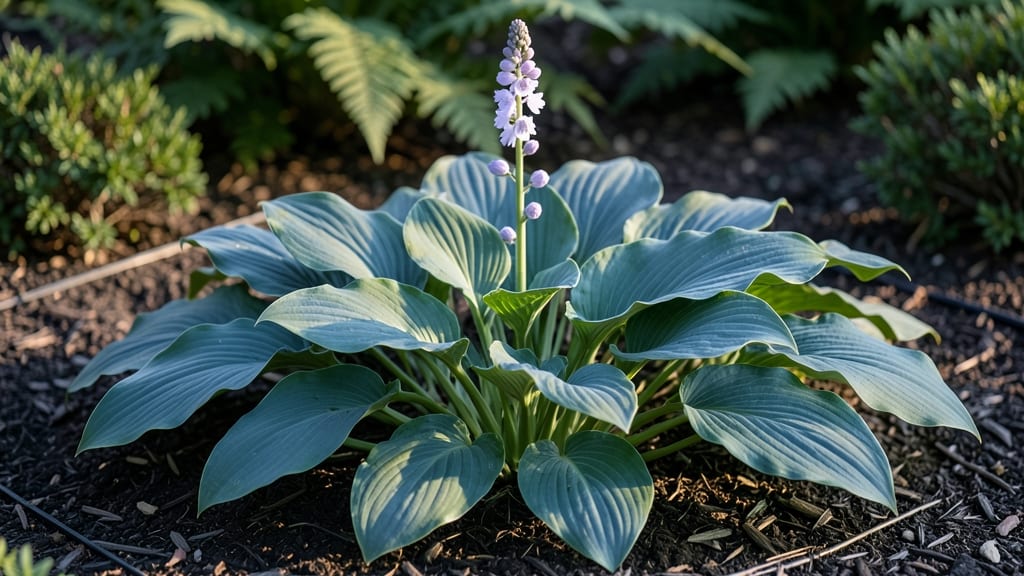
The flowering plants that grow in shade I’ve transformed my dim corner into a vibrant display by choosing shade-tolerant bloomers like impatiens, bleeding hearts, and astilbes—plants that thrive where others fade.
The key isn’t just picking the right species; it’s understanding how they adapt to low light, moisture, and the specific shade conditions of your space.
Most of these beauties prefer 4-6 hours of dappled or filtered light, though some like hellebores and lungworts handle even deeper shade. Well-draining, rich soil is non-negotiable—amend with compost if your native soil feels heavy or sandy.
Watering needs shift too: shade-loving plants often stay moist longer, so check soil depth before watering again. Containers dry out faster, so they’ll need more frequent attention than garden beds.
By midsummer, you’ll have a garden that blooms when others wilt—think velvety impatiens, delicate foxgloves, and the bold foliage of hostas. These plants reward patience with longer bloom times and fewer pests, plus they create a lush backdrop for ferns and other shade companions.
The best part? They’re just as happy in containers on patios as they are in woodland garden beds.
Whether you’re working with a north-facing yard, a tree’s dappled shadow, or a balcony with limited sun, these plants will turn your shady spots into showstoppers. Let’s dive into the specific varieties that work best—and how to keep them thriving all season long.
📚 In This Guide
- What you need
- Instructions
- Tips and common mistakes
- Wrapping up and next steps
What you need
- ● Shade-tolerant flowering plants: 3–5 varieties (e.g., Hosta, Impatiens, Bleeding Heart, Fuchsia, or Astilbe). Choose 3–5 plants per 10 sq. ft. for a balanced look.
- ● High-quality potting mix: 1–2 bags (5–10 gallons) of well-draining, organic soil (look for labels like "moisture-retentive" or "shade garden mix").
- ● Containers or garden bed: Containers: 5–10 pots (6–12 inches in diameter) with drainage holes.
- ● Garden bed: A 6–12 inch deep area with amended soil (if planting directly in the ground).
- ● Slow-release fertilizer: 1 bag (10–20 lbs) of balanced, organic fertilizer (e.g., 10-10-10 or 5-5-5).
- ● Mulch: 1–2 bags of organic mulch (e.g., shredded bark or pine needles) to retain moisture.
- ● Garden trowel or hand shovel (for planting).
- ● Pruners or shears (for trimming dead foliage).
- ● Watering can or hose with a gentle spray nozzle (shade plants need consistent moisture).
- ● Gloves (to protect your hands from soil and thorns).
- ● Shade cloth (if your area gets partial sun—use 30–50% coverage).
- ● Garden stakes or trellis (for climbing plants like Clematis or Fuchsia).
- ● Liquid fertilizer (e.g., fish emulsion) for a mid-season boost.
- ● Decorative stones or pebbles (to enhance aesthetics in containers).
How to design a thriving shade garden with flowering plants
Shade gardens aren't just for ferns—these four flowering plants bring vibrant color and texture to low-light spaces with minimal fuss.
Select Plants That Flourish in Low Light
Start with shade-tolerant flowering plants like impatiens, fuchsias, astilbes, and hellebores. These varieties thrive under 4-6 hours of dappled sunlight or full shade, where other flowers would struggle. I always choose plants with dark, rich foliage as a backdrop—they make the flowers pop even in dimmer conditions.
Look for labels specifying "partial shade" or "full shade" tolerance. Avoid sun-loving annuals like marigolds or petunias—they'll quickly develop yellow leaves and wilt. Instead, opt for plants with glossy leaves or hairy stems, which are natural indicators of shade adaptability.
Prepare the Soil for Moisture-Retentive Growth
Shade gardens need well-draining yet moisture-retentive soil to prevent root rot. Amend your native soil with 3-4 inches of organic compost and a handful of perlite or coarse sand to improve aeration. I mix these into the top 12 inches of soil, ensuring the roots have room to spread without becoming waterlogged.
Test the soil's moisture by squeezing a handful—it should hold together but not feel soggy. If your soil drains too quickly, add peat moss to retain moisture. Avoid heavy clay soils unless you've amended them thoroughly; they suffocate roots and prevent proper nutrient uptake.
Plant with Strategic Spacing for Airflow
Space plants 12-18 inches apart, depending on their mature size. Crowding reduces airflow, which can lead to fungal diseases like powdery mildew—a common issue in shade gardens. For example, astilbes need 18 inches between clusters, while impatiens can tolerate 12 inches in tighter groupings.
Dig holes twice as wide as the root ball but no deeper. Gently loosen the roots if they're circling and place the plant so the top of the root ball sits just below soil level. Press the soil firmly around the roots to eliminate air pockets, then water deeply to settle everything.
Water Consistently Without Over-Saturating
Shade-loving plants prefer consistently moist but not soggy soil. Water 1-2 times per week, depending on rainfall, until the soil feels damp 2 inches below the surface. I check this by inserting a finger—if it comes out dry, it's time to water again.
Water in the early morning to reduce evaporation and fungal risks. Avoid overhead watering, especially in the evening, as damp foliage invites disease. Instead, use a soaker hose or water at the base of the plant. Mulch with 2-3 inches of shredded bark to retain moisture and suppress weeds.
Maintain with Light Fertilizing and Pruning
Feed shade plants every 4-6 weeks during the growing season with a balanced, slow-release fertilizer (10-10-10 or similar). Over-fertilizing leads to lush foliage but fewer flowers, so follow the package instructions precisely. I also add a handful of bone meal in early spring to encourage blooming.
Deadhead spent flowers regularly to encourage continuous blooming. For example, fuchsias benefit from pruning leggy stems back to a leaf node in early summer. Trim back overgrown foliage in late winter to make room for new growth, but avoid heavy pruning in fall—this can stress plants before dormancy.
Tips & tricks for perfect shade garden planting
Creating a vibrant shade garden isn't just about selecting the right plants—it's about understanding how to give them the perfect conditions to thrive in low-light spaces.
Plant Selection Wisdom: When choosing your shade-loving flowers in Step 1, pay special attention to the specific light conditions in your garden. While impatiens and fuchsias tolerate 4-6 hours of dappled sunlight, hellebores actually prefer full shade with less than 4 hours of light. I've learned the hard way that placing sun-loving varieties like marigolds in these spots leads to disappointing results—yellow leaves and sparse blooms are telltale signs you've chosen incorrectly.
Soil Preparation Strategy: The soil amendments in Step 2 are crucial for preventing root rot while maintaining proper moisture levels. For clay-heavy soils, I recommend adding an extra 1-2 inches of perlite beyond the 3-4 inches mentioned—this creates better aeration for those deep roots. When testing soil moisture, press your finger 2 inches down; if it feels dry, that's your cue to water. The goal is to mimic a consistently damp sponge, not a soggy swamp.
Pruning Precision: When deadheading in Step 5, be strategic about where you cut. For fuchsias, always prune back to a leaf node rather than just any random point on the stem. This encourages branching and more abundant blooms. In late winter, I cut back overgrown foliage to about 6 inches above the ground—this gives new growth plenty of room to establish without overcrowding the plant.
Watering Technique: The early morning watering recommendation in Step 4 is non-negotiable for preventing fungal diseases. I've found that using a soaker hose not only waters at the base (where roots need it most) but also reduces water waste by 30% compared to overhead sprinklers. For containers, I water until I see moisture running from the drainage holes—this ensures complete saturation without waterlogging.
Pro Tips for Flowering Plants That Grow In Shade
- Creating a vibrant shade garden isn't just about selecting the right plants—it's about understanding how to give them...
- Plant Selection Wisdom: When choosing your shade-loving flowers in Step 1, pay special attention to the specific ligh...
- Soil Preparation Strategy: The soil amendments in Step 2 are crucial for preventing root rot while maintaining proper...
Frequently asked questions
Got questions about growing flowering plants in shady spots? You’re not alone—many gardeners want to maximize beauty without direct sunlight. Here are some of the most common concerns, answered clearly so you can confidently bring color to your low-light garden!
What are the easiest flowering plants for full shade?
Look for impatiens, bleeding hearts, hostas (with variegated varieties), or heucheras. These thrive in less than 4 hours of sunlight daily and offer vibrant blooms or foliage. For deep shade (under trees), try foamflower or Japanese painted fern—they’re tough and low-maintenance!
How long does it take for shade-loving flowers to bloom?
Most shade plants bloom within 6–12 weeks after planting, but some (like hostas) focus on foliage first. Impatiens and coleus are fast bloomers, while astilbes may take a full season. Pro tip: Use pre-blooming plants from nurseries to skip the wait!
Can I grow flowering plants in very shady spots, like under a tree?
Opt for ground covers like creeping phlox or ajuga, or shade-tolerant perennials such as lungwort or tiarella. Avoid competition with tree roots by mulching well (2–3 inches) and watering deeply but infrequently. Bonus: Ferns add texture without stealing sunlight!
Why aren’t my shade plants flowering?
Lack of light is often the culprit, but over-fertilizing (especially with high-nitrogen) can also stunt blooms. Try balanced, slow-release fertilizer (10-10-10) in spring. Deadheading spent blooms encourages reblooming, and pruning leggy growth can redirect energy to flowers. If soil is compacted, amend with compost!
What’s a good alternative if my shade area is too dark for flowers?
Swap blooms for foliage stars: caladiums (dramatic leaves), heucheras (velvety textures), or variegated hostas. For height, try cast-iron plants or Japanese forest grass. Even moss gardens add lushness—just keep them moist! Lighten the mood: Add reflective surfaces (mirrors, light-colored pots) to brighten the space naturally.
| Quick Fixes for Shade Struggles |
|---|
| Leggy plants? Prune back by ⅓ in early spring to encourage bushier growth. |
| Yellow leaves? Check for root rot (too much water) or nutrient deficiency (feed with iron or compost). |
| No blooms? Move plants to partial shade (4–6 hours of light) if possible. |
Wrapping up and next steps
Transforming shady spots into vibrant gardens is easier than you think! With the right flowering plants that grow in shade, you can create a lush, colorful oasis that thrives even in low light.
Whether you’re a seasoned gardener or just starting out, these low-maintenance beauties offer year-round charm with minimal effort.
Ready to bring your garden to life? Start small—pick one or two plants to test your shady spot, then expand as you gain confidence. Happy gardening! 🌿✨