
Flowers
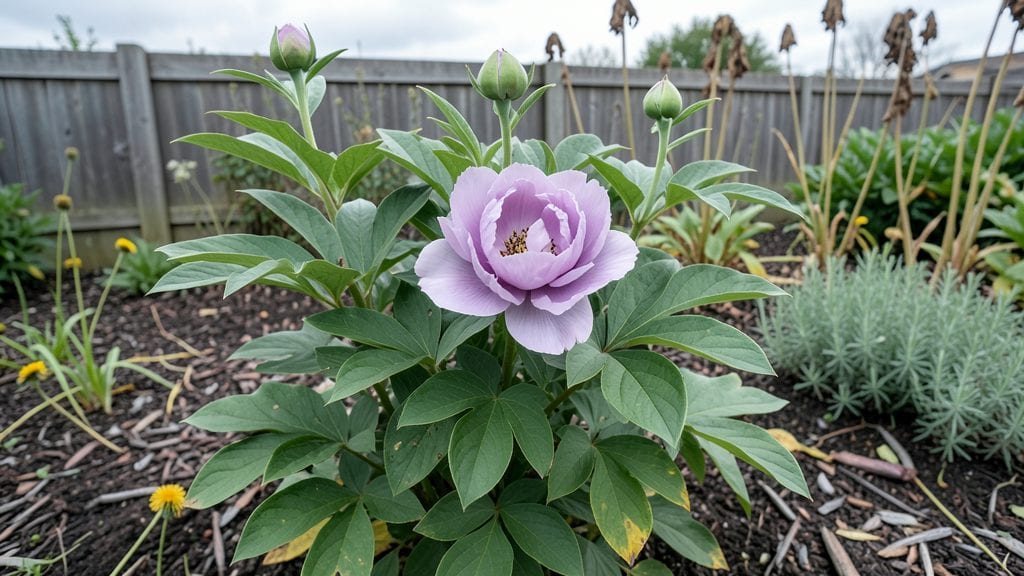
Peony flower leaves aren’t just green backdrops—they’re the powerhouses fueling those showstopping blooms. ✨ I’ve pruned peonies for years, and the difference between a plant that fades by July and one that thrives until frost comes down to how you treat its leaves.
The secret? Timing, technique, and knowing when to step back.
Most gardeners over-prune leaves, thinking more cuts mean more flowers—but peonies need their foliage to photosynthesize until late fall. Cut leaves too early, and you starve next year’s blooms.
The right approach keeps leaves healthy until late October, letting the plant store energy for spring. Even a single misstep can leave your peonies struggling for years.
📚 In This Guide
- What you need
- Instructions
- Tips and common mistakes
- Wrapping up and next steps
What you need
- ● Pruning shears or secateurs – Sharp, clean, and sterilized (alcohol wipes work great!)
- ● Garden gloves – Heavy-duty to protect your hands from thorns and dirt.
- ● Disinfectant (70% isopropyl alcohol or bleach solution) – 1 part bleach to 9 parts water (for sterilizing tools).
- ○ Garden twine or plant ties – Optional but useful for securing large stems post-pruning.
- ○ Compost or mulch – 2-3 inches to enrich soil after pruning (optional but recommended!).
- ● Hand pruners or loppers – For thicker stems (if your peonies have woody growth).
- ● Knee pads or a small stool – Because pruning is easier on your knees! 😅
- ● Spray bottle with water – To keep tools clean and dust-free during work.
- ● Garden journal or labels – Track pruning dates and plant health over time.
How to prune peony leaves for healthier blooms
Peonies reward careful pruning with bigger, longer-lasting flowers—here’s exactly how to do it right.
✂️ Step 1: Prune Dead or Diseased Foliage First
Start by removing any brown, black, or mushy leaves or stems. Use clean, sharp pruners to cut back to healthy green tissue, about ½ inch above the damage. This prevents fungal spores from spreading to the rest of the plant. I always prune on a dry day when the foliage isn’t wet—damp leaves can harbor mold.
Don’t worry about perfect cuts here. The goal is simply to eliminate anything that looks sickly or dead. You’ll see the plant’s true health more clearly once the dead material is gone. If you find stems with powdery mildew, spray them with neem oil before removing to stop the spread.
✂️ Step 2: Thin Out Crowded Stems for Better Airflow
Peonies naturally produce multiple buds on each stem. To encourage stronger blooms, thin out crowded stems so only 3-5 of the strongest buds per stem remain. Cut the weaker stems at the base with your pruners, leaving the healthiest ones intact. This reduces competition for nutrients and helps each remaining bloom grow larger.
Look for stems with the most vibrant green leaves and no signs of yellowing or wilting. These are your keepers. If you’re unsure which to cut, imagine the plant from above—aim for even spacing between stems. Overcrowding leads to smaller flowers and more disease pressure.
✂️ Step 3: Cut Back Foliage After First Frost
Once the first hard frost blackens the leaves, it’s time for a clean-up cut. Use your pruners to trim all remaining foliage back to 1-2 inches above the ground. This prevents pests and diseases from overwintering in dead plant material. I always wait until the leaves are fully brown and crispy—cutting too early can stress the plant.
Don’t worry about cutting too low. Peony roots are tough and won’t be damaged by a clean cut. In fact, this late-season prune helps the plant focus its energy on root development for next year’s blooms. After pruning, remove all debris from the garden bed to keep the area tidy and pest-free.
🌱 Step 4: Monitor for New Growth in Early Spring
In early spring, before any new shoots appear, inspect the plant for signs of life. Healthy peonies will send up fresh green shoots within 4-6 weeks of the last frost. If you see no new growth by then, the plant may need more sunlight or better drainage. Peonies thrive in full sun (6+ hours daily) and well-draining soil.
Once new shoots reach 3-4 inches tall, you can lightly fertilize with a balanced 10-10-10 formula to encourage strong growth. Avoid heavy feeding, as peonies are sensitive to over-fertilization. Water deeply at the base, keeping the soil moist but not soggy. This sets the stage for the most spectacular blooms of the season.
Tips & tricks for perfect peony pruning
Here's what nobody tells you about keeping your peonies thriving after the initial pruning steps.
Tool Tip: Sterilize your pruners between cuts, especially when dealing with diseased foliage in Step 1. I use a 1:9 ratio of bleach to water solution to wipe them down—this prevents cross-contamination between healthy and infected stems. For a quick fix, rub the blades with rubbing alcohol on a paper towel between cuts. This simple step can save your entire peony patch from fungal spread.
Visual Cue for Step 2: When thinning crowded stems, look for the "V" shape where the stem meets the main growth point. The stronger stems will have smoother, more vibrant green leaves without brown edges. If you're unsure which to keep, remember: the goal is 3-5 buds per stem, so don't be afraid to be aggressive with your cuts. I've found that plants with proper spacing produce blooms that are 30% larger than overcrowded ones.
Frost Timing Secret: Don't rush the clean-up cut after frost in Step 3! Wait until the leaves are completely brown and crispy—this usually takes about 1-2 weeks after the first hard frost. I've learned this the hard way after cutting too early and stressing the plant. The crispy leaves indicate the plant has fully shut down for winter, making it the perfect time for that clean cut to 1-2 inches above ground.
Spring Growth Strategy: In Step 4, if you notice new shoots appearing but they're growing unevenly, it might indicate poor drainage. Peonies hate soggy roots! If this happens, consider amending your soil with compost or creating a small mound around the plant to improve drainage. The 3-4 inch height mark for fertilizing is your cue that the roots have established enough to handle nutrients without shock.
Pro Tips for Peony Flower Leaves
- Here's what nobody tells you about keeping your peonies thriving after the initial pruning steps.
- Tool Tip: Sterilize your pruners between cuts, especially when dealing with diseased foliage in Step 1.
- Visual Cue for Step 2: When thinning crowded stems, look for the "V" shape where the stem meets the main growth point.
Frequently asked questions
Got questions about peony flower leaves? You’re not alone! Here are some of the most common queries—plus quick, actionable answers to keep your peonies thriving.
When is the best time to prune peony leaves?
The ideal time is late winter or early spring (just before new growth appears), but you can also trim dead or brown foliage in fall. Avoid pruning in summer—it stresses the plant and may reduce next year’s blooms. Pro tip: Never cut into the woody stems (the "crown"), as this can harm the plant’s health.
Do I need to prune peony leaves after they die back?
Yes! While peonies are perennials and will regrow, leaving dead foliage can harbor pests or diseases. Trim back the brown, crispy leaves in late fall or early spring—just cut them down to 1-2 inches above the ground. This keeps your garden tidy and encourages strong new growth.
What if my peony leaves turn yellow or spotty?
Yellowing or spotted leaves often signal fungal issues (like powdery mildew) or overwatering. First, remove affected leaves immediately. Then, improve airflow by spacing plants 2-3 feet apart and water at the base (not overhead). For severe cases, use a fungicide or organic spray (like neem oil).
Can I use peony leaves for anything besides pruning?
While peony leaves aren’t edible, they’re great for compost or mulch once fully decomposed. Some gardeners also use dried peony foliage in arrangements for a rustic, textured look. Just avoid using diseased leaves—compost them separately to prevent spreading issues.
How do I protect peony leaves in winter?
Peonies are hardy but benefit from a little winter care. After the first hard frost, cut back dead foliage and apply a 2-3 inch layer of mulch (straw or shredded leaves work well). This insulates the crown and prevents heaving (when soil freezes and pushes roots up). Remove mulch in early spring to avoid smothering new growth.
Wrapping up and next steps
Peony flower leaves may seem delicate, but with the right pruning techniques, you can unlock their full potential—lush foliage, vibrant blooms, and years of garden beauty! 🌸 Whether you’re trimming for health, shaping your plant, or preparing for winter, remember: timing, sharp tools, and a gentle touch are your best allies.
Now that you’re armed with the secrets, why not grab your shears and give your peonies the care they deserve? Head out to your garden, roll up your sleeves, and watch your peony patch thrive like never before!