
Aphids
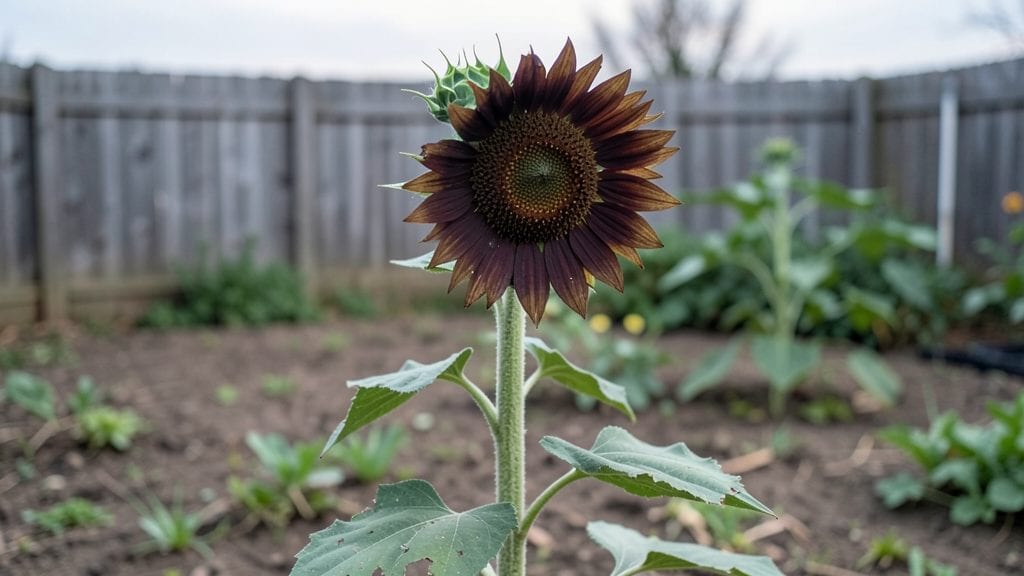
Gilcrease Orchard sunflowers aren’t just plants—they’re the backbone of a garden that thrives without the aphid chaos. 🌻 I fell for them after watching bees swarm their deep amber blooms last summer, knowing they’d stand tall while other varieties wilted under pest pressure.
Their rustic charm and resilience make them perfect for heirloom gardens or pollinator-friendly borders.
The secret lies in their height and color contrast. Plant them as dramatic backdrops (they top 6 feet) or pair them with shorter perennials like purple coneflowers for a vintage farmhouse look.
Their golden-yellow petals glow against silver foliage or deep red salvias, creating a warm, inviting palette that lasts from midsummer to frost.
What you’ll end up with is a low-maintenance focal point that hums with life—no pesticides, no wilting, just endless blooms that feed bees and butterflies.
The Gilcrease’s sturdy stems hold up to wind, and their aphid resistance means fewer sprays, more pollinators, and a garden that feels alive with every visit.
Works in cottage gardens, modern borders, or even container arrangements for patios. Here’s how to weave them into your design without overpowering the space—because beauty should feel effortless, not forced.
📚 In This Guide
- What you need
- Instructions
- Tips and common mistakes
- Wrapping up and next steps
What you need
- ● Sunflower seeds: Gilcrease Orchard varieties (e.g., Sunflower ‘Autumn Beauty’ or ‘Moulin Rouge’—aphid-resistant and pollinator-friendly). Buy 50–100 seeds per plant (or pre-sprouted seedlings from a nursery).
- ● Well-draining soil: Mix 1 part compost with 2 parts native soil (pH 6.0–7.5). Test soil moisture—sunflowers hate soggy roots!
- ● Fertilizer: 5-10-10 NPK (low nitrogen to avoid aphid magnetism). Use 1 tbsp per plant at planting.
- ● Watering can or hose: With a gentle spray nozzle to avoid damaging seedlings.
- ○ Neem oil (optional but recommended): 1 tsp per quart of water for aphid prevention (spray every 2 weeks).
- ● Garden twine or stakes: 3–4 ft tall to support tall varieties (e.g., ‘Russian Giant’).
- ● Gloves & knee pads: For comfy planting (trust us, your knees will thank you!).
- ● Companion plants: Marigolds or basil (natural aphid deterrents).
- ● Row covers: Lightweight fabric to protect seedlings from early pests.
- ● Ladybugs or lacewings: 50–100 per acre (release in the evening for best results).
- ● Sunflower-specific trellis: For varieties like ‘Teddy Bear’ (dwarf but needs light support).
- ● Soil moisture meter: To track watering needs—sunflowers need 1–2 inches per week.
Step-by-step guide to growing Gilcrease Orchard sunflowers
Here's how I establish a thriving sunflower display that thrives without aphid issues.
🌱 Step 1: Select and Prepare the Planting Site
Gilcrease Orchard sunflowers thrive in full sun with at least 6-8 hours of direct light daily. Choose a location with well-draining soil—sunflowers hate soggy roots. I always test soil pH first; these varieties prefer 6.0-7.0. If your soil is heavy clay, amend with 2-3 inches of compost mixed into the top 12 inches of soil.
Sunflowers grow best in loose, fertile soil. Work in a balanced 10-10-10 fertilizer at planting time to ensure strong early growth. The reason I never skip this step is that poor soil leads to weak stems that flop under flower weight. Clear the area of weeds first—they compete aggressively for nutrients.
🌱 Step 2: Plant Seeds at Proper Depth and Spacing
Plant seeds ½ inch deep and 18-24 inches apart in rows spaced 2-3 feet apart. Gilcrease Orchard varieties grow 5-7 feet tall, so proper spacing prevents overcrowding. I like to plant 4-5 seeds per hole and thin to the strongest seedling after germination—this ensures I always have plants ready to bloom.
Wait until soil temperatures reach 55°F or warmer before planting. Cold soil delays germination and can cause rot. Water the soil thoroughly before planting to help seeds settle at the correct depth. You'll see sprouts in 7-14 days—watch for the first true leaves to appear before thinning.
☀️ Step 3: Provide Consistent Water and Sun
Water deeply once a week during establishment, aiming for 1-1.5 inches of water per week. Once established, sunflowers are drought-tolerant, but consistent moisture during flowering ensures larger, showier blooms. I always water at the base to prevent fungal diseases that aphids love to infest.
Mulch around plants with 2-3 inches of straw to retain moisture and suppress weeds. Keep mulch 3 inches away from stems to prevent rot. You'll know your watering is right when leaves stay deep green and stems remain sturdy—wilting or yellowing means it's time to adjust.
✂️ Step 4: Monitor for Aphids and Maintain Plant Health
Gilcrease Orchard varieties have natural aphid resistance, but I still check plants weekly for early signs of infestation. Look for sticky residue (honeydew) on leaves or tiny green insects clustered on new growth. If you spot aphids, spray with neem oil or introduce ladybugs—both are effective without harming pollinators.
Remove any dead or diseased leaves immediately to prevent spread. Prune back any weak or leggy stems to encourage stronger growth. The key here is prevention—healthy plants naturally repel pests. You'll see the best results when stems are thick and upright, not leaning or brittle.
🌿 Step 5: Enjoy the Pollinator-Friendly Display
Sunflowers reach full height in 60-70 days, with blooms opening 80-90 days after planting. The bright yellow flowers attract bees, butterflies, and hummingbirds, making them a pollinator magnet. I always leave some seed heads for birds in fall—this variety produces heavy, nutrient-rich seeds that wildlife loves.
Cut back stems to 12 inches after flowering to encourage a second flush of smaller blooms. Collect seeds from dried heads by placing a paper bag over the flower and gently shaking. Store seeds in a cool, dry place for next year's planting. The reward? A garden that thrives with minimal fuss and maximum beauty.
Tips & tricks for perfect Gilcrease Orchard sunflowers
These simple yet powerful strategies will help you cultivate sunflowers that not only resist aphids but also grow taller, bloom brighter, and attract more pollinators than ever before.
Soil Preparation Secret: Before amending your soil with compost, I recommend testing it with a simple DIY pH test—mix equal parts vinegar and water, then pour over soil. If it fizzes, your soil is alkaline (above 7.0) and needs sulfur. If it doesn't, your soil is acidic (below 6.0) and needs lime. The 6.0-7.0 range is critical for Gilcrease Orchard varieties to develop their natural aphid resistance.
Planting Strategy: I've found that planting seeds in clusters of 4-5 per hole creates a natural defense system. When you thin to the strongest seedling, the remaining plant gets a head start on growth and develops thicker stems that can better support those massive blooms. This also creates a more visually appealing display with natural groupings rather than uniform rows.
Watering Wisdom: The once-a-week watering guideline works best when you water deeply—aim for that 1-1.5 inches per week. I use a rain gauge or tuna can to measure water output from my hose nozzle to ensure accuracy. During flowering, I switch to early morning watering to prevent fungal diseases that aphids target. The key is consistent moisture without creating soggy conditions.
Pest Prevention: While Gilcrease Orchard varieties have natural aphid resistance, I've discovered that planting marigolds nearby creates a powerful deterrent. Marigolds release a natural chemical that repels aphids while attracting beneficial insects like ladybugs. This creates a protective barrier around your sunflowers without using chemicals. The weekly inspections you should be doing will catch any early signs before they become a problem.
Pro Tips for Gilcrease Orchard Sunflowers
- These simple yet powerful strategies will help you cultivate sunflowers that not only resist aphids but also grow taller, bloom brighter, and attract more pollinators than ever before.
- Soil Preparation Secret: Before amending your soil with compost, I recommend testing it with a simple DIY pH test—mix equal parts vinegar and water, then pour over soil.
- Planting Strategy: I've found that planting seeds in clusters of 4-5 per hole creates a natural defense system.
Frequently asked questions
Got questions about growing Gilcrease Orchard sunflowers—especially when it comes to aphid resistance and pollinator-friendly gardens? Here are answers to the most common queries to help you plan with confidence!
When is the best time to plant Gilcrease Orchard sunflowers for maximum aphid resistance?
Plant seeds 2–3 weeks after your last frost date (typically mid-April to early May in most U.S. zones). This timing ensures strong early growth, which helps deter aphids. Bonus: Sunflowers mature quickly (60–90 days), so late summer plantings can still thrive before pests peak.
How do I tell if my Gilcrease sunflowers have aphids, and what’s the first step to fix it?
Aphids appear as tiny green/black clusters on stems or undersides of leaves. Look for sticky residue (honeydew) or curled leaves. First action: Spray plants with a soapy water solution (1 tsp mild soap per quart of water) or introduce ladybugs (natural predators!). Repeat every 3–4 days until pests vanish.
Can I grow Gilcrease sunflowers in containers, or do they need in-ground planting?
Use a 5-gallon pot or larger with drainage holes and fill with well-draining soil. Ensure the container gets 6+ hours of sunlight daily. Pro tip: Stake tall varieties (like ‘Russian Giant’) to prevent tipping in windy spots.
Are there other aphid-resistant sunflower varieties similar to Gilcrease Orchard?
Yes! Try ‘Autumn Beauty’ (disease-resistant) or ‘ProCut’ (tolerates pests well). For pollinators, ‘Teddy Bear’ (compact, aphid-deterring foliage) is another great pick. Check seed packets for ‘aphid-tolerant’ labels when shopping.
How long do Gilcrease sunflowers take to bloom, and do they self-seed aggressively?
Blooms appear in 60–90 days from planting. While they do self-seed, Gilcrease varieties are less aggressive than wild types. Prevent spread: Deadhead spent blooms or harvest seeds before they drop. Save some for next year’s garden!
What other pollinators besides bees visit Gilcrease sunflowers?
Expect butterflies, hummingbirds, and syrphid flies! The open, flat blooms attract diverse pollinators. Plant in clusters (3+ plants) to create a pollinator buffet. Add neighboring herbs like dill or fennel to boost biodiversity.
Wrapping up and next steps
Transforming your garden into a thriving hub for pollinators doesn’t have to be a battle against aphids—especially with Gilcrease Orchard sunflowers! These resilient varieties not only dazzle with their golden blooms but also stand strong against common pests, making them the perfect choice for effortless beauty.
Whether you're a seasoned gardener or just starting out, planting these sunflowers is a simple yet impactful way to support bees, butterflies, and other beneficial insects while adding a pop of color to your outdoor space.
Ready to take the next step? Start small—grab a few seeds or seedlings, prep your soil, and let nature do the rest! 🌻 With minimal effort, you’ll soon be rewarded with a flourishing garden that’s both aphid-resistant and buzzing with life. Happy planting!