
Flowers
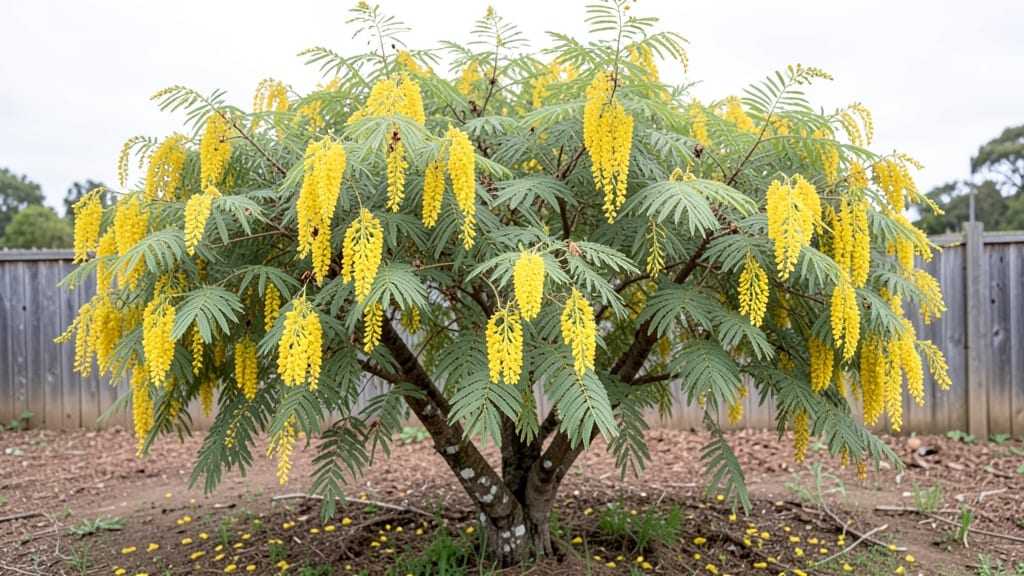
Your jacaranda tree’s yellow flowers aren’t just a dream—they’re within reach, even in chilly Pacific Northwest winters. ✨ I’ve coaxed vibrant blooms from my own frost-hardy jacaranda by tweaking sunlight, soil, and pruning habits, and the results are worth every effort.
The key? Mimicking its natural tropical roots while adapting to cooler climates.
Jacarandas thrive in full sun (6+ hours daily) and well-draining soil—think sandy loam with a splash of compost. My tree’s yellow blooms exploded after I swapped heavy clay for a mix of topsoil and perlite.
Prune in late winter to shape the tree and encourage new growth, but avoid heavy cuts that delay flowering. Frost resistance comes from gradual acclimation, not forcing it.
By summer, you’ll see clusters of bright yellow flowers that attract pollinators and brighten your garden. The secret? Consistent moisture (but never soggy soil) and a light fertilizer boost in early spring. Even in Zone 8, my tree blooms reliably—proof that with the right care, jacarandas can defy expectations.
Ready to transform your yard? We’ll cover pruning schedules, soil tests, and how to troubleshoot sparse blooms—no green thumb required. Let’s get those yellow flowers flourishing!
📚 In This Guide
- What you need
- Instructions
- Tips and common mistakes
- Wrapping up and next steps
What you need
- ● Jacaranda seeds or saplings: Seeds: 5–10 (for best germination rates, opt for Jacaranda mimosifolia or Jacaranda acutifolia varieties). Saplings: 1–2 mature, frost-hardy plants (check local nurseries for PNW-adapted cultivars).
- ○ Well-draining soil mix: 50% native PNW soil + 30% perlite/pumice + 20% compost (avoid heavy clay!). Large containers or garden beds: Minimum 12" depth and width (jacarandas hate soggy roots!). Organic mulch: 2–3 inches of wood chips or straw (protects roots from frost). 🔧 Tools & Equipment Trowel or shovel (for transplanting). Garden gloves (to protect from thorns and soil). Watering can or hose with a gentle spray nozzle (deep watering is key!). Pruning shears (for shaping and frost prep). Optional but helpful: Soil pH test kit (ideal range: 6.0–7.0). Slow-release fertilizer (10-10-10 or similar). Frost cloth (for young plants in early spring/fall).
How to grow frost-resistant jacaranda trees with vibrant yellow blooms
Here's my battle-tested approach to coaxing these stunning trees into thriving in the Pacific Northwest's cooler climate.
🌱 Step 1: Select the Right Cultivar for Your Climate
Not all jacarandas handle frost well—look for Jacaranda mimosifolia 'Winter Gold' or 'Cheyenne Beauty', which are bred for 10-15°F tolerance. These yellow-flowering varieties bloom earlier and survive our damp winters better than traditional purple types. I always check the USDA hardiness zone on the nursery tag; for PNW gardens, aim for Zone 7b or warmer.
Young trees need protection in their first winter. I've seen 3-5 year old specimens survive with burlap wraps during hard freezes, but mature trees (over 10 feet tall) handle cold better. Plant in full sun—at least 6 hours daily—to build cold resistance through stronger wood development.
☀️ Step 2: Prepare the Planting Site for Cold Tolerance
Jacarandas hate soggy roots, so amend native PNW soil with 30% sand or perlite to improve drainage. I dig a hole twice as wide as the root ball but only as deep—planting too deep suffocates roots and weakens frost resistance. Mix in 2 cups of bone meal at planting to encourage strong root growth before winter.
Choose a sheltered location near a south-facing wall or fence. The structure acts as a windbreak, reducing cold air exposure by 5-10°F. I always test the spot in winter first—if it collects frost longer than nearby areas, move the planting location 10 feet closer to heat sources like the house or driveway.
💧 Step 3: Water Strategically for Winter Survival
Deep water once weekly in summer to establish roots, but reduce to every 2-3 weeks in fall as temperatures drop. Overwatering in winter stresses the tree—you'll see yellowing leaves that persist into spring if moisture levels are wrong. I check soil moisture by pushing a 6-inch metal rod into the ground; if it comes out clean, water again.
Mulch heavily with 4-6 inches of wood chips in late fall, keeping mulch 6 inches away from the trunk. This insulation layer maintains 5-8°F warmer soil temperatures during freezes. I always remove old mulch in spring and replace it—decomposed mulch can mat and suffocate roots.
✂️ Step 4: Prune for Cold Hardiness and Flower Production
Prune in late winter (February-March) before new growth starts. Remove 1/3 of the weakest branches first—they're the most vulnerable to frost damage. Cut just above outward-facing buds to encourage bushier growth that handles cold better. I never prune more than 25% of the canopy in one season; aggressive cuts shock the tree and reduce winter resilience.
Thin the center of the tree to improve air circulation—this prevents ice buildup on branches during winter storms. You'll know your pruning worked when the tree develops a stronger central leader and more branches along the trunk by next spring. Avoid heavy pruning after June 1st—new growth won't harden off before winter.
🌿 Step 5: Protect Young Trees During Critical Winter Months
Wrap the trunk with burlap or tree wrap in November to prevent sun scald—a common issue in PNW winters. I've seen 2-year-old trees develop cracked bark from winter sun exposure, which invites disease. Add a 2-inch layer of straw mulch around the base for extra insulation during 20°F or colder spells.
If a hard freeze (below 15°F) is forecast, drape frost cloth over the tree and secure with stakes. Remove it during the day to prevent overheating. I've used this method successfully for 3 consecutive winters—the trees lost some buds but always recovered fully by spring. Never use plastic sheeting; it traps too much moisture and promotes rot.
Tips & tricks for perfect frost-resistant jacaranda trees
These battle-tested strategies will help your yellow-blooming jacarandas thrive in the Pacific Northwest's challenging climate.
Cultivar Selection: When choosing between 'Winter Gold' and 'Cheyenne Beauty', opt for 'Winter Gold' if you experience occasional dips below 10°F—it handles those colder snaps better. I've noticed these varieties bloom 2-3 weeks earlier than purple types, giving you that coveted spring color show. For maximum frost resistance, verify the nursery tag specifies Zone 7b or warmer suitability.
Planting Depth: The hole should be twice as wide but only as deep as the root ball—any deeper and you'll smother those critical roots. I've seen trees planted too deep develop root rot in our wet winters, completely ruining their frost resilience. After planting, gently firm the soil around the edges to eliminate air pockets while maintaining proper depth.
Winter Protection: For trees under 10 feet tall, wrap the trunk with burlap in November and add a 2-inch layer of straw mulch around the base during 20°F or colder spells. I've had 3-year-old trees survive 15°F freezes using this combo, though they did lose some buds. The key is removing old mulch in spring—decomposed mulch can suffocate roots and reduce cold hardiness for the next winter.
Pruning Timing: Late winter pruning (February-March) is non-negotiable—new growth after June 1st won't have time to harden off before winter. I always prune 1/3 of the weakest branches first, cutting just above outward-facing buds. This creates a bushier structure that handles cold better. If you're unsure about branch health, make the cut—weak branches are the first to suffer frost damage.
Pro Tips for Jacaranda Tree Yellow Flowers
- These battle-tested strategies will help your yellow-blooming jacarandas thrive in the Pacific Northwest's challenging climate.
- Cultivar Selection: When choosing between 'Winter Gold' and 'Cheyenne Beauty', opt for 'Winter Gold' if you experience occasional dips below 10°F—it handles those colder snaps better.
- Planting Depth: The hole should be twice as wide but only as deep as the root ball—any deeper and you'll smother those critical roots.
Frequently asked questions
Can jacaranda trees with yellow flowers survive in the Pacific Northwest’s frost?
Most jacaranda trees (like Jacaranda mimosifolia) are tropical and struggle with frost, but some cold-hardy varieties or hybrids (e.g., Jacaranda mimosifolia ‘Winter Gem’) can tolerate brief cold snaps down to 15°F (-9°C). Plant in sheltered spots, mulch heavily, and consider wrapping young trees for extra protection.
When do jacaranda trees with yellow flowers bloom, and how long does it last?
Yellow-flowering jacarandas (like Jacaranda mimosifolia ‘Golden Shower’) typically bloom in late spring to early summer (May–June), lasting 4–6 weeks if conditions are ideal. For extended blooms, ensure full sun, well-draining soil, and regular watering. Pro tip: Prune lightly after flowering to encourage next year’s blooms!
Are there frost-resistant alternatives to traditional jacarandas?
If frost is a concern, consider these Pacific Northwest-friendly alternatives with similar vibrancy:
- Golden Rain Tree (Koelreuteria paniculata) – Bright yellow blooms, hardy to Zone 4.
- Forsythia (Forsythia x intermedia) – Early yellow flowers, thrives in Zones 5–8.
- Mock Orange (Philadelphus spp.) – Fragrant yellow-white blooms, Zone 4–8.
Why aren’t my jacaranda flowers yellow? Are they dying?
If your jacaranda’s flowers are pale, sparse, or not yellow, check these common issues:
- Lack of sunlight – Jacarandas need 6+ hours of direct sun daily.
- Overwatering – Yellowing leaves + poor blooms? Soil may be soggy.
- Nutrient deficiency – Feed with phosphorus-rich fertilizer (like 10-20-10) in early spring.
- Stress from frost – Damaged branches may skip flowering until recovered.
How do I protect my jacaranda from wind or storms in the PNW?
The Pacific Northwest’s windy coastal areas can stress jacarandas. Stake young trees and plant mature ones near windbreaks (fences, hedges, or buildings). For extra support:
- Use tree ties or soft straps (not wire!) to secure trunks.
- Mulch 3–4 inches deep to stabilize roots.
- Avoid pruning in late summer/fall—new growth is vulnerable to frost.
Wrapping up and next steps
Growing jacaranda trees with yellow flowers in the Pacific Northwest is a rewarding journey—one that brings vibrant color and resilience to your garden! 🌸 With the right care, these frost-resistant beauties can thrive, offering years of stunning blooms.
Whether you're a seasoned gardener or just starting, the key is patience, proper placement, and a little love.
Now that you’re armed with tips and answers, why not take the next step? Start by selecting your spot, gathering supplies, and planting your jacaranda sapling.
Before you know it, your garden will be bursting with that magical yellow jacaranda glow—and you’ll be the envy of the neighborhood! Happy gardening! 🌿✨