
Flowers
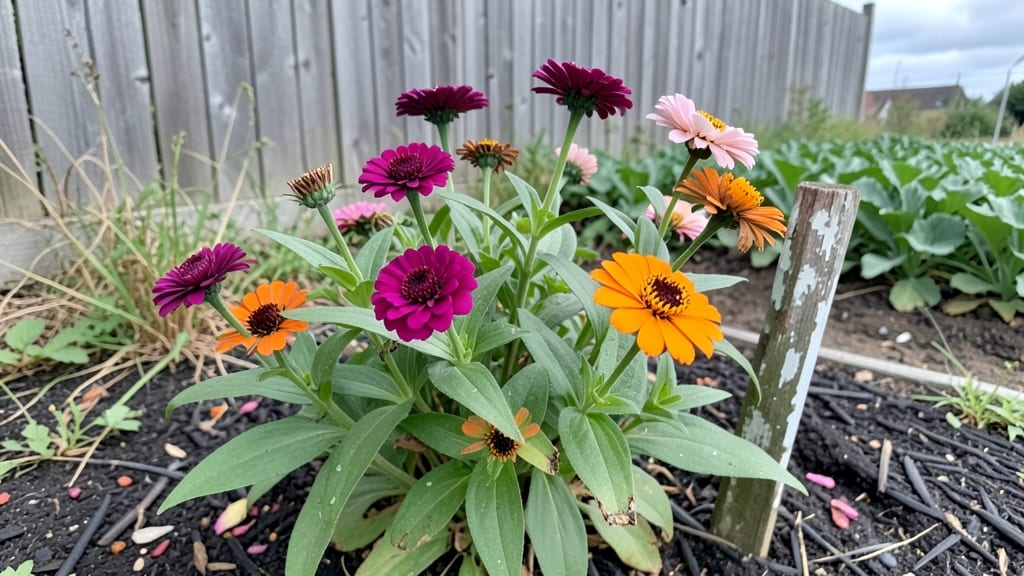
Bright, colorful flowers turn your garden into a buzzing, living tapestry that never stops thrilling. 🌸 I learned this the hard way when my first "winter garden" looked like a sad, brown canvas—until I swapped out dormant plants for hellebores and winter jasmine.
The transformation was instant, and the pollinators never left.
Start with a mix of early bloomers like crocus and pansies to kick off the season, then layer in summer favorites like coneflowers and black-eyed Susans. For fall, add asters and goldenrod, and finish with winter’s quiet stars—camellias and witch hazel.
The key is contrasting textures and heights: velvety lamb’s ear next to spiky salvia, tall delphiniums behind compact marigolds.
You’ll end up with a garden that feels alive year-round, where every visit reveals new colors and shapes. Butterflies hover over lavender, bees dive into sunflowers, and hummingbirds dart between penstemon and bee balm. The air hums with activity, and your space becomes the neighborhood’s secret sanctuary.
Works for any yard size, from city balconies to country acreage. The only rule? Plant what makes you happy—because vibrant gardens start with joy, not just color. Let’s bring it to life!
📚 In This Guide
- What you need
- Instructions
- Tips and common mistakes
- Wrapping up and next steps
What you need
- ● Bright, colorful flower seeds or plants: Native perennials (e.g., Coneflower, Black-Eyed Susan, Bee Balm) – 10–20 plants
- ● Annuals for quick color (e.g., Marigolds, Zinnias, Petunias) – 5–10 plants
- ● Evergreen options (e.g., Heather, Winter Aconite, Hellebores) – 3–5 plants
- ● High-quality potting soil or garden soil: 5–10 cubic feet (amended with compost for nutrients)
- ● Organic fertilizer: Slow-release granular (10–20 lbs) or liquid (1–2 gallons)
- ● Watering can or hose with a gentle spray nozzle
- ● Gloves & knee pads (for comfort)
- ● Pruners or shears (sharp, clean pair for trimming)
- ● Mulch: Wood chips or straw (2–3 inches) to retain moisture
- ● Pollinator-friendly additives: Bee hotels, butterfly puddling stations
- ● Color-coordinated garden markers (for a polished look!)
- ● Drip irrigation system (for low-maintenance watering)
- ● Seasonal blooms: Extra cold-hardy or heat-tolerant varieties
Step-by-Step guide to designing a pollinator-friendly flower garden
Here's how to create a vibrant, buzzing garden that thrives year-round with minimal fuss.
🌱 Step 1: Select a Diverse Flower Palette for Continuous Bloom
Choose flowers that offer nectar and pollen year-round by mixing early, mid, and late-season bloomers. I start with 4-6 varieties that cover spring through fall, then add evergreen plants like hellebores or winter jasmine for winter interest. For example, pair purple coneflowers (summer) with black-eyed Susans (late summer) and salvia (spring/fall).
Prioritize native species—they've evolved alongside local pollinators and require less maintenance. Check your USDA hardiness zone to ensure selections thrive in your climate. I always include at least 3 colors per season to attract different pollinators (bees prefer blues/purples, butterflies love reds/oranges).
☀️ Step 2: Position for Sunlight and Shelter
Most pollinator flowers need 6+ hours of direct sun daily, but placement matters beyond light. I position taller plants (like bee balm) at the north or west side of the bed to avoid shading shorter varieties. For 4 plants, allocate 3-4 square feet per plant—this prevents overcrowding and makes maintenance easier.
Add windbreaks if your garden gets gusty; I use ornamental grasses on the perimeter to soften breezes while providing extra habitat. Place a small water source (like a shallow dish with rocks) within 10-15 feet of the flowers—pollinators need hydration, especially on hot days.
💧 Step 3: Prepare Soil and Plant Strategically
Amend garden soil with 2-3 inches of compost before planting to improve drainage and fertility. I test pH first—most pollinator flowers prefer 6.0-7.0. For containers, use well-draining potting mix (never garden soil) to prevent root rot in pots.
Plant in odd-numbered groupings (3, 5, or 7 plants per variety) for visual appeal and pollinator efficiency. Space perennials 18-24 inches apart and annuals 12-18 inches apart. Water deeply once after planting, then only when the top 2 inches of soil feel dry—overwatering drowns roots and deters pollinators.
✂️ Step 4: Maintain for Year-Round Performance
Deadhead spent blooms weekly to encourage continuous flowering. I use clean, sharp pruners and remove only the faded flowers—not the entire stem—unless the plant looks leggy. For perennials, cut back 1/3 of the foliage in early spring to stimulate new growth.
Apply 2-3 inches of mulch (like shredded bark) around plants to retain moisture and suppress weeds. Refresh mulch annually in early spring. Avoid pesticides—even "organic" sprays can harm pollinators. If pests appear, blast them off with water or introduce beneficial insects like ladybugs.
🪴 Step 5: Extend the Season with Layered Planting
For year-round color, stagger planting times. Sow cool-season annuals (like pansies) in early fall for winter blooms, then replace them with warm-season favorites (like zinnias) in late spring. Perennials like Russian sage naturally extend the season—plant them in clumps of 5 or more for dramatic impact.
Add winter interest with evergreen shrubs (like dwarf boxwood) or ornamental grasses (like little bluestem). These provide structure when other plants dormancy. I also include early spring bloomers (like crocuses) to jumpstart pollinator activity as soon as temperatures rise above 50°F.
Tips & tricks for perfect pollinator gardens
A few simple strategies can transform your garden into a thriving ecosystem that attracts pollinators year-round—and these tips will help you avoid common pitfalls.
Seasonal Layering: The key to continuous bloom lies in layering plants by season. In Step 1, when selecting your 4-6 varieties, include at least one early bloomer (like crocuses), one mid-season star (like salvia), and one late-season performer (like black-eyed Susans). This creates a "bloom calendar" that keeps pollinators fed from spring through fall. I always add evergreens like hellebores for winter interest—they provide structure when other plants rest.
Sunlight Strategy: In Step 2, when positioning your plants, remember that 6+ hours of direct sun is non-negotiable for most pollinator favorites. But here's the trick: place your tallest plants on the north or west side of the bed to prevent shading. I've seen gardens where bee balm completely blocks sun from reaching shorter varieties—don't let that happen to yours. For containers, rotate them every few days to ensure even light exposure.
Soil Science: The 2-3 inches of compost you add in Step 3 isn't just about fertility—it's about creating the perfect habitat. Test your soil's pH first (most pollinator plants prefer 6.0-7.0), then mix in compost to improve drainage. Pro tip: Add a handful of sand or perlite if your native soil is heavy clay—this prevents root rot in containers while still providing excellent drainage.
Maintenance Hack: When deadheading in Step 4, use clean, sharp pruners and cut just above a leaf node to encourage new growth. I've found that weekly deadheading isn't just about looks—it signals plants to produce more flowers, not seeds. For perennials, mark your calendar for early spring when you should cut back 1/3 of the foliage. This might seem drastic, but it stimulates fresh growth and prevents disease buildup from old stems.
Pro Tips for Bright Colorful Flowers
- A few simple strategies can transform your garden into a thriving ecosystem that attracts pollinators year-round—and these tips will help you avoid common pitfalls.
- Seasonal Layering: The key to continuous bloom lies in layering plants by season.
- Sunlight Strategy: In Step 2, when positioning your plants, remember that 6+ hours of direct sun is non-negotiable for most pollinator favorites.
Frequently asked questions
Got questions about bright, colorful flowers and their pollinator-friendly magic? Here are some of the most common ones we hear—and the answers you need to keep your garden buzzing with life!
What are the best bright flowers to attract pollinators year-round?
For year-round pollinator power, focus on native perennials like bee balm, coneflowers, and black-eyed Susans. For cooler months, heather and winter jasmine shine. Mix annuals like marigolds or zinnias for instant color and extra buzz!
When is the best time to plant colorful flowers for pollinators?
Spring (after the last frost) and early fall are ideal for perennials. Annuals can go in anytime the soil is workable—just water deeply! For instant impact, plant seeds in late summer for fall blooms. Pro tip: Succession plant every 6-8 weeks to keep flowers (and pollinators!) happy all season.
Are there budget-friendly ways to grow bright, pollinator-friendly flowers?
Start with seeds (cheaper than transplants) or swap cuttings with gardening friends. Use container gardens (even old buckets!) for small spaces. Opt for native plants—they’re hardy, low-maintenance, and cost less than exotic varieties. DIY mulch from grass clippings or leaves saves money too!
Why aren’t pollinators visiting my bright flowers?
Check these fixes: Pesticides? Skip them—even "natural" sprays can harm bees. Lack of water? A shallow dish with pebbles and water helps. No variety? Plant flowers in clusters (not single stems) and include different shapes (tubular, flat, etc.). Timing? Some pollinators are early or late bloomers—stagger your plants!
Can I grow bright flowers in containers or small spaces?
Yes! Choose compact varieties like pansies, petunias, or dwarf coneflowers. Use deep pots (12"+) for root growth and add succession bloomers (e.g., nasturtiums + calendulas) to extend color. Herbs like lavender double as flowers and pollinator magnets—perfect for balconies!
Wrapping up and next steps
Bright, colorful flowers aren’t just a feast for the eyes—they’re a lifeline for pollinators and a joy year-round! By choosing native, vibrant blooms, you’re creating a thriving ecosystem while adding beauty to your space. Whether you’re a gardening pro or just starting, every petal planted makes a difference.
Ready to take the next step? Start small:
- 🌱 Pick 1-2 pollinator-friendly flowers (like coneflowers or black-eyed Susans) to test your soil and sunlight.
- 📅 Plan your seasonal rotations to keep color blooming from spring to frost!
- 🤝 Share your garden’s success—inspire neighbors to join the pollinator party!