
Planting
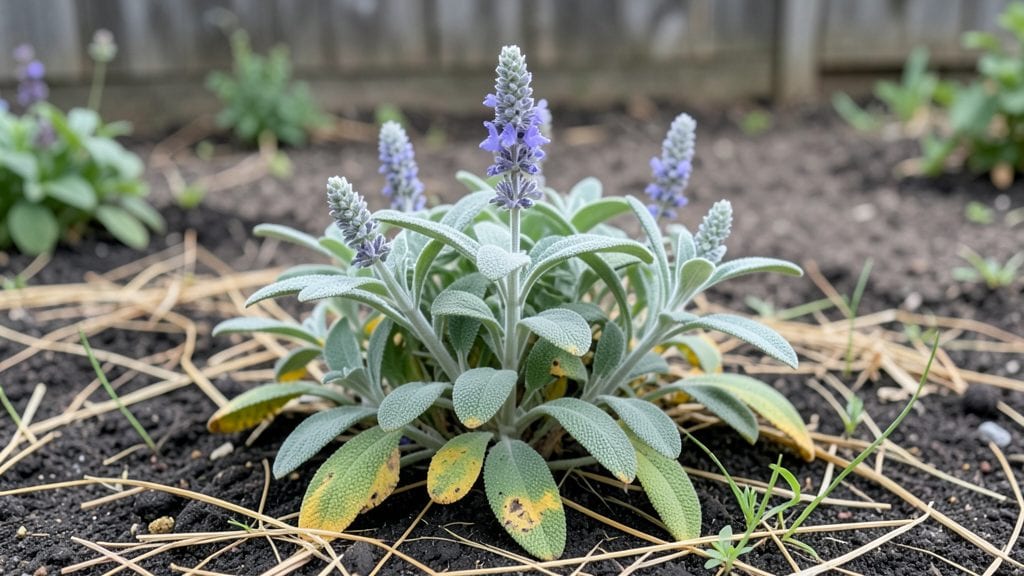
Sage herb plant flowers aren’t just pretty—they’re a pollinator magnet that blooms from spring to frost. 🌿 I’ve grown Salvia officinalis for years, and the secret to those fragrant purple spikes lies in a few simple steps: the right soil, consistent sunlight, and knowing when to prune.
Most gardeners overlook how easy it is to coax both culinary leaves and decorative flowers from the same plant.
The best part? Sage thrives with minimal fuss—it’s drought-tolerant once established, loves full sun, and even handles poor soil better than many herbs. You’ll harvest fresh leaves for cooking while bees and butterflies flock to the flowers.
Varieties like ‘Purpurascens’ add vibrant color, and the scent alone makes it worth growing. Just avoid soggy soil, and you’ll have a year-round display that works as hard as it looks.
By late summer, you’ll be snipping tender leaves for roasted chicken or stuffing while the flowers draw hummingbirds to your yard. The plant stays compact, making it perfect for borders, containers, or even windowsills.
And because it’s perennial in most zones, you’ll get free plants every spring from last year’s growth.
Whether you’re growing it for the kitchen, the garden, or both, sage rewards patience with fragrant abundance. Start with a single plant, and you’ll soon have more than you know what to do with—just like I did after my first successful harvest.
Ready to turn your garden into a pollinator paradise?
📚 In This Guide
- What you need
- Instructions
- Tips and common mistakes
- Wrapping up and next steps
What you need
- ● Sage plants (Salvia spp.): 3–5 healthy nursery starts (e.g., Salvia officinalis for culinary sage or Salvia nemorosa for ornamental blooms)
- ● OR 1–2 packets of organic, non-GMO seeds (for direct sowing or starting indoors)
- ● Well-draining potting mix: 5–10 gallons of a blend with perlite or sand (e.g., 60% garden soil, 30% compost, 10% perlite)
- ● Containers or garden bed: For containers: 5–10 gallon pots with drainage holes (1 plant per 6–8" pot)
- ● For in-ground planting: Full sun spot (6+ hours/day) with loose, rocky soil
- ● Organic fertilizer: Balanced 10-10-10 or low-nitrogen option (e.g., fish emulsion or compost tea)
- ● Basic gardening tools: Trowel or hand shovel
- ○ Gloves (optional but recommended)
- ● Watering can or hose with gentle nozzle
- ○ Optional but helpful: Pruning shears (for shaping or harvesting)
- ● Mulch (straw or pine needles to retain moisture)
- ● Pollinator-friendly companions (e.g., lavender, thyme, or bee balm)
How to grow sage flowers for year-round pollinator appeal
Here's how to transform your sage plants into fragrant, pollinator-magnet powerhouses—no fancy tricks, just smart care.
🌱 Step 1: Choose the Right Sage Variety for Flowers
Not all sage varieties produce showy flowers, so pick 'Berggarten' or 'Purpurascens' for dramatic purple blooms, or 'May Night' for striking blue clusters. I always check the plant tag—some common culinary sage like 'Golden Sage' focuses on leaves, not flowers. Plant your chosen variety in well-draining soil (sage hates soggy roots) and a location with full sun for at least 6 hours daily. The key is spacing: give each plant 2-3 feet of room to spread—crowded sage produces fewer flowers.
If you're starting from seed, sow in early spring after the last frost. Sage seeds need warm soil (60-70°F) to germinate, so I use a heat mat if my spring soil runs cool. Seeds take 2-3 weeks to sprout, so be patient. Once seedlings have 3-4 true leaves, transplant them outdoors, spacing them properly from the start prevents future headaches.
☀️ Step 2: Prune Strategically for More Flowers
Here's the thing—sage flowers appear on new growth, so pruning at the right time makes all the difference. In early spring, cut back one-third of the plant's height to encourage fresh, vigorous shoots. Use clean, sharp pruners and make cuts just above a leaf node (the bump where leaves grow). Avoid cutting into old, woody stems—this stunts flowering. I always wear gloves because sage leaves can be rough on hands, and the oils might irritate skin.
After the first flush of flowers fades (usually in late spring), give your sage a second light pruning to promote a second bloom cycle. Deadhead spent blooms regularly—this redirects the plant's energy into producing more flowers instead of seed pods. Watch for new flower buds forming at the tips of stems; this is your signal that the pruning worked.
💧 Step 3: Water and Feed for Continuous Blooms
Sage is famously drought-tolerant, but overwatering kills it faster than underwatering. Water deeply once a week during dry spells, letting the soil dry out completely between waterings. Stick your finger 1-2 inches into the soil—if it feels dry, it's time to water. Too much moisture causes root rot, and soggy sage turns yellow and drops leaves. I water in the early morning so the foliage dries quickly, preventing fungal issues.
Feed your sage once in early spring with a balanced, slow-release fertilizer (10-10-10 works well). Avoid high-nitrogen fertilizers—they encourage leafy growth at the expense of flowers. I swear by a light application of compost around the base in spring, which adds nutrients without overfeeding. Mulch with 1-2 inches of gravel or pine needles to retain moisture and keep roots cool in summer.
✂️ Step 4: Protect Flowers from Pests and Overwintering
Sage flowers attract pollinators, but they also draw pests like aphids and whiteflies. I spray plants with a soapy water solution (1 tsp mild dish soap per gallon of water) at the first sign of pests. For severe infestations, neem oil works wonders—just apply it in the early evening to avoid harming bees. Healthy sage rarely has pest problems, so strong plants are your best defense.
In fall, cut back the plant by half to tidy it up and encourage fresh growth in spring. Sage is hardy in USDA zones 5-9, but in colder climates, mulch heavily around the base with 3-4 inches of straw or leaves to protect roots from freezing. I've grown sage through winters in zone 5 with no issues—just make sure it's not buried under snow for long periods. In warmer zones, sage thrives year-round with minimal care.
🪴 Step 5: Harvest Flowers for Pollinators and Dried Arrangements
The best time to harvest sage flowers is when 20-30% of the blooms are open—this ensures you get both color and seed for next year's growth. Cut stems in the morning after the dew dries but before the sun gets too hot. Use clean, sharp scissors and cut at a 45-degree angle just above a leaf node to encourage bushier growth. Bundle stems and hang them upside down in a dry, dark place for 1-2 weeks to dry completely.
Once dried, sage flowers make stunning dried arrangements or potpourri. Leave a few spent blooms on the plant, though—they provide winter interest and seed for birds. I always leave 1-2 stems on the plant to reseed naturally. If you want to propagate new plants, collect seeds from dried flower heads and sow them in early spring. Sage grown from seed often produces even more robust flowers than cuttings.
Tips & tricks for growing stunning sage flowers
Transforming your sage plants into pollinator magnets takes a few strategic moves—here's how to maximize those fragrant blooms all year long.
Variety Matters: In Step 1, when selecting your sage variety, don't overlook the 'May Night' cultivar for its striking blue clusters—it's my go-to for pollinator gardens. These varieties need that full sun (at least 6 hours daily), but if your garden gets afternoon shade, consider placing them where they'll get morning sun instead. The key is observing how your plants grow—if flowers fade quickly, they might need more sun than your location provides.
Pruning Precision: When you're doing that early spring pruning in Step 2, focus on cutting just above a leaf node—this is where new growth (and flowers!) will emerge. I've learned the hard way that cutting too close to the stem can leave ugly scars that never heal properly. Also, watch for those new flower buds forming after your second pruning—this is your plant telling you it's ready for another round of blooms.
Watering Wisdom: The once-a-week watering guideline in Step 3 works for most climates, but I've found that morning watering is non-negotiable in humid areas—it gives foliage time to dry completely before evening moisture rolls in. For container-grown sage, you might need to water every 4-5 days since pots dry out faster. And remember, the 1-2 inch soil test is your best friend—if it's dry at that depth, it's time to water.
Harvesting Hack: For Step 5, when harvesting those 20-30% open blooms, I like to work in 10-minute bursts in the morning. This prevents the flowers from wilting in the heat while you're working. Bundle stems in small groups (5-7 stems per bundle) when drying—they'll maintain their shape better than large bundles. And here's a bonus: those dried flowers make incredible potpourri when mixed with lavender and rosemary!
Pro Tips for Sage Herb Plant Flowers
- Transforming your sage plants into pollinator magnets takes a few strategic moves—here's how to maximize those fragrant blooms all year long.
- Variety Matters: In Step 1, when selecting your sage variety, don't overlook the 'May Night' cultivar for its striking blue clusters—it's my go-to for pollinator gardens.
- Pruning Precision: When you're doing that early spring pruning in Step 2, focus on cutting just above a leaf node—this is where new growth (and flowers!) will emerge.
Frequently asked questions
Do sage flowers attract bees and butterflies?
Sage’s neat, purple-blue flower clusters are a magnet for pollinators like bees, butterflies, and hummingbirds. Just avoid pesticides—these tiny helpers need a safe landing spot. For extra buzz, pair sage with lavender or rosemary!
When do sage flowers bloom, and how long do they last?
Most sage varieties bloom in late spring to early summer, with a second flush in fall. Flowers last 2–4 weeks per cluster but keep blooming if you deadhead spent blooms. Pro tip: Prune lightly after flowering to encourage bushier growth next year.
Can I eat sage flowers, or are they just for show?
Yes! Edible sage flowers add a mild, earthy flavor to salads, teas, or garnishes. Just ensure they’re pesticide-free. Warning: Avoid if you’re allergic to sage leaves. Pair with honey or citrus for a fragrant twist.
Why aren’t my sage flowers blooming?
Common culprits:
- Too much nitrogen (focus on phosphorus/potassium for blooms).
- Overcrowding (sage needs space to thrive).
- Poor sunlight (6+ hours of sun daily is key).
- Old plants (rejuvenate by pruning back ⅓ in early spring).
What’s a good alternative if I can’t grow sage?
Try these pollinator-friendly, fragrant bloomers:
- Lavender (drought-tolerant, calming scent).
- Thyme (hardy, edible, and bee-loved).
- Catmint (long-blooming, deer-resistant).
- Russian sage (tough, purple spikes, no pests!).
Wrapping up and next steps
Transforming your garden into a fragrant, pollinator-friendly haven with sage herb plant flowers is easier—and more rewarding—than you think! 🌿 From their delicate blooms to their aromatic leaves, these versatile plants bring beauty, biodiversity, and even culinary benefits to your space.
Whether you're a seasoned gardener or just starting out, now’s the perfect time to plant, nurture, and enjoy the magic of sage.
Ready to take the next step? Start small—pick a sunny spot, gather your supplies, and plant those seeds or seedlings today. Watch as your garden becomes a thriving ecosystem, buzzing with life and filled with the soothing scent of sage. Happy gardening! 🌸