
Flowers
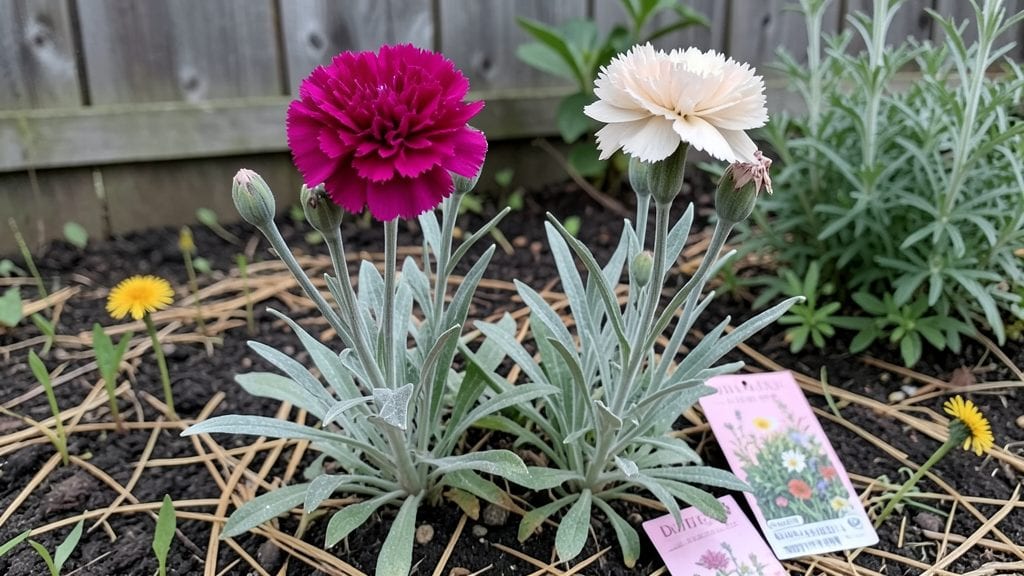
Growing dianthus from seeds in the Pacific Northwest means you can enjoy those frost-resistant blooms even when other flowers give up for the year. 🌿 I’ve grown them in my Zone 7 garden for years, and the key is starting seeds early enough to beat the chill—while still avoiding the damp rot that plagues so many spring plantings.
The secret lies in well-draining soil and a cool greenhouse or cold frame during germination. Most beginners overwater or keep seeds too warm, which stalls growth or invites mold. My first batch failed because I used regular potting mix—now I mix in perlite and coarse sand to keep roots breathing.
Once sprouted, they handle light frosts like champs, blooming from late spring through summer.
By mid-May, you’ll have clusters of pink, purple, or white blooms that hummingbirds adore. The fragrance hits hardest in the morning sun, and the foliage stays tidy with minimal deadheading.
Even my black-thumb neighbor grew a thriving patch last year—once she followed the spacing rules (3–4 inches apart) and avoided soggy soil.
This method works for both garden borders and containers, and the seeds last up to two years if stored dry. Ready to grow dianthus that outlasts the rain? Let’s get those seeds started right.
📚 In This Guide
- What you need
- Instructions
- Tips and common mistakes
- Wrapping up and next steps
What you need
- ● Dianthus flower seeds: Choose frost-resistant varieties like Dianthus barbatus (Sweet William) or Dianthus chinensis. Buy 1–2 packets (50–100 seeds) for a small garden or 3+ packets for larger beds.
- ● Seed-starting mix: 1–2 bags (12–18 qt) of sterile, well-draining potting soil (look for "seed-starting" blends).
- ● Containers: For indoor starts: 4–6-cell seedling trays or small pots (3–4 inches deep).
- ● For direct sowing (outdoors): 1–2 ft² of prepared garden bed with loose, rocky soil (dianthus hates soggy roots!).
- ● Grow lights or sunny windowsill: A LED grow light (12–16 hrs/day) or a south-facing window for seedlings.
- ● Misting bottle or spray nozzle: To keep seeds moist without drowning them.
- ● Plastic wrap or humidity dome: A clear plastic bag or seedling lid to retain warmth and moisture.
- ● Fertilizer: Balanced liquid fertilizer (5-5-5 or 10-10-10) diluted to half-strength for seedlings.
- ● Transplanting tools: Small hand trowel or spoon for moving seedlings.
- ○ Garden gloves (optional but helpful for prickly stems!).
- ● Cold frame or row covers: Frost cloth (3–4 oz/sq yd) to protect seedlings during late frosts (PNW’s last frost is often April–May).
- ● Mulch: Straw or wood chips (2–3 inches) to insulate soil and retain moisture.
- ● Drainage solution: Perlite or coarse sand (1 part to 4 parts soil) for containers to prevent root rot in rainy seasons.
- ● Heating mat: A seedling heat mat (70–75°F) to speed up germination in cool PNW basements.
- ● pH test kit: Dianthus thrives in acidic soil (pH 6.0–7.0)—adjust with lime or sulfur if needed.
- ● Epsom salt: A teaspoon per gallon of water for magnesium boost (especially for container plants).
- ● Decorative rocks or pebbles: For drainage and aesthetics in outdoor containers.
Step-by-step instructions for growing dianthus from seeds
Here’s how I grow hardy, frost-tolerant dianthus from seed—perfect for Pacific Northwest gardens.
🌱 Step 1: Start Seeds Indoors in Early Spring
Sow dianthus seeds indoors 8-10 weeks before your last frost date—typically late February or early March in the PNW. Use small seed trays or biodegradable pots (2-3 inches deep) filled with sterile seed-starting mix. Press seeds lightly into the surface—dianthus seeds need light to germinate, so don’t bury them.
Mist the soil until evenly moist (not soggy) and cover the tray with clear plastic wrap to retain warmth and humidity. Place in a warm spot (65-75°F)—a seedling heat mat speeds things up. You’ll see sprouts in 10-14 days, but germination can take up to 3 weeks if your home runs cooler.
☀️ Step 2: Provide Bright Light and Prevent Leggy Growth
The instant seedlings emerge, move them under grow lights or to a south-facing window where they’ll get 12-14 hours of light daily. Dianthus seedlings stretch toward light if deprived—watch for thin, pale stems with leaves spaced far apart. If this happens, lower the grow light to 2-3 inches above the plants or rotate the tray daily.
Water from the bottom by placing trays in 1 inch of water for 10 minutes, then drain. Keep the soil evenly moist but not waterlogged—dianthus hates soggy roots. After 4-6 weeks, when seedlings have 2-3 sets of true leaves, they’re ready for hardening off.
🪴 Step 3: Harden Off and Transplant Outdoors
Two weeks before your last frost, start hardening off by placing seedlings outside in partial shade for 1-2 hours the first day. Gradually increase exposure over 10-14 days, ending with full sun by day 10. Choose a well-draining spot—dianthus thrives in full sun to partial shade and tolerates light frost once established.
Transplant seedlings 12-18 inches apart in loamy, slightly alkaline soil (pH 6.5-7.5). Dig holes slightly deeper than the root ball and water deeply after planting. Mulch lightly with 1 inch of gravel or coarse sand to improve drainage—this prevents rot in rainy PNW winters.
✂️ Step 4: Maintain for Long-Lasting Blooms
Water deeply once a week (more in summer droughts) and avoid overhead watering—wet foliage invites fungal diseases. Deadhead spent blooms to encourage continuous flowering from early summer through fall. Fertilize lightly with a balanced 10-10-10 formula in early spring and after flowering.
Dianthus is drought-tolerant once established, but in the PNW’s wet winters, ensure good drainage. In Zone 7-9, these perennials return year after year—just trim back in early spring before new growth appears. You’ll get fragrant, long-lasting blooms with minimal effort.
Tips & tricks for perfect dianthus flower growth
Here’s what I’ve learned after growing frost-resistant dianthus for years in the PNW—these tricks make all the difference.
Light Requirements: Dianthus seedlings need those 12-14 hours of light daily to prevent leggy growth, but don’t panic if your windows aren’t sunny enough. I supplement with a simple LED grow light on a timer—just 6-8 hours of artificial light can bridge the gap until natural light increases in spring. Position it 2-3 inches above the seedlings to avoid stretching.
Germination Conditions: The 65-75°F warmth is crucial, but don’t worry if your home runs cooler. Place the seed tray on top of your fridge or near a sunny window during the day. I’ve had great success using a seedling heat mat set to 70°F—it speeds up germination from 3 weeks to just 10-14 days in most homes.
Transplanting Pro Tip: When transplanting outdoors, dig holes slightly deeper than the root ball—this encourages stronger root growth. In the PNW’s wet climate, I always add a handful of perlite or coarse sand to the planting hole to improve drainage, which prevents rot during our rainy winters. The 12-18 inch spacing gives them room to thrive without competing for nutrients.
Soil Preparation: Dianthus loves slightly alkaline soil (pH 6.5-7.5), but don’t stress about testing if you’re in the PNW—most native soils are naturally in this range. For better results, mix in 1 part compost with 2 parts garden soil before planting. This gives them the nutrients they need while maintaining that perfect drainage they crave.
Pro Tips for Dianthus Flower Seeds
- Here’s what I’ve learned after growing frost-resistant dianthus for years in the PNW—these tricks make all the difference.
- Light Requirements: Dianthus seedlings need those 12-14 hours of light daily to prevent leggy growth, but don’t panic if your windows aren’t sunny enough.
- Germination Conditions: The 65-75°F warmth is crucial, but don’t worry if your home runs cooler.
Frequently asked questions
Got questions about growing dianthus flower seeds in the Pacific Northwest? You’re not alone! Here are answers to the most common concerns—from timing to troubleshooting—to help you succeed with these frost-hardy beauties.
When is the best time to plant dianthus seeds in the PNW?
For direct sowing, plant dianthus seeds indoors 6–8 weeks before your last frost date (typically late February to early March in the PNW). Transplant seedlings outdoors after frost risk passes, around April–May. If sowing directly outside, wait until late spring (May–June) when soil is warm (60°F+). Cold soil can delay germination.
Are dianthus seeds truly frost-resistant? Can I plant them in fall?
Mature dianthus plants tolerate light frost once established, but seeds and seedlings are not frost-hardy. Avoid fall sowing in the PNW—wait until spring. If you’re planting bare-root plants in fall, choose hardy varieties like Dianthus barbatus (Sweet William) or Dianthus chinensis, which handle cooler temps better than seedlings.
Why aren’t my dianthus seeds germinating? Troubleshooting tips?
Dianthus seeds need light to germinate—don’t bury them! Sprinkle seeds on soil (just press lightly) and keep them moist but not soggy (use a humidity dome or plastic wrap). Slow germination (2–4 weeks) is normal, but if nothing sprouts after 6 weeks, check for:
- Old seeds: Use seeds <1 year old for best results.
- Temperature issues: Ideal range is 60–70°F; avoid cold drafts.
- Overwatering: Seeds rot in wet conditions.
Can I grow dianthus from seeds instead of buying plants?
While transplants bloom faster (sometimes the first year), growing from seeds saves money and lets you try rare varieties. Pro tip: Start with easy-to-grow types like Dianthus deltoides (Maiden Pink) or Dianthus gratianopolitanus (Cheddar Pink). Expect flowers the second year for seed-grown plants.
What pests or diseases should I watch for in PNW dianthus?
Dianthus are generally pest-resistant, but keep an eye out for:
- Aphids: Spray with water or neem oil if clusters appear.
- Powdery mildew: Improve airflow and avoid overhead watering.
- Slugs/snails: Use beer traps or diatomaceous earth in damp PNW climates.
Wrapping up and next steps
Growing dianthus flower seeds in the Pacific Northwest is a rewarding journey that brings vibrant color and resilience to your garden—even through frost! 🌸 With the right soil prep, timing, and care, you’ll enjoy fragrant blooms that thrive in your region’s unique climate.
Whether you’re a seasoned gardener or just starting, these hardy flowers are a fantastic addition to borders, containers, or pollinator-friendly spaces.
Ready to dive in? Start by ordering your seeds today and sketch out a cozy spot in your garden where they can flourish. Happy planting—your future blooms will thank you! 🌱