Flowers
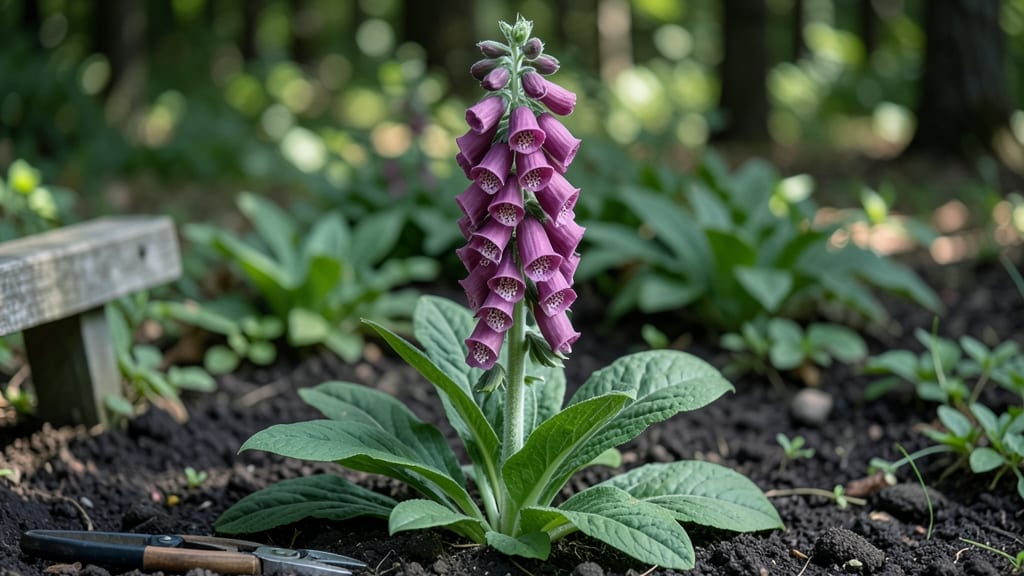
The foxglove flower perennial thrives as a frost-resistant plant in the Pacific Northwest, gifting you those striking bell-shaped blooms year after year—no replanting required. I’ve watched mine push through soggy spring soil and still deliver towering spikes of purple, pink, or white by early summer.
The key is treating it like the hardy survivor it is, not a delicate annual.
Start with well-draining soil (foxglove hates soggy roots) and partial shade—morning sun with afternoon relief works best in our damp climate. Plant seeds or transplants in early spring or fall, spacing them 18 inches apart so they have room to grow into those dramatic 3- to 5-foot stalks.
The real secret? Let the first-year plants focus on roots rather than blooms, and you’ll get stronger stems for bigger flowers next season.
Water consistently but don’t drown them—think “drink from a hose” rather than “standing in a puddle.” A light fertilizer in early spring keeps them happy, and deadheading spent blooms encourages more flowers.
By late summer, you’ll have a forest of foxglove, their velvety bells swaying in the breeze, ready to face another Pacific Northwest winter.
Here’s the thing about foxglove: it’s forgiving but not invincible. Slugs love the young leaves, and overcrowding leads to floppy stems. We’ll cover how to outsmart pests and keep your plants sturdy so they stand tall for years.
Let’s get those seeds in the ground—or those transplants planted—before the next rain.
📚 In This Guide
- What you need
- Instructions
- Tips and common mistakes
- Wrapping up and next steps
What you need
- ● Foxglove plants: Choose Digitalis purpurea (common foxglove) or other cold-hardy varieties. Start with 3–5 mature plants (or 10–20 seeds if sowing from seed).
- ● Well-draining soil: Amend heavy clay soil with 2–3 inches of compost or organic matter (e.g., peat moss, coconut coir).
- ● Partial shade: Ensure a spot with 4–6 hours of morning sun and afternoon shade (critical for PNW’s damp climate).
- ● Mulch: 2–3 inches of wood chips or straw to retain moisture and protect roots from winter chill.
- ● Garden trowel or shovel (for transplanting seedlings).
- ● Gloves (foxglove leaves can irritate skin).
- ● Watering can or hose with a gentle spray nozzle (foxgloves dislike soggy roots).
- ● Pruners (for deadheading spent blooms in late summer).
- ● Slow-release fertilizer (e.g., 10-10-10 or compost tea) for nutrient boosts.
- ● Stakes or rings (if foxgloves flop in windy PNW gardens).
- ● Seed-starting trays (if growing from seed indoors, 6–8 weeks before last frost).
- ● Pest deterrents: Neem oil spray (for aphids) or row covers (if slugs are a problem).
How to plant and maintain foxglove flowers in the Pacific Northwest
This hardy perennial thrives in cool climates and rewards you with dramatic spires of blooms year after year.
Choose the Right Location and Prepare the Soil
Foxglove loves partial shade, especially in hotter inland areas of the Pacific Northwest. Pick a spot that gets morning sun and afternoon shade—this prevents the foliage from scorching while still giving the plants enough light to bloom well. I always test the soil first by digging a small hole and checking moisture levels; foxglove prefers soil that drains well but stays consistently moist.
Amend the soil with 2-3 inches of compost mixed into the top 12 inches of soil. Foxglove tolerates poor soil better than many perennials, but adding organic matter improves root development and bloom strength. If your soil is heavy clay, work in sand or perlite to improve drainage. The goal is loose, fertile soil that holds moisture without becoming waterlogged.
Plant Foxglove Seeds or Transplants at the Right Time
For seeds, sow them indoors 8-10 weeks before your last frost date (typically late March in the PNW). Press seeds lightly into moist seed-starting mix—they need light to germinate, so don’t cover them with soil. Keep the tray in a warm spot (65-75°F) and maintain even moisture. Germination takes 2-4 weeks, so patience is key.
If you’re planting transplants, do it in early spring after the soil warms to 50°F or in early fall for a second bloom cycle. Space plants 18-24 inches apart in rows 2 feet apart to allow for their mature size. Dig holes twice as wide as the root ball and place each plant so the top of the root ball sits just below soil level. This prevents crown rot, a common issue in the damp PNW climate.
Water and Mulch for Consistent Moisture
Foxglove needs consistent moisture, especially during its first growing season. Water deeply once a week (or more often in hot, dry spells) until the soil is 6 inches deep and evenly damp. Avoid overhead watering once the plants are established—water at the base to prevent fungal diseases like powdery mildew, which thrives in the humid PNW summers.
Apply a 2-3 inch layer of mulch (like shredded bark or straw) around each plant, keeping it 2 inches away from the stems. Mulch helps retain soil moisture, suppresses weeds, and regulates soil temperature. Replenish the mulch layer in late winter before new growth appears to protect the roots from freezing and thawing cycles.
Fertilize and Prune for Long-Term Health
Feed foxglove in early spring with a balanced, slow-release fertilizer (like 10-10-10) applied at half the recommended rate. Too much nitrogen leads to lush foliage but fewer blooms. I also side-dress with compost in late summer to replenish nutrients without overloading the soil. Foxglove is a lightweight feeder, so less is often more.
Deadhead spent flower spikes by cutting them back to the first set of healthy leaves after blooming. This encourages a second flush of flowers in late summer and keeps the plant looking tidy. In late fall or early spring, cut back the entire plant to 6 inches tall to remove dead foliage and promote fresh, vigorous growth. This also prevents the plant from becoming top-heavy in winter storms.
Protect and Enjoy Your Foxglove Through the Seasons
Foxglove is frost-hardy and doesn’t need winter protection, but young plants may benefit from a light covering of straw in their first winter. The Pacific Northwest’s mild winters are perfect for foxglove—it often blooms in late spring and again in early fall, giving you two stunning displays each year.
Watch for aphids or slugs, which can damage new growth. Handpick aphids or spray with neem oil if needed, and set out beer traps for slugs. With proper care, your foxglove will multiply over time, creating natural colonies of these striking perennials. Enjoy their tall, bell-shaped blooms and the way they attract hummingbirds to your garden!
Tips & tricks for perfect foxglove planting in the Pacific Northwest
These practical tips will help you grow thriving foxglove that blooms beautifully year after year in the PNW's unique climate.
Soil Preparation Secret: In Step 1, when amending your soil with 2-3 inches of compost, consider adding a handful of bone meal to the mix for young plants. Foxglove benefits from phosphorus for strong root development, and this gives them a good start. I've found that plants established with bone meal produce more robust blooms in their second year. The key is to mix it thoroughly into the top 12 inches of soil where the roots will develop.
Seed Starting Strategy: For the 8-10 week indoor seed starting in Step 2, I recommend using clear plastic domes or plastic wrap to create a mini greenhouse effect over your seed trays. This maintains the ideal 65-75°F temperature while keeping humidity high for those critical first 2-4 weeks of germination. Just remember to remove the cover daily for 10 minutes to prevent mold growth. The PNW's cooler indoor temperatures often make this extra humidity crucial for success.
Planting Depth Tip: When planting transplants in Step 2, the instruction to place the root ball just below soil level is especially important in our damp climate. I've seen too many gardeners plant too deeply, which can cause crown rot. A good trick is to use a pencil to mark the soil level on the pot before planting—this gives you a clear reference point when backfilling.
Watering Wisdom: In Step 3, the once-weekly watering guideline works well for established plants, but young foxglove needs more frequent attention. During their first growing season, water every 3-4 days until you see consistent new growth. The goal is to keep that top 6 inches of soil evenly damp without waterlogging. In the PNW's humid summers, morning watering is best to prevent fungal issues from lingering moisture.
Pro Tips for Foxglove Flower Perennial
- These practical tips will help you grow thriving foxglove that blooms beautifully year after year in the PNW's unique climate.
- Soil Preparation Secret: In Step 1, when amending your soil with 2-3 inches of compost, consider adding a handful of bone meal to the mix for young plants.
- Seed Starting Strategy: For the 8-10 week indoor seed starting in Step 2, I recommend using clear plastic domes or plastic wrap to create a mini greenhouse effect over your seed trays.
Frequently asked questions
Is foxglove really a perennial in the PNW?
Yes! Foxglove (Digitalis purpurea) thrives as a self-seeding perennial in the Pacific Northwest’s mild, moist climate. While it may die back in harsh winters, it often volunteers new plants the following spring. For extra insurance, mulch heavily in winter or choose cold-hardy varieties like Digitalis grandiflora.
When is the best time to plant foxglove?
Plant foxglove in early spring (March–April) or early fall (September–October) for the best results. This gives roots time to establish before summer heat or winter cold. If starting from seed, sow directly in fall—foxglove germinates best in cool soil. Avoid planting in scorching summer!
Why isn’t my foxglove blooming?
Foxglove often skips flowering in its first year (focused on root growth). To encourage blooms:
- Deadhead spent flowers to redirect energy.
- Feed with balanced fertilizer in early spring.
- Avoid overcrowding—space plants 12–18" apart.
- Check light: Partial shade (4–6 hours sun) works best.
If it still refuses, it may be too young or over-fertilized.
Are foxglove flowers toxic to pets or kids?
Yes! All parts of foxglove—flowers, leaves, and seeds—contain cardiac glycosides, which are highly toxic if ingested. Keep it away from pets (especially dogs/cats) and curious children. Wear gloves when handling, and wash hands after pruning. Symptoms include vomiting, irregular heartbeat, or lethargy—contact a vet immediately if exposure occurs.
What can I plant near foxglove for a stunning PNW garden?
Foxglove pairs beautifully with Pacific Northwest-friendly perennials like:
- Astilbe (for feathery texture)
- Heuchera (corals and greens for contrast)
- Lungwort (silvery foliage + spring blooms)
- Bleeding heart (for shade-loving companions)
- Columbine (drought-tolerant and pollinator-friendly)
Avoid planting near aggressive spreaders like mint or bamboo, which can outcompete foxglove.
Wrapping up and next steps
Growing foxglove flower perennials in the Pacific Northwest is a rewarding way to bring dramatic, frost-resistant beauty to your garden! 🌿 With their striking spikes and adaptability to cooler climates, these plants offer both charm and low-maintenance appeal.
Whether you're a seasoned gardener or just starting out, foxgloves are a fantastic choice for adding height, texture, and seasonal interest.
Now that you’re equipped with the know-how, why not take the next step? Plan your planting spots, gather your supplies, and watch your garden transform with these enchanting blooms. Happy gardening—your future foxglove forest awaits! 🌸