Planting
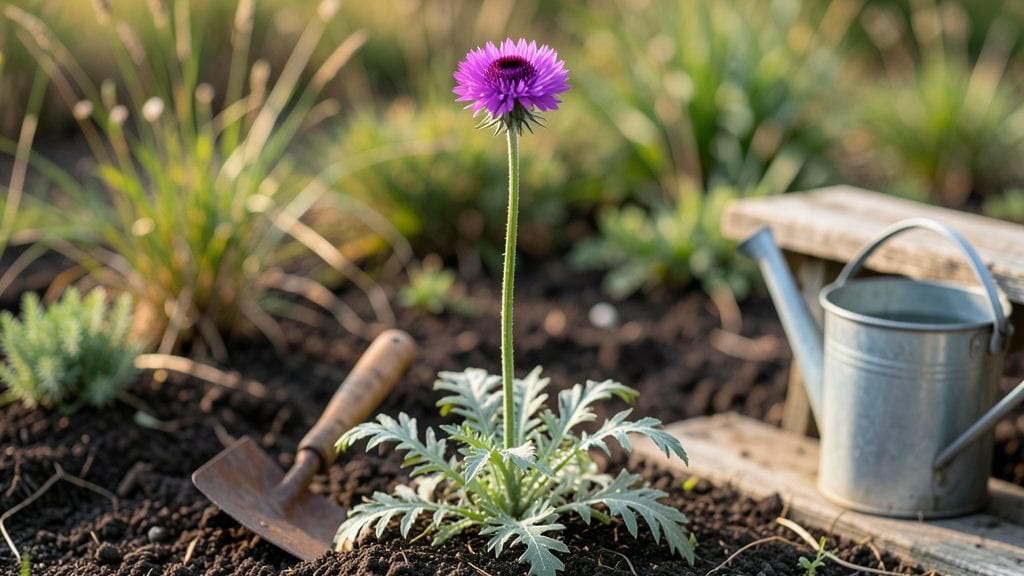
Growing pink cornflowers in the Pacific Northwest means you get bold, frost-resistant blooms that thrive when other annuals wilt. 🌸 Their delicate petals and striking blue-green foliage make them a gardener’s secret weapon—especially when planted alongside lavender or poppies for a cottage-garden feel.
The key? They’re tough enough to handle our rainy springs and cool summers, yet they reward you with weeks of cheerful color.
Start with seeds sown directly in well-drained soil after the last frost, about 1/4 inch deep and spaced 6–12 inches apart. These hardy annuals prefer full sun but tolerate partial shade, making them perfect for borders, wildflower meadows, or even container gardens.
Water lightly until established, then let them go mostly dry—they’ll bloom better if you don’t overwater. Deadhead spent blooms to encourage more flowers all season long.
You’ll end up with a garden that looks like a watercolor painting—soft pink blooms swaying in the breeze, attracting bees and butterflies while keeping pests at bay. They’re also fantastic cut flowers, lasting up to a week in a vase.
Plus, their self-seeding habit means you’ll have new volunteers popping up next year with almost no effort. That’s the magic of pink cornflowers: low-maintenance beauty that just keeps giving.
For best results, plant them in early spring or late summer for fall blooms. They handle light frosts, so you can enjoy their color well into October. Pair them with other drought-tolerant perennials like catmint or Russian sage for a low-water, high-impact garden.
Once you try them, you’ll wonder why you didn’t add them sooner!
📚 In This Guide
- What you need
- Instructions
- Tips and common mistakes
- Wrapping up and next steps
What you need
- ● Pink cornflower seeds: 1 packet (contains ~500 seeds) – ensure they’re fresh (within 1 year of packaging)
- ● Well-draining potting mix: 1 bag (10–15 quarts) – look for a blend labeled for annuals or seeds
- ○ Garden soil (optional for transplanting): 1 cubic yard – amend with compost if your soil is heavy clay
- ● Containers or seed trays: 1–2 shallow trays (1020-cell) OR 4–6 small pots (3–4 inches deep)
- ● Seed-starting soil (if sowing indoors): 1 small bag (5 quarts) – sterilized mix works best
- ● Watering can or spray bottle: 1 – fine mist setting for seeds
- ● Grow lights or sunny windowsill: 1–2 grow lights OR a south-facing window
- ○ Gloves (optional): 1 pair – to protect hands from soil and thorns
- ● Hand trowel: 1 – for transplanting seedlings
- ○ Twine or stakes (optional): 1 roll – to support taller plants in windy PNW gardens
- ● Fertilizer (low-nitrogen): 1 bottle (5-10-10 or 3-4-6 ratio) – dilute to half-strength for seedlings
- ● Mulch (straw or shredded leaves): 1–2 bags – to retain moisture and suppress weeds
- ○ Cold frame or frost cloth (optional): 1 – for extending the growing season in early spring
How to grow stunning pink cornflowers in your Pacific Northwest garden
These cheerful, hardy annuals thrive in our cool, wet climate—here’s how to get them blooming all season long.
🌱 Step 1: Choose the Perfect Planting Location
Pink cornflowers (Centaurea cyanus) love full sun—at least 6 hours daily—so pick a spot that gets morning light and afternoon warmth. In the Pacific Northwest, that means south-facing beds or raised areas where moisture drains quickly. I avoid low spots where water pools after rain, as soggy soil invites rot.
Test your spot by observing how quickly soil dries: after a rain, if the top 2 inches take 24 hours or more to dry, amend with 1-2 inches of compost to improve drainage. The key is well-drained soil—cornflowers won’t tolerate wet feet, even in our damp climate.
🌱 Step 2: Prepare Soil and Plant Seeds Directly
Cornflowers grow best when sown directly in the garden, so skip the trays. Loosen the soil to a depth of 6 inches with a fork or tiller, removing any rocks or debris. Mix in 1 cup of 5-10-5 fertilizer per 10 square feet to give seedlings a nutrient boost without burning tender roots.
Scatter seeds ¼ inch deep, spacing them 12-18 inches apart—they’ll self-seed readily, so don’t crowd them. Lightly cover with soil and water gently with a fine spray. You’ll see sprouts in 10-14 days if temperatures stay above 50°F. Here’s the thing—cornflowers are frost-tolerant, so you can plant them as early as 4 weeks before your last frost date.
☀️ Step 3: Maintain Moisture and Watch for Blooms
Water seedlings 1 inch per week, letting the soil dry slightly between waterings to prevent disease. Once plants reach 6 inches tall, reduce frequency to 1 inch every 10 days—cornflowers are drought-tolerant once established. Mulch with 1 inch of straw to retain moisture and suppress weeds, but keep it 2 inches away from stems to avoid rot.
Deadhead spent blooms by pinching off faded flowers at the base—this encourages more blooms and prevents self-seeding where you don’t want it. You’ll notice new buds forming within 2-3 weeks of deadheading. Cornflowers typically bloom from early summer until frost, making them a Pacific Northwest staple.
✂️ Step 4: Harvest and Preserve Flowers for Long-Lasting Beauty
Cut stems when half the blooms open for the longest vase life. Use sharp pruners to make clean cuts at a 45-degree angle, and place stems immediately in lukewarm water to extend freshness. Cornflower stems last 7-10 days in arrangements—longer if you change the water every 2 days.
For dried flowers, bundle stems and hang upside down in a dark, dry place. After 2-3 weeks, the petals will crisp into delicate paper-like textures perfect for crafts. I like to mix them with other dried blooms for rustic centerpieces that last all winter.
🌿 Step 5: Extend the Season with Succession Planting
For continuous blooms, sow a second batch of seeds 6-8 weeks after the first planting. This works especially well in the Pacific Northwest, where cool summers slow early growth. Choose a shadier spot for the second planting if your primary site gets intense afternoon sun—cornflowers tolerate partial shade in hotter microclimates.
Let some plants go to seed at the end of the season—they’ll self-sow prolifically, giving you free cornflowers next year. If you prefer control, collect seeds by placing a paper bag over mature seed heads and shaking gently. Store them in a cool, dry place until next spring.
Tips & tricks for perfect pink cornflower growth in Pacific Northwest gardens
These simple yet game-changing tips will help you cultivate vibrant, thriving pink cornflowers that defy our region's challenging conditions.
Soil Prep Secret: In Step 1, when testing soil drainage, go beyond the 2-inch test if your garden is particularly soggy. Dig a small hole about 6 inches deep and fill it with water—if it takes more than 24 hours to drain completely, you'll need to create a raised bed or amend with 3-4 inches of compost mixed into the top 12 inches of soil. This extra effort prevents the dreaded "wet feet" that can kill your cornflowers.
Planting Timing Strategy: Don't wait until the last frost date to plant! In Step 2, take advantage of cornflowers' frost tolerance by sowing seeds as early as 6-8 weeks before your last frost date—this gives them a head start in our cool climate. For the Pacific Northwest, that typically means planting in late February or early March. The early birds get the longest bloom time!
Watering Wisdom: When you reach Step 3, resist the urge to water every day. Cornflowers are surprisingly drought-tolerant once established, but those 1 inch per week measurements are critical during the first 4-6 weeks. Use a rain gauge or tuna can to measure—eyeballing often leads to overwatering. In our rainy climate, you might need to adjust to ½ inch per week once plants reach 6 inches tall.
Deadheading Discipline: In Step 3, make deadheading a weekly habit—it's the key to non-stop blooms. I set a timer for every Sunday afternoon to check my cornflowers. When you pinch off spent blooms, look for the first signs of new buds forming at the base within those 2-3 weeks. This consistent care transforms a single bloom into a continuous floral display.
Pro Tips for Pink Cornflower Plant
- These simple yet game-changing tips will help you cultivate vibrant, thriving pink cornflowers that defy our region's challenging conditions.
- Soil Prep Secret: In Step 1, when testing soil drainage, go beyond the 2-inch test if your garden is particularly soggy.
- Planting Timing Strategy: Don't wait until the last frost date to plant!
Frequently asked questions
Got questions about growing pink cornflower plants in your Pacific Northwest garden? You’re not alone! Here are some of the most common queries—and their answers—to help you cultivate these charming blooms with confidence.
How do I tell if my pink cornflower seeds are still viable?
Test viability by placing a few seeds in a damp paper towel for 5–7 days. If they sprout, they’re good to go! Cornflower seeds typically stay viable for 2–3 years if stored in a cool, dry place. For best results, plant fresh seeds in early spring or fall.
Can pink cornflowers survive a hard frost?
These hardy annuals thrive in the Pacific Northwest’s cool climate and can tolerate light frosts. Young seedlings may need protection (like a row cover) until established, but mature plants bounce back beautifully after winter. Just avoid heavy, prolonged freezes.
What’s the best companion plant for pink cornflowers?
Pair them with lavender, marigolds, or yarrow to deter pests naturally. They also play well with salvia, snapdragons, or other sun-loving perennials. Avoid planting near tomatoes or potatoes, as cornflowers may compete for nutrients.
Why aren’t my pink cornflowers blooming?
Check these common culprits:
- Insufficient sunlight: They need 6+ hours of direct sun daily.
- Overcrowding: Thin seedlings to 12–18 inches apart for better airflow.
- Poor soil: Amend with compost if your soil is heavy or nutrient-poor.
- Deadheading delay: Snip spent blooms to encourage more flowers!
Can I grow pink cornflowers in containers?
Yes! Use a 5–7 inch pot with well-draining soil and place it in full sun. Ensure the container has drainage holes to prevent root rot. Dwarf varieties like ‘Little Hobbit’ are ideal for small spaces. Just keep an eye on watering—containers dry out faster!
Pro Tip:
For longer blooms, deadhead regularly and fertilize lightly with a balanced 10-10-10 formula every 4–6 weeks. Pink cornflowers are low-maintenance, but a little TLC goes a long way!
Wrapping up and next steps
The pink cornflower plant is a stunning, low-maintenance addition to Pacific Northwest gardens—its vibrant blooms and frost tolerance make it a winner for both beginners and seasoned gardeners. 🌸 With the right soil, sunlight, and care, you’ll enjoy months of cheerful color while supporting pollinators and adding charm to your outdoor space.
Ready to grow? Start by planting seeds this spring and watch your garden transform! For extra inspiration, explore companion plants or creative container ideas to elevate your blooms. Happy gardening! 🌱