Flowers
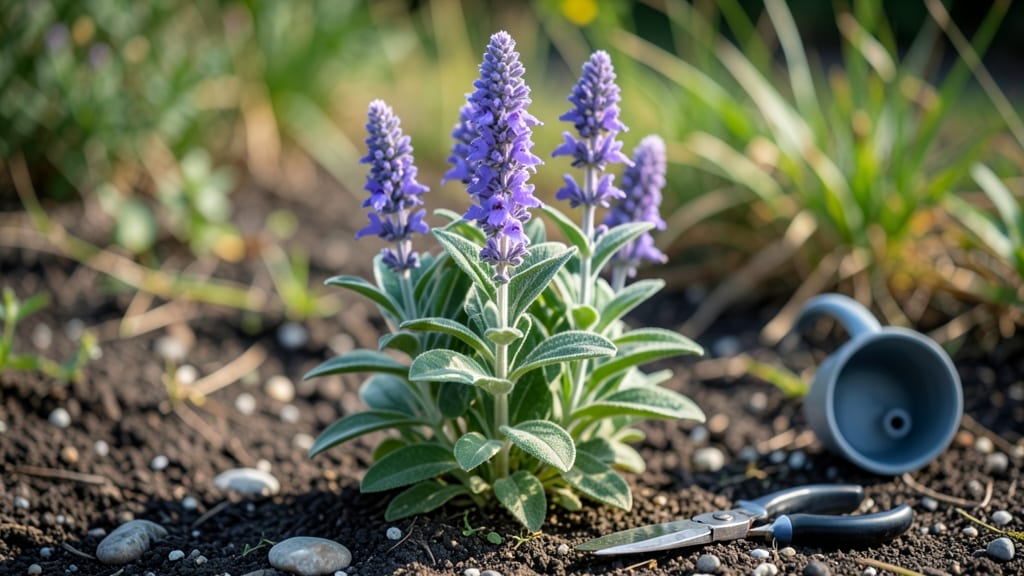
Plants with green foliage and purple flowers are the Pacific Northwest’s secret weapon for year-round color—no frost damage, no fading, just bold contrast that pops against misty skies. 🌿 I’ve designed entire garden beds with just this combo, and the results never disappoint: velvety purple blooms that stand out against deep green leaves, even in winter.
The key is pairing the right varieties—some bloom all season, while others provide winter interest with textured foliage.
Start with coleus for lush, patterned leaves that hold their color through fall, then add salvia or fuchsia for purple blooms that thrive in cool, damp climates. Containers work too—mix petunias with trailing heuchera for a cascading effect that draws the eye.
These plants ask for little beyond consistent moisture and partial shade, making them perfect for busy gardeners who still want drama.
By summer, your garden will burst with jewel-toned blooms that contrast beautifully with silver foliage or evergreen shrubs. The purple flowers draw in pollinators, while the green leaves provide a calming backdrop—ideal for borders, window boxes, or even a single statement pot.
And because these plants handle rain and chill, you’ll enjoy the color long after summer fades.
For extra impact, layer in silver foliage like lamb’s ear or dusty miller to make the purples pop even more. The combinations are endless, but the rule is simple: keep the greens rich and the purples varied—some deep violet, some soft lavender—to create depth.
This is gardening that works hard while looking effortless.
📚 In This Guide
- What you need
- Instructions
- Tips and common mistakes
- Wrapping up and next steps
What you need
- ● Plants: 1–3 Heuchera (Coral Bells) – Choose varieties like ‘Palace Purple’ or ‘Lime Rickey’ for vibrant foliage.
- ● 1–2 Lobelia (e.g., ‘Crystal Palace’ or ‘Purple Dome’) – Adds trailing purple blooms.
- ● 1 Hebe (e.g., ‘Pagei’ or ‘Blue Gem’) – Frost-tolerant with purple flowers.
- ○ Optional: Salvia ‘May Night’ or Penstemon ‘Husker Red’ for extra pop.
- ● Soil: 5–10 gallons of well-draining potting mix (or amend garden soil with peat moss or perlite for aeration).
- ● Compost (1–2 cups per plant) for nutrient-rich soil.
- ● Containers (if not planting in-ground): 3–5 10–12" pots with drainage holes (terracotta or fabric pots work best).
- ○ Optional: Self-watering planters for low-maintenance care.
- ● Basic tools: Trowel or small shovel
- ● Garden gloves (to protect from soil and sharp edges)
- ● Pruning shears (for trimming dead foliage)
- ● Watering can or hose with a gentle spray nozzle
- ○ Optional (but helpful): Mulch (2–3 inches of cedar chips or straw) to retain moisture and suppress weeds.
- ● Slow-release fertilizer (balanced 10-10-10 or organic options like fish emulsion).
- ● pH test kit (ideal range: 5.5–6.5 for most PNW natives).
- ● Location prep: Spot with partial to full shade (most PNW varieties thrive here).
- ● Protect from strong afternoon sun if planting in containers.
How to design a frost-proof Pacific Northwest garden with purple flowers and green foliage
Here's how I create stunning, low-maintenance color contrast that thrives through PNW winters.
🌱 Step 1: Select Cold-Hardy Plants for Year-Round Color
Start with Heuchera (coral bells) for vibrant green, purple, or silver foliage that stays lush even when temperatures dip. Pair it with Lavender ('Munstead' or 'Hidcote') for those signature purple blooms that perfume the air and withstand 20°F without fuss. I always include Salvia nemorosa ('May Night')—its deep purple spikes bloom reliably from early summer through frost.
For ground cover, Ajuga reptans (bugleweed) delivers glossy green leaves with purple flower spikes that emerge in spring. These plants all thrive in USDA Zones 5-9, making them perfect for the Pacific Northwest's unpredictable climate. Check your microclimate—shaded spots favor Heuchera, while full sun suits Salvia and Lavender best.
☀️ Step 2: Prepare Soil for Drainage and Nutrient Retention
Amend your native soil with 3 inches of compost and 1 part perlite to improve drainage while retaining moisture. Pacific Northwest soil tends to stay damp, so good aeration prevents root rot in these tender perennials. I spread 1 inch of mulch (cedar chips work beautifully) after planting to insulate roots during winter and suppress weeds.
Test your soil's pH—most of these plants prefer 6.0-7.0. If your soil runs acidic (common in PNW), mix in 1 cup of garden lime per 10 square feet of bed. Work it into the top 6 inches of soil before planting. The key is creating a loose, fertile medium that mimics their natural mountain habitats.
🪴 Step 3: Plant with Strategic Spacing for Winter Interest
Space Heuchera 12-18 inches apart in groups of 3-5 for maximum foliage impact. Their low-growing habit creates a lush carpet that stays attractive even when other plants go dormant. Plant Lavender 18-24 inches apart—they need room to develop their signature mounds and won't tolerate crowding.
Salvia should go 24 inches apart in full sun locations. I always plant them slightly deeper than their nursery pots (about 1 inch lower) to encourage strong root development. The purple flowers will emerge on sturdy stems that hold up through rain and wind—critical for PNW gardens where storms test plant resilience.
⏰ Step 4: Water and Maintain Through Seasonal Changes
Water deeply once a week during the first growing season to establish roots, then taper to every 2 weeks once established. These plants are drought-tolerant once settled, but they appreciate consistent moisture during their first year. I check by pressing my finger 1 inch into the soil—if it feels dry, that's your watering cue.
In late summer, cut back any spent Salvia and Lavender stems to 2 inches above the crown. This encourages fresh growth and prevents disease. Heuchera rarely needs pruning—just remove any dead leaves in early spring. The purple foliage varieties add winter interest when other plants fade, creating that sought-after PNW color contrast.
✂️ Step 5: Prepare for Winter and Encourage Spring Renewal
Leave the mulch in place through winter—it protects roots from freezing and thawing cycles that can damage tender perennials. In early spring, before new growth appears, remove any dead foliage from Heuchera to make room for fresh leaves. The purple stems often persist until late winter, providing color when little else is blooming.
Fertilize lightly in early spring with 5-10-10 at half strength. These plants don't need much—too much nitrogen will encourage leafy growth at the expense of those prized purple flowers. Watch for slugs in spring (they love young Heuchera leaves) and handpick them early in the morning when they're sluggish.
Tips & tricks for perfect Pacific Northwest garden color contrast
A few simple strategies will help you create a garden that stays vibrant through PNW winters—and requires minimal fuss.
Plant Selection Wisdom: In Step 1, when choosing Heuchera varieties, opt for the 'Palace Purple' cultivar for its deep burgundy foliage that turns almost black in winter. This variety pairs beautifully with 'Midnight Heat' Heuchera, which maintains its purple hue year-round. For Lavender, I've found that 'Hidcote' handles our damp winters better than 'Munstead'—it's more compact and less prone to mildew.
Soil Preparation Pro Tip: During Step 2, when amending your soil, consider adding a handful of worm castings to the compost mix. They introduce beneficial microbes that help these plants establish stronger root systems in our wet climate. Also, if your soil is particularly heavy clay (common in PNW), increase the perlite ratio to 1:2 (perlite to soil) for better drainage without compromising moisture retention.
Planting Depth Matters: In Step 3, when planting Salvia, that extra inch deeper isn't just about roots—it also helps anchor the plant against our frequent windstorms. For Ajuga, which often spreads aggressively, consider installing a shallow root barrier (like landscape fabric) around the edges if you want to contain its growth while still enjoying its ground cover benefits.
Winter Interest Strategy: For maximum winter color, plant Heuchera varieties with silver or white foliage ('Silver Scrolls', 'White Lace') alongside the purple varieties. The contrast will be stunning even when other plants are dormant. I also recommend planting Salvia 'May Night' near a south-facing window—its purple spikes will glow beautifully during our short winter daylight hours.
Pro Tips for Green Foliage With Purple Flowers
- A few simple strategies will help you create a garden that stays vibrant through PNW winters—and requires minimal fuss.
- Plant Selection Wisdom: In Step 1, when choosing Heuchera varieties, opt for the 'Palace Purple' cultivar for its deep burgundy foliage that turns almost black in winter.
- Soil Preparation Pro Tip: During Step 2, when amending your soil, consider adding a handful of worm castings to the compost mix.
Frequently asked questions
Got questions about nurturing green foliage with purple flowers in the Pacific Northwest’s chilly climate? You’re not alone! Here are some common queries—and expert answers—to help you grow stunning, frost-resistant plants with ease.
What are the best plants for green foliage with purple flowers that thrive in cold climates?
Top picks for the Pacific Northwest include Heuchera (coral bells), Astilbe, Lobelia, and Violas. These hardy beauties handle frost, shade, and moisture while delivering vibrant purple blooms against lush green leaves. For extra resilience, opt for Heuchera ‘Plum Pudding’ or Astilbe ‘Fanal’—both are cold-hardy down to Zone 3!
How do I protect these plants from early or late frosts?
Most frost-proof varieties handle light freezes, but for extra protection, use frost cloth or mulch (straw or shredded leaves work well). Avoid heavy mulching in winter—it can trap moisture and harm roots. Water plants before a freeze (but avoid soggy soil), and group them with other plants to create a microclimate. Pro tip: Purple flowers often fade in harsh frost, but the foliage stays vibrant!
Can I grow these plants in containers, or do they need garden beds?
Containers are perfect for Heuchera, Lobelia, and Violas. Use well-draining soil mixed with compost, and ensure pots have drainage holes. For winter, move containers to a sheltered spot (like a garage or under an eave) or wrap them in bubble wrap for insulation. Just avoid overcrowding—roots need room to breathe, especially in cold weather.
How do I keep the purple flowers from fading or turning brown?
Fading or browning often signals overwatering, nutrient deficiency, or fungal issues. Ensure soil drains well, and water at the base (not the leaves) to prevent mildew. Feed plants with a balanced fertilizer (like 10-10-10) in early spring and after blooming. If leaves turn brown, it might be salt buildup—rinse the soil lightly with water to flush out excess minerals.
Are there any purple-flowering alternatives if my garden gets too shady?
If your spot is low-light, try Hosta ‘Royal Standard’ (with purple-tinged blooms), Lamium ‘Purple Dragon’, or Brunnera ‘Jack Frost’. These thrive in shade while offering silver-green foliage with soft purple flowers. For containers, Ivy geraniums (like Pelargonium peltatum ‘Mrs. Pollock’) add trailing purple blooms and tolerate partial shade.
Still stumped? Drop your specific plant or location details in the comments—we’re happy to help tailor advice for your PNW garden!
Wrapping up and next steps
Embracing the vibrant green foliage with purple flowers of the Pacific Northwest isn’t just about adding beauty to your garden—it’s about creating a resilient, low-maintenance landscape that thrives year-round.
From Heuchera to Lobelia, these frost-proof plants offer bold contrast and effortless charm, proving that stunning gardens don’t require constant upkeep. 🌿✨
Ready to transform your outdoor space? Start small—pick one or two plants from our list and experiment with placement. Before you know it, your garden will be a lush, purple-and-green masterpiece that turns heads and welcomes wildlife! Happy planting!