Vegetables
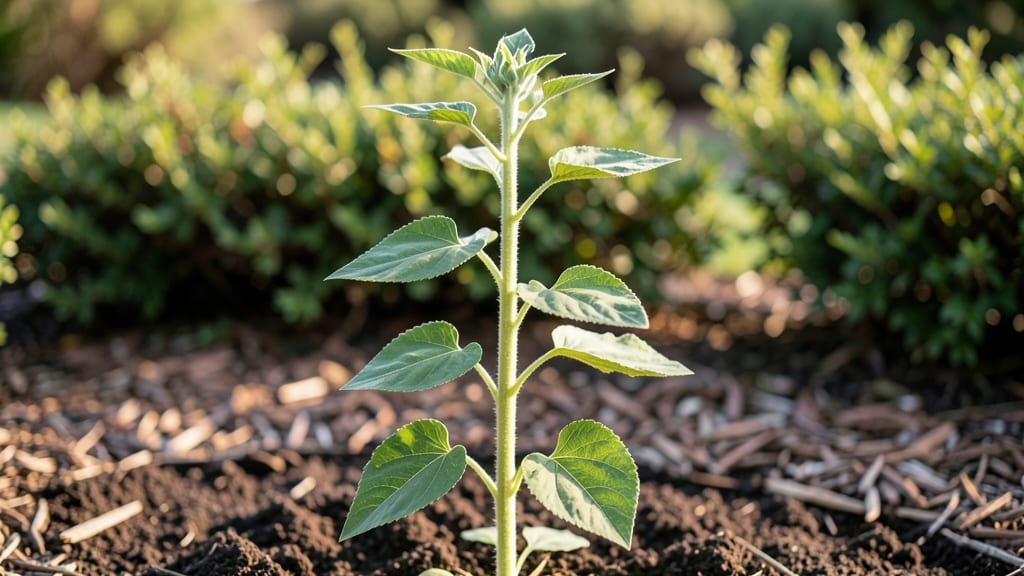
Young sunflower leaves are the secret weapon of my spring garden—tender, nutritious, and ready to harvest in just 2-3 weeks. 🌱 I used to think sunflowers were just for their giant blooms, but their early leaves pack a flavorful punch perfect for salads and smoothies.
The trick is treating them like baby greens, not full-size sunflowers.
Start with loose, well-draining soil and plant seeds ½ inch deep, spacing them 6 inches apart in rows. Sunflowers love full sun but can handle partial shade—just expect slightly slower growth. Water gently to keep the soil moist but not soggy, and watch those first leaves unfurl within days.
The key is harvesting before they get tough, usually when they're 4-6 inches tall.
📚 In This Guide
- What you need
- Instructions
- Tips and common mistakes
- Wrapping up and next steps
What you need
- ● Sunflower seeds: Choose heirloom or hybrid varieties like 'Autumn Beauty' or 'Russian Mammoth' (10–20 seeds for a small harvest). Opt for organic, non-GMO seeds if possible.
- ● Potting soil: A well-draining, nutrient-rich mix (e.g., 50% potting soil + 50% compost). Use 1–2 gallons per plant for containers or till into garden beds.
- ● Containers or garden space: Containers: 5–7 inch deep pots (1–2 plants per container) with drainage holes.
- ● Garden beds: Full sun (6+ hours daily) and loose, fertile soil.
- ● Watering can or spray bottle: For gentle, consistent moisture (avoid soggy soil!).
- ○ Fertilizer (optional but helpful): Balanced liquid fertilizer (e.g., 10-10-10) or compost tea to boost growth.
- ● Fish emulsion or seaweed extract for a nutrient kick (apply every 2–3 weeks).
- ● Hand trowel or small shovel: For transplanting seedlings or loosening soil.
- ● Scissors or pruning shears: To harvest leaves cleanly (sterilize with rubbing alcohol).
- ○ Gloves (optional): Protect your hands from prickly stems or soil.
- ○ Row cover or shade cloth (optional): If growing in hot climates, use 30–50% shade cloth to prevent bolting.
- ○ Grow lights (optional for indoors): A full-spectrum LED (12–16 hours/day) if natural light is limited.
How to grow young sunflower leaves for harvesting
Sunflower leaves are a nutrient-packed, fast-growing green that thrives when treated like a leafy annual.
🌱 Step 1: Select and Prepare Seeds for Fast Germination
Choose a high-oleic sunflower variety like 'Autumn Beauty' or 'Mammoth'—these produce tender, edible leaves. Soak seeds overnight in lukewarm water to soften the outer shell and speed germination. I use a small bowl with 1 inch of water and a mesh bag to keep seeds contained. This ensures they absorb moisture evenly without floating away.
After soaking, plant seeds ½ inch deep in well-draining soil mix (equal parts potting soil and perlite). Space them 12 inches apart in rows 18 inches apart—this gives leaves room to spread without overcrowding. Press soil gently around each seed to create good seed-to-soil contact, which is critical for quick sprouting.
☀️ Step 2: Provide Ideal Light and Temperature for Rapid Growth
Sunflower leaves grow fastest in full sun (6-8 hours daily), but they tolerate partial shade if temperatures exceed 85°F. I place my containers on a south-facing patio where they receive morning sun and afternoon shade in summer. If growing indoors, supplement with a grow light 4-6 inches above the plants for 12-14 hours daily.
Keep soil consistently moist but never soggy—young leaves wilt quickly if dehydrated. Water at the base in the morning so leaves dry before evening, preventing fungal issues. You'll notice first true leaves appear in 7-10 days, signaling it's time to thin seedlings to 1 per every 12 inches.
💧 Step 3: Fertilize and Prune for Continuous Harvest
Feed seedlings with a balanced liquid fertilizer (10-10-10) when they reach 4 inches tall, diluted to half-strength. I apply fertilizer every 2 weeks to encourage lush leaf production without overstimulating stem growth. Avoid high-nitrogen fertilizers—they promote leafy growth at the expense of tender, edible foliage.
Harvest outer leaves when they reach 6-8 inches long, cutting just above a leaf node to encourage branching. This method ensures a steady supply of young, tender leaves for 4-6 weeks before the plant shifts energy to flowering. I harvest in the morning after dew has dried—leaves are crispest then and packed with nutrients.
✂️ Step 4: Extend the Harvest Season Strategically
To prolong leaf production, pinch off flower buds as soon as they appear. This redirects the plant's energy back into foliage growth instead of seed development. I use clean, sharp scissors to snip buds when they're 1-2 inches tall, which keeps the plant focused on leafy growth for 2-3 additional weeks.
For a second harvest, sow new seeds every 2 weeks in succession plantings. This staggered approach ensures a continuous supply of young, tender leaves throughout the growing season. Store harvested leaves in the fridge for up to 5 days or freeze them in ice cube trays for smoothies and soups.
Tips & tricks for perfect sunflower leaf harvesting
Here's what I've learned to turn sunflower leaves from good to exceptional—with minimal effort.
Seed Preparation Secret: When soaking seeds overnight in Step 1, use a mesh bag to prevent them from floating away. I've ruined batches when seeds dried out because they escaped the water. Also, lukewarm water (around 85°F) is ideal—too hot can damage the seed, while cold water slows germination. For fastest results, soak seeds for exactly 12 hours before planting.
Lighting Strategy: The 6-8 hours of full sun in Step 2 is non-negotiable for rapid growth, but here's the trick: if you're in a hot climate, provide afternoon shade during peak sun (after 85°F) to prevent leaf scorch. For indoor growers, position your grow light 4-6 inches above the plants and adjust height as they grow—closer light = faster growth, but too close burns leaves.
Timing is Everything: In Step 3, when harvesting leaves at 6-8 inches long, use clean, sharp scissors to cut just above a leaf node. This encourages branching and more harvests. I harvest in the morning after dew has dried because leaves are crispest then and packed with nutrients. Don't harvest more than 1/3 of the plant at once—this prevents stress and keeps the plant producing for the full 4-6 weeks.
Fertilizer Hack: The 10-10-10 balanced liquid fertilizer in Step 3 works wonders, but here's the pro move: mix it with rainwater (if available) or distilled water to avoid chlorine buildup in your soil. I also dilute it to half-strength and apply it in the morning so leaves dry quickly, preventing fungal issues. Avoid high-nitrogen fertilizers—they make leaves tougher and less tender.
Pro Tips for Sunflower Leaves Young
- Here's what I've learned to turn sunflower leaves from good to exceptional—with minimal effort.
- Seed Preparation Secret: When soaking seeds overnight in Step 1, use a mesh bag to prevent them from floating away. I...
- Lighting Strategy: The 6-8 hours of full sun in Step 2 is non-negotiable for rapid growth, but here's the trick: if y...
Frequently asked questions
Got questions about growing and using young sunflower leaves? You’re not alone! Here are some of the most common queries—plus quick, practical answers to help you get the best results.
Can I eat sunflower leaves straight from the garden?
Young sunflower leaves (Helianthus annuus) are packed with nutrients like vitamin C, magnesium, and antioxidants. Just wash them thoroughly to remove dirt or pesticides, then enjoy raw in salads, blended into smoothies, or lightly sautéed. Harvest leaves before the plant flowers for the mildest, most tender texture.
How long does it take for sunflower leaves to grow enough for harvesting?
Sunflower leaves are fast-growing—you can start harvesting as early as 3–4 weeks after planting! For the best flavor and texture, aim to pick leaves when the plant is 6–12 inches tall. Regular harvesting (every 1–2 weeks) encourages bushier growth and prevents the plant from bolting too quickly.
What’s the best way to harvest sunflower leaves without damaging the plant?
Use clean, sharp scissors or pruning shears to snip leaves from the outer edges of the plant. Avoid cutting into the main stem or lower leaves, as this can stunt growth. Harvest in the morning for the highest nutrient content, and leave at least 3–4 leaves per stem to keep the plant healthy.
Are sunflower leaves a good substitute for spinach or kale?
Yes! Sunflower leaves have a milder, slightly nutty flavor compared to spinach or kale, making them a great addition to salads, stir-fries, or smoothies. They’re also easier to grow and more drought-tolerant. For a heartier texture, pair them with other greens like arugula or Swiss chard.
Why are my sunflower leaves turning yellow or wilted?
Yellowing or wilting leaves usually signal overwatering, underwatering, or nutrient deficiencies. Check the soil moisture—sunflowers prefer well-draining soil and 1–1.5 inches of water per week. Yellow edges may indicate chlorosis (iron deficiency), so add a chelated iron supplement or compost. Pests like aphids can also stress plants—spray with soapy water if needed.
Pro Tip: Boost your harvest!
Pinch off the flower buds when they appear to redirect the plant’s energy into leaf growth. This keeps your sunflower bushy and productive for weeks longer than if you let it bolt. Plus, you’ll get more tender, flavorful leaves for your meals!
Wrapping up and next steps
Sunflower leaves young are a nutrient-packed, fast-growing powerhouse—perfect for adding vibrant greens to your salads, smoothies, or stir-fries! 🌱 Their mild, slightly nutty flavor and high vitamin content make them an easy and exciting way to boost your meals without the fuss.
Whether you're a gardening newbie or a seasoned green thumb, these leaves offer a rewarding harvest in just a few weeks.
Ready to grow your own? Start small with a few plants, experiment with recipes, and watch your kitchen (and garden!) transform. Your next harvest is just a seed away! 🌿