
Shrubs
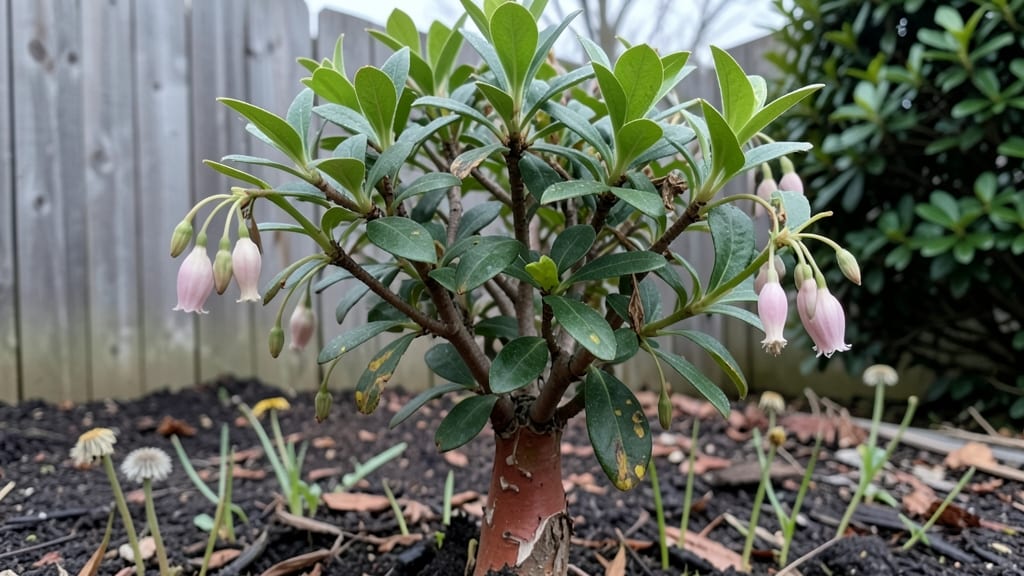
Your Pacific Northwest garden deserves year-round drama, and evergreen shrubs with red flowers deliver it—bold pops of color that cut through winter’s gray like a spotlight. 🌿 I’ve designed landscapes where these shrubs anchor borders, frame entryways, and steal the show as focal points, their deep hues standing out against mossy lawns and evergreen forests.
These cold-hardy stars thrive where others falter: think Pieris japonica with its cascading red blooms, or Skimmia japonica with glossy leaves and fiery clusters. They’re the backbone of low-maintenance hedges, privacy screens, or that one statement plant you can’t ignore.
Pair them with silver foliage or dark conifers for contrast that feels intentional, not accidental.
What you’ll love most is their four-season presence—spring’s vibrant flowers, summer’s lush growth, and winter’s structured silhouette. They turn a blank corner into a conversation starter, and once planted, they demand little beyond occasional pruning.
The secret? Placing them where their color shines brightest, whether that’s near a patio or as a natural border along a driveway.
Perfect for gardeners who want drama without drama—these shrubs do the work while you enjoy the view. Let’s talk placement, pairings, and how to make them the star of your outdoor space.
📚 In This Guide
- What you need
- Instructions
- Tips and common mistakes
- Wrapping up and next steps
What you need
- ● Evergreen shrubs with red flowers: Choose from cold-hardy PNW favorites like Rhododendron, Pieris japonica, Viburnum, or Azalea (3–5 plants for balanced coverage).
- ● High-quality potting soil: 5–10 gallons of acidic, well-draining soil mix (pH 4.5–6.0). Look for blends labeled for rhodo or azalea mixes.
- ● Organic mulch: 2–3 cubic feet of pine bark or cedar chips to retain moisture and regulate soil temperature.
- ● Slow-release fertilizer: A balanced, acidic fertilizer (e.g., 10-10-10 or 8-3-9) with micronutrients like iron and magnesium.
- ● Gardening gloves: 1 pair of durable, waterproof gloves (e.g., nitrile-coated).
- ● Hand trowel or spade: For digging and transplanting. A 5-inch stainless steel trowel works well.
- ● Pruning shears: Bypass pruners (sharp and clean) for shaping and maintenance.
- ● Watering can or hose with nozzle: A gentle spray nozzle to avoid damaging delicate foliage.
- ● Wheelbarrow or bucket: For hauling soil, mulch, or plants (5+ gallon capacity).
- ● Soil pH test kit: To ensure your soil stays in the ideal acidic range (4.5–6.0).
- ● Epsom salt or iron chelate: For foliar feeding if yellowing leaves appear (sign of nutrient deficiency).
- ● Drip irrigation system: For consistent moisture, especially in dry spells.
- ● Plant stakes or labels: To track varieties and support young shrubs if needed.
How to select and plant evergreen shrubs for year-round red flowers in the Pacific Northwest
Here’s how to choose and establish cold-hardy evergreens that deliver vibrant red blooms through every season—no summer dormancy required.
🌿 Step 1: Choose the Right Species for Your Pacific Northwest Climate
The Pacific Northwest’s mild winters and cool summers favor evergreens that thrive in USDA Zones 7-9, with morning sun and afternoon shade to prevent leaf scorch. My top picks for bold red flowers include Pieris japonica (andromeda), Rhododendron varieties like ‘Scarlet Wonder’, and Viburnum suspensum (Japanese snowball’s red-flowered cousin). These species handle 40°F nights without browning and bloom from late winter through spring.
Check your microclimate—sheltered spots near foundations or fences stay 5-10°F warmer than open areas, which matters for marginal zones. If your yard gets frost pockets, opt for Rhododendron ‘Nova Zembla’, which tolerates 20°F without damage. Avoid southern exposures unless you’re in Zone 8+—afternoon sun intensifies evaporation and can stress roots.
☀️ Step 2: Prepare the Planting Site for Acid-Loving Shrubs
Evergreen shrubs with red flowers thrive in acidic soil (pH 4.5-6.0)—test your soil with a kit before planting. If your yard’s soil tests above 6.5, amend with sulfur or peat moss (work 2 pounds per 100 square feet into the top 12 inches of soil). These shrubs also demand well-draining soil—amend heavy clay with 3 inches of organic compost and 1 inch of perlite to prevent root rot.
Dig holes twice as wide as the root ball but no deeper. The top of the root ball should sit 1 inch above ground level—settling soil can bury the stem, causing rot. Water the hole deeply before planting to eliminate air pockets. If your site has compacted soil, loosen the sides of the hole with a garden fork to encourage root spread.
🪴 Step 3: Plant and Mulch for Winter Protection
Gently remove the shrub from its container and tease apart any circled roots (roots growing in a tight ring) with your fingers. Place the plant in the hole, backfill with native soil (not amended mix), and tamp lightly to eliminate gaps. Water immediately to settle the soil—you’ll see 1-2 inches of water absorbed into the hole.
Spread 3 inches of pine bark mulch (not dyed wood chips) over the root zone, keeping it 6 inches away from the stem to prevent moisture buildup. Mulch insulates roots in winter and retains moisture in summer’s dry spells. For Zone 7 gardens, add a 4-inch layer of straw over the mulch in late fall—this extra insulation prevents cold snaps below 20°F from damaging tender new growth.
✂️ Step 4: Water and Fertilize for First-Year Establishment
Water newly planted shrubs twice weekly for the first month, then taper to once weekly once leaves appear. You’ll know moisture is right when the top 2 inches of soil feel damp but not soggy. Overwatering in winter causes root suffocation, while underwatering stresses plants during their first critical growing season. Use a soaker hose to deliver water slowly at the base—avoid overhead sprinklers, which can spread fungal spores.
Apply a slow-release acid-loving plant fertilizer (like Osmocote 14-14-14) in early spring, following label rates. These shrubs are light feeders—too much nitrogen promotes leafy growth at the expense of flowers. In Zone 7, withhold fertilizer until mid-April to avoid encouraging tender growth before the last frost. You’ll see healthier foliage and more abundant blooms in subsequent years if you skip heavy feeding the first season.
🌱 Step 5: Prune for Shape and Encourage Future Blooms
Prune Pieris and Rhododendron immediately after flowering to shape the shrub and remove dead or crossing branches. Use clean, sharp bypass pruners to make cuts at a 45-degree angle just above a bud or leaf node. Avoid heavy pruning—these shrubs bloom on old wood, so aggressive cuts reduce next year’s flowers. For Viburnum, prune in late summer to avoid removing next year’s flower buds.
Watch for leaf spot or powdery mildew—common in Pacific Northwest’s damp summers. Remove infected leaves immediately and apply neem oil spray as a preventive measure. If your shrub’s leaves turn yellow, it’s often a sign of overwatering or poor drainage—adjust your schedule to water only when the top 2 inches of soil are dry. With proper care, these shrubs will reward you with vibrant red blooms for decades.
Tips & tricks for perfect evergreen shrubs with red flowers
A few key strategies will help your cold-hardy evergreens thrive and deliver stunning red blooms all year in the Pacific Northwest.
Species Selection: When choosing between Pieris japonica, Rhododendron varieties, and Viburnum suspensum, consider your specific microclimate. For areas prone to 20°F cold snaps, Rhododendron 'Nova Zembla' is your best bet—it handles those temperatures without damage. If your yard has sheltered spots that stay 5-10°F warmer than open areas, you can expand your options to more delicate varieties that still tolerate 40°F nights.
Soil Preparation: The 2 pounds of sulfur per 100 square feet recommendation for acidic soil is non-negotiable. I learned this the hard way when my first planting struggled—test your soil first! For heavy clay, mix in 3 inches of compost and 1 inch of perlite to improve drainage. This creates the perfect environment for root development and prevents the dreaded root rot that can kill your shrubs before they even bloom.
Planting Technique: That 1-inch elevation for the root ball above ground level is crucial—settling soil can bury stems and cause rot. When loosening compacted soil with a garden fork, aim to create a 12-inch deep zone around the hole. This gives roots room to spread and access nutrients. I also recommend adding a handful of mycorrhizal fungi to the planting hole—this beneficial soil organism helps roots absorb water and nutrients more efficiently.
Winter Protection: The 4-inch layer of straw over mulch for Zone 7 gardens is a game-changer. I've seen shrubs survive 20°F cold snaps with this extra insulation that regular mulch alone can't provide. For containers, move them to a sheltered location or wrap them in burlap and bubble wrap for added protection. This simple step prevents winter burn that can ruin next year's blooms.
Pro Tips for Evergreen Shrubs Red Flowers
- A few key strategies will help your cold-hardy evergreens thrive and deliver stunning red blooms all year in the Pacific Northwest.
- Species Selection: When choosing between Pieris japonica, Rhododendron varieties, and Viburnum suspensum, consider your specific microclimate.
- Soil Preparation: The 2 pounds of sulfur per 100 square feet recommendation for acidic soil is non-negotiable.
Frequently asked questions
Got questions about adding evergreen shrubs with red flowers to your Pacific Northwest garden? You’re not alone! Here are some of the most common concerns—and expert answers to help you grow with confidence.
Can these shrubs survive harsh PNW winters?
Many evergreen shrubs with red flowers, like Pieris japonica or Rhododendron varieties, are bred for cold hardiness (USDA Zones 6–9). Look for labels specifying Zone 7 or lower to ensure they’ll thrive in your region. Mulch heavily in fall to protect roots from freeze-thaw cycles.
When is the best time to plant them?
Plant in early spring or fall for optimal root establishment. Avoid summer heatwaves or winter frosts, which can stress young shrubs. Amend soil with compost and water deeply after planting to reduce transplant shock. Pro tip: Container-grown shrubs can be planted year-round (except winter), but bare-root varieties need dormancy.
How much water do they need?
Most evergreen shrubs with red blooms prefer well-draining soil and consistent moisture, especially the first year. Water 1–2 times per week during dry spells, but avoid soggy roots. Mature shrubs (3+ years old) are drought-tolerant once established. Yellowing leaves? Check soil moisture—overwatering is a common culprit!
Are these shrubs deer-resistant?
Not all! While some, like Rhododendron, are less appealing, others (e.g., Viburnum) may attract deer. Fencing or repellents can help. For extra protection, choose Pieris or Andromeda—their leathery leaves deter browsers better. Bonus: Prune damaged branches in late winter to encourage new growth.
What’s a great alternative if I want more vibrant red flowers?
If you love bold red blooms but need deer-proof options, try:
- Heuchera (coral bells) – Red foliage + white/pink flowers
- Cotoneaster – Drought-tolerant, berries + pink/red blooms
- Skimmia japonica – Fragrant red berries, evergreen
Wrapping up and next steps
Transforming your Pacific Northwest garden into a vibrant, year-round haven is easier than you think! Evergreen shrubs with red flowers bring bold color, resilience, and low-maintenance beauty to even the coldest climates.
From the striking Rhododendron to the hardy Pieris, these plants prove that winter doesn’t have to be dull—just stunning.
Ready to take the next step? Start small: pick one shrub to plant this season, or sketch a layout for a full border. Whether you’re a seasoned gardener or just beginning, these cold-hardy stars will reward you with months of fiery color—and maybe even a few curious hummingbirds! 🌿🔥