Flowers
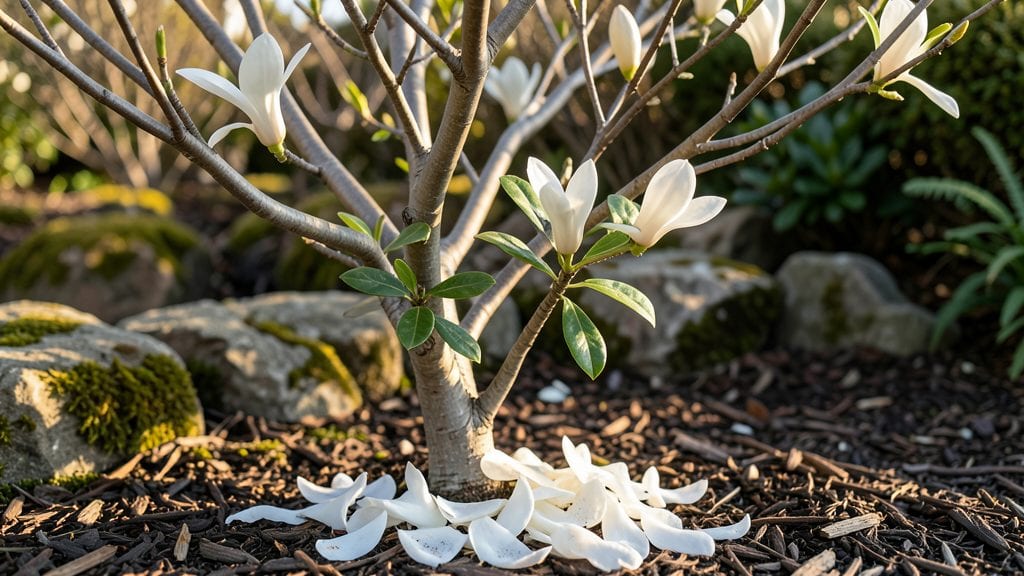
Spring flowers shrubs burst into color just as the Pacific Northwest emerges from winter’s chill—azaleas, rhododendrons, and forsythia transform bare branches into vibrant vertical tapestries that last for weeks.
I still remember the first time I saw my neighbor’s rhododendron explode with magenta blooms in late April, turning their drizzly corner into a postcard-worthy scene. These shrubs aren’t just pretty; they’re the backbone of resilient gardens that handle our region’s late frosts and damp springs without breaking a sweat.
The secret to their success? Planting in well-draining soil with a thick layer of mulch to protect roots, and pruning right after flowering—never in fall when buds form. Most thrive in partial shade, making them perfect for under trees or along north-facing walls where sunburned leaves would otherwise crisp.
My own garden’s forsythia now stretches 12 feet wide, its golden cascades lighting up the yard before anything else blooms.
What you’ll get is a garden that feels like a living watercolor—layers of color from early azaleas to late rhododendrons, with fragrant blooms that attract bees before summer’s pollinators arrive.
These shrubs also play well with others: pair azaleas with hellebores for early shade, or tuck forsythia near camellias for year-round interest. The best part? They’re low-maintenance once established, asking only for occasional pruning and an annual feeding of compost.
Whether you’re starting fresh or refreshing an old garden, these shrubs adapt to zones 6-8 and even handle our region’s infamous May frosts better than annuals. Next, we’ll dive into the exact varieties that thrive here—and how to coax them into their best blooms every spring.
📚 In This Guide
- What you need
- Instructions
- Tips and common mistakes
- Wrapping up and next steps
What you need
- ● Spring flowers shrubs: Choose frost-resistant varieties like Pieris japonica, Rhododendron, Camellia, or Hydrangea. Buy 3–5 mature plants (3–5 ft tall) or seedlings (if starting from scratch).
- ● Potting soil or garden soil: 5–10 gallons of well-draining, acidic soil (pH 4.5–6.0) mixed with compost (1 part compost to 3 parts soil).
- ● Containers or trellises: For containers: 2–5 large pots (12–18 inches in diameter) with drainage holes.
- ● For vertical gardens: 1–2 sturdy trellises, wire cages, or wall-mounted planters (ensure they’re at least 4–6 ft tall and weather-resistant).
- ● Mulch: 2–3 inches of pine bark or cedar chips to retain moisture and regulate temperature.
- ● Garden gloves (1 pair) – Protect your hands from thorns or rough bark.
- ● Hand trowel or transplant spade – For digging small holes (6–8 inches deep).
- ● Pruning shears – To trim dead branches and shape shrubs.
- ● Watering can or hose with a gentle nozzle – 5–10 gallons of water for initial planting.
- ● Measuring tape or ruler – To ensure proper spacing (18–36 inches apart for shrubs).
- ○ Optional: Slow-release fertilizer (balanced 10-10-10 or acidic fertilizer for shrubs).
- ● Peat moss or coconut coir – For improving soil drainage.
- ● Frost cloth – To protect young plants if late frosts are expected.
- ● ✅ Sunlight assessment: Confirm your planting area gets partial shade to full sun (most PNW shrubs thrive in morning sun + afternoon shade).
- ● ✅ Weather check: Wait until after the last frost date (typically mid-April in the PNW) to plant.
- ● ✅ Site prep: Clear debris and loosen soil if planting in the ground.
Step-by-Step guide for planting frost-resistant spring flowering shrubs
Transform your Pacific Northwest garden into a vertical floral masterpiece with these resilient, cold-hardy shrubs.
Select and Prepare the Planting Site
Choose a location with partial shade to full sun—most frost-resistant shrubs thrive in 6+ hours of sunlight but appreciate afternoon shade in hotter microclimates. The Pacific Northwest’s mild winters mean you can plant in late fall or early spring, but I prefer late winter (February-March) to give roots time to establish before summer heat arrives.
Test your soil’s drainage by digging a 12-inch deep hole—if water pools after 30 minutes, amend with 2-3 inches of compost or organic matter to improve aeration. These shrubs hate soggy roots, so raised beds or mounded soil work beautifully for heavy clay areas common in the PNW.
Amend Soil and Dig Planting Holes
Mix equal parts native soil, compost, and perlite (or coarse sand) to create a loose, nutrient-rich blend. For each of your 4 shrubs, dig holes twice as wide as the root ball but no deeper—this encourages outward root growth rather than downward stress. The extra width prevents root circling, a common issue with container-grown plants.
Place each shrub in its hole so the top of the root ball sits 1 inch above ground level. This prevents soil from washing over the crown during heavy PNW rains. Gently backfill with your amended mix, pressing lightly to eliminate air pockets but avoiding compaction.
Water Thoroughly and Mulch Generously
Water each newly planted shrub with 1-2 gallons of water, soaking the root zone completely. You’ll know it’s right when water drains out the bottom of the hole—this ensures roots make immediate contact with moisture. After watering, apply 3-4 inches of mulch (wood chips or bark) around the base, keeping it 6 inches away from the stem to prevent rot.
Mulching now protects roots from late-season frosts while conserving moisture during the PNW’s dry summer months. Replenish mulch annually in early spring—this simple step dramatically reduces watering needs and keeps soil temperatures stable.
Stake and Prune for Vertical Growth
Install 3-4 foot bamboo stakes for each shrub, securing them with soft garden ties to support new growth. Vertical training isn’t just aesthetic—it improves airflow, reducing fungal risks in the damp PNW climate. Prune any dead or crossing branches now, and cut back overly leggy stems by one-third to encourage bushier, more resilient growth.
Here’s the thing—these shrubs are tough, but they reward precision. After pruning, give each plant a light liquid fertilizer (half-strength) to support root establishment. Avoid heavy fertilizers now—they promote tender new growth that won’t survive our unpredictable springs.
Monitor and Adjust for PNW Conditions
Check soil moisture weekly—these shrubs prefer consistently moist but never soggy conditions. In summer, water deeply once a week unless you’ve had 1+ inches of rain. The PNW’s maritime climate means humidity stays high, but container-grown plants or sandy soils may dry faster.
Watch for aphids or spider mites on new growth—both thrive in our mild, damp springs. A strong spray of water usually dislodges them, but for persistent infestations, use neem oil (apply in late afternoon to avoid burning leaves in our bright but cool sunlight). By mid-summer, your vertical shrubs will burst with color, proving that PNW gardening can be both dramatic and low-maintenance.
Tips & tricks for perfectly thriving spring flowering shrubs
These expert insights will help you transform your Pacific Northwest garden into a stunning vertical floral display that survives even the coldest winters.
Soil Drainage Test: In Step 1, when you're testing drainage with that 12-inch deep hole, take it a step further by observing how quickly water disappears. If it takes longer than 30 minutes to drain completely, your soil is too dense. For heavy clay areas common in the PNW, consider creating raised beds or mounded soil to prevent root rot. The goal is to mimic the natural aeration these frost-resistant shrubs evolved to thrive in.
Root Ball Positioning: The 1-inch elevation of the root ball above ground level in Step 2 is critical for preventing crown rot during our famously wet springs. I've seen too many beautiful shrubs ruined by water pooling at the base. Use a small stake or level to ensure perfect positioning for each of your 4 shrubs. This small detail makes all the difference in long-term plant health.
Watering Wisdom: When you're giving each shrub 1-2 gallons of water in Step 3, focus on slow, deep watering rather than quick pours. The water should drain out the bottom of the hole completely—this ensures the entire root zone gets hydrated. In the PNW's maritime climate, this method prevents surface evaporation and keeps moisture where the roots need it most.
Pruning Precision: In Step 4, that one-third reduction of leggy stems might seem drastic, but it's essential for creating a bushier, more resilient plant. Always prune just above a leaf node or outward-facing bud to encourage new growth in the right direction. This technique not only improves airflow but also helps prevent fungal issues that plague our damp climate. Remember, these shrubs are built to last—treat them with the care they deserve.
Pro Tips for Spring Flowers Shrubs
- These expert insights will help you transform your Pacific Northwest garden into a stunning vertical floral display that survives even the coldest winters.
- Soil Drainage Test: In Step 1, when you're testing drainage with that 12-inch deep hole, take it a step further by observing how quickly water disappears.
- Root Ball Positioning: The 1-inch elevation of the root ball above ground level in Step 2 is critical for preventing crown rot during our famously wet springs.
Frequently asked questions
Got questions about adding spring-flowering shrubs to your Pacific Northwest garden? You’re not alone! Here are some of the most common queries—and their answers—to help you get started with confidence.
What are the best frost-resistant shrubs for spring blooms in the PNW?
The Pacific Northwest’s cool, damp climate favors hardy shrubs like Pieris japonica (Andromeda), Rhododendron (Azalea), and Viburnum species. These thrive in zones 6-9 and handle late frosts beautifully. For vertical interest, try Weigela or Spirea—both bloom prolifically and bounce back after winter chills.
When is the ideal time to plant spring-flowering shrubs in the PNW?
Fall (September–October) is the gold standard for planting shrubs—soils are cool, and roots establish before winter. However, early spring (March–April) works too, as long as you water deeply after planting. Avoid late spring/early summer heat, which stresses young shrubs. Pro tip: Mulch heavily to protect roots from frost heaves!
How do I encourage bigger, brighter blooms on my shrubs?
Bloom power depends on three key factors: sunlight (most shrubs need 4–6 hours daily), pruning (trim spent blooms in early summer to promote next year’s flowers), and fertilizer—use a slow-release, acidic formula for rhododendrons or an all-purpose blend for others. Overcrowding? Thin out competing plants to reduce competition for nutrients.
Will late spring frosts damage my shrubs’ flowers?
Many PNW shrubs (like lilacs or Deutzia) are frost-tolerant but may suffer bud blast if frost hits while buds swell. To minimize damage, plant late-blooming varieties (e.g., Rhododendron ‘Catawbiense Grandiflorum’) or use frost cloth on young shrubs. Avoid pruning in late winter—wait until after blooms fade to protect next year’s flowers.
What if my shrub isn’t blooming? Troubleshooting tips?
No flowers? Check these fixes:
- Age: Many shrubs (e.g., Pieris) take 2–3 years to mature and bloom.
- Light: Leggy growth? It’s starving for sun—relocate to a sunnier spot.
- Pruning: Over-pruning removes next year’s buds. Trim only after blooming.
- Soil: Acid-loving shrubs (like azaleas) wilt in alkaline soil. Test pH and amend with peat moss if needed.
Wrapping up and next steps
Transforming your Pacific Northwest garden with spring flowers shrubs is a rewarding way to embrace vertical beauty while defying frost—no green thumb required! 🌸 From hardy hydrangeas to vibrant azaleas, these frost-resistant gems bring color, texture, and life to your outdoor space.
Whether you're a seasoned gardener or just starting, the key is starting small—pick one or two shrubs that thrive in your microclimate and watch your garden flourish.
Ready to take the next step? Sketch a simple layout of your space, research local nurseries for native varieties, and grab your gloves—your spring oasis awaits! 🌿