Flowers
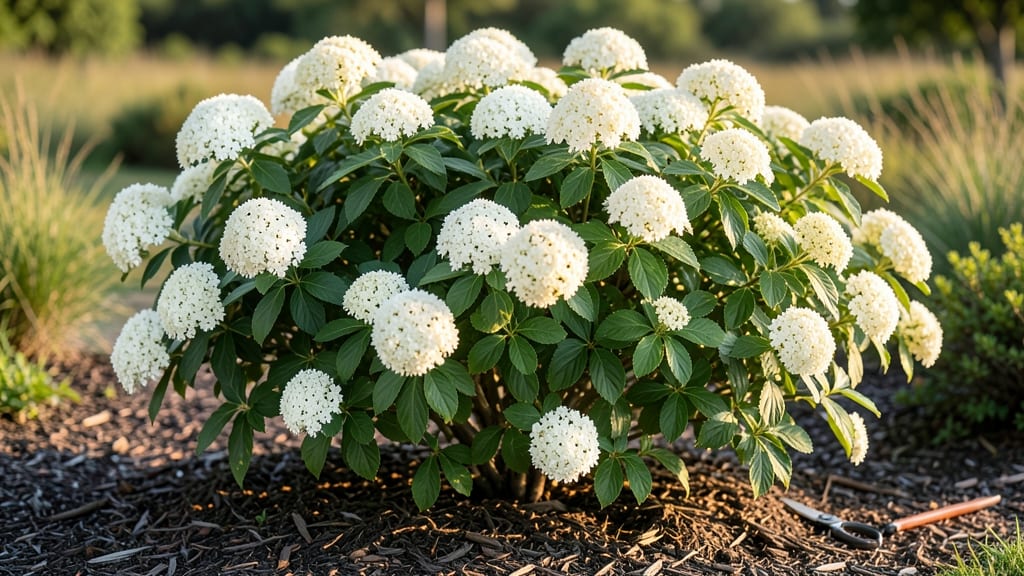
Growing the Japanese snowball flower (Viburnum plicatum) means adding layers of frothy white blooms to your garden that last from late spring through summer. ✨ I planted mine last spring, and by June, the branches were heavy with clusters that looked like snowballs—exactly as the name promises.
This deciduous shrub thrives in zones 5-8, making it a reliable choice for cooler climates where many flowers struggle.
The secret to its success lies in its adaptability: it handles partial shade, tolerates poor soil, and even recovers from winter freezes. Start with well-draining soil mixed with compost, and give it space to spread—these plants can reach 10-15 feet wide and tall.
Varieties like Mariesii produce the classic snowball blooms, while Shasta offers a slightly smaller, more compact form perfect for smaller gardens.
By late summer, you’ll be rewarded with glossy green leaves and clusters of tiny white flowers that turn pinkish as they age. The fragrance is subtle but sweet, drawing bees and butterflies all season.
Prune in early spring to shape the plant and remove dead wood, and you’ll keep it blooming for years with minimal effort.
Whether you’re planting as a standalone specimen or pairing it with other shade-tolerant shrubs, this plant delivers drama without the fuss. Let’s get yours growing!
📚 In This Guide
- What you need
- Instructions
- Tips and common mistakes
- Wrapping up and next steps
What you need
- ● Japanese Snowball Flower: 1–3 nursery-grown plants (3–6 ft tall, mature size 10–15 ft) or
- ● Seeds (if starting from scratch—germination is slow, so patience is key!)
- ● Planting Site: Full sun to partial shade (6+ hours of sunlight daily)
- ● Well-draining, slightly acidic soil (pH 5.0–6.5)
- ● Space: 8–12 ft apart (for mature growth) or 3–5 ft from walls/fences (if training as a climber)
- ● Tools: Trowel or shovel
- ● Garden gloves
- ● Pruners (sterilized)
- ● Mulch (2–3 inches of organic matter like wood chips or shredded bark)
- ● Fertilizer: Balanced, slow-release fertilizer (10-10-10 or 20-20-20, applied in early spring)
- ● Support structure (trellis, arbor, or fence for climbing varieties)
- ● Epsom salt (for magnesium-rich soil, if leaves show yellowing)
- ● Drip irrigation system (for consistent moisture)
- ● Pest control (neem oil or horticultural soap, if aphids or spider mites appear)
- ● Winter protection (burlap wrap or frost cloth for young plants in harsh climates)
Step-by-Step instructions for planting Japanese snowball flower
Here's how to establish this hardy climber for years of effortless, fragrant blooms.
🌱 Step 1: Choose the Perfect Planting Location
Japanese snowball (Viburnum plicatum) thrives in partial shade to full sun, but the key is morning sunlight and afternoon shade—especially in hotter climates. I always plant mine where they'll get 4-6 hours of direct sun but with protection from intense afternoon rays. The ideal spot is near a fence or trellis where vines can climb naturally without support.
Check the soil pH with a simple test kit—this plant prefers slightly acidic to neutral soil (6.0-7.0). If your soil tests higher, amend with 2-3 inches of peat moss mixed into the top 12 inches of soil. The roots spread wide, so don't plant too close to other shrubs—they need 8-10 feet of space to establish properly.
🪴 Step 2: Prepare the Planting Hole and Soil
Dig a hole twice as wide as the root ball but only as deep—never deeper—so the top of the root ball sits 1 inch above ground level. This prevents waterlogging, which can rot the roots. I always loosen the sides of the hole with a shovel to encourage root spread into the surrounding soil.
Mix the excavated soil with 3-4 inches of compost and 1 cup of bone meal (for phosphorus to support root growth). Japanese snowball responds well to organic matter, so don't skimp. Place the plant in the hole, backfill carefully, and water deeply to settle the soil around the roots. Avoid compacting the soil—just firm it gently with your hands.
☀️ Step 3: Provide Support and Initial Care
Install a 5-6 foot tall trellis or fence within 12 inches of the planting hole so the vines can climb immediately. Young stems are flexible but need guidance—tie the main stems loosely to the support with soft plant ties as they grow. Prune any crossing branches early to encourage an open, airy growth habit.
Water deeply 2-3 times per week for the first 4-6 weeks until the roots establish. You'll know it's enough when water drains 6-8 inches deep—stick your finger in the soil to check. Mulch with 2-3 inches of wood chips around the base (but not touching the stem) to retain moisture and regulate soil temperature. This plant is drought-tolerant once established, but young plants need consistent moisture.
✂️ Step 4: Prune for Shape and Encourage Blooms
Prune in late winter or early spring before new growth begins. Remove 1/3 of the oldest wood each year to maintain vigor and shape. I always cut just above a bud or outward-facing branch to encourage bushier growth. Deadhead spent blooms in late summer to promote a second flush of flowers—this plant can bloom twice per season if you keep up with it.
Watch for suckers at the base—these compete with the main plant for nutrients. Remove them immediately with clean pruners. The Japanese snowball's signature snowball-shaped clusters form on new wood, so avoid heavy pruning in fall—you'll sacrifice next year's blooms. A light trim in early summer after the first flush of flowers keeps the plant tidy without harming future blooms.
⏰ Step 5: Winter Care for Frost Resistance
This plant lives up to its name—it's hardy to USDA Zone 3, meaning it handles down to -40°F with ease. The key to winter survival is proper mulching. In late fall, add an extra 4-6 inches of mulch around the base (but not against the stem). This insulates the roots and prevents heaving during freeze-thaw cycles.
Young plants (under 3 years old) benefit from wrapping the crown with burlap if your winters are particularly harsh. Remove the wrap in early spring once new growth appears. The Japanese snowball's dark green leaves will unfurl in late spring, signaling it's ready for the season. If you see brown, crispy leaves in winter, it's just winterkill—new growth will emerge from the base in spring.
Tips & tricks for perfect Japanese snowball flower planting
These pro tips will help you establish your Japanese snowball for years of stunning blooms—and avoid the common pitfalls that trip up new gardeners.
Location Strategy: In Step 1, when choosing your spot, pay attention to microclimates. The 4-6 hours of morning sun is crucial—it kickstarts growth, while afternoon shade prevents stress in hotter climates. I've planted mine near north-facing walls where they get morning light but afternoon relief. If you're in a particularly hot zone, consider a 50% shade cloth for summer afternoons to protect young plants.
Soil Prep Secret: For Step 2, don't just amend the hole—improve the surrounding soil too. Japanese snowballs have wide-spreading roots, so mix 1-2 inches of compost into the top 12 inches of soil around the planting area. This creates a nutrient-rich zone that supports root growth beyond just the initial planting hole. I always use a garden fork to loosen the soil 12 inches deep in a 2-foot radius around where I'll plant.
Watering Wisdom: During the first 4-6 weeks in Step 3, the key is deep watering—not frequent light watering. I use a rain gauge to track 1-1.5 inches of water per week, delivered all at once. This encourages deep root growth rather than shallow surface roots. A soil moisture meter is worth the investment—it helps you avoid both underwatering and overwatering, which can both stress young plants.
Pruning Timeline: In Step 4, mark your calendar for late winter pruning—this is when the plant is still dormant but about to wake up. I always prune just as buds begin to swell, which signals new growth is about to start. For the late summer deadheading, aim for right after the first flush of blooms finishes. This timing gives the plant enough energy to produce a second round of flowers without exhausting itself.
Pro Tips for Japanese Snowball Flower
- These pro tips will help you establish your Japanese snowball for years of stunning blooms—and avoid the common pitfa...
- Location Strategy: In Step 1, when choosing your spot, pay attention to microclimates. The 4-6 hours of morning sun i...
- Soil Prep Secret: For Step 2, don't just amend the hole—improve the surrounding soil too. Japanese snowballs have wid...
Frequently asked questions
Got questions about growing Viburnum plicatum (Japanese snowball flower)?
You’re not alone! Here are answers to the most common queries to help you cultivate this stunning frost-resistant climber with ease.
When is the best time to plant Japanese snowball flowers?
Plant your snowball bush in early spring or fall when the soil is workable but not frozen. This gives roots time to establish before extreme temperatures. Avoid planting in summer heat—young plants may struggle with transplant shock. If you’re in a colder zone, late fall planting is ideal so roots can settle before winter.
How cold-hardy is the Japanese snowball flower?
This beauty thrives in USDA Zones 4–8, making it one of the most frost-resistant shrubs around! It handles temperatures down to -30°F (-34°C) with no issues. Just ensure it’s planted in well-draining soil to prevent winter rot. Bonus: Its late spring blooms often appear before the worst winter weather hits!
Why aren’t my Japanese snowball flowers blooming?
If your snowball bush skips blooms, check these common culprits:
- Age: It takes 3–5 years for mature plants to bloom reliably.
- Pruning timing: Prune right after flowering (never in late summer)—this encourages next year’s buds.
- Sunlight: Ensure it gets full sun to partial shade (6+ hours of light). Too much shade = fewer blooms.
- Fertilizer: Use a balanced, slow-release fertilizer in early spring to support growth.
Still no luck? Your plant might need more phosphorus (the middle number in NPK ratios). Try a bone meal supplement for a bloom boost!
Can I grow Japanese snowball flowers in containers?
Yes! While they’re typically grown as shrubs or small trees, dwarf varieties like Viburnum plicatum ‘Mariesii’ work well in large containers (20+ gallons). Use a well-draining potting mix and repot every 2–3 years to refresh nutrients. Pro tip: Place containers in full sun and water consistently—container-grown plants dry out faster!
Are Japanese snowball flowers prone to pests or diseases?
Generally hardy, but watch for:
- Spider mites (dry conditions): Spray with water or use neem oil.
- Scale insects (sticky leaves): Wipe off with soapy water or apply horticultural oil.
- Powdery mildew (humid climates): Improve airflow and avoid overhead watering.
For prevention, mulch around the base to deter pests and ensure proper drainage. Most issues arise from overwatering or crowded planting, so space shrubs 6–10 feet apart.
Wrapping up and next steps
The Japanese snowball flower (Viburnum plicatum) is a stunning, low-maintenance climber that brings year-round beauty to your garden—whether you’re a seasoned gardener or just starting out. 🌸 With its frost-resistant nature and vibrant blooms, it’s the perfect choice for adding elegance and structure to any outdoor space.
Now that you’re equipped with the know-how, why not take the next step? Plant one this season and enjoy its lush, fragrant displays for years to come. Happy gardening!