
Landscaping
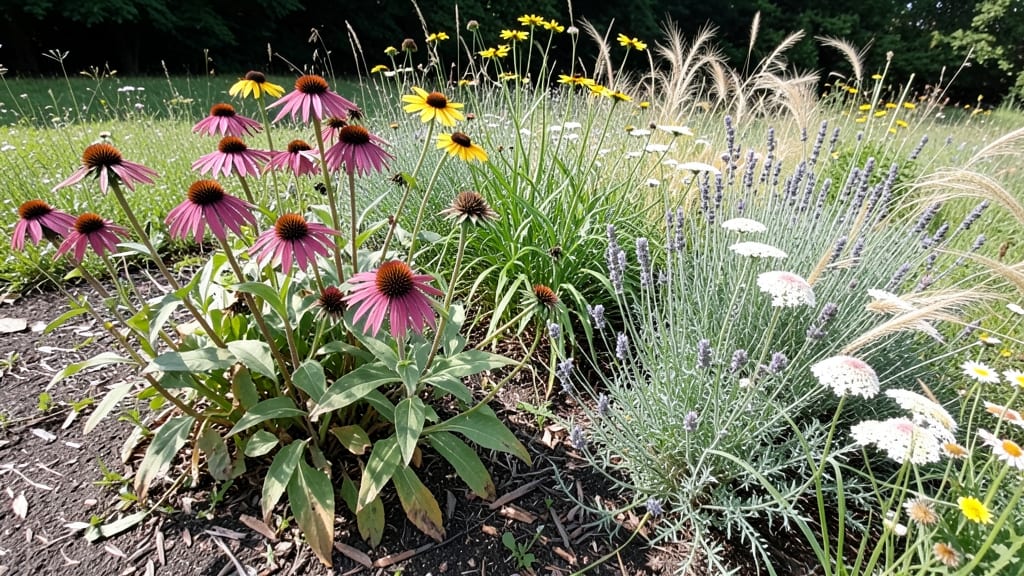
Designing a wildflower garden that blooms from spring through fall isn’t just possible—it’s easier than you think when you start with native plants that thrive together. 🌸 The key is pairing perennials with seasonal layers so no month feels bare, while keeping the ecosystem balanced so you spend less time weeding and more time admiring.
My first attempt used random seeds from a big-box store, and I ended up with a patchy, short-lived mess. This time, I’m sharing the exact approach that keeps my garden vibrant for years with minimal effort.
You’ll need just three core elements: native wildflower seeds suited to your region, a sunny spot with decent drainage, and a light touch with soil prep—no tilling required.
The real magic happens when you group plants by bloom time: early spring bloomers like bluebells, summer stars like black-eyed Susans, and late-season showstoppers like goldenrod. Even in drought years, this system delivers nonstop color because the plants support each other’s growth.
What you end up with is a garden that hums with life—bees, butterflies, and birds all year round—while requiring half the maintenance of a traditional flower bed.
The colors shift naturally from soft purples and whites in spring to bold reds, yellows, and oranges by summer, then fade into warm golds and deep purples as fall arrives. You’ll spend more time enjoying it than fussing over it, and the best part?
Every year it gets even better as the native plants spread and strengthen.
This design works for small urban patches, large rural fields, or anything in between. Whether you’re starting from seed or transplanting young plants, the principles stay the same. Let’s turn that blank space into a living, breathing masterpiece that keeps giving back to the ecosystem—and to you.
📚 In This Guide
- What you need
- Instructions
- Tips and common mistakes
- Wrapping up and next steps
What you need
- ● Wildflower seeds: Choose native wildflower seed mixes suited to your region (e.g., 5–10 lbs for a 100 sq. ft. area).
- ● Include a variety of bloom times for season-long color (spring, summer, fall).
- ○ Soil amendments (optional but helpful): Compost (1–2 inches, spread evenly) to improve soil fertility.
- ● Native soil conditioner (e.g., mycorrhizal fungi) to support root growth.
- ● Tools: Garden rake (for loosening soil).
- ● Broadcast spreader (for even seed distribution).
- ● Hand trowel or hoe (for weeding).
- ● Watering can or hose with a gentle spray nozzle.
- ● Sunlight: Most wildflowers thrive in full sun (6+ hours/day). Test your site first!
- ● Soil prep: Remove weeds and grass (or use solarization for stubborn patches).
- ● Avoid tilling—wildflowers prefer undisturbed soil.
- ● Water access: Ensure a reliable water source for the first 2–3 weeks until seeds germinate.
- ● Local knowledge: Check with native plant nurseries or conservation groups for region-specific tips!
How to design a wildflower garden that blooms all season
Here's the approach I've used to create vibrant, low-maintenance wildflower gardens that support local pollinators and deliver color from spring through fall.
🌱 Step 1: Choose Your Garden Location and Sun Exposure
Wildflowers thrive where they get at least 6 hours of sunlight daily. I always scout the site first—notice where the sun hits strongest in both morning and afternoon. South-facing spots work best for most wildflower mixes, but shade-tolerant varieties like Virginia bluebells or wild columbine can handle 3-4 hours of sun.
Check soil drainage by digging a 6-inch deep hole—if water pools after 30 minutes, you'll need to amend the soil with 2-3 inches of compost or create raised beds. Wet soil leads to root rot, and wildflowers won't tolerate soggy conditions. I mark the area with stakes to visualize the space before planting.
🌿 Step 2: Select Native Wildflower Varieties for Seasonal Color
Native plants are the secret to success—they require less water, resist local pests, and support pollinators. For spring blooms, I choose black-eyed Susans and purple coneflowers; for summer, butterfly weed and goldenrod shine; and asters and sedum keep things lively in fall.
Mix heights for visual interest—tall varieties like Joe Pye weed (up to 5 feet) belong in the back, while shorter bee balm (2-3 feet) goes in the front. I sketch a simple layout to ensure taller flowers don't block sunlight from shorter ones. Proportion matters: aim for 3-5 plants per square foot for a natural look.
☀️ Step 3: Prepare the Soil for Wildflower Success
Wildflowers prefer well-draining soil with minimal fertilizer—too much nitrogen encourages leafy growth over blooms. Loosen the top 4-6 inches of soil with a broadfork or garden fork, breaking up compacted layers. I avoid tilling, which disturbs beneficial soil organisms and can bring weed seeds to the surface.
Spread a 1-inch layer of compost over the area and lightly rake it in. For clay-heavy soil, mix in 1 part sand to 3 parts soil to improve drainage. Test moisture by squeezing a handful—it should hold together but not be sticky. Overwatering is the biggest mistake here; wildflowers thrive on 1 inch of water per week once established.
🪴 Step 4: Plant Wildflower Seeds or Transplants
For seeds, scatter them evenly over the prepared soil—don't bury them too deep. Lightly press them into the soil with a board or your foot to ensure good seed-to-soil contact. I water gently with a sprinkler to avoid displacing seeds, keeping the soil moist (not soggy) until germination. Most wildflower seeds germinate within 2-4 weeks, but some may take up to 6 weeks.
If using transplants, space them 12-18 inches apart to allow room for growth. Dig holes slightly larger than the root ball and water each plant thoroughly after planting. Mulch lightly with 1 inch of straw or pine needles to retain moisture and suppress weeds—but avoid thick mulch, which can smother emerging seedlings.
⏰ Step 5: Maintain Your Wildflower Garden for Long-Term Beauty
Once established, wildflowers need minimal care. Water deeply once a week during dry spells, focusing on new plants until they're 2-3 inches tall. Deadhead spent blooms in early fall to encourage a second flush of flowers, but leave some seed heads for wildlife. I let 10-20% of the garden go to seed annually to support pollinators and natural regeneration.
Mow or trim back growth in late winter or early spring before new shoots emerge. This prevents weeds from taking over and keeps the garden looking tidy. Avoid herbicides—wildflowers are sensitive to chemicals, and you want to protect the ecosystem you've created. With time, your garden will become a self-sustaining pollinator paradise.
Tips & tricks for perfect wildflower garden design
Creating a thriving wildflower garden that blooms all season takes a few strategic approaches that make all the difference between a patchy garden and a vibrant pollinator paradise.
Sunlight Strategy: In Step 1, when assessing sun exposure, remember that morning sun is gentler than afternoon heat—this is especially important for heat-sensitive varieties like wild columbine. I always mark my garden with stakes at both morning and afternoon to visualize how sunlight shifts throughout the day. For partial shade areas, consider adding Virginia bluebells or wild ginger which thrive with just 3-4 hours of filtered light.
Soil Prep Secret: The 6-inch deep hole test in Step 1 is your best indicator of drainage problems. If water pools after 30 minutes, don't just add compost—create raised beds with a mix of 50% native soil, 30% compost, and 20% coarse sand. This layered approach prevents compaction while improving drainage for those critical first few weeks of root establishment.
Seasonal Layering: When planning your layout in Step 2, think vertically—tall Joe Pye weed (up to 5 feet) should anchor the back, while bee balm (2-3 feet) creates a mid-level layer. I sketch my design on graph paper first, using the 3-5 plants per square foot guideline as my baseline. This prevents overcrowding while ensuring continuous blooms from spring through fall.
Germination Timing: The 2-4 week germination window mentioned in Step 4 can feel like forever, but patience pays off. To speed things up slightly, I pre-soak seeds overnight before planting—just place them in a bowl of water for 12 hours before scattering. This doesn't guarantee faster germination, but it does help ensure seeds that are ready to sprout get the moisture boost they need.
Pro Tips for Wildflower Garden Design
- Creating a thriving wildflower garden that blooms all season takes a few strategic approaches that make all the difference between a patchy garden and a vibrant pollinator paradise.
- Sunlight Strategy: In Step 1, when assessing sun exposure, remember that morning sun is gentler than afternoon heat—this is especially important for heat-sensitive varieties like wild columbine.
- Soil Prep Secret: The 6-inch deep hole test in Step 1 is your best indicator of drainage problems.
Frequently asked questions
Got questions about transforming your space into a thriving wildflower garden? Here are answers to the most common ones—so you can dive in with confidence!
What’s the best time of year to plant wildflowers?
For most regions, spring (March–May) or early fall (September–October) are ideal—when soil is warm but not scorching. Cool-season wildflowers (like bluebells) can even be sown in late summer for spring blooms. Pro tip: Check your USDA hardiness zone for local timing tweaks!
How much water do wildflowers really need?
Once established (after 2–3 weeks), wildflowers are drought-tolerant! Water deeply once a week for the first month, then taper to every 2–3 weeks unless your area is in a heatwave. Mulch lightly to retain moisture—no need for daily fussing.
Will wildflowers attract pests like bees or mosquitoes?
Native wildflowers support pollinators (bees, butterflies) but won’t create mosquito hotspots—unlike stagnant water. Avoid planting near standing water, and choose bee-friendly varieties (e.g., coneflowers, milkweed) to boost your garden’s ecosystem!
Can I mix wildflowers with other plants (like perennials or shrubs)?
Wildflowers thrive in layers—pair them with ornamental grasses, shrubs, or perennials for texture. Just ensure they get 6+ hours of sun and avoid overcrowding. Design tip: Group tall flowers (like sunflowers) behind shorter ones for a natural, balanced look.
What do I do if weeds take over my wildflower patch?
Weeds are normal early on! Hand-pull them when soil is moist (don’t use herbicides—wildflowers are sensitive). Preventative tip: Use cardboard or landscape fabric under seeds to suppress weeds until flowers sprout. Patience pays off—wildflowers outcompete weeds as they mature!
Wrapping up and next steps
Creating a wildflower garden design isn’t just about adding beauty—it’s about fostering a thriving, sustainable ecosystem that supports pollinators and local wildlife. 🌸 By choosing native plants, planning for seasonal blooms, and embracing a low-maintenance approach, you’ll craft a space that’s both stunning and ecologically rich.
Whether you’re a beginner or a seasoned gardener, every small step makes a big difference!
Ready to turn your vision into reality? Start by sketching your design, gathering seeds or plants, and diving into your first planting session. The rewards—vibrant colors, buzzing bees, and a sense of connection to nature—are well worth the effort!