
Flowers
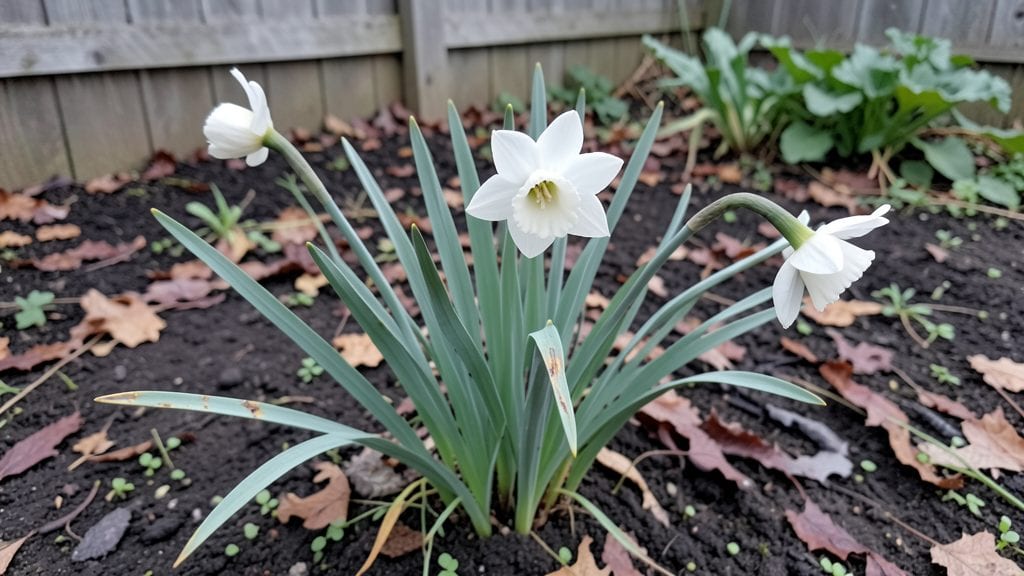
Growing white narcissus flowers means waking up to fragrant trumpet blooms that feel like spring’s secret message. 🌸 These cold-hardy perennials thrive where many flowers falter—my first batch survived a late frost and still bloomed in April.
The key lies in their love for well-draining soil and sunny spots, but don’t let their delicate petals fool you: they’re tougher than they look.
You’ll need just a few things: bulbs (plant them in fall), loose soil mixed with compost, and a spot with 6+ hours of sunlight daily. Water lightly after planting, then let nature handle the rest—overwatering is the fastest way to kill them.
Once established, they multiply yearly, creating clusters of snow-white blooms that perfume the air for weeks.
By summer’s end, you’ll have a garden corner that smells like a meadow and looks like a painter’s palette. The blooms attract pollinators, and the foliage stays lush until fall. Just avoid cutting back the leaves too early—that’s where next year’s flowers hide.
Perfect for borders, cottage gardens, or even containers. Whether you’re a beginner or a seasoned gardener, these narcissus will reward you with low-maintenance beauty and that intoxicating scent. Let’s get those bulbs in the ground!
📚 In This Guide
- What you need
- Instructions
- Tips and common mistakes
- Wrapping up and next steps
What you need
- ● White Narcissus Bulbs: 10–20 bulbs (depending on desired coverage; choose Narcissus papyraceus for cold-hardy, fragrant varieties).
- ● Well-draining soil: Mix of garden soil, compost (20–30%), and perlite/sand (10–15%) for aeration.
- ● Sunlight exposure: Full sun to partial shade (6+ hours of sunlight daily).
- ● Watering can or hose: With a gentle spray nozzle for post-planting hydration.
- ● Mulch: 2–3 inches of organic mulch (e.g., straw or shredded bark) to retain moisture and regulate temperature.
- ● Fertilizer: Balanced, slow-release bulb fertilizer (5-10-10 NPK ratio) or compost tea for organic options.
- ● Garden trowel or bulb planter: For digging holes (6 inches deep, 4–6 inches apart).
- ● Gloves: Heavy-duty gardening gloves to protect hands while handling soil/bulbs.
- ● Rake: For leveling soil and removing debris.
- ● Measuring tape or ruler: To ensure proper spacing between bulbs.
- ● Plant labels: To track varieties and planting dates.
- ● Pest deterrents: Copper tape or diatomaceous earth to prevent slugs/snails.
- ● Garden twine or stakes: For supporting taller stems if needed (though narcissus are generally self-sufficient).
- ● Soil pH tester: Ideal pH range for narcissus is 6.0–7.0; adjust with lime or sulfur if necessary.
Step-by-Step guide to planting white narcissus flowers
Here's how to grow these elegant, fragrant perennials that naturalize beautifully in your garden.
🌱 Step 1: Choose the Right Location and Prepare the Soil
White narcissus thrives in full sun to partial shade, with at least 6 hours of sunlight daily. I always pick a spot where they'll get morning sun and afternoon shade—this prevents the bulbs from overheating while still getting enough light to bloom. The soil should drain exceptionally well; narcissus roots rot quickly in soggy conditions.
Test your soil by digging a 6-inch deep hole. If water pools after 10 minutes, amend with 2-3 inches of coarse sand or perlite mixed into the top 12 inches of soil. White narcissus prefers slightly acidic to neutral soil (pH 6.0-7.0). If your soil is heavy clay, work in 2-3 inches of compost to improve texture and fertility without making it too rich.
🪴 Step 2: Plant Bulbs at the Correct Depth and Spacing
Plant white narcissus bulbs in fall, 6-8 weeks before the ground freezes. The rule of thumb is to bury them at a depth equal to 3 times the bulb's height. For most white narcissus varieties, that’s about 6 inches deep. Dig holes with a hand trowel, spacing them 4-6 inches apart in rows 12 inches apart.
Place one bulb in each hole with the pointed end facing up. If you're unsure which end is up, the roots will naturally grow downward. Cover with soil and water gently to settle it around the bulb. Don’t fertilize at planting—wait until spring when you see new shoots emerging. This gives the bulb time to establish roots without competing with rapid top growth.
☀️ Step 3: Provide Consistent Care for Healthy Growth
Water moderately after planting, keeping the soil evenly moist but not soggy until the ground freezes. In spring, resume watering when shoots appear, aiming for 1 inch of water weekly. You'll know you're doing it right when the leaves stay green and firm—not yellow or mushy. Mulch with 2-3 inches of straw or shredded leaves after the ground thaws to protect roots from temperature swings.
Feed white narcissus in early spring with a balanced bulb fertilizer (10-10-10) or a slow-release granular fertilizer. Scatter the granules around the base of the plant and water deeply to activate them. Avoid high-nitrogen fertilizers—they encourage leafy growth at the expense of blooms. Cut back faded flowers but leave the leaves until they turn yellow naturally. This ensures the bulb stores energy for next year's blooms.
✂️ Step 4: Divide and Maintain for Long-Term Beauty
White narcissus multiplies over time, so divide clumps every 3-4 years in late summer after blooming. Dig up the entire clump and separate the bulbs, discarding any that are soft or shriveled. Replant the healthiest bulbs immediately at the same depth. This prevents overcrowding, which leads to fewer, smaller flowers.
Watch for narcissus fly larvae, which tunnel into bulbs and cause brown, mushy spots. If you see small black flies around the plants, treat the area with neem oil or insecticidal soap as a preventive measure. In cold climates, add 2-3 inches of mulch in late fall to protect bulbs from freeze-thaw cycles that can damage them.
Tips & tricks for perfect white narcissus planting
Growing these elegant perennials successfully comes down to a few key tricks that make all the difference.
Soil Test Tip: Before planting, I always do a quick soil test using a simple pH kit from the garden center. White narcissus prefers that neutral range (6.0-7.0), and adjusting your soil now saves headaches later. If your soil tests too acidic, sprinkle in some lime—just a handful spread over the planting area works wonders. The 10-minute water test in Step 1 is your best friend for checking drainage. If water disappears quickly, you're golden! If it pools, amend before you plant.
Planting Depth Secret: That 6-inch depth guideline in Step 2 is perfect for most varieties, but here's what nobody tells you—the pointed end should always face up, even if you're not sure which is which. Nature has a way of correcting orientation, but starting with the right end up gives your bulbs a head start. For extra insurance, plant a few bulbs with the pointed end down—they'll still grow, but you might notice slightly smaller blooms.
Watering Wisdom: The "evenly moist but not soggy" rule in Step 3 is critical, especially in spring when shoots emerge. I like to use a rain gauge to measure that 1 inch weekly—it's easier than guessing. The moment you see those first green tips, that's your cue to start watering consistently. And here's a pro move: water at the base of the plant rather than overhead. This prevents fungal diseases that can ruin your blooms before they even open.
Fertilizer Timing: Waiting until early spring to fertilize, as mentioned in Step 3, gives your bulbs time to establish roots without competing with top growth. But here's my extra tip: if you notice your plants are particularly vigorous, you can give them a second light feeding in late summer after blooming. Just use half the recommended amount of that 10-10-10 fertilizer—too much nitrogen at this stage can actually reduce next year's blooms.
Pro Tips for White Narcissus Flower
- Growing these elegant perennials successfully comes down to a few key tricks that make all the difference.
- Soil Test Tip: Before planting, I always do a quick soil test using a simple pH kit from the garden center.
- Planting Depth Secret: That 6-inch depth guideline in Step 2 is perfect for most varieties, but here's what nobody tells you—the pointed end should always face up, even if you're not sure which is which.
Frequently asked questions
Got questions about growing white narcissus flowers? Here are some of the most common ones—plus expert answers to help you cultivate these stunning blooms with confidence!
When is the best time to plant white narcissus bulbs?
The ideal planting window is fall (6–8 weeks before the ground freezes) or early spring (as soon as soil is workable). For cold climates (Zones 3–7), fall planting ensures roots establish before winter. In warmer zones, spring planting works too—just water deeply after planting to encourage root growth.
How do I care for white narcissus flowers in winter?
White narcissus are cold-hardy (surviving down to -20°F/-29°C), but mulch bulbs with 2–3 inches of straw or leaves after foliage dies back in summer. Avoid cutting back leaves too early—they feed the bulb for next year! In extreme winters, a light frost cover (like burlap) can offer extra protection.
Why aren’t my white narcissus blooming?
Common culprits include too much shade (they need full sun to 6 hours of light), overcrowded bulbs (dig and divide every 3–4 years), or poor drainage. Ensure bulbs get well-draining soil and aren’t planted too deep (6 inches max). If blooms appear but fade quickly, they may need more water during the growing season.
Can I grow white narcissus in containers?
Plant 2–3 bulbs per 5-inch pot with fast-draining soil (add perlite or sand). Use containers with drainage holes and place them in full sun. Container-grown narcissus may bloom slightly later than in-ground plants but still thrive. Just remember to fertilize lightly in spring and overwinter bulbs indoors in freezing climates.
What’s the difference between white narcissus and daffodils?
All white narcissus are daffodils (genus Narcissus), but not all daffodils are white! White narcissus varieties like ‘Thalia’ or ‘Ice Follies’ stand out for their pure blooms and fragrant trumpets. True daffodils (e.g., Narcissus pseudonarcissus) often have yellow or bi-colored flowers. Check the flower shape (trumpet vs. cup-shaped) to tell them apart!
Do white narcissus attract pests or diseases?
They’re generally pest-resistant, but squirrels and deer may dig up bulbs—use wire mesh or plant in containers to deter them. Watch for narcissus fly (maggots in bulbs) or gray mold in wet conditions. Improve airflow, avoid overhead watering, and remove spent blooms to prevent issues. Most problems stem from overwatering, so let soil dry slightly between waterings.
Wrapping up and next steps
The white narcissus flower isn’t just a stunning addition to your garden—it’s a resilient, fragrant perennial that rewards patience with breathtaking blooms. Whether you’re a seasoned gardener or just starting, its cold-hardy nature and low-maintenance charm make it a perfect choice for any outdoor space.
Ready to transform your garden? Start by selecting the right variety, preparing your soil, and planting with confidence—your future blooms will thank you!
Next step: Grab your gardening gloves and dive into planting—your white narcissus dream garden is just a few steps away! 🌱✨