
Flowers
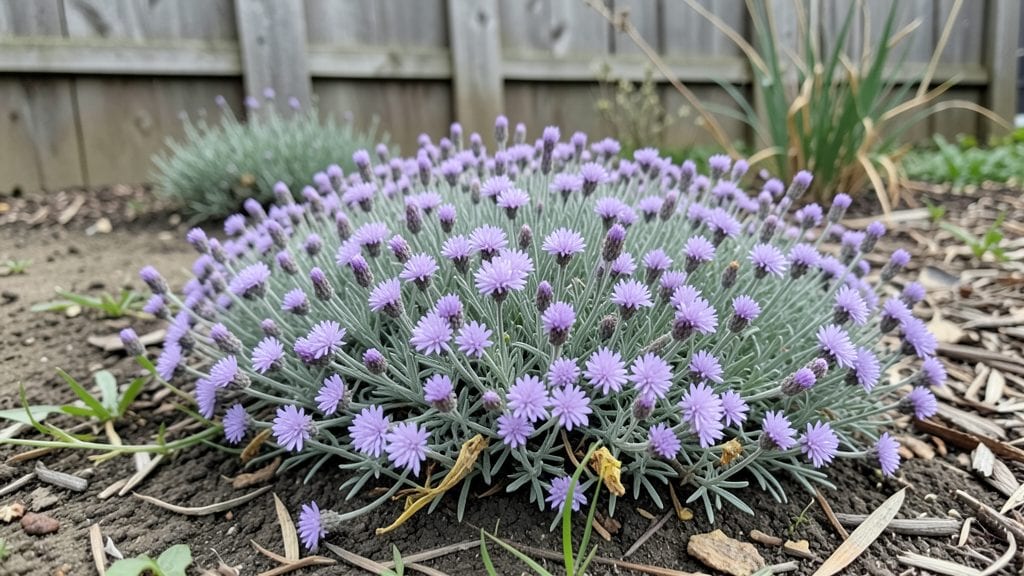
The purple candytuft flower (Iberis sempervirens) brings a cloud of delicate, frosty blooms that dance in the breeze—perfect for cottage gardens and rockeries. I fell in love with its resilience after my first winter: it stayed frost-proof while other perennials wilted.
The secret lies in its hardy nature and adaptability, making it a foolproof choice for both beginners and seasoned gardeners.
This plant thrives in well-draining soil and full sun to partial shade, though it tolerates poor soil better than many flowers. Once established, it needs minimal watering—just enough to keep the roots from drying out.
The key to its long-lasting blooms? Pruning spent flowers in early summer to encourage a second flush of color by fall.
Imagine a border bursting with lavender-purple clusters that attract pollinators while repelling pests like slugs. Pair it with thyme or lavender for a fragrant, low-maintenance display. By midsummer, you’ll have a neighbor-jealousy garden feature that keeps blooming until frost.
Whether you’re filling gaps in a rock garden or adding height to a cottage-style border, purple candytuft delivers effortless charm. Let’s get yours planted—it’s easier than you think!
📚 In This Guide
- What you need
- Instructions
- Tips and common mistakes
- Wrapping up and next steps
What you need
- ● Purple candytuft plants: 3–5 nursery-grown plants (for a full, low-maintenance border)
- ● OR seeds (sow indoors 6–8 weeks before last frost)
- ● Well-draining soil: pH 6.0–7.5 (slightly acidic to neutral)
- ● Amend with perlite or coarse sand (1 part to 2 parts soil) for sandy or clay-heavy soils
- ● Sunlight access: Full sun (6+ hours daily) for optimal blooms
- ● Watering can or hose: With a gentle spray nozzle (avoid soaking the foliage)
- ● Gardening gloves (to protect hands from prickly stems)
- ● Trowel or hand shovel (for transplanting or dividing clumps)
- ● Pruning shears (sterilized with rubbing alcohol for clean cuts)
- ○ Mulch (optional): 2–3 inches of gravel or pine bark (to retain moisture and deter weeds)
- ○ Fertilizer (optional): Balanced 10-10-10 or slow-release granular fertilizer (apply in early spring)
- ● 📅 Best planting time: Early spring (after last frost) or fall (for cooler climates)
- ● ❄️ Hardiness: USDA Zones 3–9 (tolerates light frost but may need winter mulch in Zone 3)
- ● 🚫 Avoid: Heavy, waterlogged soils (roots rot easily!)
Step-by-Step guide to growing purple candytuft flowers
Here's how to cultivate these resilient, frost-tolerant blooms that thrive from spring to fall.
Select the Ideal Planting Location and Prepare Soil
Purple candytuft (Iberis sempervirens) thrives in full sun to partial shade, with at least 6 hours of direct sunlight daily. Choose a spot that receives morning sun and afternoon shade in hotter climates to prevent leaf scorch. The soil should be well-draining, as candytuft despises soggy roots—a common issue in heavy clay or poorly amended garden beds.
Before planting, amend the soil with a 2-3 inch layer of compost to improve drainage and fertility. Candytuft tolerates poor soil but blooms more prolifically in slightly alkaline conditions (pH 6.0-7.5). Test your soil and add crushed limestone if needed—this plant rewards proper soil prep with longer bloom times.
Plant at the Correct Depth and Spacing
Transplant bare-root candytuft in early spring or fall, spacing plants 12-18 inches apart in rows 18-24 inches apart for optimal airflow. Dig a hole twice as wide as the root ball but only as deep—planting too deep suffocates the crown and invites rot. Gently tease out any circling roots to encourage outward growth.
Water deeply immediately after planting to settle the soil around roots, but avoid overwatering. The first few weeks are critical—keep the soil evenly moist but never waterlogged. You'll know the roots are establishing when new growth appears within 3-4 weeks. Mulch lightly with 1 inch of gravel or coarse sand to prevent soil compaction and retain moisture.
Provide Minimal Care for Long-Lasting Blooms
Purple candytuft is drought-tolerant once established, but consistent moisture during flowering (1 inch per week) produces the densest clusters. Fertilize lightly in early spring with a balanced 10-10-10 fertilizer at half strength—too much nitrogen promotes leafy growth over blooms. Deadhead spent flowers by pinching them off at the base to encourage continuous blooming from spring through summer.
This plant's frost resistance is legendary—it often blooms through light frosts (28-32°F) and recovers fully. In winter, reduce watering to prevent root rot, but avoid heavy mulch layers that trap moisture. You'll recognize healthy plants by their compact, mounded growth and sweetly fragrant clusters that attract pollinators.
Divide and Propagate Every 3-4 Years
Candytuft forms dense clumps that benefit from division every 3-4 years to maintain vigor. Dig up the entire plant in early spring or fall, then separate the clumps with a sharp knife, ensuring each section has 3-5 stems. Replant divisions immediately in prepared soil, watering deeply to reduce transplant shock.
For propagation, take 3-4 inch stem cuttings in early summer, dipping the base in rooting hormone before planting in a mix of perlite and peat moss. Keep the cuttings in a shaded, humid environment until roots form (4-6 weeks). You'll know they've rooted when new growth appears—transplant to the garden once established.
Prevent Common Pests and Diseases
Candytuft is generally pest-resistant, but aphids may appear on new growth. Blast them off with a strong stream of water or treat with neem oil if infestations persist. Fungal diseases like powdery mildew can occur in humid conditions—improve airflow by spacing plants properly and avoid overhead watering.
Watch for leaf yellowing, which often signals overwatering or poor drainage. If the soil stays soggy for more than 48 hours, amend with organic matter to improve structure. Healthy candytuft should have glossy, deep green leaves and compact growth habit—any deviation from this indicates environmental stress.
Tips & tricks for perfect purple candytuft flower cultivation
These insider tips will help you transform your garden into a thriving purple candytuft paradise with minimal effort.
Soil Prep Secret: The 2-3 inch compost layer in Step 1 is your foundation for success. For heavy clay soils, mix in 20-30% coarse sand to create that perfect well-draining environment candytuft craves. I've found that adding a handful of perlite to the planting hole itself prevents compaction around the roots during the critical first 3-4 weeks when establishment happens.
Planting Depth Technique: When planting in Step 2, use your finger to make a small depression in the soil—this helps you gauge the exact planting depth without burying the crown. I've learned the hard way that even a half-inch too deep can suffocate your plant. The root ball should sit just above the surrounding soil level, with no visible soil pack around the base.
Frost-Resistance Hack: Candytuft's ability to bloom through 28-32°F temperatures is legendary, but you can push those limits further. In colder climates, I recommend applying a light layer of straw mulch (just 1-2 inches) around the base before the first frost. This extra insulation lets the plants handle down to 25°F without damage—just remove it once spring arrives.
Division Timing Insight: The 3-4 year division schedule in Step 4 works perfectly, but there's a pro trick: divide in early spring when new growth first appears, not fall. Spring divisions establish roots during the growing season, giving you full bloom potential the following year. Fall divisions often struggle to root before winter sets in.
Pro Tips for Purple Candytuft Flower
- These insider tips will help you transform your garden into a thriving purple candytuft paradise with minimal effort.
- Soil Prep Secret: The 2-3 inch compost layer in Step 1 is your foundation for success.
- Planting Depth Technique: When planting in Step 2, use your finger to make a small depression in the soil—this helps you gauge the exact planting depth without burying the crown.
Frequently asked questions
Got questions about growing purple candytuft flowers? You’re not alone! Here are some of the most common queries—plus quick, practical answers to help you cultivate these frost-hardy beauties with confidence.
How do I keep purple candytuft looking lush all season?
Purple candytuft thrives with well-draining soil and full sun to partial shade. After the first flush of blooms, trim spent flowers by one-third to encourage bushier growth. Deadheading also prevents self-seeding if you prefer controlled spread. Water deeply but infrequently—these drought-tolerant plants hate soggy roots!
When is the best time to plant purple candytuft?
Plant purple candytuft in early spring or fall for optimal root establishment. If using transplants, avoid extreme heat (like mid-summer). For seeds, sow directly in late winter or early spring—they germinate best in cool soil. Pro tip: Mulch lightly after planting to retain moisture and protect from temperature swings.
Can purple candytuft survive frost or cold winters?
This hardy annual (or short-lived perennial in mild climates) tolerates light frosts and thrives in USDA zones 3–9. In colder regions, a thin layer of mulch (like straw) can shield roots from harsh freezes. If growing as an annual, replant seeds each spring for continuous color.
What are some great companion plants for purple candytuft?
Pair purple candytuft with low-growing perennials like ajuga, creeping thyme, or ornamental grasses to create a textured border. It also complements salvias, lavender, or coreopsis for a cottage-garden vibe. Avoid planting near aggressive spreaders (like mint) that’ll outcompete its delicate foliage.
Why are my purple candytuft leaves turning yellow?
Yellowing leaves usually signal overwatering or poor drainage. Let soil dry between waterings, and amend heavy clay with sand or perlite. If yellowing appears with brown edges, it could be salt buildup from tap water—try rainwater or distilled H₂O. Pests like aphids can also cause stress; blast them off with water or use neem oil.
Are there purple candytuft alternatives for hot climates?
If your area bakes in summer, try ‘Purple Lace’ candytuft (heat-tolerant varieties) or switch to dusty miller, statice, or purple fountain grass for similar texture and color. Sweet alyssum (white/purple) is another low-maintenance, heat-friendly annual with a sweet fragrance.
Wrapping up and next steps
Ready to welcome the charming purple candytuft flower into your garden? 🌸 These frost-proof beauties are a low-maintenance, high-reward addition that will bring joy for months—and even years!
With the right location, soil, and care, you’ll enjoy their delicate blooms well into fall, creating a stunning, long-lasting display. Now’s the perfect time to roll up your sleeves and get planting!
🌱 Next Steps:
- Pick a sunny spot and prep your soil—your candytuft will thank you!
- Start with cuttings or seeds (whichever suits your style best).
- Watch those blooms pop in just a few weeks and enjoy your hard work!