
Flowers
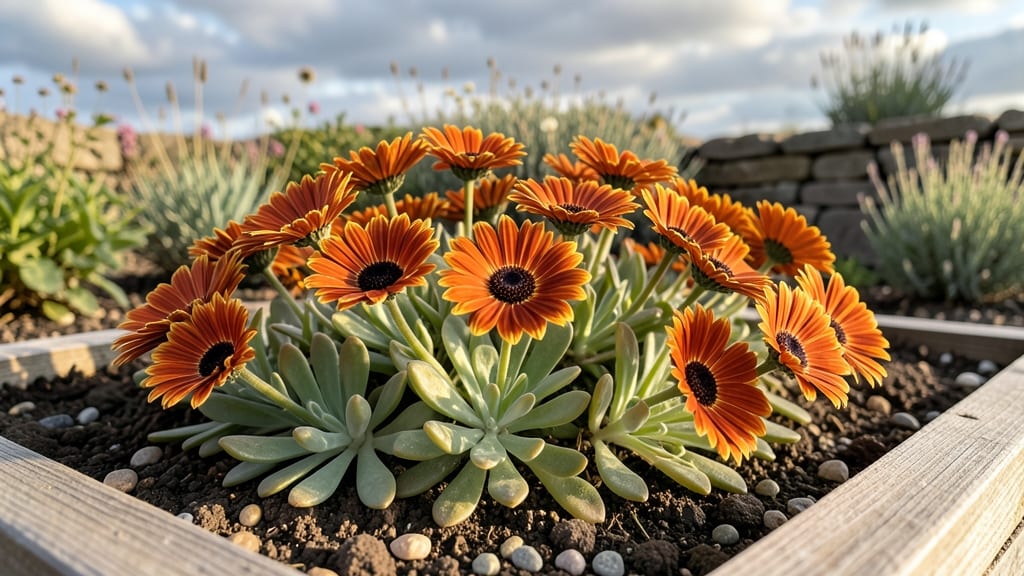
The gazania daisy flower thrives in full sun like no other annual—its cheerful blooms open wide by day and close tight at night, a habit that earns it the nickname "desert sunflower."
I grew mine last summer in a hot, dry corner of my yard, and they didn’t just survive—they outperformed everything else, blooming nonstop until frost. The secret? They’re practically indestructible once you get their basic needs right.
You’ll need well-draining soil (they hate soggy roots) and a spot that gets at least 6 hours of sun daily—the more, the better. Water deeply once a week, then let the soil dry out completely before watering again.
These plants store moisture like pros, so drought? No problem. Even my black thumb couldn’t kill them—though I did accidentally overwater them once and they bounced back in days.
By midsummer, you’ll have a carpet of vibrant orange, yellow, or red blooms that stay fresh until frost. Deadhead spent flowers to encourage more blooms, and watch as they self-seed for next year’s effortless display.
They’re perfect for borders, containers, or even rocky slopes where other plants struggle. Once established, they’ll outlast heat waves and occasional neglect.
Works as both an annual and a short-lived perennial in warmer climates—just protect young plants from early frost. Start seeds indoors 6-8 weeks before your last frost date, or buy transplants in spring.
The key is patience: give them time to root, and they’ll reward you with months of low-maintenance color. Ready to try them?
📚 In This Guide
- What you need
- Instructions
- Tips and common mistakes
- Wrapping up and next steps
What you need
- ● Gazania plants: 3–6 young seedlings or mature plants (check local nurseries for varieties like Gazania rigens or Gazania 'Tiny Tim').
- ● Well-draining potting mix: 1–2 bags (look for a blend labeled for succulents or cacti, or mix regular soil with perlite/sand at a 2:1 ratio).
- ● Containers or garden bed: Containers: 6–12-inch pots with drainage holes (1–2 plants per pot).
- ● Garden beds: Full-sun spot (6+ hours of light) with loose, sandy soil.
- ● Slow-release fertilizer: 1–2 tablespoons per plant (or liquid fertilizer diluted to half-strength).
- ● Watering can or hose with gentle spray nozzle.
- ● Hand trowel or small shovel for transplanting.
- ● Gloves (to protect hands from prickly stems).
- ● Mulch (gravel or decorative stones to retain moisture and deter weeds).
- ● Pruning shears (for deadheading spent blooms).
- ○ pH test kit (optional, to ensure soil pH is 6.0–7.0).
- ● Climate: Gazanias thrive in USDA Zones 9–11 as perennials. In colder zones, treat them as annuals or overwinter indoors.
- ● Sunlight: Full sun (6+ hours/day)—they will sulk in shade!
- ● Watering schedule: Water deeply 2–3 times per week (less in containers; more in extreme heat). Let soil dry between waterings to prevent root rot.
How to grow gazania daisy flowers that thrive in sun and survive frost
Here's the straightforward method I use to grow vibrant gazanias year after year.
Choose the Right Location and Prepare the Soil
Gazania daisies crave full sun—at least 6 hours daily—and well-draining soil. I always pick the sunniest, driest spot in my garden because they hate soggy roots. If your soil drains poorly, mix in 2-3 inches of coarse sand or perlite to improve aeration.
Work the soil to a depth of 12 inches, removing any rocks or debris. Gazanias have shallow roots, so loose, airy soil prevents rot. A quick soil test for pH is smart too—these flowers prefer slightly acidic to neutral soil, around 6.0-7.0. If your soil is heavy clay, consider planting in raised beds or containers instead.
Plant Seeds or Transplants at the Right Time
For seeds, sow them ¼ inch deep after the last frost when soil temperatures reach 60°F or warmer. I like to start them indoors 8-10 weeks before transplanting to give them a head start. Press seeds gently into the soil—don’t bury them too deep or they won’t germinate.
If using transplants, space them 8-12 inches apart in rows 12-18 inches apart to allow room for their bushy growth. Water lightly after planting to settle the soil around the roots. Gazanias are drought-tolerant once established, but young plants need consistent moisture to take root.
Water and Fertilize for Strong Growth
Water gazanias deeply once a week during dry spells, aiming for 1 inch of water per week. I water in the morning so the foliage dries quickly, reducing disease risk. Overwatering is the fastest way to kill these plants—let the soil dry out between waterings.
Feed them lightly with a balanced fertilizer (10-10-10) every 4-6 weeks during the growing season. Too much nitrogen makes them grow leafy but flower poorly. I switch to a low-nitrogen, high-phosphorus fertilizer (5-10-5) when buds form to encourage more blooms.
Deadhead and Prune for Continuous Blooms
Deadhead spent flowers regularly to keep the plant blooming all season. Simply pinch or cut off the faded blooms with clean shears. This redirects the plant’s energy into producing new flowers instead of setting seed. I do this every 2-3 days during peak bloom time.
If gazanias look leggy or overgrown by late summer, give them a light trim back by ⅓ of their height. This encourages bushier growth and prepares them for winter. Never cut into woody stems—focus on soft, green growth only.
Prepare for Winter and Encourage Regrowth
Gazania daisies are frost-tolerant but won’t survive harsh winters. In fall, cut back the foliage to 2-3 inches above ground level after the first light frost. This helps protect the crown from cold damage. I mulch lightly with 2 inches of straw or shredded leaves to insulate the roots.
In early spring, remove the mulch and water lightly to stimulate new growth. You’ll see fresh shoots emerge within 2-3 weeks. Gazanias often bounce back from the roots even if they look dead after frost—don’t give up too soon!
Tips & tricks for perfect gazania daisy growth
These simple yet powerful tips will help you cultivate gazanias that burst with color and thrive through multiple seasons—no green thumb required.
Location and Soil Secrets: Gazanias are sun worshippers, but not all sunny spots are equal. While they need at least 6 hours of direct sun daily, avoid areas where they’ll get afternoon shade from trees or buildings. For soil prep, I always mix in 2-3 inches of coarse sand or perlite to prevent compaction—this is especially important if your soil drains poorly. A quick pH test reveals if your soil needs adjustment: aim for that 6.0-7.0 range where gazanias truly shine.
Timing is Everything: That 60°F soil temperature threshold is your green light for planting seeds. I use a soil thermometer to confirm—cold soil delays germination. For transplants, wait until nighttime temperatures stay consistently above 50°F. Pro tip: If you're starting seeds indoors 8-10 weeks before transplanting, use a heat mat to maintain those warm soil temps. This jumpstarts growth and gives you a head start on the season.
Watering Wisdom: The key to gazania success is this: deep and infrequent. Watering once weekly for 1 inch total encourages deep root growth. I always water in the morning so foliage dries quickly—this prevents fungal diseases that love damp leaves. For established plants, let the top inch of soil dry out between waterings. Overwatering is the #1 killer of gazanias, so when in doubt, wait one more day.
Frost Survival Strategy: When preparing for winter, that 2-3 inch cutback after first frost is crucial. I always use clean, sharp shears to avoid tearing stems. For mulching, I prefer straw over leaves because it breaks down more evenly. In spring, remove mulch as soon as you see new shoots—this prevents soggy soil that can rot tender new growth. Remember, gazanias often look dead after frost but bounce back from the roots!
Pro Tips for Gazania Daisy Flower
- These simple yet powerful tips will help you cultivate gazanias that burst with color and thrive through multiple seasons—no green thumb required.
- Location and Soil Secrets: Gazanias are sun worshippers, but not all sunny spots are equal.
- Timing is Everything: That 60°F soil temperature threshold is your green light for planting seeds.
Frequently asked questions
Got questions about growing and caring for gazania daisy flowers? You’re not alone! Here are some of the most common queries—plus straightforward answers to help you keep your sun-loving beauties thriving.
How often should I water gazania flowers?
Water gazanias deeply but infrequently—about once a week, or when the top inch of soil feels dry. These drought-tolerant stars hate soggy roots, so always ensure well-draining soil. Pro tip: Water in the morning to reduce evaporation and fungal risks.
Do gazania flowers die in winter?
Yes, but don’t mourn! Gazanias are annuals in cold climates (hardiness zones 9–11) and will fade with frost. However, they self-seed prolifically—so you’ll likely see cheerful blooms return next spring! In colder zones, treat them as tender perennials and replant yearly.
Can I grow gazanias in containers?
Gazanias thrive in containers with drainage holes—just use a fast-draining potting mix. A 12-inch pot works for 3–5 plants. Place them in full sun (6+ hours daily) and fertilize lightly every 4–6 weeks. Bonus: Their trailing varieties add a pop to hanging baskets!
Why aren’t my gazanias blooming?
Lack of blooms often signals too much shade, over-fertilizing (especially with high nitrogen), or deadheading neglect. Ensure full sun, trim spent blooms regularly, and use a balanced fertilizer (10-10-10). If pests like aphids or spider mites strike, hose them off gently—gazanias bounce back fast!
What’s a good alternative if I can’t grow gazanias?
If your climate lacks gazanias’ love for heat and sun, try these sun-happy substitutes:
- Portulaca (Moss Rose) – Drought-tolerant, trailing, and thrives in poor soil.
- Zinnias – Bold blooms, easy to grow, and great for cut flowers.
- Lantana – Heat-loving, long-blooming, and attracts pollinators.
Wrapping up and next steps
Gazania daisies are the ultimate sun-loving superstars—drought-tolerant, frost-resistant, and packed with vibrant color! Whether you're a beginner or a seasoned gardener, these cheerful blooms are easy to grow and perfect for adding a pop of life to your outdoor space. 🌞
Now that you’re armed with the how-to’s and FAQs, it’s time to roll up your sleeves and plant your own! Start small—try a few in pots or a sunny patch of your garden—and watch them thrive.
Before you know it, your space will be bursting with resilient, low-maintenance beauty. Happy gardening! 🌸