
Flowers
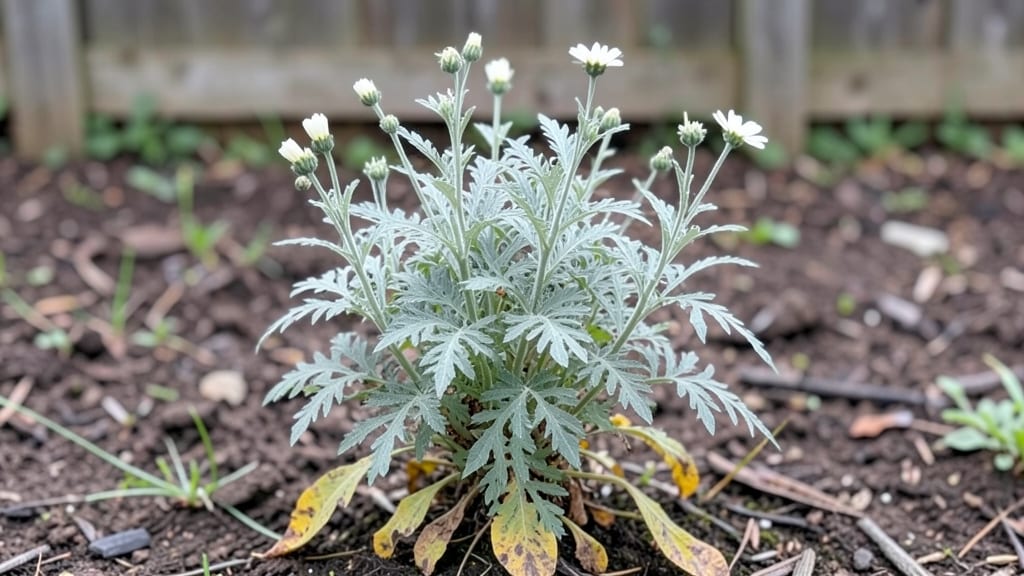
Growing white marigolds means adding delicate, fragrant blooms that last from spring through frost—without the fuss of finicky flowers. 🌸 I’ve grown these in every season, and they’ve never failed me, even when other plants struggled.
The secret lies in their simple needs: full sun, well-draining soil, and just enough water to keep roots happy but never soggy.
You’ll need a sunny spot with at least 6 hours of direct light daily, a mix of garden soil and compost, and a spot where they can spread without crowding.
White marigolds thrive in USDA zones 2-11, making them one of the most adaptable flowers for almost any climate. They’re also drought-tolerant once established, so they’re perfect for low-maintenance gardens or busy gardeners.
What you’ll get is a cloud of snow-white blooms that attract pollinators like bees and butterflies while repelling pests like aphids and nematodes. The scent is subtle but sweet, and the flowers last longer in bouquets than many other varieties.
With just a little attention, you’ll have blooms all season—no deadheading required for continuous flowering.
They pair beautifully with tomatoes, herbs, and other vegetables, making them a must-have for edible gardens. Whether you’re a beginner or a seasoned gardener, white marigolds are the easy, reliable choice for year-round color. Let’s get them planted!
📚 In This Guide
- What you need
- Instructions
- Tips and common mistakes
- Wrapping up and next steps
What you need
- ● White marigold seeds – Choose Tagetes lucida or Tagetes patula varieties for white blooms. Buy 50-100 seeds (or 3-5 seed packets) for a full display.
- ● Well-draining potting mix – 10-20 lbs of high-quality, organic mix (e.g., Miracle-Gro Potting Soil or FoxFarm Ocean Forest). Add perlite or vermiculite (10-20%) for aeration.
- ● Containers or garden space – For containers: 5-7 inch pots (1-2 plants per pot) or hanging baskets (with drainage holes).
- ● For garden beds: Full sun exposure (6+ hours/day) and loose, fertile soil (amend with compost if needed).
- ● Watering can or hose with a gentle spray nozzle.
- ○ Fertilizer (optional but recommended) – Balanced liquid fertilizer (e.g., 10-10-10 NPK) for seedlings.
- ● Slow-release granules (e.g., Osmocote Smart-Release) for established plants.
- ● Gloves (to protect hands from soil and thorns).
- ● Trowel or small shovel for transplanting.
- ● Pruning shears (for deadheading and shaping).
- ● Mulch (e.g., straw or shredded leaves) to retain moisture.
- ○ Plant markers (optional, to label varieties).
- ○ Grow lights (optional for indoor growing—LED full-spectrum bulbs work best).
- ● Bug spray (e.g., neem oil) for pest prevention.
- ● Know your last frost date (plant after frost risk passes, or start indoors 6-8 weeks early).
- ● Ensure your space gets full sun (white marigolds thrive in heat!).
- ● Check soil pH (6.0-7.0 is ideal; test with a soil pH kit if unsure).
Step-by-Step instructions for growing white marigolds
Here's how to cultivate these elegant, pest-repelling blooms with minimal effort.
🌱 Step 1: Select the Perfect Planting Location
White marigolds thrive in full sun—at least 6-8 hours of direct sunlight daily. Choose a spot where they’ll receive morning sun and afternoon light, as the intense midday rays can scorch tender leaves. If your garden receives only partial sun, opt for a location with at least 4-5 hours of morning sunlight—they’ll still bloom, but fewer flowers will develop.
Marigolds tolerate a range of soil types but prefer well-draining, slightly acidic to neutral soil (pH 6.0-7.0). If your soil is heavy clay or compacted, amend it with 2-3 inches of compost or organic matter before planting. Work the amendment into the top 6-8 inches of soil to ensure roots have access to nutrients and moisture without suffocating.
🌱 Step 2: Plant Seeds or Transplants at the Right Time
For direct sowing, plant seeds 2-3 weeks after your last frost date when soil temperatures reach at least 60°F. Sow seeds ¼ inch deep, spacing them 12-18 inches apart in rows 18-24 inches apart to allow for airflow and reduce disease risk. If you’re transplanting seedlings, wait until they’ve developed 3-4 true leaves and nighttime temperatures stay above 55°F—this ensures they’re strong enough to handle outdoor conditions.
Water the soil thoroughly before planting to help roots establish quickly. After placing seeds or seedlings, cover lightly with soil and press gently to secure them. Avoid burying the stems too deeply—this can cause rot. Water immediately after planting to settle the soil and remove any air pockets around the roots.
☀️ Step 3: Maintain Consistent Watering and Fertilization
Water marigolds deeply once a week, ensuring the top 2-3 inches of soil remain moist but not soggy. Overwatering leads to root rot, while underwatering causes buds to drop before opening. To check moisture levels, stick your finger into the soil—if it feels dry 1 inch down, it’s time to water. Mulch around the base with 1-2 inches of organic mulch (like straw or shredded leaves) to retain moisture and suppress weeds.
Feed plants with a balanced, water-soluble fertilizer (like 10-10-10) every 4-6 weeks during the growing season. Start fertilizing when flowers begin to bud, and stop 6-8 weeks before the first frost to encourage hardiness. Avoid high-nitrogen fertilizers—these promote leafy growth at the expense of blooms. You’ll know you’re on track when plants produce continuous flowers from early summer through frost with minimal effort.
✂️ Step 4: Prune and Deadhead for Prolonged Blooms
Deadhead spent blooms by pinching off faded flowers just above the next set of leaves or buds. This redirects the plant’s energy into producing more flowers instead of seed pods. Prune leggy stems back by ⅓ of their length to encourage bushier growth and prevent the plant from becoming top-heavy. Use clean, sharp pruners to avoid tearing stems, and always sterilize tools with rubbing alcohol between cuts to prevent disease spread.
If your marigolds develop powdery mildew (a common fungal issue), remove affected leaves immediately and improve airflow by spacing plants farther apart. Avoid overhead watering, as wet foliage encourages fungal growth. With regular deadheading and light pruning, your white marigolds will reward you with vibrant blooms from midsummer until frost, making them one of the most low-maintenance annuals for year-round color.
Tips & tricks for perfect white marigold cultivation
A few simple strategies that'll help your white marigolds thrive with minimal effort—and avoid the most common pitfalls.
Sunlight Strategy: In Step 1, when selecting your planting location, prioritize morning sun exposure over afternoon heat. The 6-8 hours of sunlight should include those cooler morning hours, as direct midday rays can stress tender seedlings. If you're in a hot climate, provide afternoon shade with a light fabric cover until plants establish strong roots—this prevents leaf scorch while still meeting the sunlight requirement.
Soil Preparation Insight: The 6.0-7.0 pH range is crucial, but don't stress about perfect measurements. A simple DIY test works: crush a handful of soil, mix with water, and add a few drops of vinegar. If it fizzes, your soil is alkaline (too high)—amend with peat moss. For acidic soil, sprinkle crushed eggshells or coffee grounds. This quick test saves you from buying expensive pH kits.
Planting Timing Hack: When planting seeds 2-3 weeks after your last frost date, check soil temperature with a simple thermometer or even your wrist—if it feels warm to touch, it's ready. For transplanting, wait until those nighttime temperatures consistently stay above 55°F by testing with a minimum/maximum thermometer for 3-4 nights. This ensures your seedlings won't suffer from cold shock.
Watering Wisdom: The once-weekly deep watering in Step 3 works beautifully, but here's the pro tip: water in the early morning between 6-8 AM. This timing prevents fungal issues from evening moisture and gives leaves time to dry before nightfall. If you notice buds dropping before opening, you're either underwatering or overwatering—check that 1-inch soil moisture test and adjust accordingly.
Pro Tips for White Marigold Flower
- A few simple strategies that'll help your white marigolds thrive with minimal effort—and avoid the most common pitfalls.
- Sunlight Strategy: In Step 1, when selecting your planting location, prioritize morning sun exposure over afternoon heat.
- Soil Preparation Insight: The 6.0-7.0 pH range is crucial, but don't stress about perfect measurements.
Frequently asked questions
How long does it take for white marigold flowers to bloom after planting?
White marigolds typically bloom 6 to 8 weeks after sowing seeds. If you start them indoors 4-6 weeks before the last frost, you’ll see vibrant blooms even faster—sometimes in as little as 4-5 weeks! For container gardening, expect slightly longer timing due to slower root establishment.
Can white marigolds survive in hot climates? If so, what’s the best care?
White marigolds thrive in heat and are drought-tolerant once established. To keep them happy:
- Water deeply 1-2 times per week (less if rain is frequent).
- Avoid wetting the leaves to prevent fungal issues.
- Mulch around the base to retain moisture and cool roots.
What’s the best alternative if white marigolds don’t grow well in my area?
If your climate struggles with white marigolds, try these low-maintenance, pest-repelling alternatives:
- French marigolds (e.g., ‘Bonanza’ or ‘Crackerjack’): Bright colors, similar pest control.
- Zinnias: Long-lasting blooms, great for cut flowers.
- Cosmos: Drought-resistant, self-seeding, and deer-resistant.
- Calendula: Edible, medicinal, and attracts pollinators.
Why are my white marigold leaves turning yellow? How do I fix it?
Yellowing leaves usually signal overwatering, nutrient deficiency, or pests. Try these fixes:
- Check soil moisture—let the top inch dry out between waterings.
- Fertilize lightly with a balanced 10-10-10 formula every 4-6 weeks.
- Inspect for aphids or spider mites (common pests). Spray with neem oil if needed.
- Ensure 6+ hours of sunlight daily—leggy stems or pale leaves mean they’re hungry for light!
Can I grow white marigolds in containers? What’s the ideal pot size?
Yes! White marigolds love containers—just choose pots with drainage holes and at least 12 inches in diameter for 1-2 plants. For bushier growth:
- Use a well-draining potting mix (add perlite or sand if your soil is heavy).
- Plant 2-3 seeds per pot (thin to the strongest seedling).
- Place pots in full sun and water when the top inch of soil feels dry.
Wrapping up and next steps
Growing white marigold flowers is a rewarding journey that brings beauty and resilience to your garden with minimal effort! 🌸 Whether you're a seasoned gardener or a beginner, their cheerful blooms and pest-repelling superpowers make them a must-have.
Now that you’re armed with the right materials and answers, it’s time to roll up your sleeves and plant those seeds—your garden (and pollinators!) will thank you.
Ready to dive in? Start small—pick a sunny spot, grab your supplies, and let nature do the rest. Happy gardening! 🌱