
Flowers
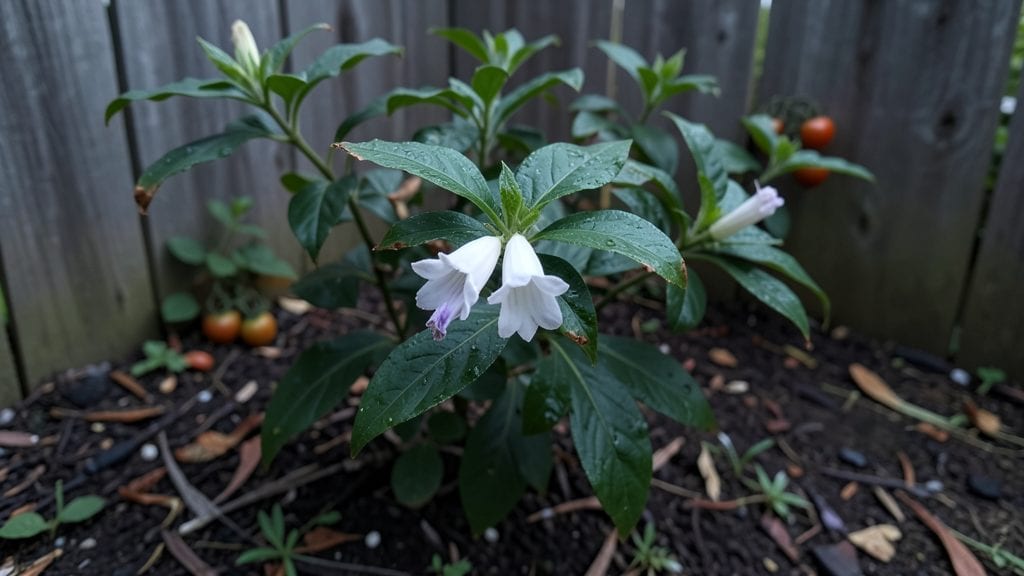
The intoxicating scent of the midnight jasmine flower transforms your patio into a moonlit perfume factory—all while its tropical roots make it perfect for container gardening. and its dark green leaves stay glossy with just the right balance of sun and shade.
You’ll need a 5-gallon container with drainage, well-draining potting mix, and a spot that gets morning sun and afternoon shade—especially in hot climates. Water when the top inch feels dry, but avoid soggy soil, which is its biggest enemy.
The real magic starts at dusk when tiny white flowers open, releasing a sweet, jasmine-like scent that lasts until dawn.
Pruning after blooming keeps it compact and encourages more flowers, while propagation from cuttings is shockingly easy—just dip stems in rooting hormone and watch them take hold in weeks.
The only challenge? Frost will kill it, so treat it as an annual in cold zones or bring it inside for winter.
Perfect for balconies, porches, or even indoors near a bright window. Once established, it’s nearly foolproof—just give it warmth, a little neglect (it’s drought-tolerant once rooted), and you’ll have the most fragrant nighttime garden in the neighborhood.
📚 In This Guide
- What you need
- Instructions
- Tips and common mistakes
- Wrapping up and next steps
What you need
- ● Midnight jasmine plant (Cestrum nocturnum): 1 healthy nursery-grown plant (6-12 inches tall) or a cutting from a mature plant.
- ● Ensure it’s labeled or confirmed as Cestrum nocturnum (avoid toxic lookalikes like night-blooming jasmine Cestrum aurantiacum).
- ● Containers: 1-2 5-7 gallon pots (or larger for mature plants) with drainage holes.
- ○ Lightweight, breathable fabric pots (optional but recommended for airflow).
- ● Well-draining potting mix: 5-10 gallons of a cactus/succulent mix (or amend regular potting soil with 30-50% perlite/pumice).
- ● Avoid heavy, clay-based soils—midnight jasmine hates soggy roots! 🚫💦
- ● Slow-release fertilizer: 1 packet of balanced granular fertilizer (10-10-10 or 20-20-20) or organic options like worm castings.
- ● Support structure: 1 bamboo stake or trellis (3-5 feet tall) for climbing varieties.
- ● Basic gardening tools: 1 pair of pruning shears (sterilized with rubbing alcohol).
- ● 1 trowel for repotting.
- ○ 1 pair of gloves (optional—sap can be mildly irritating!).
- ● Watering supplies: Watering can with a rose attachment (for targeted hydration).
- ○ pH test kit (optional but helpful—ideal range: 6.0-7.0).
- ● Location prerequisites: Full sun to partial shade (6+ hours of sunlight daily).
- ● Protection from strong winds (place near a wall or fence).
- ● Access to a drip irrigation system or hose (for consistent moisture).
- ● Mulch: 1-2 inches of gravel or bark chips to retain moisture and deter weeds.
- ● Liquid fertilizer: Seaweed extract or fish emulsion for a mid-season boost.
- ● Grow lights: LED full-spectrum lights (if growing indoors near a window).
- ● Humidity tray: For indoor setups (pebbles + water to increase ambient moisture).
- ● Companion plants: Marigolds (pest-repellent) or trailing lantana (for aesthetic harmony).
Step-by-step instructions for cultivating midnight jasmine in containers
This fragrant climber thrives with the right balance of light, support, and patience—here’s how to coax those intoxicating nighttime blooms.
Select and Prepare the Right Container
Midnight jasmine needs a minimum 12-inch diameter pot with drainage holes to prevent root rot. I recommend unglazed terracotta—it breathes better than plastic and helps regulate moisture. Fill the bottom third with coarse gravel or perlite to ensure excess water drains freely.
Choose a container with a trellis or sturdy support built in or attached nearby. Midnight jasmine can grow 10-15 feet in ideal conditions, so the structure must be at least 6 feet tall to accommodate its vigorous growth. If your pot lacks built-in support, install a metal or wooden trellis alongside it immediately—roots will anchor poorly if added later.
Use Well-Draining Soil and Plant Correctly
Fill the pot with a mix of 50% premium potting soil, 30% perlite or coarse sand, and 20% compost. This blend ensures aeration while retaining enough moisture for the plant’s deep roots. Avoid garden soil—it compacts and suffocates roots.
Dig a hole twice as wide as the root ball but no deeper. Gently remove the plant from its nursery container and loosen the roots if they’re circling. Position it so the top of the root ball sits 1 inch below the pot’s rim. Backfill with soil, pressing lightly to eliminate air pockets. Water deeply until it drains from the bottom holes—this settles the soil and removes any gaps.
Provide Bright, Indirect Light and Consistent Moisture
Midnight jasmine craves bright, indirect light—think east or west-facing windows or 6-8 hours of filtered sunlight daily. Direct midday sun can scorch delicate leaves, so I place mine near a sheer curtain during peak hours. If growing indoors, supplement with a grow light positioned 12-18 inches away for 12-14 hours daily.
Water when the top 2 inches of soil feel dry to the touch. Stick your finger in—if it comes out clean, it’s time. Overwatering is the fastest way to kill this plant, so always check before adding more. During hot months, you may need to water every 2-3 days, but reduce to once weekly in winter when growth slows.
Train Vines and Encourage Blooming
Gently weave new growth through the trellis as it emerges, directing vines upward in a spiral pattern. This prevents tangling and ensures even exposure to light and air circulation—critical for preventing fungal issues. Avoid tying vines too tightly; use soft plant ties and loosen them every few weeks as the stem thickens.
To trigger blooms, reduce water slightly in late summer when buds form. Let the top 1 inch of soil dry out completely between waterings for 2-3 weeks. Also, feed with a balanced liquid fertilizer (10-10-10) every 4-6 weeks during the growing season. Stop fertilizing in fall to allow the plant to rest—this primes it for next year’s fragrance-filled blooms.
Prune and Overwinter for Next Year’s Growth
After flowering, trim back one-third of the oldest stems to encourage new growth. Use clean, sharp pruners and make cuts just above a leaf node or outward-facing bud. This redirects energy to younger, more productive vines. Remove any yellowed or diseased leaves immediately—they spread problems fast.
For winter care, move the container to a cool but frost-free location (ideally 45-55°F). Reduce watering to once every 2-3 weeks, just enough to keep the soil from drying out completely. If your climate drops below 20°F, wrap the pot in burlap and move it indoors near a bright window. Prune lightly in late winter to shape the plant before new growth begins.
Tips & tricks for perfect midnight jasmine flower cultivation
Here's what I've learned after nurturing my own Midnight Jasmine to full, fragrant bloom—these are the details that make all the difference between a struggling vine and a lush, fragrant climber.
Container Selection Matters: That minimum 12-inch diameter pot is non-negotiable for Midnight Jasmine's deep root system. I've seen growers use larger containers thinking "bigger is better," but the key is actually the depth—aim for at least 18 inches deep to accommodate those vigorous roots. The unglazed terracotta recommendation isn't just about aesthetics; it actually helps regulate moisture better than plastic, preventing both root rot and drought stress. If you must use plastic, add an extra 20% perlite to improve drainage.
Light Positioning is Critical: When positioning your plant for those essential 6-8 hours of filtered sunlight, pay special attention to the angle. East-facing windows provide perfect morning light without the harsh afternoon sun. If you're supplementing with grow lights, position them 12-18 inches away but angle them at 45 degrees—this mimics natural light patterns and prevents leggy growth. I've found that rotating the plant quarter-turn daily ensures even growth all around.
Watering Technique Makes All the Difference: The finger-in-soil test is brilliant, but here's what nobody tells you: press your finger in to the second knuckle—this ensures you're checking moisture at the right depth where the roots actually are. When you water, do it thoroughly until it drains from the bottom holes. This prevents that "just damp" surface layer that encourages root rot. During the 2-3 week bloom-triggering period, I water from the bottom by placing the pot in a saucer of water for 10 minutes—this ensures even moisture without disturbing the delicate buds.
Pruning Strategy for Maximum Blooms: When you're trimming back one-third of the oldest stems, focus on removing the thickest, woody stems first. These are energy vampires that drain resources from potential blooms. Make your cuts just above an outward-facing bud to encourage bushier growth. I've found that pruning right after flowering—when new growth is just starting—gives the plant the best chance to recover and set buds for next season's fragrance.
Pro Tips for Midnight Jasmine Flower
- Here's what I've learned after nurturing my own Midnight Jasmine to full, fragrant bloom—these are the details that make all the difference between a struggling vine and a lush, fragrant climber.
- Container Selection Matters: That minimum 12-inch diameter pot is non-negotiable for Midnight Jasmine's deep root system.
- Light Positioning is Critical: When positioning your plant for those essential 6-8 hours of filtered sunlight, pay special attention to the angle.
Frequently asked questions
Got questions about growing midnight jasmine? You’re not alone!
Here are answers to the most common queries—from planting to troubleshooting—to help your fragrant nighttime blooms thrive.
How long does it take for midnight jasmine to bloom after planting?
Patience is key! With proper care, midnight jasmine (Cestrum nocturnum) typically blooms within 12–18 months of planting. Young plants may take longer, but warm climates (USDA Zones 9–11) and full sun accelerate flowering. Prune leggy growth in early spring to encourage bushier, faster blooming.
Is midnight jasmine toxic to pets or humans?
Yes, this beauty is toxic if ingested. The plant contains solanine, which can cause nausea, vomiting, or drooling in pets and humans. Keep it out of reach of curious cats, dogs, or kids. If accidental exposure occurs, contact a vet or poison control immediately.
Can I grow midnight jasmine in a container indoors?
Containers work well for midnight jasmine, especially in cooler climates. Use a 12–15-inch pot with drainage holes, well-draining soil, and place it in bright, indirect light (like a sunroom or under grow lights). Move outdoors in summer for blooms, then bring it back inside before frost.
Why isn’t my midnight jasmine flowering?
No blooms? Check these fixes:
- Light: Needs 6+ hours of direct sun daily. Move to a sunnier spot.
- Pruning: Trim back 1/3 of the plant in late winter to encourage new growth.
- Fertilizer: Use a balanced, low-nitrogen fertilizer (like 10-10-10) in spring and summer.
- Age: Young plants (under 2 years) may not bloom yet.
How cold can midnight jasmine tolerate?
This tropical beauty hates cold—it dies in frost (below 25°F/-4°C). In colder zones, grow it as an annual or winter it indoors. If you must overwinter it outside, mulch heavily and protect with burlap or a frost cloth. Roots are less cold-hardy than stems!
What’s a good alternative if I want night-scented flowers but need something hardier?
Try these low-maintenance, fragrant night-bloomers:
- Night-blooming jasmine (Jasminum sambac) – Hardy to Zone 8, milder scent.
- Evening primrose (Oenothera biennis) – Cold-tolerant (Zone 3), yellow blooms.
- Angel’s trumpet (Brugmansia) – Thrives in Zones 9–11, intoxicating nighttime fragrance.
Wrapping up and next steps
The midnight jasmine isn’t just a stunning addition to your garden—it’s a fragrant, low-maintenance dream for container growers. With the right soil, sunlight, and a little patience, you’ll be rewarded with intoxicating nighttime blooms that transform any space into a serene retreat. 🌙✨
Ready to dive in? Start small—grab a pot, some well-draining soil, and a cutting from a local nursery or trusted grower. Your fragrant oasis awaits! Happy growing! 🌱