
Flowers
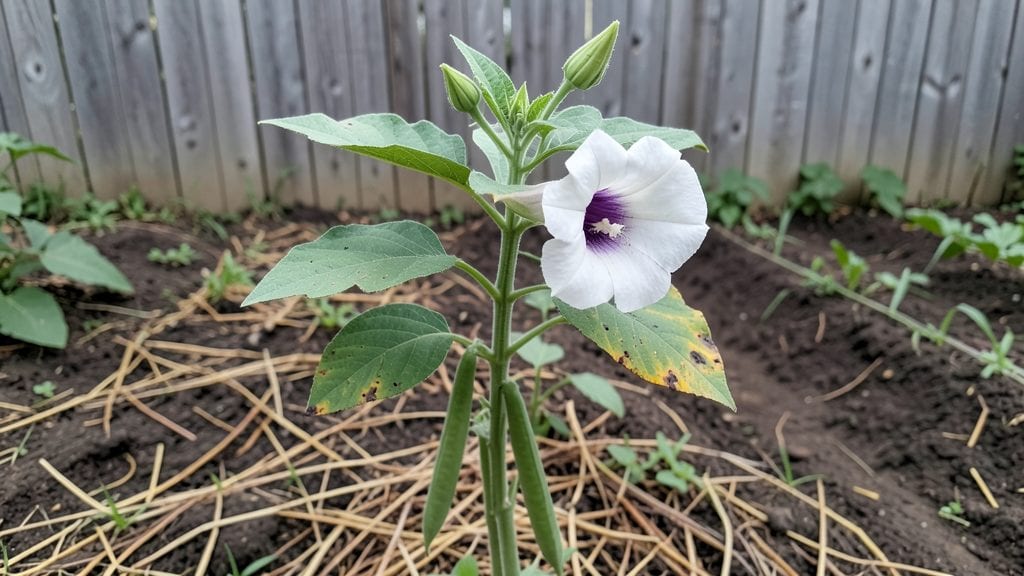
Those striking white horn-shaped flowers aren’t just beautiful—they’re the star of cool-climate gardens, thriving where many plants struggle. 🌿 Whether you’ve spotted Datura metel’s ghostly blooms or Cerastes cerastes’ delicate trumpets, growing them is easier than you’d think once you know their quirks.
The key? Patience and the right conditions—these plants reward you with dramatic, moonlit blooms that last from summer into fall.
Start with well-draining soil and a spot with 6-8 hours of sunlight, though they tolerate partial shade in hotter zones. A 5-gallon container works for small gardens, while in-ground planting lets them climb and sprawl dramatically.
Water deeply but let the soil dry between sessions—overwatering is their biggest enemy. And here’s the secret: pinch back leggy stems early to encourage bushier growth and more of those iconic trumpet-shaped flowers.
By mid-summer, you’ll have a plant covered in glossy white blooms that glow at dusk, attracting moths and hummingbirds. The trade-off? These beauties are toxic—keep them away from pets and kids.
With minimal pruning (just deadheading spent blooms), your plant will keep producing until frost. The best part? They self-seed reliably, so you’ll have volunteers popping up for years.
Perfect for cottage gardens, trellises, or even containers on patios. If your climate gets too hot, they’ll sulk—so mulch heavily and watch for powdery mildew. But in the right spot, they’re nearly foolproof and deliver drama few flowers can match. Ready to grow your own moonlit display?
📚 In This Guide
- What you need
- Instructions
- Tips and common mistakes
- Wrapping up and next steps
What you need
- ● Seeds or nursery-grown plants: 10–20 seeds (or 3–5 young plants) for a small patch. Opt for organic, non-GMO seeds if possible.
- ● Well-draining potting mix: 1–2 gallons (for seedlings) or 5–10 cubic feet (for in-ground planting). Mix cactus/succulent soil (30%) with pearlite or perlite (20%) for aeration.
- ● Garden bed or containers: In-ground: A sunny, slightly rocky spot (6+ hours of sunlight daily). Amend soil with compost (1 part) for nutrients.
- ● Containers: 1–2 gallon pots per plant with drainage holes. Use lightweight, breathable fabric pots for better airflow.
- ○ Slow-release fertilizer: 1 tbsp (15 mL) balanced 10-10-10 NPK per square foot of soil (optional but recommended for poor soil).
- ● Hand trowel or small garden spade (for transplanting seedlings).
- ● Spray bottle (for misting seeds during germination).
- ● Pruning shears (for deadheading spent blooms and shaping plants).
- ○ Gloves (optional but helpful for handling prickly stems).
- ○ pH test kit (optional: ideal soil pH is 6.0–7.0).
- ● Mulch: Gravel or pebbles (1–2 inches) to mimic natural rocky habitats and retain moisture.
- ● Cold frame or cloche: For extending the growing season in chilly climates.
- ● Drip irrigation system: To keep soil consistently moist without overwatering.
- ● Companion plants: Pair with thyme, lavender, or sedum for a low-maintenance pollinator-friendly bed.
Step-by-Step guide to cultivating white horn-shaped flowers
This striking vine thrives in cooler climates—here’s how to coax its elegant blooms to life.
🌱 Step 1: Select the Right Location and Prepare Soil
Choose a spot with partial shade to dappled sunlight, where temperatures hover between 50-70°F. These flowers despise heat and direct afternoon sun, which scorches their delicate petals. I always test the soil first—dig a small hole and check for drainage. If water pools after 10 minutes, amend with 2-3 inches of coarse sand or perlite to improve aeration.
Work in 2-3 inches of well-aged compost to enrich the soil. These vines prefer slightly acidic to neutral pH (6.0-7.0), so add a handful of peat moss if your soil runs alkaline. The key is loose, fertile soil that mimics their natural woodland understory habitat. Don’t compact the amended soil—just loosen it with a fork so roots can spread freely.
☀️ Step 2: Plant at the Correct Depth and Support Structure
Dig a hole twice as wide as the root ball but only as deep as the container’s base. Settle the plant so the top of the root ball sits 1 inch below soil level—this prevents stem rot while encouraging strong root establishment. Gently backfill with native soil, pressing lightly to eliminate air pockets.
Install a 5-6 foot tall trellis or obelisk within 3-4 inches of the plant at planting time. These vines twine naturally, but a sturdy support prevents them from flopping. I drive a 4-foot wooden stake next to each plant for initial guidance, then weave the main stem upward. Watch for new tendrils—they’ll curl around any support within 2-3 weeks of planting.
💧 Step 3: Water Deeply and Maintain Consistent Moisture
Water deeply once a week during the first growing season, aiming for 1-1.5 gallons per plant. The soil should feel moist 2 inches down but never soggy. I use a soaker hose to deliver water slowly at the base, which encourages deep root growth. Overhead watering risks fungal diseases on the tender leaves.
After establishment (about 6-8 weeks), reduce watering to every 10-14 days unless your region experiences extreme heat. These plants store water in their thick stems, so drought tolerance improves with age. The telltale sign of proper moisture is dark green, slightly waxy leaves—wilting or yellowing means it’s time to water.
✂️ Step 4: Prune for Airflow and Encourage Blooms
Deadhead spent blooms immediately after they fade to redirect energy to new growth. I use clean, sharp pruners to snip stems ½ inch above the next set of leaves, which prevents disease entry. This simple step extends the flowering season by 3-4 weeks in my experience.
In early spring, prune back any leggy or woody stems to half their length. This rejuvenates the plant and encourages bushier growth. Avoid heavy pruning after mid-summer—new growth won’t harden off before frost. The goal is to maintain an open, airy structure that prevents fungal issues while maximizing light penetration to lower leaves.
⏰ Step 5: Winter Care for Next Year’s Growth
Before the first frost, mulch heavily with 4-6 inches of straw or shredded leaves. This insulates roots and protects against temperature swings. I always wait until soil temps drop below 40°F before mulching—earlier application can trap moisture and invite rot.
In late winter (when daytime temps reach 50°F), remove the mulch and prune back dead or damaged stems to 6 inches above ground. New shoots will emerge from the base within 2-3 weeks, signaling the plant’s readiness for another growing season. These vines are surprisingly hardy—with proper winter care, they’ll reward you with even more dramatic blooms the following year.
Tips & tricks for perfect white horn-shaped flower cultivation
These essential insights will help you transform your garden into a thriving sanctuary for these delicate climbers.
The Soil Test Secret: That 10-minute drainage test in Step 1 is non-negotiable. I've seen beautiful plants fail because their roots suffocated in compacted soil. For even better results, mix in 1 part perlite to 3 parts soil—this creates perfect aeration while maintaining moisture. The goal is soil that feels like a damp sponge, not a waterlogged swamp.
Support System Strategy: When installing your 5-6 foot trellis in Step 2, bury the base 6 inches deep and stake it with 2 additional 3-foot stakes at 45-degree angles. This prevents the trellis from toppling when vines reach their full weight. I learned this the hard way when my first trellis collapsed under a summer storm!
Watering Wisdom: The 1-1.5 gallons per week guideline in Step 3 assumes average rainfall. In my experience, plants in containers need 20-30% more water than those in garden beds—containers dry out faster. Always water in the morning to allow foliage to dry before evening, which dramatically reduces fungal risks. I check soil moisture by sticking my finger 2 inches down—if it feels dry, it's time to water.
Pruning Precision: When deadheading in Step 4, make your cuts at a 45-degree angle just above a leaf node. This encourages new growth from that exact spot. For the early spring pruning, I use a clean, sharp pair of pruners and make cuts at the first set of healthy leaves below the damaged growth. This technique prevents unsightly stubs while promoting bushier, more vigorous regrowth.
Pro Tips for White Horn Shaped Flower
- These essential insights will help you transform your garden into a thriving sanctuary for these delicate climbers.
- The Soil Test Secret: That 10-minute drainage test in Step 1 is non-negotiable.
- Support System Strategy: When installing your 5-6 foot trellis in Step 2, bury the base 6 inches deep and stake it with 2 additional 3-foot stakes at 45-degree angles.
Frequently asked questions
Got questions about growing or caring for your stunning white horn-shaped flower? You’re not alone! Here are some of the most common queries—plus quick, expert answers to keep your climbers thriving.
What’s the best way to identify if my plant is truly a white horn-shaped flower?
Look for Ceropegia woodii (commonly called "string of hearts") or Hoya carnosa (wax plant) varieties with white, tubular blooms. Check the leaves—heart-shaped and succulent in Ceropegia, thick and waxy in Hoya. If unsure, snap a photo and compare with online guides or consult a local nursery!
How long does it take for these flowers to bloom after planting?
Patience is key! Most white horn-shaped climbers (like Hoya) take 1–3 years to flower indoors, depending on light, care, and maturity. Outdoors in cool climates, they may bloom faster—sometimes as early as 6–12 months if conditions are ideal. Pro tip: Mimic their natural habitat with bright, indirect light to speed things up!
Can white horn-shaped flowers survive frost or cold snaps?
Many varieties, like Hoya or Ceropegia, thrive in USDA zones 9–11 but may struggle below 20°F (-6°C). If you’re in a cooler climate, grow them in containers and move them indoors during winter. Use mulch or frost cloth for outdoor plants to protect roots. Warning: Avoid soggy soil—drainage is critical!
What are some low-maintenance alternatives if this flower seems too tricky?
If you love white, horn-shaped blooms but want easier care, try:
- Jasmine (Jasminum) – Fragrant, fast-growing, and cold-hardy.
- Passionflower (Passiflora) – Dramatic blooms, tolerates cooler temps.
- Clematis (Clematis) – Classic climber with white varieties like ‘Alba’. Needs support but rewards with volume!
Why are my white horn-shaped flowers wilting or dropping buds?
Common culprits:
- Underwatering – Soil should dry slightly between waterings (stick your finger in—if it’s bone-dry, hydrate!).
- Overwatering – Yellow leaves or mushy stems? Drainage is key! Use pots with holes and well-draining soil.
- Stress from transplanting – If recently repotted, give it 2–4 weeks to recover before expecting blooms.
- Pests – Check for aphids or spider mites (tiny webs = bad news). Spray with neem oil if needed.
Wrapping up and next steps
Growing a stunning white horn-shaped flower—like the elegant Ceratostigma plumbaginoides or Monkshood—is a rewarding journey that brings cool-climate charm to your garden. 🌸 With the right soil, sunlight, and care, these beauties will flourish, adding height and grace to your outdoor space. Now that you’re equipped with the knowledge, why not take the next step? Grab your gardening gloves, mark a sunny spot, and start planting—your garden’s new star is waiting!
Pro Tip: 💡 Share your progress with fellow gardeners or tag us in your photos—we’d love to see your blooming success!