
Flowers
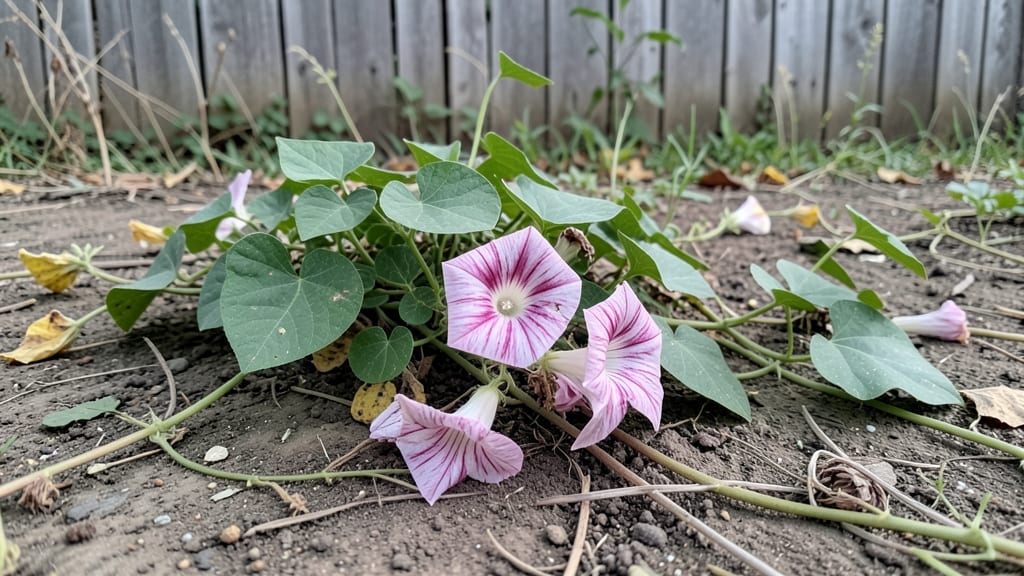
The Star Flower Pink (Ipomoea sloteri) turns my Pacific Northwest garden into a hummingbird magnet year-round. 🌸 Its delicate pink blooms unfurl at dawn and close by noon, revealing tiny yellow centers that hummingbirds adore.
This native beauty thrives where many perennials struggle—cool, wet springs and mild winters make it a standout for our region.
You’ll need partial shade to full sun, well-draining soil with a slightly acidic pH, and consistent moisture without soggy roots. My plants grow best in 3-5 gallon containers or along borders where they can spread 2-3 feet wide.
The key is mimicking its natural habitat: dappled light under trees and moist but not waterlogged soil. Prune leggy stems in early spring to encourage bushier growth and more blooms.
By midsummer, you’ll have a cloud of pink flowers that hummingbirds can’t resist, with blooms lasting from June through September—sometimes into frost if protected. The fragrance is subtle but intoxicating on warm evenings, and the foliage stays lush even in our damp climate.
Pair it with salmonberry or Oregon grape for a native garden that thrives without fuss.
Seasonal adjustments are minimal: reduce watering in winter but keep soil lightly moist, and fertilize lightly in spring with balanced 10-10-10 to boost blooms. The biggest mistake?
Overwatering, which causes root rot. With the right spot, this plant rewards you with decades of effortless beauty—and happy hummingbirds at your windowsill.
📚 In This Guide
- What you need
- Instructions
- Tips and common mistakes
- Wrapping up and next steps
What you need
- ● Star Flower Pink Seeds (Ipomopsis aggregata): 20-50 seeds (start with a small batch for testing). Choose organic, non-GMO seeds for best results.
- ● Well-draining potting mix: 10-15 lbs (look for a blend with perlite or sand for aeration).
- ● Garden soil (amended): 1 cubic yard (if planting directly in the ground). Mix in compost or aged manure for nutrients.
- ● Containers or garden beds: For containers: 5-6 inch pots (3-5 plants per pot) with drainage holes.
- ● For in-ground planting: Full sun exposure (6+ hours/day) and slopes or rocky areas (mimics their natural habitat).
- ● Slow-release fertilizer: 1 lb (10-10-10 NPK ratio) to boost early growth.
- ● Watering can or hose with gentle spray nozzle (star flowers hate soggy roots!).
- ● Trowel or hand shovel (for transplanting seedlings).
- ● Gloves (to protect hands from prickly stems).
- ● Pruning shears (for deadheading and shaping).
- ○ pH testing kit (optional but helpful—star flowers prefer 6.0-7.0).
- ● Climate readiness: Star flowers thrive in USDA zones 4-9. The Pacific Northwest’s mild summers and cool winters are perfect!
- ● Patience: Germination takes 14-30 days—keep soil consistently moist until sprouts appear.
- ● Hummingbird patience: Blooms typically appear in late spring to early summer, but they’ll reward you with year-round interest!
- ● Mulch (1-2 inches of straw or wood chips to retain moisture).
- ● Eggshells or crushed rock (for added calcium and drainage).
- ● Bird feeder nearby (to attract hummingbirds faster!).
- ● Garden journal (to track blooming cycles and soil preferences).
Step-by-step instructions for cultivating star flower pink
Here’s how to create a thriving hummingbird magnet using this Pacific Northwest favorite.
🌱 Step 1: Select the Perfect Planting Site
The star flower pink (Ipomoea sloteri) thrives in partial shade to full sun, making it ideal for the PNW’s dappled light conditions. Choose a location with morning sun and afternoon shade—this prevents leaf scorch while ensuring enough energy for blooms. I’ve found that east-facing beds work best, as they capture gentle morning warmth without the harsh afternoon glare.
Amend the soil with 2-3 inches of compost before planting to improve drainage, which is critical in the region’s often soggy winters. Star flowers dislike waterlogged roots, so avoid low-lying areas where winter rains pool. If your soil is heavy clay, mix in 10% perlite or coarse sand to promote aeration.
☀️ Step 2: Plant at the Right Time and Depth
In the Pacific Northwest, plant star flower pinks in early spring after the last frost (typically mid-April) or in late summer for fall blooms. Dig a hole twice as wide as the root ball but only as deep as the container’s base—planting too deep suffocates the roots. Gently remove the plant from its container, loosen any circling roots with your fingers, and place it in the hole.
Backfill with native soil mixed with compost, pressing lightly to eliminate air pockets. Water deeply immediately after planting to settle the soil and encourage root contact. You’ll know it’s right when the soil surface looks slightly compacted but not hardened—this ensures proper root-to-soil adhesion.
💧 Step 3: Water and Fertilize for Continuous Blooms
Water once weekly during the growing season, aiming for 1 inch of water per week. In the PNW’s humid climate, overwatering is a bigger risk than underwatering—check the soil 1 inch below the surface before watering. If it feels dry, water; if it’s still damp, wait. Mulch with 2-3 inches of wood chips to retain moisture and regulate soil temperature.
Feed plants every 4-6 weeks with a balanced, water-soluble fertilizer (10-10-10) diluted to half-strength. Star flowers respond well to light, frequent feedings rather than heavy doses. You’ll notice new growth and more abundant blooms within 2-3 weeks of consistent feeding. Stop fertilizing in late summer to encourage fall blooms.
✂️ Step 4: Prune for Bushier Growth and Season-Long Flowers
Pinch back new growth by 1/3 when stems reach 6-8 inches tall to encourage branching. This step is crucial—without it, plants grow leggy and produce fewer flowers. Use clean, sharp pruners to make cuts just above a leaf node, where new growth will emerge. Deadhead spent blooms regularly to redirect energy to new flowers.
In late fall, cut back stems to 4-6 inches tall before the first frost. This prevents winter dieback and promotes fresh, vigorous growth in spring. I’ve found that dividing mature clumps every 3-4 years rejuvenates plants and prevents overcrowding. Do this in early spring when new growth begins.
🪴 Step 5: Overwinter for Year-Round Hummingbird Visits
Star flowers are hardy to USDA Zone 7, but in colder PNW winters, protect them with 4-6 inches of mulch after the first frost. This insulates roots and prevents heaving. In Zone 6 or colder, dig up tubers in fall, store them in dry peat moss or sand at 40-50°F, and replant in spring.
Even in winter, you’ll spot hummingbirds visiting dormant stems—this is their way of finding residual nectar. Prune back one-third of the plant in early spring to stimulate fresh growth. With proper care, your star flowers will bloom from late spring through fall, providing nectar when few other plants do.
Tips & tricks for perfect star flower pink cultivation
These pro tips will help you cultivate star flower pinks that thrive year-round and keep hummingbirds buzzing to your garden.
Soil Preparation Secret: Before planting, mix in 2-3 inches of compost and, if needed, 10% perlite or coarse sand to improve drainage—this is especially critical in the PNW's wet winters. I've seen star flowers struggle when planted in heavy clay without this amendment, so don't skip this step. The goal is to create a well-aerated, moisture-retentive environment that mimics their native woodland conditions.
Planting Depth Matters: In Step 2, when planting, remember that the hole should be only as deep as the container's base—not deeper. Planting too deep suffocates the roots and can lead to poor establishment. I learned this the hard way after losing a few plants that were buried too deeply. The key is to maintain the same depth relationship as the nursery pot.
Pruning Technique: When pinching back new growth in Step 4, always cut just above a leaf node where new growth will emerge. This encourages bushier growth and more flowers. I've found that using clean, sharp pruners prevents tearing the stems, which can introduce disease. Also, don't be afraid to be aggressive—star flowers respond well to regular pruning and deadheading.
Winter Care Strategy: For Zone 6 or colder, the 40-50°F storage temperature is crucial for tuber survival. I store mine in a cool basement corner wrapped in newspaper with just enough peat moss to keep them from drying out. This mimics their natural dormancy period and ensures vigorous regrowth in spring. The key is consistency—don't let temperatures fluctuate wildly.
Pro Tips for Star Flower Pink
- These pro tips will help you cultivate star flower pinks that thrive year-round and keep hummingbirds buzzing to your garden.
- Soil Preparation Secret: Before planting, mix in 2-3 inches of compost and, if needed, 10% perlite or coarse sand to improve drainage—this is especially critical in the PNW's wet winters.
- Planting Depth Matters: In Step 2, when planting, remember that the hole should be only as deep as the container's base—not deeper.
Frequently asked questions
Got questions about growing Star Flower Pink (Ipomoea sloteri) in your Pacific Northwest garden?
You’re not alone! Here are answers to the most common ones to help you nurture a thriving hummingbird magnet.
How fast does Star Flower Pink grow, and when will it bloom?
This fast-growing annual can shoot up 10–15 feet in a single season! With the right conditions (warmth, consistent moisture, and full sun), you’ll see blooms as early as 6–8 weeks after planting—often by mid-summer. In milder PNW zones, it may even bloom sporadically year-round if protected from frost.
Can Star Flower Pink survive PNW winters, or do I need to replant yearly?
Unfortunately, this tropical beauty is not frost-tolerant. Treat it as an annual: Plant fresh seeds or seedlings each spring after the last frost (typically late April–May). For a longer show, try growing it in containers and overwintering indoors near a bright window—though blooms may slow down.
Why aren’t hummingbirds visiting my Star Flower Pink?
Hummingbirds love these flowers, but a few factors might deter them:
- Lack of nectar: Ensure plants are well-watered (drought stress reduces nectar production).
- No red accents: While pink blooms attract hummers, adding a red-flowered companion plant (like salvia) can boost visibility.
- Poor timing: Hummers are most active in morning sunlight—plant in a spot they can access early.
Pro tip: Hang a shallow dish of sugar water (4:1 ratio) nearby if blooms aren’t enough!
What’s the best way to prune Star Flower Pink for bushier growth?
Pinch back the tips of young plants when they’re 6–12 inches tall to encourage branching. For established vines, trim back leggy growth by ⅓ in early summer to promote denser foliage and more flowers. Avoid heavy pruning late in the season—it can reduce fall blooms.
Can I grow Star Flower Pink from seed, or should I buy transplants?
Both work! Seeds are cheaper and easier—sow them ¼-inch deep after the last frost, keeping soil warm (use a heat mat if needed). Transplants give you a head start but may cost more. For PNW gardeners, start seeds indoors 4–6 weeks before transplanting to extend the blooming season.
What pests or diseases should I watch for with Star Flower Pink?
These vines are generally low-maintenance, but keep an eye out for:
- Aphids: Spray with water or use insecticidal soap if clusters of tiny green/black bugs appear.
- Powdery mildew: Improve airflow and avoid overhead watering to prevent white fungal growth.
- Spider mites: Dry conditions attract them—mist leaves occasionally if your garden is hot.
Most issues are preventable with regular watering and pruning!
Wrapping up and next steps
Creating a star flower pink (Brodiaea lactea) oasis in your Pacific Northwest garden isn’t just about beauty—it’s about fostering a thriving ecosystem that hummingbirds and pollinators will adore year-round! 🌸 With the right soil, sunlight, and care, these delicate blooms will reward you with vibrant color and a buzzing, lively garden.
Whether you’re a seasoned gardener or just starting, your efforts will bring joy to both you and the tiny visitors that depend on these flowers.
Ready to take the next step? Start small—plant a few star flower pinks this season and watch your garden transform. Share your progress with fellow gardeners, experiment with companion plants, and enjoy the magic of turning your outdoor space into a hummingbird haven! 🌿