
Flowers
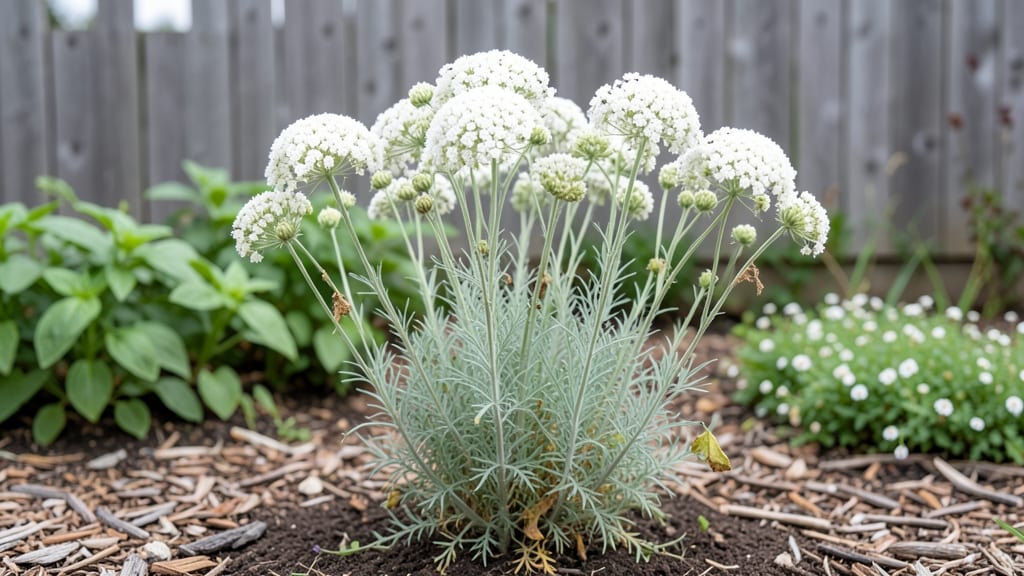
White ball flowers bring dreamy texture to Pacific Northwest gardens where they thrive through frost and rain. 🌿 I fell for their airy, cloud-like blooms during a damp spring in Portland—nothing else creates that soft, romantic contrast to the region’s bold evergreens.
These flowers aren’t just pretty; they’re pollinator magnets that keep bees buzzing even when other plants are dormant.
The real magic happens in late spring through early summer, when their rounded clusters pop against dark foliage or stand alone in containers.
Pair them with deep purples like salvia or soft blues like delphiniums for a cottage garden feel, or let them float in a modern arrangement with eucalyptus stems. Their frost resistance means you can plant them early—no waiting for warm soil to risk bolting.
What you’ll love most is how effortless they are: minimal deadheading keeps them blooming, and they self-seed reliably (though not invasively). The texture alone transforms any bed—imagine them spilling over a raised edge or anchoring a wildflower meadow.
For arrangements, their papery petals hold shape longer than most cut flowers, making them a florist’s secret weapon.
Whether you’re designing a cutting garden, a pollinator-friendly border, or just want to add drama with minimal fuss, these flowers deliver. Here’s how to make the most of their natural charm—without overcomplicating your garden plan.
📚 In This Guide
- What you need
- Instructions
- Tips and common mistakes
- Wrapping up and next steps
What you need
- ● Seeds or bulbs: Choose cold-hardy varieties like Anemone nemorosa (wood anemone) or Ranunculus (buttercup). Buy 5–10 bulbs/seeds per plant for fuller blooms.
- ● Well-draining soil: Mix 1 part compost with 2 parts native soil (or potting mix for containers). Aim for a pH of 6.0–7.0.
- ● Organic mulch: 2–3 inches of cedar chips or straw to retain moisture and insulate roots.
- ● Watering can or hose: With a gentle spray nozzle to avoid disturbing delicate stems.
- ● Garden trowel or bulb planter (for digging holes 1–2 inches deep for bulbs).
- ○ Gloves (optional but recommended—thorny stems can be sneaky!).
- ● Pruners or shears (for trimming dead foliage post-bloom).
- ● Fertilizer: Balanced 10-10-10 or bone meal (sprinkle lightly at planting time).
- ○ Container (optional): 6–8 inch pots with drainage holes for urban gardens.
- ● 🌡️ Timing: Plant bulbs in early fall (Sept–Oct) for spring blooms—just before the first frost!
- ● 💡 Light: Partial shade (3–6 hours of sun/day) mimics their native woodland habitat.
- ● 🐝 Pollinator boost: Pair with heather or salvia to attract bees and butterflies!
How to plant and care for white ball flowers in the Pacific Northwest
These hardy perennials thrive in our cool, damp climate—here’s how to grow them successfully.
🌱 Step 1: Choose the Right Planting Location
White ball flowers (also called Anemone nemorosa) love partial shade, especially in hotter inland PNW areas. Select a spot with dappled sunlight—think 3-6 hours of morning sun and afternoon shade under trees or shrubs. Too much direct sun causes leaves to scorch, while too little light weakens blooms.
Test your spot by observing how sunlight moves across the ground. If the area stays damp longer, that’s ideal—they tolerate wet soil better than drought. Avoid low spots where water pools after rain, as their roots need good drainage but not soggy conditions.
🪴 Step 2: Prepare the Soil and Plant Bare-Root Tubers
White ball flowers prefer moist, well-draining soil with a slightly acidic to neutral pH (6.0-7.0). Amend heavy clay soil with 2-3 inches of compost or sand to improve drainage. If your soil is sandy, mix in 1-2 inches of peat moss to retain moisture.
Plant bare-root tubers in early fall or late winter (just before new growth begins). Dig a hole 3-4 inches deep and space tubers 6-12 inches apart—closer spacing works for woodland edges, while 12 inches gives them room in open gardens. Place each tuber with the eyes (buds) facing upward—this ensures they’ll grow straight.
☀️ Step 3: Water and Mulch for Frost Resistance
After planting, water deeply to settle the soil and encourage root growth. Keep the area consistently moist (but not waterlogged) for the first 2-3 weeks, then reduce to once a week unless there’s no rain. These flowers are drought-tolerant once established, but young plants need steady moisture.
Apply 2-3 inches of mulch (shredded bark or leaf litter) to protect tubers from freeze-thaw cycles. In the PNW’s wet winters, mulch also prevents soil erosion and keeps roots insulated. Replenish mulch in early spring to support new growth.
✂️ Step 4: Prune and Divide for Long-Term Health
Deadhead spent blooms in late spring to encourage a second flush of flowers. Cut back foliage to 6 inches tall in early fall to tidy the garden and reduce winter dieback. Avoid cutting too late—leaving some foliage protects the crown during frost.
Divide clumps every 3-4 years in early spring or fall. Dig up tubers, separate into smaller sections with 2-3 buds each, and replant immediately. This prevents overcrowding and rejuvenates blooms. If you notice fewer flowers, division is your signal to act.
🌿 Step 5: Protect from Slugs and Encourage Pollinators
White ball flowers are slug magnets, especially in damp PNW gardens. Set out beer traps (bury a shallow dish filled with beer) or sprinkle diatomaceous earth around plants at night. Handpick slugs in the morning—it’s tedious but effective.
These flowers attract bees, butterflies, and hummingbirds, so avoid pesticides. Plant them near native grasses or ferns to create a pollinator-friendly understory. The more wildlife visits, the better your blooms will thrive!
Tips & tricks for perfect white ball flower planting
These hardy perennials are low-maintenance once established—but a few simple tricks will help you get the most stunning blooms from day one.
Location Scouting Tip: I always scout potential spots in late afternoon when the sun is lower. Look for areas where sunlight hits for just 3-6 hours—morning sun is ideal because afternoon heat can scorch delicate leaves. If your yard has hot microclimates, test locations by placing a white plate in potential spots for a week to track sunlight patterns.
Soil Prep Strategy: For heavy clay soil, I recommend mixing in equal parts compost and sand (about 1.5 inches each) to create that perfect drainage. In sandy areas, peat moss works wonders—but don't overdo it. Too much peat can make soil too acidic. I test soil pH with a simple kit before planting to ensure it's in that sweet 6.0-7.0 range.
Planting Timing Secret: The early fall window is actually my preferred time—it gives tubers time to establish roots before winter. If planting in late winter, wait until the ground is workable (not frozen) but before buds start swelling. I mark my calendar for mid-February in most PNW zones, as this gives a head start on spring growth.
Mulching Hack: Don't just throw mulch on top—create a 2-inch "mulch donut" around each plant by piling it higher at the edges. This creates a microclimate that keeps roots warmer in winter and cooler in summer. I use shredded cedar bark because it's slug-resistant and breaks down slowly.
Pro Tips for White Ball Flowers
- These hardy perennials are low-maintenance once established—but a few simple tricks will help you get the most stunning blooms from day one.
- Location Scouting Tip: I always scout potential spots in late afternoon when the sun is lower.
- Soil Prep Strategy: For heavy clay soil, I recommend mixing in equal parts compost and sand (about 1.5 inches each) to create that perfect drainage.
Frequently asked questions
Got questions about white ball flowers?
You’re not alone! Here are some of the most common queries—plus expert answers—to help you grow and enjoy these Pacific Northwest pollinator favorites with ease.
What’s the best time to plant white ball flowers in my region?
For the Pacific Northwest, plant seeds in early spring (March–April) or late summer (August–September) for fall blooms. If starting indoors, sow 6–8 weeks before the last frost. These hardy perennials thrive in zones 5–9, so timing isn’t critical—but early spring gives them a head start!
Why aren’t my white ball flowers attracting pollinators like bees or butterflies?
If pollinators are scarce, check these fixes:
- Bloom time: Plant near other nectar sources (e.g., lavender, coneflowers) for a "pollinator buffet."
- Water stress: Drought can reduce nectar production—keep soil consistently moist.
- Pesticides: Avoid chemicals; opt for neem oil or hand-picking pests instead.
Can white ball flowers survive a hard frost, or do I need to protect them?
Yes! These frost-resistant beauties handle temps down to 0°F (-18°C) with no extra care. For extra safety in young plants, mulch with straw or leaves in winter. Their silvery foliage even insulates roots naturally—no fuss required!
What’s a good alternative if white ball flowers don’t thrive in my garden?
Try these low-maintenance, pollinator-friendly substitutes:
- Yarrow (Achillea): Drought-tolerant, white blooms, and deer-resistant.
- Blanket flower (Gaillardia): Thrives in heat, attracts butterflies, and blooms all summer.
- Russian sage (Perovskia): Silvery foliage + purple spikes for late-season color.
How do I propagate white ball flowers to share with friends?
Easy! Divide mature clumps in early spring or fall:
- Dig up the plant and gently separate roots into 3–4 inch sections with 3–5 leaves each.
- Replant divisions 12–18 inches apart in well-draining soil.
- Water lightly for 2 weeks to reduce transplant shock.
Wrapping up and next steps
White ball flowers—those charming, frost-hardy blooms—are a true gem of the Pacific Northwest.
Whether you're a gardener looking to boost pollinator populations or simply admiring their resilience, these flowers prove that beauty thrives even in cooler climates. Ready to make your garden a pollinator paradise? Start by planting a few white ball flowers this season, and watch your outdoor space transform into a buzzing, blooming haven! 🌸🐝