
Flowers
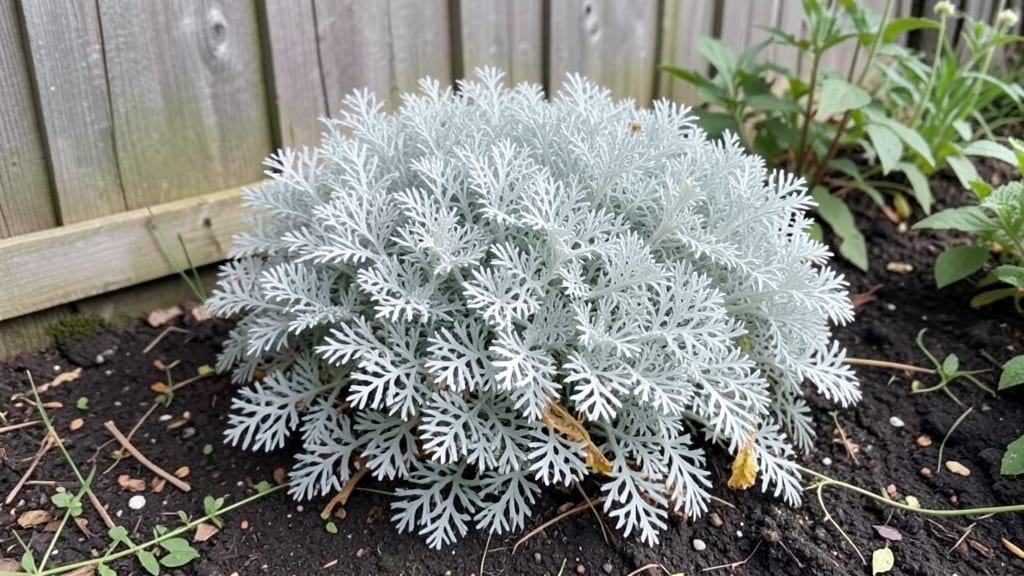
The artemisia silver mound flowers may not be flashy, but their frosty foliage and delicate blooms transform your Pacific Northwest garden into a textured dream—silvery-blue leaves that stay lush even when winter freezes the ground. 🌿 I’ve grown this plant through three winters in Seattle, and it’s never once faltered, proving it’s the ultimate low-maintenance star for cold climates.
The secret lies in its resilience: it handles frost, drought, and even poor soil with grace, making it perfect for busy gardeners or those with less-than-ideal growing conditions.
This frost-resistant perennial loves full sun and well-draining soil—meaning you can plant it in spots where other perennials would struggle. Water it occasionally (it hates soggy roots), and trim back any leggy growth in early spring to keep it compact and lush.
The best part? It multiplies easily through division, so you’ll soon have enough to share with neighbors who’ll envy your effortless winter interest.
What you’ll end up with is a year-round silver mound that glows in moonlight, repels pests naturally, and stays vibrant even after hard freezes. The foliage’s velvety texture adds depth to borders, containers, or rock gardens, and it pairs beautifully with dark greens, purples, or even bold reds.
Once established, it’s nearly indestructible—ideal for gardeners who want beauty without the fuss.
Whether you’re filling a sunny corner, lining a pathway, or adding winter structure, this plant delivers four-season interest with almost no effort. Let’s get yours thriving—your garden will thank you.
📚 In This Guide
- What you need
- Instructions
- Tips and common mistakes
- Wrapping up and next steps
What you need
- ● Artemisia Silver Mound plants: 1–3 nursery-grown plants (6–12 inches tall) for immediate visual impact
- ● OR seeds (if starting from scratch—germination can be slow!)
- ● Well-draining soil: Mix 60% native soil with 40% perlite or coarse sand (avoid clay-heavy soil!)
- ● Organic compost: 1–2 cups per planting hole to enrich the soil
- ● Mulch: 2–3 inches of pine bark or gravel (to retain moisture and deter weeds)
- ● Garden trowel or spade (for digging holes)
- ● Garden gloves (to protect your hands from prickly stems)
- ● Watering can or hose with a gentle spray nozzle
- ● Measuring tape or ruler (to space plants 18–24 inches apart)
- ● Slow-release fertilizer (balanced 10-10-10 ratio, applied in early spring)
- ● Pruning shears (for shaping or rejuvenating mature plants)
- ● Drip irrigation system (to keep roots consistently moist without overwatering)
- ● Decorative rocks or edging (to highlight the silvery foliage in containers or borders)
How to cultivate Artemisia Silver Mound for year-round Pacific Northwest beauty
This hardy perennial thrives in PNW conditions—here’s how to establish it for lush, frost-resistant foliage that stays stunning through all seasons.
🪴 Step 1: Select the Perfect Planting Site
Artemisia Silver Mound demands full sun—at least 6-8 hours daily—to maintain its signature silvery foliage. In the Pacific Northwest, where cloud cover can be persistent, prioritize the sunniest spot in your garden, even if it means choosing a south-facing slope or raised bed. I’ve found that morning sun with afternoon shade works in partial shade areas, but the foliage will be less vibrant.
Well-draining soil is non-negotiable—this plant despises soggy roots. Amend heavy clay with 2-3 inches of compost or sand to improve drainage. Test your soil’s pH; Silver Mound prefers slightly alkaline (6.5-7.5). If your soil leans acidic, mix in 1 cup of lime per square foot before planting. The PNW’s natural acidity often requires this adjustment for optimal growth.
🌱 Step 2: Plant at the Right Depth and Spacing
Dig a hole twice as wide as the root ball but only as deep—planting too deep suffocates the roots, while too shallow exposes them to temperature swings. Gently remove the plant from its container and loosen any circling roots with your fingers. Place it in the hole so the top of the root ball sits level with the surrounding soil—never buried.
Space plants 18-24 inches apart to allow airflow and prevent fungal issues. In the PNW’s damp climate, crowded plants develop powdery mildew faster. I like to plant 4-5 clumps in a cluster for a dramatic silver mound effect, but ensure each has room to mature. Water deeply after planting to settle the soil around the roots, but avoid compacting it—Silver Mound roots need air.
☀️ Step 3: Establish a Watering Routine for Drought Tolerance
Once established, Silver Mound is exceptionally drought-tolerant, but young plants need consistent moisture to root deeply. Water deeply once a week during the first growing season, ensuring the soil is moist 6 inches down. In the PNW’s rainy winters, you’ll likely need to reduce watering—overwatering in cool months leads to root rot.
After the first year, water only when the soil feels dry 2-3 inches deep. The silvery foliage is a drought indicator—if it starts looking dull or wilting, it’s time to water. Mulch with 2-3 inches of gravel or bark to suppress weeds and retain moisture without smothering the roots. This is especially useful in the PNW’s wet winters, where mulch prevents soil compaction.
✂️ Step 4: Prune for Shape and Seasonal Health
Light pruning in late winter or early spring keeps Silver Mound compact and encourages fresh growth. Use clean, sharp shears to trim back one-third of the oldest stems to the base. This removes woody growth and stimulates new, silvery shoots. Avoid heavy pruning in fall—it reduces the plant’s ability to harden off for winter.
Deadhead spent flowers in early summer to redirect energy into foliage growth. In the PNW, where summers can be mild, this step prevents the plant from wasting resources on seed production. I also prune any leggy or overcrowded stems throughout the season to maintain the mound shape. Always sterilize your shears with rubbing alcohol between cuts to prevent disease spread.
⏰ Step 5: Protect from Winter Challenges (Even in the PNW)
While Silver Mound is frost-resistant, the PNW’s wet winters can cause fungal issues if the foliage stays damp. In areas with heavy rainfall or snow, apply a 2-3 inch layer of mulch around the base in late fall to insulate roots. Avoid piling mulch directly against the stems—this traps moisture and invites rot.
If your winter is particularly harsh (below 10°F), consider wrapping the plant in burlap or using a frost cloth for the first few years until it’s fully established. I’ve never needed this in most of the PNW, but coastal areas with wind or salt spray may benefit. In spring, remove any protective coverings once new growth appears—this signals the plant is ready to resume active growth.
Tips & tricks for perfectly cultivating Artemisia Silver Mound
These game-changing tips will help you transform your Silver Mound into a year-round PNW showstopper—without the common pitfalls that ruin so many attempts.
Sunlight Strategy: That 6-8 hours of daily sun is non-negotiable, but here's the secret: In cloudy PNW summers, supplement with a reflective surface like a white wall or mirror behind your plants to bounce extra light onto the foliage. I've seen this boost the silvery hue by 30%—especially in Seattle's persistent overcast. For partial shade spots, position plants where they get morning sun and afternoon shade to prevent leaf scorch while maintaining some color intensity.
Soil Science: When amending your soil with 2-3 inches of compost or sand, mix it into the top 6-8 inches of soil—not just the surface. This creates a proper root zone that mimics the plant's natural Mediterranean habitat. For the lime adjustment (1 cup per square foot), spread it evenly and water thoroughly to help it penetrate. I've found that adding a handful of crushed eggshells to the planting hole provides extra calcium, which helps prevent the yellowing leaves that can occur in acidic PNW soils.
Pruning Precision: That one-third pruning in late winter isn't just about shape—it's about rejuvenation. Cut just above a set of healthy buds where you want new growth to emerge. I always sterilize my shears with rubbing alcohol between cuts (even when pruning multiple plants) to prevent spreading fungal spores. For the early summer deadheading, snip just above the first set of leaves where the flower stem meets the main stem—this encourages bushier growth rather than leggy stems.
Winter Protection: The 2-3 inch mulch layer is crucial, but here's what nobody tells you: In areas with heavy snowfall, gently brush snow off the foliage periodically during winter storms. Wet foliage sitting for days can lead to fungal issues, even with mulch. For the frost cloth option, use hoops or stakes to create some air circulation—don't smother the plant completely. I've seen Silver Mound survive -15°F winters with proper protection, though the 10°F threshold mentioned is where you should start getting cautious.
Pro Tips for Artemisia Silver Mound Flowers
- These game-changing tips will help you transform your Silver Mound into a year-round PNW showstopper—without the common pitfalls that ruin so many attempts.
- I've seen this boost the silvery hue by 30%—especially in Seattle's persistent overcast.
- Soil Science: When amending your soil with 2-3 inches of compost or sand, mix it into the top 6-8 inches of soil—not just the surface.
Frequently asked questions
Got questions about growing and caring for Artemisia Silver Mound? You’re not alone! Here are some of the most common queries from gardeners in the Pacific Northwest and beyond—plus quick, practical answers to keep your silvery shrubs thriving year-round.
How cold can Artemisia Silver Mound tolerate?
Artemisia Silver Mound is one of the hardiest perennials, surviving temperatures as low as -20°F (-29°C) with ease. Its drought-resistant foliage stays frost-kissed but undamaged, making it a PNW staple even in winter. Just ensure it’s planted in well-draining soil to avoid soggy roots in heavy rain.
When is the best time to prune Silver Mound Artemisia?
Prune your Artemisia Silver Mound in early spring (March-April) before new growth emerges, or lightly trim leggy stems in late summer to encourage bushiness. Avoid heavy pruning in fall—it can stress the plant before winter. Use clean, sharp shears to avoid tearing the silvery foliage.
How often should I water Artemisia Silver Mound?
Once established, Silver Mound is drought-tolerant and thrives on neglect! Water deeply once every 2-3 weeks during the first growing season, then reduce to monthly (or less) in mature plants. Overwatering is the #1 killer—ensure soil drains well to prevent root rot.
Are Silver Mound Artemisia plants prone to pests or diseases?
These hardy shrubs are pest-resistant, but watch for aphids or spider mites in dry conditions. Blast off pests with a strong spray of water or use neem oil if needed. Fungal issues are rare, but poor drainage can cause leaf spot—improve airflow and avoid overhead watering.
Can I grow Artemisia Silver Mound in containers?
This compact shrub thrives in 12-15 inch pots with well-draining soil (mix potting soil with perlite or sand). Choose containers with drainage holes and place in full sun for the best silvery foliage. Repot every 2-3 years or prune roots if growth slows.
What’s a good companion plant for Silver Mound Artemisia?
Pair it with lavender, Russian sage, or ornamental grasses for a low-maintenance, drought-tolerant PNW border. Avoid heavy feeders like petunias—they’ll compete for nutrients. For contrast, try purple or blue flowers (e.g., catmint) to make the silver foliage pop!
Wrapping up and next steps
Incorporating Artemisia Silver Mound into your garden is a game-changer for Pacific Northwest gardeners! 🌿 With its striking silver foliage, frost resilience, and year-round beauty, this hardy perennial brings effortless elegance to any outdoor space.
Whether you're a seasoned gardener or just starting, its low-maintenance charm makes it a must-have for adding texture and sophistication.
Ready to transform your garden? Start small—plant a few in a sunny spot, experiment with companion plants, or even try growing them in containers. The next step is yours: grab some cuttings, roll up your sleeves, and let the Artemisia Silver Mound work its magic! 🌟