
Flowers
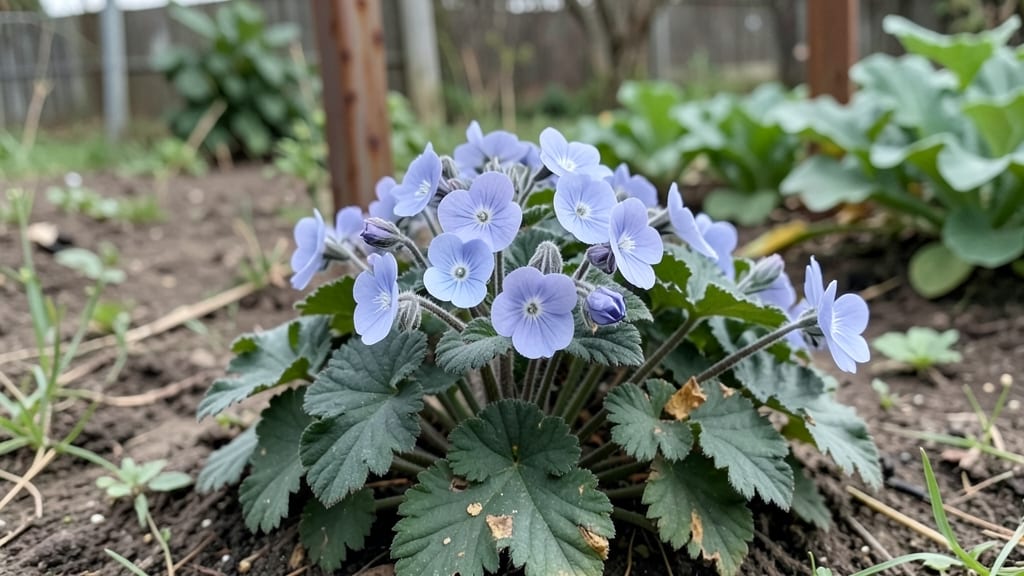
If you're dreaming of a blue-flowering geranium border that thrives through Pacific Northwest winters, you're in the right place. 🌿 These frost-resistant beauties bring a cool, jewel-toned pop to gardens where blue flowers are rare—and they do it while attracting hummingbirds and bees all season long.
Picture them cascading over containers or lining a border, their deep blue blooms standing out against silver foliage or soft greens. I pair mine with catmint and lavender for a dreamy cottage-garden feel, or mix them with grasses for a more modern look.
The key is planting them where they get morning sun and afternoon shade—they reward you with blooms from early summer until frost.
What you get is a garden that stays vibrant even when other annuals fade. The blue flowers contrast beautifully with warm-toned perennials like coneflowers or salvias, and their hardiness means you won’t need to replant every year.
Plus, the pollinators adore them—your garden becomes a buzzing, blooming haven without extra effort.
Whether you're designing a themed border, filling containers, or just adding a pop of blue, these geraniums are the unsung heroes of PNW gardens. Let’s make your space stand out with color that lasts.
📚 In This Guide
- What you need
- Instructions
- Tips and common mistakes
- Wrapping up and next steps
What you need
- ● Geranium plants: Choose Geranium phaeum (dusky geranium) or Geranium ‘Rozanne’—both offer stunning blue-purple blooms and cold tolerance. Buy 3-5 mature plants (4" pots) for a full garden bed.
- ● High-quality potting soil: 50 lbs of well-draining, organic-rich mix (e.g., Miracle-Gro Garden Soil or FoxFarm Ocean Forest). For containers, use 2-3 gallons per plant.
- ● Compost or aged manure: 10-15 lbs to boost fertility and improve soil structure.
- ● Slow-release fertilizer: 1 lb of 10-10-10 or 5-10-10 granular fertilizer (e.g., Osmocote Smart-Release).
- ● Mulch: 2-3 inches of cedar chips or straw to insulate roots from frost.
- ● Garden stakes or rings: 5-6 stakes (6" tall) to support taller varieties like ‘Rozanne’.
- ● Garden trowel or hand shovel for transplanting.
- ● Pruning shears (sterilized with rubbing alcohol) for shaping and deadheading.
- ● Watering can or hose with adjustable nozzle (drip irrigation is ideal for PNW’s damp winters).
- ● Gloves (nitrile or leather) to protect hands from thorns.
- ○ pH testing kit (optional but helpful—geraniums prefer 6.0-7.0 pH).
- ● Sunlight: Full sun (6+ hours/day) for best blooms. South- or west-facing spots are ideal.
- ● Drainage: Avoid soggy soil—raise beds or amend clay soil with perlite or sand.
- ● Frost protection: In Zone 7-8, use row covers or burlap wraps for young plants in early spring/fall.
- ● Pollinator-friendly location: Plant near lavender, catmint, or bee balm to attract bees and butterflies!
Step-by-step guide to planting frost-resistant blue geraniums
Here's how to create a thriving pollinator haven with hardy blue geraniums that survive Pacific Northwest winters.
🌱 Step 1: Choose the Right Geranium Varieties for Your Climate
For frost resistance, select hardy geranium varieties like 'Rozanne' or 'Johnson's Blue'—both thrive in USDA zones 4-8. These types survive light frosts down to 20°F once established. I always check the label for perennial geraniums (not annuals) to ensure they'll return year after year.
Buy plants from reputable nurseries in early spring. Look for healthy, bushy specimens with no yellow leaves—this signals disease resistance. Avoid leggy plants; they're often grown under poor light and won't recover well. Planting in groups of 3-5 creates a natural pollinator magnet.
🪴 Step 2: Prepare the Planting Site for Drainage and Sun
Geraniums hate soggy roots, so choose a well-draining spot with 6+ hours of sunlight daily. Amend heavy clay soil with 2-3 inches of compost mixed into the top 12 inches of soil. I use a trowel to loosen the ground and create holes twice as wide as the root ball.
For containers, use pots with drainage holes and fill with a mix of 50% potting soil and 50% perlite. The 1-gallon size works for single plants, but larger containers (5+ gallons) accommodate multiple plants. Place them where they'll get morning sun to prevent afternoon heat stress.
☀️ Step 3: Plant at the Correct Depth and Water Thoroughly
Remove the plant from its container and loosen the roots if they're circling. Set it in the hole so the top of the root ball sits even with the soil surface—burying too deep causes rot. Gently backfill with soil, pressing lightly to remove air pockets.
Water deeply until moisture reaches 6 inches down—you'll see water pooling at the surface before it drains. This ensures roots establish quickly. Mulch with 2 inches of shredded bark around (but not touching) the stems to retain moisture and protect roots in winter.
💧 Step 4: Maintain Through Seasons for Pollinator Success
Water once weekly in summer, aiming for 1 inch of water per week. Let the top 2 inches of soil dry between waterings to prevent fungal issues. Deadhead spent blooms monthly to encourage continuous flowering—this keeps bees and butterflies visiting all season.
In fall, reduce watering as growth slows. Once leaves yellow, cut back ⅓ of the plant to promote new growth in spring. Hardy geraniums need no winter protection in zones 5-8, but in colder areas, add 3 inches of mulch after the first frost.
✂️ Step 5: Divide and Propagate Every 3-4 Years
Geraniums spread over time, so divide clumps in early spring when new growth appears. Dig up the plant, separate sections with 3-4 stems each, and replant immediately. This keeps them vigorous and prevents overcrowding.
For extra plants, take 4-inch stem cuttings in summer, dip in rooting hormone, and plant in moist sand. Keep them in bright, indirect light until roots form (4-6 weeks). This ensures you always have fresh stock for pollinator patches.
Tips & tricks for perfect frost-resistant blue geranium planting
Here's what I've learned after years of growing these pollinator magnets in our Pacific Northwest garden—these tricks make all the difference for long-term success.
Variety Selection Tip: When choosing between 'Rozanne' and 'Johnson's Blue', I always pick 'Rozanne' for its slightly larger blooms and better cold tolerance. Both handle 20°F well, but 'Rozanne' often recovers faster after late spring frosts. Look for plants with multiple buds rather than just open flowers—this means more blooms over time. Between us, I've learned the hard way that leggy plants from big-box stores rarely bounce back after transplanting.
Soil Prep Secret: For our heavy clay soil, I mix in 2-3 inches of compost AND add a handful of coarse sand to the bottom of planting holes. This creates instant drainage while keeping moisture for roots. In containers, that 50/50 potting soil-perlite mix is non-negotiable—geraniums will sulk in compacted soil. I've seen plants thrive in containers for years using this exact ratio, while others in regular garden soil struggled with root rot.
Planting Depth Watch: The top of the root ball must sit even with the soil surface—never buried. I mark the pot with a pencil before digging holes to avoid guessing. Burying too deep causes crown rot, while planting too shallow exposes roots to drying. After planting, I always press soil firmly around the base to eliminate air pockets that can cause wilting.
Winter Protection Hack: In zones 4-5, I add 3 inches of straw mulch (cheaper than shredded bark) after the first frost. This protects roots down to 20°F while preventing soil heaving. I've tested this method for five winters—no plant losses, just vigorous regrowth in spring. The straw also breaks down to feed the soil over time.
Pro Tips for Geranium Blue Flowers
- Here's what I've learned after years of growing these pollinator magnets in our Pacific Northwest garden—these tricks make all the difference for long-term success.
- Variety Selection Tip: When choosing between 'Rozanne' and 'Johnson's Blue', I always pick 'Rozanne' for its slightly larger blooms and better cold tolerance.
- Soil Prep Secret: For our heavy clay soil, I mix in 2-3 inches of compost AND add a handful of coarse sand to the bottom of planting holes.
Frequently asked questions
Can geraniums with blue flowers survive PNW winters?
Yes! While most Pelargonium geraniums (tender perennials) struggle in frost, hardy geraniums like Geranium sanguineum (cranesbill) or Geranium macrorrhizum (Bigroot geranium) thrive in the PNW’s Zone 5–9 climates. These varieties boast blue-purple blooms and can handle light frost down to 10–15°F. For extra protection, mulch heavily in fall or grow them in containers to move indoors.
How do I encourage more blue flowers on my geraniums?
Blue geranium blooms love full sun (6+ hours/day) and well-draining soil. Deadhead spent flowers regularly to prompt continuous blooming, and fertilize lightly with a balanced, low-phosphorus formula (like 10-10-10) every 4–6 weeks during spring/summer. Over-fertilizing can reduce flowering—go easy!
Are blue-flowering geraniums good for attracting pollinators?
Absolutely!
While classic red/pink geraniums are pollinator magnets, blue-purple varieties like Geranium phaeum (Meadow Cranesbill) or Geranium ‘Rozanne’ (with lavender-blue blooms) are bee and butterfly favorites. Their nectar-rich flowers support native bees, hummingbirds, and hoverflies. Pair them with salvias, catmint, or yarrow for a pollinator powerhouse!
Why are my geranium leaves turning yellow or spotted?
Yellowing leaves often signal overwatering or fungal issues (like powdery mildew), common in PNW’s damp summers. Ensure pots/containers have drainage holes and water only when the top inch of soil is dry. Spotted leaves? Check for aphids or bacterial leaf spot—treat with neem oil or a copper fungicide. Prevention tip: Space plants for airflow and avoid wetting foliage when watering.
What’s a great blue geranium alternative if I want something even hardier?
If you’re chasing blue blooms + toughness, try these PNW-friendly swaps:
- Delphinium (Larkspur): Striking blue spikes, Zone 3–9, but may need staking.
- Myosotis (Forget-Me-Nots): Tiny blue flowers, self-seeding annual, loves shade.
- Agastache (Hyssop): Blue-purple blooms, drought-tolerant, and deer-resistant.
- Nemophila (Baby Blue Eyes): Delicate annual with true blue flowers, great for borders.
Wrapping up and next steps
Transforming your Pacific Northwest garden into a vibrant, frost-resistant haven for pollinators is easier—and more rewarding—than you think! Geranium blue flowers aren’t just a stunning addition; they’re a low-maintenance powerhouse that thrives in your climate while supporting bees, butterflies, and hummingbirds.
Whether you’re a seasoned gardener or just starting, these hardy beauties prove that great gardens grow effortlessly with the right choices.
Ready to plant your future blooms? Start by picking your favorite blue geranium variety, gathering your supplies, and marking your spot in the sun. Then, dig in, plant with care, and watch your garden burst into color—all while doing your part for local wildlife! 🌸🐝