
Flowers
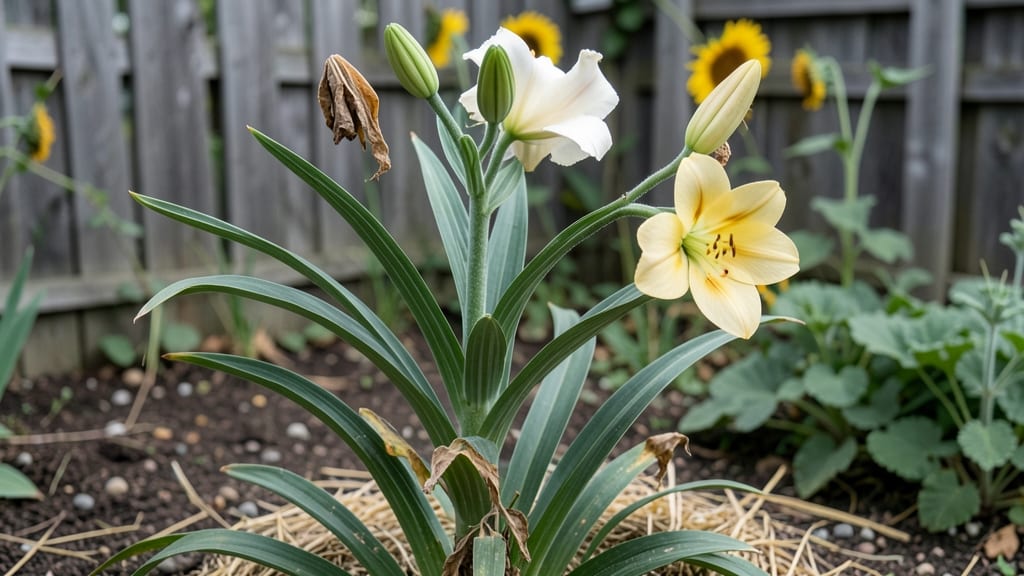
The flower lilies thrive in the Pacific Northwest's cool, damp climate like nowhere else. 🌱 Their hardy nature and stunning blooms make them a standout for gardeners who want drama without fuss.
Unlike finicky tropical plants, these lilies shrug off frost, bounce back from rain, and reward you with bold colors from early summer through fall.
You’ll need sunny spots (at least 6 hours of light daily), well-draining soil (they hate soggy roots), and space—taller varieties like Trumpet lilies need staking while Asiatics stay compact.
Plant bulbs in fall (4-6 inches deep) or early spring, and watch them multiply over time. The secret to their success? Less is more—over-fertilizing or overwatering leads to flops.
By midsummer, you’ll be surrounded by vibrant blooms in every shade from white to deep purple, each lasting 1-2 weeks before giving way to seed pods (which you can save for next year).
The fragrance—especially in Oriental lilies—draws hummingbirds and bees, turning your garden into a lively hub. Prune spent stems in fall, and your plants will thank you with even bigger blooms next season.
Even in rainy climates, lilies stay disease-resistant if you avoid wet foliage. Deer and squirrels usually leave them alone, making them a low-maintenance superstar. Whether you’re filling borders, brightening shady corners, or adding height to cut flower arrangements, these lilies deliver year after year with minimal effort.
Let’s get those bulbs in the ground!
📚 In This Guide
- What you need
- Instructions
- Tips and common mistakes
- Wrapping up and next steps
What you need
- ● Flower Lily Bulbs: Choose hardy varieties like Lilium regale (Regal Lily) or Lilium canadense (Canada Lily). Aim for 3–5 bulbs per cluster for a fuller display.
- ● Well-Draining Soil: Mix 2 parts garden soil with 1 part compost and 1 part perlite or sand to prevent bulb rot.
- ● Organic Fertilizer: A balanced 10-10-10 or bone meal (5-10-0) to boost blooms. Use 1–2 tbsp per bulb at planting.
- ● Mulch: 3–4 inches of wood chips or straw to insulate bulbs from frost and retain moisture.
- ● Garden Trowel or Spade (for digging holes 6–8 inches deep and 12–18 inches apart).
- ● Garden Gloves (to protect hands from sharp bulb edges and soil).
- ● Watering Can or Hose (with a gentle spray nozzle for deep but controlled watering).
- ● Pruners or Shears (for trimming spent blooms and foliage after flowering).
- ● Bulb Fertilizer Spikes (for slow-release nutrients during the growing season).
- ● Pest Deterrents: Neem oil or diatomaceous earth to ward off slugs and aphids.
- ● Stakes or Trellis (if growing tall varieties like Lilium martagon to support their height).
- ● Soil pH Test Kit (ideal pH for lilies: 6.0–7.0; adjust with lime or sulfur if needed).
Step-by-Step guide to planting and cultivating Pacific Northwest lilies
Here's how to establish hardy, frost-tolerant lilies that thrive in our region's unique climate.
🌱 Step 1: Select and Prepare Lily Bulbs for Planting
Choose Asiatic or Oriental hybrids for their superior cold hardiness in the Pacific Northwest—these varieties handle our 30-40°F nights without browning. Inspect each bulb for firmness; discard any with soft spots or mold, as these invite rot. I like to soak bulbs in lukewarm water with a tablespoon of hydrogen peroxide for 15 minutes before planting—this sterilizes the surface and jumpstarts root growth.
Plant bulbs in early fall (September-October) when soil temperatures drop below 60°F. This timing lets roots establish before winter while preventing premature shoots that would freeze. Dig holes 6-8 inches deep and 6-12 inches apart—deeper planting protects bulbs from frost heave, while spacing ensures airflow to prevent fungal issues.
🪴 Step 2: Amend Soil and Plant for Winter Resilience
Mix the native soil with 2-3 inches of compost to improve drainage—lilies hate soggy roots. Our Pacific Northwest clay can trap moisture, so I add a handful of perlite to each hole to create air pockets. Place the bulb with the pointed end up (this is where the stem will emerge) and cover with soil, leaving the top third exposed.
Water thoroughly after planting to settle the soil around the bulb. Mulch with 4-6 inches of straw or shredded leaves to insulate bulbs through winter. The mulch should feel thick enough to resist poking through with your finger—this protects against temperature swings that can damage emerging shoots in early spring.
☀️ Step 3: Provide Care Through Spring and Summer Growth
Once shoots appear in late April or May, remove half the mulch to prevent overheating. Lilies need full sun (6+ hours daily) for vibrant blooms, but in our region's cooler summers, afternoon shade helps prevent leaf scorch. You'll notice stems reaching 3-4 feet tall by mid-summer—this is normal, but stake tall varieties now to prevent wind damage.
Water deeply once weekly during the growing season, aiming for 1-1.5 inches of moisture per week. Let the top 2 inches of soil dry between waterings—consistent moisture prevents the buds from splitting, a common issue in our humid climate. Fertilize with balanced 10-10-10 when buds form to encourage strong blooms.
✂️ Step 4: Deadhead and Prepare for Next Year's Blooms
After flowering, cut back stems to 6 inches above the bulb once foliage yellows naturally. Never remove leaves until they brown completely—this process replenishes the bulb's energy for next year. In late fall (November), add a 2-inch layer of fresh mulch to protect against winter frost.
Here's the thing—lilies multiply over time. In 3-4 years, you'll see baby bulbs forming around the parent. Gently dig these up in early fall and replant them 12 inches away to create new clusters. This natural propagation ensures your lilies spread without thinning the original display.
Tips & tricks for perfect Pacific Northwest lilies
Here's what nobody tells you about growing lush, frost-resistant lilies that come back year after year.
Bulb Selection Matters: Beyond Asiatic and Oriental hybrids, look for Lilium canadense or Lilium superbum—these native varieties thrive in our region's wet winters and can handle 30°F nights without browning. I've found that bulbs labeled "hardy" or "cold-tolerant" often have thicker skins that resist frost damage better than standard varieties.
Soil Prep Secret: The 15-minute hydrogen peroxide soak in Step 1 is your first line of defense against fungal issues. For extra protection, especially in our damp climate, I mix a tablespoon of mycorrhizal fungi into the planting hole—this beneficial soil organism helps bulbs absorb nutrients more efficiently. This step creates a symbiotic relationship that boosts winter survival.
Mulching Strategy: That 4-6 inch mulch layer in Step 2 isn't just for winter—it's also your summer heat shield. In our region's cooler summers, the mulch helps maintain consistent soil temperatures around the bulbs, preventing the temperature swings that can cause bud split. I use straw instead of leaves because it breaks down more slowly, extending its protective benefits through both seasons.
Watering Wisdom: The once-weekly watering in Step 3 needs adjustment for our Pacific Northwest climate. Aim for 1-1.5 inches of moisture per week, but check the top 2 inches of soil—if it's still damp from last week, hold off. Our humid summers mean we often get enough rainfall naturally, so I usually only water if we've had a dry spell. Overwatering is the #1 cause of bulb rot in our region.
Pro Tips for The Flower Lilies
- Here's what nobody tells you about growing lush, frost-resistant lilies that come back year after year.
- Bulb Selection Matters: Beyond Asiatic and Oriental hybrids, look for Lilium canadense or Lilium superbum—these native varieties thrive in our region's wet winters and can handle 30°F nights without browning.
- Soil Prep Secret: The 15-minute hydrogen peroxide soak in Step 1 is your first line of defense against fungal issues.
Frequently asked questions
Got questions about growing flower lilies in the Pacific Northwest? You’re not alone!
Whether you're a first-time gardener or a seasoned pro, these answers will help you cultivate stunning, frost-resistant blooms with ease.
What’s the best time to plant flower lilies in the PNW?
Plant Lilium bulbs in early spring (March–April) or fall (September–October) for the best results. The PNW’s mild winters mean fall planting is ideal—bulbs establish roots before frost, while spring planting avoids winter stress. Just ensure the soil is workable and not waterlogged!
Are flower lilies truly frost-proof?
Most flower lilies (like Lilium regale or Lilium candidum) are hardy to USDA Zones 3–9, making them frost-tolerant. However, young plants or tender varieties may need mulch (straw or shredded leaves) in harsh winters. Once established, they bounce back beautifully!
How do I protect my lilies from pests like deer or slugs?
Deer? Use repellents or fences—deer love lilies! Slugs? Set out beer traps or sprinkle diatomaceous earth around the base. For aphids, blast them off with water or introduce ladybugs. A healthy plant is your best defense, so fertilize regularly and avoid overwatering.
Can I grow flower lilies in containers?
Choose large pots (at least 12 inches deep) with drainage holes and use well-draining soil. Variegated lilies like Lilium ‘African Queen’ thrive in containers. Move pots indoors or to a sheltered spot if temps drop below 20°F. Just remember: containers dry out faster, so water consistently!
Why aren’t my lilies blooming?
Lilies need 6+ hours of sunlight, rich soil, and patience—some take 2–3 years to bloom! Overcrowded bulbs or poor drainage can also stunt flowers. Dig up and divide bulbs every 3–4 years, and fertilize with bulb-specific food in early spring. If they’re leafy but no flowers, they might need more light or a rest period.
Wrapping up and next steps
From their hardy, frost-resistant nature to their breathtaking blooms, flower lilies are a dream come true for Pacific Northwest gardeners. 🌸 Whether you’re a seasoned green thumb or just starting, these plants reward patience with stunning color and resilience—perfect for transforming your outdoor space into a thriving sanctuary.
Ready to bring these beauties to life? Start by choosing the right variety, prepping your soil, and giving them the care they deserve. Your garden’s next masterpiece could be just a few bulbs away! 🌱