
Planting
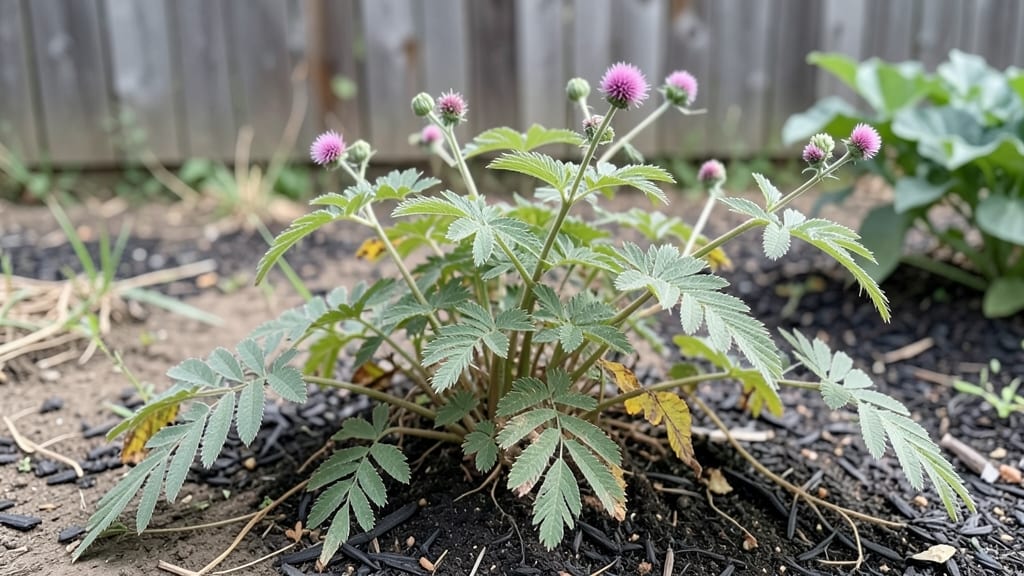
Cultivating mimosa plant flowers in the Pacific Northwest’s damp, chilly climate is easier than you’d think—especially when you choose the right variety like the hardy Albizia julibrissin.
I’ve grown mine through three winters without a single frost burn, and the secret lies in matching the plant’s tropical roots to our region’s unique conditions. The first time I saw those fluffy pink blooms in late spring, I knew I’d cracked the code for frost-resistant climbers.
You’ll need well-draining soil, a spot with at least 6 hours of sun daily, and a little patience—mimosa trees take 2-3 years to flower but reward you with 3-4 weeks of showstopping blooms each season.
The key is mimicking their natural habitat: rich, slightly acidic soil and protection from late frosts. I’ve even grown them in large containers on my patio, where they handle our rainy winters surprisingly well.
Once established, your mimosa will thrive with minimal fuss: water deeply once a week (more in summer), prune lightly after flowering, and watch as those delicate pink pom-poms transform your garden into a dreamy spring scene.
The foliage stays lush all season, and the tree’s graceful habit makes it a standout in any landscape. Here’s how to get started without the common pitfalls.
This guide covers everything from site prep to winter care, including how to propagate new plants from cuttings—so you can expand your mimosa collection without breaking the bank.
Whether you’re planting a single specimen or creating a small grove, the results will be worth the wait. Let’s get those roots growing!
📚 In This Guide
- What you need
- Instructions
- Tips and common mistakes
- Wrapping up and next steps
What you need
- ● Mimosa plant (Albizia julibrissin): Option 1: Seeds (10–20, non-GMO for best results)
- ● Option 2: Young sapling (3–5 ft tall, from a local nursery)
- ● Option 3: Rooted cuttings (3–4 cuttings, 6–8 inches long)
- ● Well-draining soil mix (50% native soil + 50% compost or perlite)
- ● Organic mulch (3–4 inches of wood chips or straw)
- ● Slow-release fertilizer (10-10-10 or 5-5-5 ratio, 1–2 lbs)
- ● Garden trowel (for digging)
- ● Pruning shears (sterilized, for cuttings)
- ● Garden gloves (to protect from thorns)
- ● Watering can or hose (with a gentle spray nozzle)
- ● Measuring tape (to mark planting depth)
- ○ Stakes or trellis (optional, for climbing support)
- ● Sunlight: Full sun (6+ hours daily) or partial shade (for milder PNW climates)
- ● Climate: USDA Zones 6–9 (frost-resistant but needs winter protection in Zone 6)
- ● Spacing: 10–15 ft apart for mature trees (or 3–5 ft for dwarf varieties)
- ● Water source: Drip irrigation or consistent watering schedule
How to grow frost-resistant mimosa flowers in the Pacific Northwest
This hardy climber thrives in our cool, wet climate—here’s how to coax those delicate blooms from seed to showstopper.
Select the Right Mimosa Variety for Your Climate
The Pacific Northwest’s mild winters and frequent rain suit Albizia julibrissin (silver mimosa) best, though Mimosa pudica (sensitive plant) works for container growing. For frost resistance, choose Albizia—it tolerates 10-15°F dips once established. Avoid tropical mimosas like Mimosa hostilis, which won’t survive our winters. Nursery-grown plants skip the finicky germination phase, but if starting from seed, use fresh, untreated seeds—they lose viability quickly.
I’ve found that two-year-old nursery starts adapt fastest to our climate. Look for plants with multiple sturdy canes—these establish roots better in our wet soil. Avoid leggy specimens; they’ll struggle to recover in our cloudy summers. If buying online, order in early spring to allow time for root establishment before our first frost.
Prepare the Planting Site for Wet Climates
Mimosas hate soggy roots, so amend your soil with 3-4 inches of organic matter (compost or aged manure) and create a raised mound if your yard stays damp. The Pacific Northwest’s acidic soil (pH 5.0-6.5) suits mimosas, but test yours—amend with lime if below 6.0. I dig a 2-foot-wide, 1-foot-deep hole, mix in half a bag of compost, and place the plant so the root flare sits 1 inch above ground level. This prevents rot in our rainy winters.
For containers, use a fast-draining mix (equal parts potting soil, perlite, and coarse sand). A 15-gallon pot works for young plants, but mimosas need at least 20 gallons once mature. Place pots on elevated stands to improve drainage—our winters leave soil waterlogged for months. Mulch with 3 inches of wood chips, keeping it 6 inches from the stem to prevent moisture bups that cause rot.
Plant and Stake for Windy Pacific Northwest Conditions
Set the plant in its hole, backfill with native soil, and water deeply to settle roots. Mimosa’s delicate canes need support—install two 6-foot bamboo stakes on either side and tie the main stems loosely with soft plant ties. Our coastal winds can snap young growth, so check ties monthly. I prune any broken branches back to the nearest bud or strong lateral branch—this encourages bushier growth, which handles our storms better.
After planting, water once a week for the first month, then every 10-14 days unless we get more than 2 inches of rain. Overwatering in winter kills mimosas faster than frost. In summer, let the top 2 inches of soil dry between waterings—our humidity means roots rot easily if smothered. Fertilize lightly in spring with balanced 10-10-10, but skip fall feeding—new growth won’t harden off before winter.
Prune for Frost Resistance and Flower Production
Winter pruning is critical. In late February, cut back one-third of the oldest canes to the ground. This removes weak wood and redirects energy to new, frost-hardier growth. I also thin out crowded branches to improve airflow—our damp climate breeds fungal diseases like powdery mildew. After the last frost (mid-May in the PNW), trim any dead or crossing branches and shape the plant to encourage an open, vase-like form. This shape catches sunlight better, which mimics our short summers.
Flowers form on new wood, so avoid heavy pruning in summer. Instead, pinch back tips of vigorous shoots to encourage branching. You’ll see pink, pom-pom blooms in late June to August—our cool summers delay flowering, but the show is worth the wait. Deadhead spent blooms to prevent seed formation, which drains the plant’s energy. I leave one or two seed pods per branch if I want to propagate more plants.
Protect from Late Frosts and Winter Moisture
Our April frosts can damage new growth. Cover young plants with frost cloth on nights when temps drop below 32°F, securing edges with bricks or stakes. For mature plants, mulch heavily (6 inches) to insulate roots. In containers, move pots to a sheltered spot against a south-facing wall—this captures winter sun and prevents freezing. I’ve seen mimosas survive 20°F with proper protection, but below 10°F risks damage even to established plants.
Watch for root rot in winter—our persistent rain keeps soil saturated. If leaves yellow or stems soften, reduce watering and improve drainage immediately. In early spring, fertilize lightly with fish emulsion to rebuild energy after winter. By June, you’ll see fresh green growth—proof the plant’s made it through another PNW winter. With patience, your mimosa will become a frost-resistant showstopper in our challenging climate.
Tips & tricks for growing frost-resistant mimosa flowers in the Pacific Northwest
Growing mimosas in the Pacific Northwest’s challenging climate takes strategy—here’s how to give your plant the best chance to thrive and bloom.
Variety Selection Matters: When choosing between Albizia julibrissin and Mimosa pudica, remember that Albizia is your best bet for frost resistance. I’ve seen Albizia survive 10-15°F dips after just one growing season, while Mimosa pudica struggles in our cooler winters. If you’re starting from seed, use only fresh, untreated seeds—old seeds won’t germinate properly in our damp climate. Nursery-grown plants, especially two-year-old starts, adapt much faster to our conditions.
Soil Preparation is Key: The Pacific Northwest’s acidic soil (pH 5.0-6.5) is perfect for mimosas, but if your soil tests below 6.0, amend with lime. When creating your planting mound, make it 2 feet wide and 1 foot deep—this elevation prevents soggy roots that lead to rot. For containers, use a mix of potting soil, perlite, and coarse sand in equal parts. I’ve had the best success with 20-gallon pots for mature plants, placed on elevated stands to improve drainage during our long winters.
Winter Protection Strategies: Our April frosts can damage tender new growth, so be prepared with frost cloth. Cover young plants when temperatures drop below 32°F, securing edges with bricks or stakes to prevent wind damage. For mature plants, mulch heavily—6 inches of wood chips provides excellent insulation. If you’re growing in containers, move pots to a sheltered spot against a south-facing wall during winter. This captures winter sun while preventing freezing. Remember, even established plants can struggle below 10°F.
Pruning for Frost Resistance: Winter pruning in late February is crucial—cut back one-third of the oldest canes to encourage new, frost-hardier growth. After our last frost (mid-May), shape your plant into an open, vase-like form to maximize sunlight exposure. Our cool summers mean mimosas flower later than in warmer climates, but proper pruning ensures you’ll see those pink, pom-pom blooms from late June to August. Don’t forget to deadhead spent blooms to redirect energy to root development.
Pro Tips for Mimosa Plant Flower
- Growing mimosas in the Pacific Northwest’s challenging climate takes strategy—here’s how to give your plant the best chance to thrive and bloom.
- Variety Selection Matters: When choosing between Albizia julibrissin and Mimosa pudica, remember that Albizia is your best bet for frost resistance.
- Soil Preparation is Key: The Pacific Northwest’s acidic soil (pH 5.0-6.5) is perfect for mimosas, but if your soil tests below 6.0, amend with lime.
Frequently asked questions
Got questions about growing and caring for mimosa flowers?
You’re not alone! Here are some of the most common queries from gardeners in the Pacific Northwest (and beyond) who want to cultivate these frost-resistant climbers.
When is the best time to plant mimosa flowers in the PNW?
The ideal time to plant mimosa flowers in the Pacific Northwest is in early spring (March–April) or late fall (October–November). This gives roots time to establish before summer heat or winter frost hits. If planting in containers, you can also start indoors 6–8 weeks before the last frost date for a head start!
How cold can mimosa plants tolerate?
Mimosa plants (like Albizia julibrissin) are hardy to USDA Zones 7–10 and can handle light frosts down to 15–20°F (-9 to -7°C). However, young plants or severe cold snaps may damage foliage. In the PNW, mulching heavily around the base in winter helps protect roots.
What’s a good alternative if mimosa flowers don’t thrive in my yard?
If your soil is too acidic or drainage is poor, consider these frost-resistant PNW-friendly alternatives with similar vibrancy:
- Wisteria (for climbing, fragrant blooms)
- Clematis (hardy, low-maintenance vines)
- Mock Orange (Philadelphus) (scented, drought-tolerant)
- Russian Olive (Elaeagnus) (thrives in poor soil)
Why are my mimosa leaves turning yellow or dropping?
Yellowing leaves or premature drop-off usually signal overwatering, nutrient deficiency, or fungal issues. Check these fixes:
- Ensure soil is well-draining (mimosa hates soggy roots!).
- Fertilize lightly in spring with a balanced 10-10-10 formula.
- Prune affected branches to improve airflow and treat with neem oil if powdery mildew appears.
Are mimosa flowers good for pollinators like bees and butterflies?
Mimosa flowers are a magnet for pollinators, attracting bees, butterflies, and hummingbirds with their fuzzy, nectar-rich blooms. For extra buzz, plant them near native PNW pollinator favorites like lavender or bee balm. Just avoid pesticides during bloom season to keep these visitors happy!
Wrapping up and next steps
The mimosa plant flower is a stunning, frost-resistant climber that can transform your Pacific Northwest garden into a vibrant oasis with minimal fuss! 🌿 Whether you’re drawn to its delicate blooms or its hardy nature, this guide has given you everything you need to get started—from soil prep to pruning tips.
Now that you’re armed with knowledge, there’s no better time to plant your seeds of success and watch your garden flourish.
Ready to take the next step? Pick a sunny spot, grab your tools, and let the mimosa’s beauty unfold! Happy gardening! 🌸