
Planting
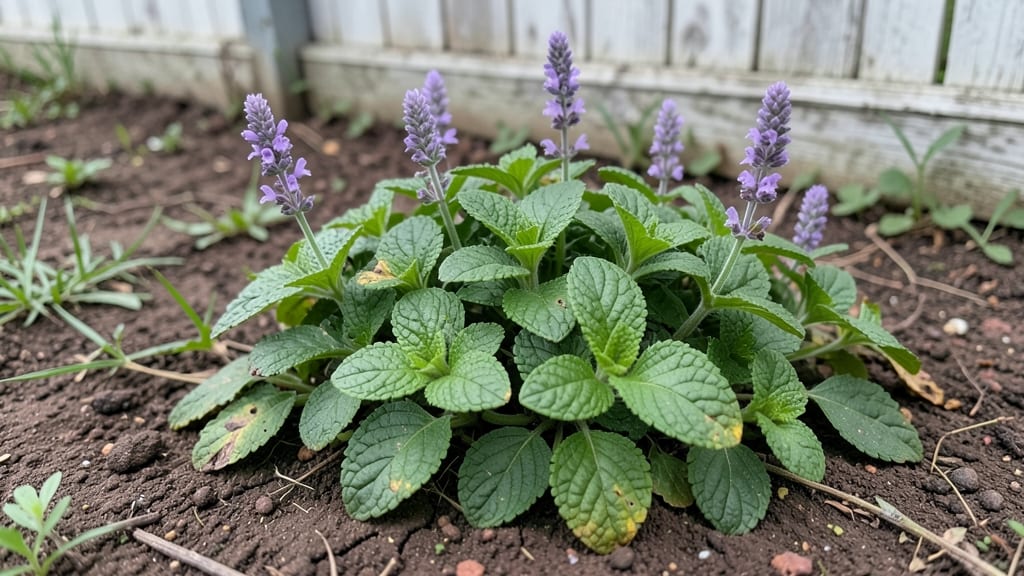
The chocolate mint plant flowers aren’t just pretty—they’re the fragrant blue stars of your container garden, and I’ve grown this variety for years. 🌿 Those delicate spikes of bloom transform any patio into a sweet-smelling paradise, especially when tucked near seating areas.
The flowers may be small, but their perfume lingers long after they fade, making them a standout even among other mint varieties.
Here’s the secret to coaxing those blue blooms: partial shade and well-draining soil are non-negotiable. Chocolate mint thrives in containers because its aggressive roots stay contained, and the right mix of morning sun and afternoon shade triggers flowering.
Prune back leggy stems in early spring to encourage bushier growth—and more flower spikes. Most varieties bloom from mid-summer to fall, but container-grown plants often flower even earlier.
Those flowers aren’t just for looks—they attract pollinators while the leaves stay rich, chocolate-scented, and perfect for teas or cocktails. The key to keeping plants productive? Pinch off spent blooms regularly to redirect energy into new growth.
With the right care, your chocolate mint will reward you with months of fragrant blooms and lush foliage that begs to be harvested.
Whether you’re growing it for the showstopping flowers, the culinary uses, or just the intoxicating aroma, this plant delivers. The only real challenge? Keeping it from spreading beyond its container—once it takes root in your garden, it won’t want to leave.
Start with a 5-gallon pot and watch it thrive.
📚 In This Guide
- What you need
- Instructions
- Tips and common mistakes
- Wrapping up and next steps
What you need
- ● Chocolate mint plant (Mentha × piperita 'Chocolate') – Start with a healthy nursery-grown plant or seeds (if propagating from seed).
- ● Containers – 1-2 12-inch diameter pots (or larger) with drainage holes. Terracotta or fabric pots work best!
- ● High-quality potting mix – 2-3 bags of well-draining, peat-based or coconut coir mix (avoid garden soil—it compacts too easily).
- ● Perlite or sand – 1 small bag (for improving drainage and aeration).
- ● Slow-release fertilizer – 1 balanced 10-10-10 or organic option (like compost or worm castings).
- ● Watering can or spray bottle – For gentle hydration (mint hates soggy roots!).
- ● Pruning shears – Sharp, clean pair for trimming flowers and controlling spread.
- ○ Gloves (optional but recommended) – Mint can be aggressive—protect your hands!
- ● Mulch – Shredded bark or straw to retain moisture and suppress weeds.
- ● Epsom salt – 1 small container (boosts magnesium for vibrant blooms).
- ● Support stakes or trellis – If your mint grows tall, a lightweight frame keeps flowers upright.
- ● Humidity tray – For dry climates (mint loves moisture!).
- ● Pest control (neem oil or insecticidal soap) – Preemptive strike against aphids or spider mites.
Step-by-Step guide to growing fragrant chocolate mint flowers
Here’s how to coax those stunning blue blooms from chocolate mint—no fancy greenhouse needed.
🪴 Step 1: Select the Right Container and Soil Mix
Chocolate mint thrives in containers but despises soggy roots, so choose pots with multiple drainage holes and at least 6 inches of depth. I like unglazed terra cotta—it breathes better than plastic and prevents root rot. Fill the pot with a well-draining potting mix (avoid garden soil—it compacts and suffocates roots). Mix in a handful of perlite or coarse sand to improve aeration, especially if your mix feels dense.
Press the soil down lightly to remove air pockets, then water it until moisture runs freely from the drainage holes. Let it drain completely before planting—waterlogged soil is the #1 killer of chocolate mint. The goal is a mix that holds moisture but doesn’t stay soggy, like a wrung-out sponge.
🌱 Step 2: Plant and Position for Optimal Growth
Dig a hole twice as wide as the root ball but no deeper—chocolate mint roots spread horizontally, not downward. Gently tease apart any circling roots before placing the plant in the hole. If starting from seed, sow ¼ inch deep and space seeds 6 inches apart (they self-seed aggressively). Cover lightly with soil and water gently to settle everything.
Place your container in partial shade to full sun—morning sun with afternoon shade works best in hot climates. Chocolate mint’s fragrant leaves burn easily in intense afternoon heat. Watch for leggy growth (thin stems stretching toward light)—this means your plant needs more light. If you see pale, sparse foliage, move it to a brighter spot gradually over a week.
💧 Step 3: Water and Fertilize for Blooms
Keep the soil evenly moist but never waterlogged—chocolate mint wilts when thirsty but rots when overwatered. Stick your finger 1 inch into the soil; if it feels dry, water deeply until moisture runs from the drainage holes. Reduce watering slightly once flowers appear—they need slightly drier conditions to set buds. Mulch with 1 inch of organic mulch (like shredded bark) to retain moisture and suppress weeds.
Feed every 4-6 weeks with a balanced liquid fertilizer (10-10-10) diluted to half strength. Too much nitrogen = lush leaves, no flowers. I switch to a low-nitrogen, high-phosphorus formula (like 5-10-5) when buds form to encourage blooming. Stop fertilizing 6 weeks before your first frost—new growth won’t harden off in time.
✂️ Step 4: Prune and Encourage Continuous Blooms
Deadhead spent flowers weekly to redirect energy into new blooms. Snip stems ¼ inch above a set of leaves with clean pruners—this prevents leggy growth and keeps the plant bushy. If your mint spreads too aggressively, trim back one-third of the plant in early spring. This rejuvenates growth and prevents root-bound stress in containers.
Pinch back new growth tips when stems reach 4-6 inches tall to encourage branching. You’ll see more compact, bushier plants with denser foliage and flowers within weeks. Avoid heavy pruning after mid-summer—new growth won’t have time to harden off before frost. Harvest leaves in the morning for peak flavor, but leave enough foliage to support flowering.
⏰ Step 5: Overwinter and Prepare for Next Season
Chocolate mint is perennial in USDA zones 5-9 but often treated as an annual in colder climates. Before frost, move containers to a sheltered spot (like a garage or under eaves) where temps stay above 20°F. Water sparingly—just enough to keep soil from drying out completely. If your climate drops below 20°F, mulch heavily with straw or leaves to insulate roots.
In spring, trim back dead or yellowed growth and fertilize lightly to kickstart new growth. Divide crowded plants every 2-3 years—chocolate mint spreads rapidly and becomes root-bound. Snip the root ball into sections with 3-4 stems each, replant in fresh soil, and watch for new growth within 2 weeks. This rejuvenates plants and prevents flower decline.
Tips & tricks for growing chocolate mint flowers in containers
Here's what nobody tells you about coaxing those stunning blue blooms from chocolate mint—these tricks make all the difference between a struggling plant and a fragrant, flowering powerhouse.
The Container Secret: Unglazed terra cotta isn't just my favorite—it's the gold standard for chocolate mint. The porous material wicks away excess moisture while allowing roots to breathe, preventing that dreaded root rot. If you must use plastic, drill extra drainage holes and elevate the pot on feet to improve airflow. The key is creating that perfect "wrung-out sponge" soil moisture level mentioned in Step 1.
Light Positioning Pro Tip: When you notice those telltale signs of leggy growth in Step 2, don't just move the plant—rotate it weekly. This ensures even light exposure all around, preventing that one-sided stretching. I've seen plants go from sad and sparse to bushy and blooming just by adding this simple rotation habit. And remember: morning sun with afternoon shade is non-negotiable for those tender leaves.
Fertilizer Strategy: That 4-6 week feeding schedule in Step 3 is your foundation, but here's the game-changer: switch to your high-phosphorus formula (like 5-10-5) the moment you spot the first flower bud. This phosphorus push is what triggers those stunning blue blooms. I've seen plants go from leafy green monsters to flowering showstoppers just by making this one simple adjustment. And yes, that 6-week pre-frost cutoff is critical—new growth won't survive winter.
Pruning Precision: When deadheading those weekly blooms in Step 4, make your cut at that exact ¼ inch above a leaf node. This tiny detail makes all the difference in preventing leggy regrowth. I use clean pruners and always make the cut at a 45-degree angle to reduce water pooling. For that early spring trim, focus on removing only the oldest, most woody stems—you're not trying to defoliate, just rejuvenate.
Pro Tips for Chocolate Mint Plant Flowers
- Here's what nobody tells you about coaxing those stunning blue blooms from chocolate mint—these tricks make all the difference between a struggling plant and a fragrant, flowering powerhouse.
- The Container Secret: Unglazed terra cotta isn't just my favorite—it's the gold standard for chocolate mint.
- Light Positioning Pro Tip: When you notice those telltale signs of leggy growth in Step 2, don't just move the plant—rotate it weekly.
Frequently asked questions
Got questions about growing chocolate mint plant flowers?
Here are some of the most common ones—plus expert tips to help you cultivate those fragrant blue blooms with ease!
When do chocolate mint flowers bloom?
Chocolate mint flowers typically bloom in late spring to early summer, though timing can vary based on your climate. In warmer zones, you might see blooms as early as May, while cooler regions may wait until June or July. Deadheading spent flowers encourages more blooms!
How often should I water chocolate mint flowers?
Keep the soil consistently moist but not soggy—about 1 inch of water per week, more in hot or windy conditions. Chocolate mint thrives in well-draining containers, so avoid letting it sit in standing water. Morning watering helps prevent fungal issues.
Can I grow chocolate mint flowers in containers?
Chocolate mint is perfect for containers—just use a pot at least 12 inches wide with drainage holes. A mix of potting soil and compost works well. Since it spreads aggressively, consider a hanging basket or raised planter to contain its growth.
Are chocolate mint flowers pollinator-friendly?
Yes! These fragrant blue blooms attract bees, butterflies, and hummingbirds. Planting them near herbs or veggies can boost pollination in your garden. Just avoid over-fertilizing—too much nitrogen reduces flowering. Light pruning also encourages more blooms.
Why aren’t my chocolate mint flowers blooming?
If your plant is leafy but not flowering, check these fixes:
- Not enough sunlight? Move it to 6+ hours of sun daily.
- Overcrowded roots? Repot or trim back stems.
- Too much fertilizer? Switch to a low-nitrogen feed.
- Stress from drought or heat? Mulch and water deeply.
Wrapping up and next steps
Growing chocolate mint plant flowers is a rewarding experience that brings fragrant blue blooms and a touch of whimsy to your garden or containers! 🌿 With the right care—sunlight, well-draining soil, and a little patience—you’ll enjoy their sweet aroma and vibrant beauty all season long.
Whether you’re a seasoned gardener or just starting out, these hardy plants are a fantastic addition to any space.
Ready to take the next step? Start small with a single pot or expand your garden bed—either way, your chocolate mint will thrive! 🌱 Share your progress with fellow plant enthusiasts or experiment with companion plants to create an even more stunning display. Happy growing! 💚