
Flowers
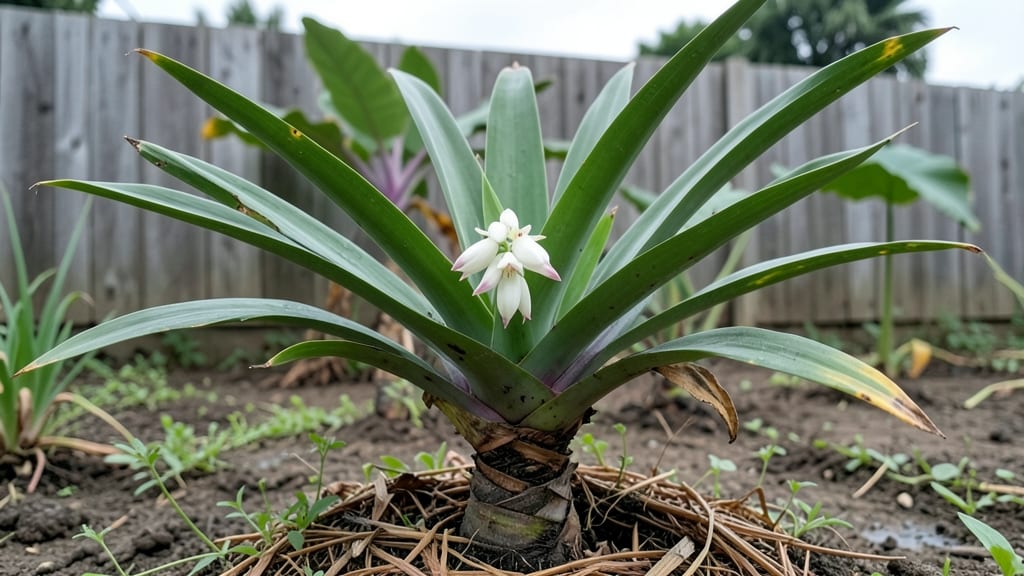
The beehive ginger flower (Hedychium gardnerianum) brings tropical drama to your garden with its towering spikes of orange blooms and lush, banana-like foliage.
I fell in love with it after seeing one in a neighbor’s container—it looked like a jungle plant that somehow thrived in a pot on their patio. The secret isn’t complicated: this ginger loves warmth, moisture, and a snug space to flex its roots.
You’ll need a 12-15 gallon container with drainage holes, rich potting mix, and a spot that gets morning sun and afternoon shade—perfect for patios or balconies. Watering is the key: keep the soil consistently moist but not soggy, and fertilize lightly every 4-6 weeks during growing season.
Dormancy in winter is normal—just reduce watering and let the leaves yellow naturally.
By mid-summer, you’ll have 4-5 foot tall flower spikes that smell like citrus and spice, drawing hummingbirds and bees. The foliage stays vibrant all season, and with proper care, it’ll reward you for years. Even in small spaces, this plant makes a statement—like a tropical vacation in a pot.
Container growing means you can move it indoors during cold snaps or experiment with different spots. Just avoid drafts and sudden temperature drops. The bold blooms and easygoing nature make it a foolproof way to add drama to any garden—no green thumb required.
📚 In This Guide
- What you need
- Instructions
- Tips and common mistakes
- Wrapping up and next steps
What you need
- ● Beehive Ginger (Alpinia purpurata) Plant: 1 mature plant (3–5 years old) or 3–5 healthy pups (offspring) from a nursery or trusted grower.
- ● Pro tip: Look for plants with vibrant green leaves and no signs of pests or root rot! 🌿💡
- ● Container: 1 large fiberglass, ceramic, or plastic pot (18–24 inches in diameter) with drainage holes.
- ● Why? Beehive ginger loves space—its rhizomes spread aggressively! 🌱
- ● Potting Mix: 5–7 gallons of well-draining, peat-based mix (e.g., 60% peat moss, 30% perlite, 10% compost).
- ○ Optional: Add orchid bark (20%) for extra aeration. 🌡️
- ● Fertilizer: Balanced liquid fertilizer (10-10-10 or 20-20-20) for initial planting.
- ● Slow-release granular fertilizer (e.g., Osmocote) for long-term growth.
- ● Gloves (heavy-duty, for handling rhizomes).
- ● Trowel or shovel (for planting and dividing pups).
- ● Pruners or sharp knife (sterilized, for trimming dead leaves).
- ● Watering can or hose with gentle spray (avoid soggy soil!).
- ● Mulch (straw or pine bark) to retain moisture.
- ● Sunlight spot: Partial shade to dappled sunlight (4–6 hours/day).
- ● Humidity: High humidity (50%+) or a humidifier if indoors. 🌧️
- ● Support stake or trellis (for tall flower spikes).
- ● Epsom salt (for magnesium boost, 1 tbsp per gallon of water).
- ● Neem oil (organic pest control).
- ● Decorative stones or pebbles (for aesthetic drainage layers).
Step-by-step guide to growing beehive ginger flower in containers
Here's how to cultivate these striking tropical blooms at home—no greenhouse required.
Select the Right Container and Soil Mix
Beehive ginger thrives in 12-15 inch diameter containers with drainage holes to prevent root rot. I prefer terracotta pots because they allow excess moisture to evaporate through the walls. Fill the container with a well-draining mix: combine equal parts peat moss, perlite, and coconut coir—this mimics its native tropical soil conditions.
Gently press the mix into the pot but avoid compacting it. The goal is a loose, airy medium that lets water drain freely. Beehive ginger roots are sensitive to waterlogging, so ensure the bottom of the pot has at least 3 drainage holes covered with mesh to keep soil in place.
Plant the Rhizome Correctly for Fast Growth
Beehive ginger grows from thick, knobby rhizomes—plant them horizontally, 2-3 inches below the soil surface. This encourages roots to spread outward rather than upward, which is how the plant naturally grows in the wild. Space multiple rhizomes 6-8 inches apart if planting more than one per container.
Cover the rhizome lightly with soil, leaving the top 1/3 exposed. This prevents rot and allows the plant to photosynthesize through the exposed sections. Water thoroughly after planting, but avoid soggy soil—beehive ginger prefers even moisture, not saturation.
Provide Warmth and Bright, Indirect Light
Place your container in a spot with bright, indirect light—think east or west-facing windows or under grow lights 12-18 inches away. Direct sunlight can scorch the large, velvety leaves, while too little light leads to weak stems and sparse blooms. You’ll notice healthy growth when leaves remain deep green and upright, not yellowing or drooping.
Beehive ginger loves warmth—keep temperatures between 70-85°F during the day. If your home runs cooler, a heating mat beneath the pot can give it a gentle boost. Avoid cold drafts, which slow growth and delay flowering.
Water and Fertilize for Vibrant Blooms
Water when the top 2 inches of soil feel dry—this plant thrives on consistency but hates soggy roots. I use room-temperature water to avoid shocking the rhizome. During active growth (spring to fall), fertilize every 4-6 weeks with a balanced liquid fertilizer (10-10-10) diluted to half strength. This encourages lush foliage and dramatic flower spikes.
Watch for new shoots emerging from the rhizome—this is your cue that the plant is happy. If you see yellowing leaves, it’s often a sign of overwatering or poor drainage. Adjust your watering schedule and ensure the pot isn’t sitting in a saucer of standing water.
Encourage Flowering and Prune for Shape
Beehive ginger produces its signature spike-like blooms in late summer or early fall, but you can encourage earlier flowering by providing longer daylight hours (14+ hours) with a grow light if needed. Once flower stalks appear, do not prune them—let them mature fully for the boldest display.
After flowering, trim back dead or yellowing leaves to redirect the plant’s energy. In late fall, reduce watering slightly and allow the plant to enter a resting phase—this mimics its natural dormancy period. With proper care, your beehive ginger will reward you with year-after-year blooms in containers.
Tips & tricks for growing stunning beehive ginger flowers
Here's what I learned after years of growing these dramatic tropical blooms—tricks that make all the difference between struggling plants and showstopping displays.
Container Selection Wisdom: While the instructions highlight terracotta pots, I've found that glazed ceramic containers with drainage holes also work beautifully—they retain moisture slightly longer, which can be helpful in very dry climates. The key is avoiding plastic pots, which can trap too much moisture and lead to root rot. If you're using a decorative pot without drainage, add a layer of gravel at the bottom and elevate it on pot feet to prevent waterlogging.
Rhizome Planting Technique: When planting your 2-3 inch deep rhizomes, I recommend making a small trench in the soil mix first—this helps position the rhizome at exactly the right depth without having to adjust after placing it. The exposed 1/3 of the rhizome should be above soil level, but if you notice it starting to dry out, you can gently cover it with more soil. This exposed section is crucial for photosynthesis, so don't bury it completely.
Lighting Strategy: For those without ideal east or west windows, I've had great success with LED grow lights on a 12-hour timer placed 18 inches above the plant. These lights provide the bright, indirect light beehive ginger needs while preventing leaf scorch. If using natural light, rotate your container quarter-turn weekly to ensure even growth—you'll notice leaves leaning toward the light source if they're not getting balanced exposure.
Fertilizing Insight: The 4-6 week fertilization schedule with diluted 10-10-10 fertilizer works perfectly, but I've found that adding a fish emulsion every third feeding gives an extra boost of micronutrients that shows in the leaf color and flower intensity. Always water thoroughly before fertilizing to prevent root burn, and flush the soil with plain water after fertilizing to remove any excess salts that can accumulate.
Pro Tips for Beehive Ginger Flower
- Here's what I learned after years of growing these dramatic tropical blooms—tricks that make all the difference between struggling plants and showstopping displays.
- The key is avoiding plastic pots, which can trap too much moisture and lead to root rot.
- The exposed 1/3 of the rhizome should be above soil level, but if you notice it starting to dry out, you can gently cover it with more soil.
Frequently asked questions
Got questions about growing beehive ginger flowers? You’re not alone—this dramatic, tropical beauty has a few quirks! Here are answers to the most common queries to help you cultivate success.
How long does it take for beehive ginger to flower?
With patience, you’ll see those stunning Hedychium blooms in 1–2 years from planting. Young plants focus on root and foliage growth first. For faster results, start with a mature plant (3+ years old) or use division to jumpstart flowering.
Can beehive ginger survive winter in containers?
Not without help! This tropical plant needs protection below 50°F (10°C). Move pots indoors near a bright window or wrap them in bubble wrap and mulch heavily. Alternatively, dig up tubers in fall, store them dry in peat moss, and replant in spring.
Why isn’t my beehive ginger flowering?
Common culprits include:
- Insufficient light: Needs 6+ hours of direct sun (partial shade in hot climates).
- Overcrowded roots: Divide clumps every 3–4 years to refresh growth.
- Lack of nutrients: Feed with balanced fertilizer (10-10-10) in spring.
- Young plant: First blooms may take 1–2 years.
What’s the best container size for beehive ginger?
Aim for at least 12–18 inches wide and deep—these plants have aggressive rhizomes! Use containers with drainage holes and a mix of 50% potting soil + 50% perlite/orchid bark for aeration. Smaller pots = stunted growth.
Can I grow beehive ginger from seed?
Not recommended! Seeds are unreliable for this plant. Instead, propagate via division (split rhizomes in spring) or slips (offsets from mature plants). Nursery-bought plants are your best bet for vibrant blooms.
Pro Tip:
For longer-lasting blooms, deadhead spent flowers and avoid overwatering—they hate soggy roots!
Wrapping up and next steps
Growing beehive ginger flower in containers is a rewarding adventure that brings bold beauty and tropical charm to your space! 🌺 With the right mix of sunlight, well-draining soil, and a little patience, you’ll enjoy vibrant blooms that attract pollinators and add a splash of color to your garden.
Whether you’re a seasoned gardener or just starting out, this resilient plant proves that even small spaces can yield stunning results.
Ready to take the next step? Start by gathering your supplies, follow the care tips, and soon you’ll be basking in the glory of your thriving beehive ginger flower—nature’s way of saying, “You’ve got this!” 🌱✨