
Container Gardens
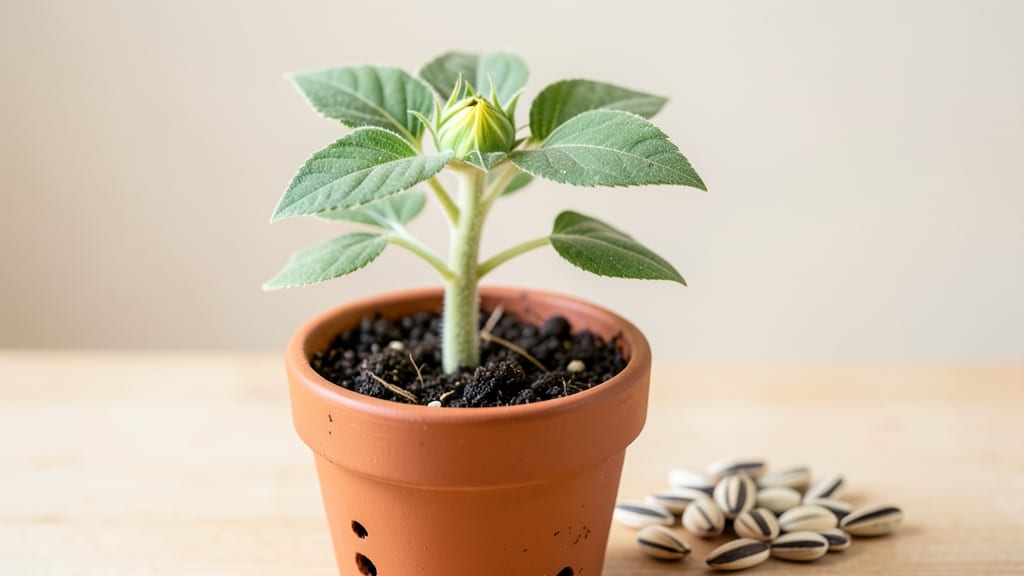
Growing sunflowers in pots indoors transforms any sunny spot into a vertical garden showstopper. 🌻 I’ve turned my living room into a sunflower jungle using nothing but a south-facing window and a few simple tricks—no yard required.
The key is matching the right variety to your light, keeping roots happy in containers, and giving them room to stretch toward the sky.
You’ll need dwarf or medium-height varieties (like ‘Moulin Rouge’ or ‘Teddy Bear’) in 5-gallon pots minimum, well-draining soil, and a sturdy stake or trellis for support. Most sunflowers need 6+ hours of direct light daily, so supplement with a grow light if your space is dim.
Overwatering is the biggest rookie mistake—let the top inch of soil dry between waterings.
By mid-summer, you’ll be snapping photos of 8-foot-tall indoor sunflowers with velvety petals and seeds that double as bird feed. The best part? They clean the air, boost morale, and make your space feel like a sunlit meadow—even in an apartment. Let’s get those pots planted!
Works for any indoor space with enough light, from bright kitchens to sunrooms. Just watch for powdery mildew in humid conditions and rotate pots weekly for even growth. Your neighbors will think you’ve got a secret garden.
📚 In This Guide
- What you need
- Instructions
- Tips and common mistakes
- Wrapping up and next steps
What you need
- ● Sunflower seeds: Choose dwarf or compact varieties like 'Teddy Bear' or 'Moulin Rouge' (heights: 2–5 ft). Buy 3–5 seeds per pot.
- ● Containers: Use pots 12–18 inches deep and 12+ inches wide (one per plant or larger shared pots). Ensure they have drainage holes!
- ● Potting mix: A well-draining, nutrient-rich mix (e.g., 60% garden soil + 40% perlite/pine bark). Avoid heavy garden soil.
- ● Watering can or spray bottle: For gentle hydration—sunflowers hate soggy roots!
- ● Fertilizer: A balanced liquid fertilizer (10-10-10 or 20-20-20) or slow-release granules (follow package instructions).
- ● Grow lights or sunny windowsill: Sunflowers need 6–8 hours of direct light daily. A full-spectrum LED grow light works if natural light is limited.
- ● Support stakes or trellis: Tall varieties need bamboo stakes (2–3 ft tall) or a lightweight trellis for stability.
- ● Self-watering pot: Reduces maintenance for busy plant parents!
- ● Plant saucers: Protects surfaces from water overflow.
- ● Seedling heat mat: Speeds up germination if your space is chilly (70–75°F ideal).
- ● Peat pellets or coir: For easy transplanting if starting seeds indoors.
- ● Decorative pot cover: Adds a cute touch to your indoor garden.
Step-by-step guide to growing sunflowers in pots indoors
Here's how to coax those iconic sunflower stems skyward—even when your space is all windowsills and balconies.
🌱 Step 1: Select the Right Variety and Pot
Not all sunflowers are created equal for indoor growing. Choose a dwarf variety like 'Teddy Bear' or 'Moulin Rouge'—they top out at 3-5 feet and thrive in containers. Skip the giant varieties; they'll outgrow your space in weeks. A 5-gallon pot with at least 18 inches of depth gives roots room to anchor while preventing top-heavy tipping.
Fill the pot with well-draining potting mix—sunflowers hate soggy roots. I like to mix in 20% perlite to improve aeration. Add a slow-release fertilizer (like 10-10-10) to the bottom layer for early nutrition. Place the pot on saucers or trays to catch any drainage, because sunflowers need consistent moisture but won't tolerate standing water.
☀️ Step 2: Position for Maximum Light Exposure
Sunflowers are sun-worshippers—they need 6-8 hours of direct light daily to grow straight and strong. A south-facing window is ideal, but if that’s not an option, supplement with a grow light placed 12-18 inches above the plant. You’ll notice leggy, weak stems if light is insufficient; strong growth means compact spacing between leaves and deep green color. Rotate the pot quarter-turn weekly to prevent leaning toward the light source.
If your space gets hotter than 85°F, move the plant back slightly—sunflowers can scorch in intense afternoon sun. Watch for yellowing leaves on the lower stem; this is a sign of too much heat or water stress. A light breeze (from an open window or small fan) encourages sturdy stems, so don’t keep them completely still.
💧 Step 3: Water and Fertilize for Towering Growth
Water when the top 1-2 inches of soil feel dry—sunflowers need consistent moisture but won’t tolerate soggy conditions. Stick your finger in the soil; if it’s dry past your first knuckle, it’s time to water. Pour water slowly at the base until it drains from the bottom. Empty saucers after 10 minutes to prevent root rot. Overwatering is the #1 killer of potted sunflowers, so let the soil dry slightly between waterings once the plant is established.
Feed every 2-3 weeks with a balanced liquid fertilizer (like 10-10-10) diluted to half-strength. You’ll see a boost in leaf production and thicker stems within a week of fertilizing. Stop feeding once the flower bud forms—too much nitrogen now will delay blooming. Sunflowers are heavy feeders, so don’t skimp on nutrients if you want those dramatic blooms.
✂️ Step 4: Support and Prune for Healthy Blooms
Sunflowers grow top-heavy fast—expect stems to reach 3-5 feet in just 6-8 weeks. Stake each plant with a 6-foot bamboo stake or metal rod inserted 2 inches from the stem at planting. Tie the stem loosely to the stake with soft plant ties every 6-8 inches as it grows. This prevents snapping in breezes or when you brush past. If you skip staking, you’ll end up with flopped stems and frustrated blooms.
Pinch off side buds when they’re smaller than a dime to encourage one large, dramatic central bloom. This redirection of energy results in a bigger, showier flower instead of multiple small ones. Watch for yellowing leaves on the lower stem—this is normal as the plant matures, but if it spreads upward, your sunflower is stressed from overwatering or poor light. Trim any damaged leaves immediately to redirect the plant’s energy to the bloom.
🌿 Step 5: Harvest and Enjoy Your Indoor Sunflowers
Your sunflower will bloom in 8-12 weeks, depending on light and variety. The first sign of opening is when the petals start to unfurl from the center. Cut the stem at a 45-degree angle just above a leaf node to encourage regrowth. Place the bloom in a bucket of water immediately—sunflowers are thirsty even after cutting. Change the water every 2 days to keep petals fresh for 7-10 days.
Don’t toss the spent stem! If you replant the remaining seed head in fresh soil, you might get a second, smaller bloom in 4-6 weeks. Save the seeds from dried heads for next year’s plants. The woody stems make great natural decor—hang them upside down to dry, then use them in wreaths or centerpieces. Even after blooming, your sunflower keeps giving.
Tips & tricks for perfect indoor sunflower growth
Sunflowers in pots might seem tricky, but these insider tips will help you grow those towering blooms like a pro—even without outdoor space.
Variety and Pot Selection: The right dwarf variety and pot size are your foundation. 'Teddy Bear' or 'Moulin Rouge' are your best bets—they stay compact (3-5 feet) and won't outgrow your space. For the 5-gallon pot, consider adding a 1-inch layer of gravel at the bottom for extra drainage. This prevents waterlogging, which is sunflowers' #1 enemy indoors. I've learned this the hard way after watching roots rot in poorly draining pots.
Light Optimization: Those 6-8 hours of direct light are non-negotiable, but here's the secret: position your sunflower closer to the window in winter when sunlight is weaker. If using grow lights, keep them 12-18 inches above but adjust based on intensity—closer for weaker bulbs, farther for powerful LEDs. Watch for stems stretching toward light (a sign of insufficient light) and rotate your pot weekly to prevent lopsided growth.
Watering Wisdom: The finger test works, but here's a pro move: use a moisture meter for consistency. Sunflowers need moisture, but their roots will rot if they sit in soggy soil. After watering, let excess drain completely—those saucers should be empty after 10 minutes. I've found that watering in the morning gives roots time to dry slightly before evening, reducing rot risk.
Pruning and Support: Don't wait until your sunflower is top-heavy to stake it! Insert that 6-foot stake 2 inches from the stem at planting time—it's easier to adjust later than to prop up a flopped giant. For pruning, pinch those side buds when they're pea-sized (not dime-sized as mentioned) for maximum energy to the central bloom. I've seen sunflowers with 12-inch blooms after this simple step—it's like giving your plant a VIP pass to floral greatness.
Pro Tips for Growing Sunflowers In Pots Indoors
- Sunflowers in pots might seem tricky, but these insider tips will help you grow those towering blooms like a pro—even without outdoor space.
- Variety and Pot Selection: The right dwarf variety and pot size are your foundation.
- Light Optimization: Those 6-8 hours of direct light are non-negotiable, but here's the secret: position your sunflower closer to the window in winter when sunlight is weaker.
Frequently asked questions
about growing sunflowers in pots indoors—because even the sunniest indoor gardeners have questions! Here are answers to the most common ones to help you cultivate those cheerful blooms with confidence.Can sunflowers grow tall enough indoors without toppling over?
Yes! Choose dwarf or midget varieties (like 'Teddy Bear' or 'Moulin Rouge') that stay under 4 feet tall. For taller varieties, use a sturdy pot (at least 12 inches deep) and stake them early. Place pots near a south-facing window or supplement with a grow light to support strong stems.
How long does it take for sunflowers to bloom indoors?
Indoors, sunflowers typically bloom in 8–12 weeks from seed, depending on the variety and light conditions. Dwarf varieties may flower faster (6–8 weeks), while taller types can take longer. Monitor soil moisture and ensure they get 6–8 hours of sunlight daily to speed up the process.
What if my indoor sunflowers aren’t growing straight or are leaning?
Leaning sunflowers usually need more light. Rotate the pot daily so all sides get even exposure, or move it closer to a brighter window. If the stem bends, gently guide it upright with a soft stake or bamboo skewer. Avoid overcrowding pots—sunflowers need space to grow strong!
Can I grow sunflowers indoors year-round, or do they need seasonal changes?
Sunflowers thrive indoors year-round with consistent care, but they do need a "rest" period after blooming. Once flowers fade, trim the stems, let the plant dry out slightly, and reduce watering. In late fall/winter, you can restart the cycle by replanting new seeds for fresh blooms.
What’s the best alternative if my sunflower seeds won’t sprout?
Try these troubleshooting steps:
- Ensure seeds are fresh (plant within 1–2 years of packaging).
- Soak seeds in warm water for 4–6 hours before planting to soften the shell.
- Check soil temperature—seeds need 70–75°F soil to germinate.
- Use a seedling heat mat if your home is cool.
Wrapping up and next steps
Growing sunflowers indoors may seem like a challenge, but with the right pots, sunlight, and care, you can enjoy vibrant blooms even without outdoor space! The key is choosing the right variety, providing ample light, and keeping your plants happy with proper watering and nutrients.
Whether you’re a beginner or a seasoned plant parent, this project is rewarding—and who doesn’t love watching a tiny seedling grow into a cheerful sunflower?
Ready to give it a try? Start with a small, low-maintenance variety like Teddy Bear or Moulin Rouge, gather your supplies, and let the sunflower magic begin! Share your progress with fellow plant lovers—you might just inspire someone else to grow their own indoor garden. 🌻✨