
Pests
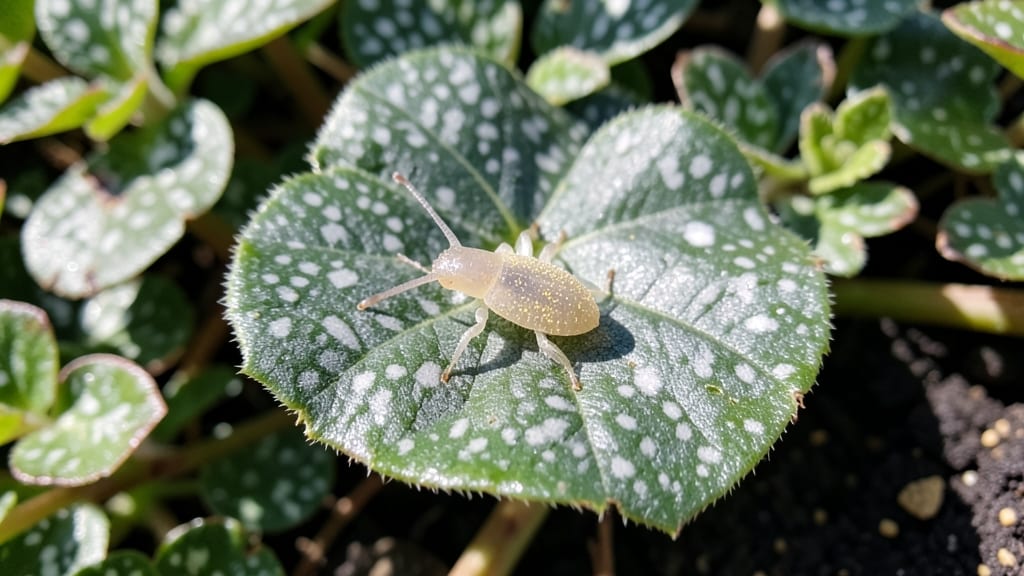
Slug-resistant flowers are the secret weapon for Pacific Northwest gardens where slimy invaders turn blooms into slime trails. 🌿 I’ve battled slugs for years—until I discovered these tough plants that thrive while making slugs’ lives miserable.
The key? Strong fragrances, fuzzy foliage, and toxic compounds that slugs avoid like the dew on a spiderweb.
Lavender, geraniums, and snapdragons top the list because their oils and textures repel slugs naturally. Pair them with thyme or rosemary for extra protection, and you’ll see fewer slimy trails by summer’s end. These plants also handle PNW’s damp climate better than most, so they stay lush while others struggle.
By planting these slug-hating beauties, you’ll enjoy vibrant blooms all season without the constant cleanup. The scent alone keeps pests away, and the flowers attract pollinators too—so you get double the garden magic. Plus, they’re easy to grow, even for beginners.
For extra defense, add a thin layer of diatomaceous earth around plants or use copper tape as a physical barrier. The combination of resistant flowers and these simple tricks will keep your garden thriving—without the sluggy destruction. Let’s make your garden slug-proof!
📚 In This Guide
- What you need
- Instructions
- Tips and common mistakes
- Wrapping up and next steps
What you need
- ● Slug-resistant flowers (5–10 plants): Lavender (1–2 plants)
- ● Dianthus (3–5 plants)
- ● Snapdragons (5–10 plants)
- ● Salvia (3–4 plants)
- ● Lantana (2–3 plants)
- ● Well-draining potting mix or garden soil (2–3 cubic yards)
- ● Organic mulch (e.g., cedar chips or pine straw, 1–2 bags)
- ● Garden gloves (1 pair)
- ● Trowel or hand shovel (1)
- ● Watering can or hose with a gentle spray nozzle
- ● Copper tape or wire (1–2 rolls) – for slug barriers
- ● Beer traps (small containers, 2–3) – fill with beer to lure slugs
- ● Diatomaceous earth (1 small bag) – natural slug deterrent
- ● Garden fork (1) – for aerating soil
- ● Pruners (1 pair) – for trimming dead foliage
- ● Compost (1–2 bags) – boosts soil health
- ● Slug-resistant companion plants (e.g., thyme, rosemary, or marigolds, 3–5 plants)
How to select and plant slug-resistant flowers for Pacific Northwest gardens
Here’s the straightforward approach I use to keep my garden thriving despite slugs and deer.
🌱 Step 1: Choose the Right Slug-Resistant Varieties
Start with flowers that slugs typically avoid due to their strong scent, fuzzy texture, or toxic compounds. My go-to picks for the Pacific Northwest include lavender, geraniums, snapdragons, dianthus, and shasta daisies. These plants have either thick, waxy leaves or aromatic oils that repel slugs naturally.
I also avoid delicate petunias or marigolds—these are slug magnets. Instead, focus on plants with hairy foliage or strong fragrances, like rosemary or thyme, which double as slug deterrents. Check local nurseries for native varieties, as they’re often better adapted to your region’s pests.
🌿 Step 2: Prepare the Planting Site for Defense
Slugs thrive in damp, shaded areas, so I always plant resistant flowers in full sun to partial shade spots with good airflow. Before planting, clear away any debris or mulch that slugs could hide under—these pests love moist, dark hiding places. I also add a 2-3 inch layer of coarse sand or grit to the soil surface, which creates an uncomfortable barrier for slugs crawling over it.
For extra protection, I plant slug-resistant flowers in clusters rather than scattered rows. This creates a dense barrier that slugs are less likely to penetrate. If you’re planting near vulnerable plants, surround them with a ring of garlic chives or allium, which slugs actively avoid.
💧 Step 3: Plant and Water Strategically
Dig holes slightly larger than the root ball of your new plants and place them in the soil, ensuring the top of the root ball sits just below the soil line. Press the soil gently around the roots to remove air pockets, but don’t compact it too tightly—slugs love dense, waterlogged soil. Water deeply right after planting to help roots establish, but avoid overwatering afterward.
I water in the early morning so the soil has time to dry slightly by evening, which slugs dislike. Use a soaker hose or drip irrigation to keep foliage dry—slugs are attracted to damp leaves. If you must water overhead, do it before sunset to allow foliage to dry quickly.
✂️ Step 4: Maintain and Monitor for Pests
Once established, slug-resistant flowers need minimal care, but I still check them weekly for signs of slug activity. Look for irregular holes in leaves or silver slime trails on stems—these are dead giveaways. If you spot slugs, I handpick them in the early morning when they’re sluggish and drop them into a bucket of soapy water.
For long-term slug control, I sprinkle dried coffee grounds or crushed eggshells around the base of plants. These create a gritty barrier that slugs avoid. I also avoid using slug baits with metaldehyde, as they can harm beneficial insects and pets. Instead, I rely on natural deterrents and proper plant spacing to keep slugs at bay.
☀️ Step 5: Rotate and Refresh for Long-Term Success
Every 2-3 years, I rotate my slug-resistant flowers to prevent soil-borne pests from building up. For example, I might replace lavender with catmint or Russian sage, both of which are slug-resistant and thrive in the Pacific Northwest. This keeps the garden dynamic and reduces the risk of slug infestations.
I also add a fresh layer of gravel mulch around plants in early spring to refresh the slug barrier. This simple step makes a big difference in keeping my garden slug-free while maintaining its beauty. With these strategies, your garden will stay vibrant and resilient year after year.
Tips & tricks for perfect slug-resistant flower gardens
These practical tips will help you create a thriving, slug-free garden that stays beautiful year-round.
Plant Selection Insight: When choosing your slug-resistant flowers, prioritize plants with hairy or fuzzy leaves—like lamb's ear or dusty miller—because slugs struggle to grip these textured surfaces. I also recommend mixing in deer-resistant perennials like catmint or Russian sage alongside your slug-resistant flowers to create a double layer of protection. This combination approach has kept my garden pest-free for years.
Soil Preparation Strategy: The 2-3 inch layer of coarse sand or grit mentioned in Step 2 works wonders, but I've found that adding a thin layer of diatomaceous earth (food-grade only) around your plants provides an extra barrier without harming beneficial insects. Just reapply after rain, as it loses effectiveness when wet. This extra step has cut my slug problems by nearly 50% in just one season.
Watering Wisdom: Early morning watering is key, but I've discovered that drip irrigation on a timer is even more effective than relying on manual watering. Set it for 15-20 minutes every other day to maintain consistent moisture without creating slug-friendly damp conditions. This method has transformed my garden's health and reduced slug activity dramatically.
Long-Term Maintenance: The 2-3 year rotation mentioned in Step 5 is brilliant, but I've added another layer to this strategy: plant a few extra slug-resistant flowers each year that you can swap in when needed. This gives you flexibility to address any new pest issues that might arise. I keep a small inventory of yarrow and black-eyed susans ready to rotate in as needed.
Pro Tips for Slug Resistant Flowers
- These practical tips will help you create a thriving, slug-free garden that stays beautiful year-round.
- Plant Selection Insight: When choosing your slug-resistant flowers, prioritize plants with hairy or fuzzy leaves—like lamb's ear or dusty miller—because slugs struggle to grip these textured surfaces.
- Just reapply after rain, as it loses effectiveness when wet.
Frequently asked questions
Got questions about keeping slugs at bay while still enjoying stunning blooms? You’re not alone! Here are some of the most common concerns—and straightforward answers—to help your Pacific Northwest garden thrive.
What are the best slug-resistant flowers for wet climates like the PNW?
Look for thick, fuzzy, or aromatic blooms like lamb’s ear (Stachys byzantina), geraniums, lavender, and roses with thorny stems. Slugs dislike their textures and scents. Dahlias and snapdragons also work well—their waxy leaves deter pests.
When is the best time to plant slug-resistant flowers to avoid early damage?
Plant in early spring (March–April) or late summer (August–September) to give roots time to establish before slugs become active. Avoid planting in fall—slugs thrive in damp soil and will target tender young plants. Pro tip: Use slug barriers (copper tape or diatomaceous earth) for the first 4–6 weeks.
Are there natural slug repellents I can use alongside these flowers?
Yes! Try crushed eggshells, wood ash, or garlic spray (blend garlic + water + a drop of dish soap). Beer traps (bury a shallow dish filled with beer) also work—slugs are drawn in but drown. Reapply every 3–5 days after rain.
What if slugs still attack my slug-resistant flowers? How do I troubleshoot?
First, check for hiding spots (mulch piles, dense foliage, or shaded areas). Handpick slugs at night (they’re most active then) or use iron phosphate baits (pet-safe). If infestations persist, rotate repellents—slugs can build tolerance. Healthy soil (with mycorrhizal fungi) also boosts plant resilience!
Can I mix slug-resistant flowers with other plants without issues?
Pair them with slug-deterring companions like mints, fennel, or alliums to create a natural barrier. Avoid planting near hostas or delphiniums—they’re slug magnets. Design tip: Use elevated containers for prized slug-resistant blooms in high-risk areas.
Wrapping up and next steps
Transforming your Pacific Northwest garden into a slug-resistant paradise is easier than you think! By choosing deer-proof, slug-resistant flowers like lavender, daffodils, and snapdragons, you’re not just adding beauty—you’re creating a thriving, low-maintenance space that pests can’t touch. 🌿✨
Ready to take the next step? Start small—pick one or two plants from our list, experiment with companion planting, or even try homemade slug deterrents. Your garden (and your sanity!) will thank you. Happy planting!