
Flowers
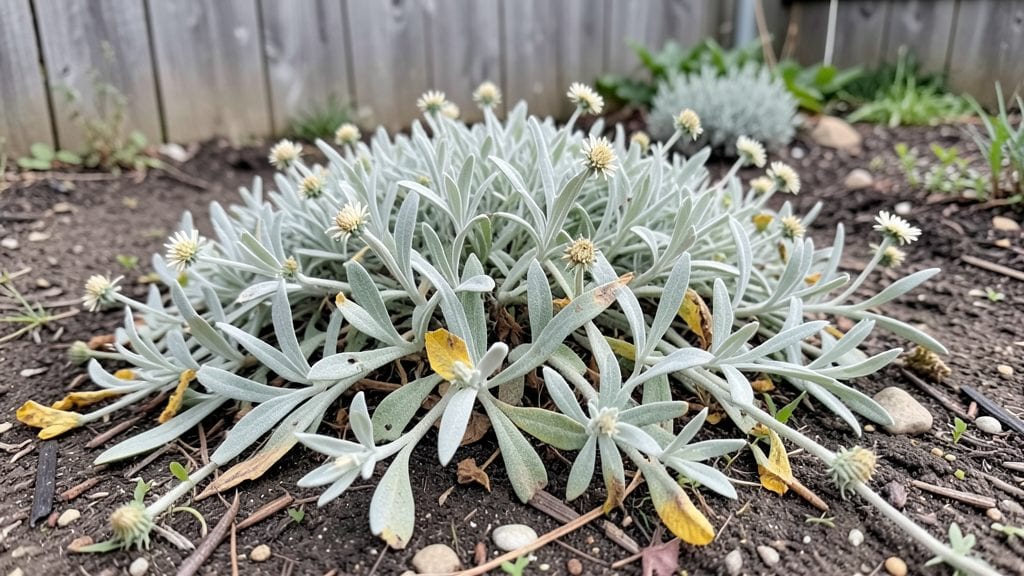
Creating a coral reef looking flower display in your Pacific Northwest garden feels like bringing the ocean’s magic to land—vibrant, textured, and alive. 🌸 I’ve designed these underwater-inspired gardens for years, and the secret lies in layering bold colors, vertical drama, and plants that mimic coral shapes and textures.
The key is mixing coral bells (Heuchera), with their jewel-toned leaves, alongside statice (Limonium), which blooms in papery, ocean-like hues. Add hibiscus for tropical drama and salvia for vertical spikes that resemble coral formations. Together, they create a lush, three-dimensional look that thrives in PNW’s mild climate.
Imagine walking through your garden and feeling like you’re underwater—soft blues, fiery oranges, and deep purples cascading over trellises or spilling from raised beds.
The result is a year-round spectacle, with foliage that shines even when flowers fade, and a layout that draws the eye upward for that coral reef effect.
Works for coastal homes, urban courtyards, or even small balconies with the right plant choices. Let’s dive into how to build your own underwater oasis!
📚 In This Guide
- What you need
- Instructions
- Tips and common mistakes
- Wrapping up and next steps
What you need
- ● Coral reef-inspired flowers: 1-3 Coral Bells (Heuchera) (purple, lime, or silver varieties for depth)
- ● 1-2 Coral Pink Primrose (Primula denticulata) (for soft pink pops)
- ○ 1 Coral Pencil Cactus (Echeveria ‘Lola’) (succulent for texture, optional but highly recommended)
- ● 3-5 Coralberry (Arctostaphylos uva-ursi) (evergreen shrub for structure)
- ● Soil & amendments: 5 gallons well-draining potting mix (or garden soil + perlite for outdoor beds)
- ● 1 cup organic compost (for nutrient boost)
- ● 1 tbsp slow-release fertilizer (10-10-10 ratio)
- ● Garden tools: 1 trowel or small shovel (for planting)
- ● 1 pruning shears (to trim dead growth)
- ● 1 watering can or hose with gentle nozzle
- ● Container setup (if DIY): 1 large vertical planter or hanging basket (12"+ depth, drainage holes required)
- ○ 1 moisture-retentive liner (for hanging baskets, optional)
- ● Prerequisites: ✅ Sunlight assessment: 4+ hours of partial sun (morning sun + afternoon shade works best in PNW)
- ● ✅ Drainage check: Ensure no standing water (PNW’s wet winters demand this!)
- ● 1 small pebble tray (for drainage aesthetics)
- ● 1 decorative mulch (volcanic rock or bark chips for a reef-like look)
- ● 1 LED solar light (to highlight your reef at night!)
How to create a coral reef-inspired flower display
Transform your Pacific Northwest garden into a vibrant underwater wonderland with bold, layered blooms.
🌿 Step 1: Select a Sun-Dappled Vertical Structure
Choose a sturdy trellis, arbor, or tall obelisk for your coral reef display—6-8 feet tall works best. I prefer metal or wood structures because they last through our rainy winters without warping. Position it in partial shade (morning sun, afternoon shade) to protect delicate blooms from harsh afternoon rays.
If you don’t have a permanent structure, use bamboo stakes or wire cages for climbing plants. The key is creating height—3-4 feet of vertical space mimics the layered look of coral formations. For a true reef effect, add 3-4 tiers of different heights to create visual depth.
🌱 Step 2: Choose Coral-Inspired Flower Varieties
For that vibrant, layered look, mix 4-5 plant types with contrasting textures and colors. My go-to combinations include coral bells (Heuchera), fuchsias, coleus, begonias, and coral vine (Antigonon leptopus). These thrive in Pacific Northwest shade gardens and offer bold foliage and flowers in fiery reds, oranges, and pinks.
Plant coral vine at the base—it’ll climb aggressively and create a lush, coral-like backdrop. Add fuchsias and begonias mid-height for cascading blooms, then top with coral bells for striking foliage contrast. I always include one trailing plant (like sweet potato vine) to soften edges and fill gaps.
☀️ Step 3: Layer for Depth and Texture
Start by planting the tallest climbers (like coral vine) closest to the structure, securing them with soft plant ties (never wire—it damages stems). Next, weave trailing plants through the gaps, letting them spill over edges. This creates the natural, layered look of coral formations.
For foliage contrast, tuck coral bells into pockets or hang them in macramé pockets along the structure. The velvety leaves add dimension, while the bright flowers pop against the green backdrop. Water deeply once a week—these plants prefer consistently moist (not soggy) soil to mimic their tropical origins.
💧 Step 4: Maintain for Year-Round Color
Deadhead faded blooms regularly to encourage continuous flowering. I pinch back overgrown vines in early summer to promote bushier growth—this keeps the display full and prevents legginess. In fall, cut back spent growth but leave coral vine stems for winter interest.
Fertilize monthly with a balanced liquid fertilizer (10-10-10) during growing season. In Pacific Northwest’s cooler months, reduce to every 6 weeks—these plants slow down but don’t need heavy feeding. Mulch with 2-3 inches of shredded bark to retain moisture and protect roots from temperature swings.
✂️ Step 5: Prune for Seasonal Transitions
In early spring, trim back overwintered growth by one-third to stimulate fresh foliage. This is also the time to rotate plants—swap out annuals (like coleus) for perennial favorites (like coral bells) to keep the display vibrant. I always take cuttings from healthy plants to propagate new growth for next year.
For winter interest, leave dried coral vine flowers in place—they add textural contrast against bare branches. If frost threatens, wrap tender plants (like fuchsias) in burlap and move containers to a sheltered spot. With this care, your coral reef display will thrive year after year in PNW’s mild climate.
Tips & tricks for perfect coral reef-inspired flower displays
A few clever strategies can transform your garden into a thriving underwater wonderland that mimics the natural beauty of coral reefs.
Structure Stability: When selecting your vertical structure, prioritize weight distribution. The 6-8 feet height recommendation works best when the base is at least 12-18 inches wide—this prevents tipping in Pacific Northwest's windy conditions. I've found that metal structures with concrete footings last the longest through our rainy winters, while wood structures need extra bracing for heavy foliage loads. For temporary displays, use stakes driven at 45-degree angles to create triangular support systems.
Plant Placement Pro Tip: In Step 2, when arranging your 4-5 plant types, position coral vine at the base but leave 6-8 inches of clearance from the structure. This prevents root competition and allows the vine to spread naturally. For the trailing plant (like sweet potato vine), weave it through the structure in a zigzag pattern—this creates visual interest and mimics the organic growth patterns of coral formations. I always test-fit plants before securing them to ensure they'll reach their intended heights.
Layering Technique: The key to that natural coral formation look in Step 3 is creating 3 distinct layers: bottom (coral vine), middle (fuchsias/begonias), and top (coral bells). Use macramé pockets at varying heights (6", 12", and 18" intervals) to create these tiers. For extra drama, add 1-2 inches of decorative gravel at the base—this mimics the ocean floor and helps retain moisture while preventing soil erosion during our heavy PNW rains.
Seasonal Care Strategy: During Step 4 maintenance, I've found that monthly fertilization works best when applied in the early morning hours (before 10 AM) to prevent leaf burn from evaporation. For the 6-week winter schedule, switch to a low-nitrogen fertilizer (5-10-10) to protect tender roots from cold stress. The 2-3 inches of mulch should be refreshed annually—this prevents soil compaction and maintains proper moisture levels through our wet winters.
Pro Tips for Coral Reef Looking Flowers
- A few clever strategies can transform your garden into a thriving underwater wonderland that mimics the natural beauty of coral reefs.
- Structure Stability: When selecting your vertical structure, prioritize weight distribution.
- Plant Placement Pro Tip: In Step 2, when arranging your 4-5 plant types, position coral vine at the base but leave 6-8 inches of clearance from the structure.
Frequently asked questions
Got questions about coral reef-inspired flowers? We’ve got answers!
Whether you're curious about care, placement, or creative alternatives, this FAQ covers the essentials to help you bring vibrant vertical drama to your Pacific Northwest garden.
What’s the best way to keep coral reef flowers thriving in rainy PNW climates?
These bold blooms love moisture but hate soggy roots. Plant them in well-draining soil with a mix of perlite or sand, and ensure pots or garden beds have elevated drainage. Mulch around the base to retain warmth, and avoid overhead watering to prevent fungal issues. A sheltered spot (like near a fence or under a pergola) helps shield them from heavy rain while keeping humidity levels ideal.
How long do coral reef flowers last in a vase, and how do I extend their life?
With proper care, these showstoppers can last 7–14 days in a vase. Cut stems at an angle, remove lower leaves (to prevent bacterial growth), and change the water every 2–3 days. Add a flower food packet or a pinch of sugar + bleach (1 tsp each per gallon) to boost longevity. Keep them away from direct sunlight or heat sources, like radiators.
Can I grow coral reef flowers in containers, or do they need a garden bed?
These dramatic blooms thrive in containers, making them perfect for patios, balconies, or rooftop gardens. Choose pots with drainage holes and at least 12–18 inches deep to accommodate their roots. Use a lightweight, moisture-retentive potting mix (like a 50/50 blend of peat moss and perlite) and rotate the pot occasionally for even sunlight exposure.
What’s the best alternative if coral reef flowers are out of season?
If you’re craving that oceanic vibe year-round, try statice (Limonium), dusty miller (Jacobaea maritima), or salvia ‘May Night’ for similar texture and color pops. For foliage contrast, silver-leafed plants like Artemisia ‘Powis Castle’ mimic the coral reef’s shimmer. Pro tip: Dried flowers like gypsophila or baby’s breath can also recreate that ethereal, layered look!
Why are my coral reef flowers wilting or dropping buds before blooming?
Wilting or bud drop often signals stress from overwatering, underwatering, or temperature swings. Check the soil—it should be moist but not waterlogged. If buds drop, they may need more sunlight (6+ hours daily) or protection from chilly drafts. Avoid fertilizing during blooming season, as excess nutrients can cause weak stems. A light trim of spent blooms encourages new growth.
Wrapping up and next steps
Bringing the mesmerizing beauty of coral reefs to your Pacific Northwest garden is easier—and more rewarding—than you think! These vibrant, vertical flowers aren’t just eye-catching; they’re a bold statement of color and life, perfect for transforming even the driest corners into lush, ocean-inspired havens.
Whether you’re a seasoned gardener or just starting out, the key is to start small, stay patient, and let your creativity flow—just like the reefs themselves.
Ready to dive in? Pick one (or all!) of these coral reef-inspired blooms and give your garden a tropical twist. Then, share your progress—because the best gardens grow when we grow together. 🌊✨
- 🌸 Next step: Sketch a simple layout of your garden space.
- 🛒 Grab your supplies and plant your first coral-inspired blooms this weekend!