
Flowers
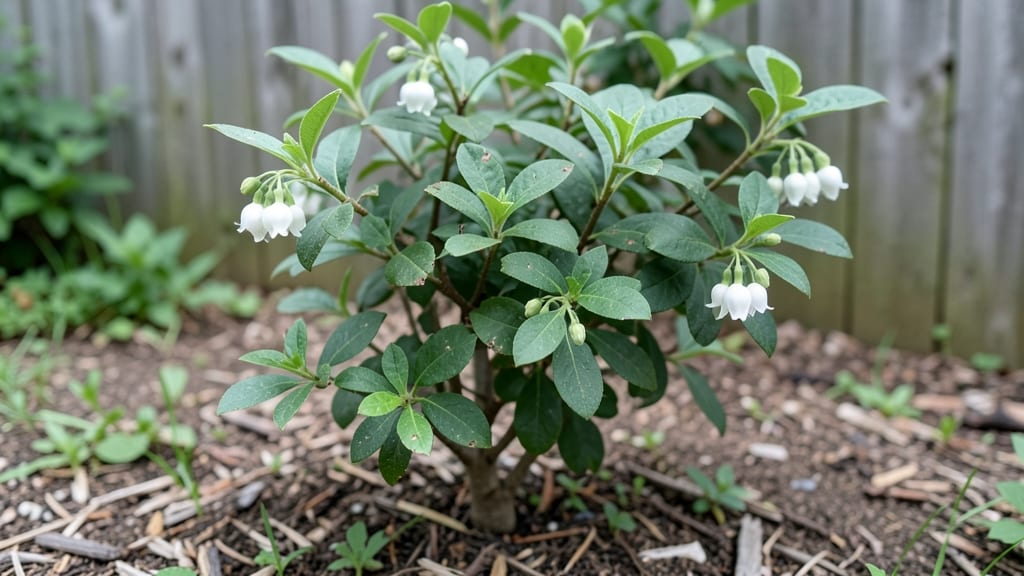
Highbush blueberry flowers transform Pacific Northwest gardens into buzzing pollinator hotspots from early spring through late summer. 🌸 I remember the first time I saw my bushes covered in white blossoms—hummingbirds darting between branches, bees packing pollen, and that unmistakable blueberry fragrance filling the air.
These aren't just pretty faces; they're the foundation of your harvest, and getting them right means more berries for you and more food for local wildlife.
The secret starts with acidic soil (pH 4.5-5.5) and consistent moisture—blueberries hate soggy roots but despise drought even more. Plant in full sun where morning warmth helps flowers open early, and mulch heavily to keep roots cool.
Most gardeners overlook pruning, but removing old wood in late winter gives new growth room to flower. I've seen bushes produce three times more blooms after just one careful pruning session, and the berries follow suit.
By mid-summer, your bushes will be covered in clusters of tiny white flowers that attract pollinators from miles around. The key to keeping them blooming is regular feeding with acid-loving fertilizer and watching for signs of stress—yellow leaves mean it's time to check that soil pH again.
When done right, you'll have flowers in spring, berries in summer, and even winter interest from the glossy foliage.
This works equally well in home gardens, community plots, or even large landscapes—just scale up the mulch and adjust pruning for size. The Pacific Northwest's mild winters mean you can push blueberries harder than in colder climates, so don't be shy about planting multiple varieties for continuous blooms.
Let's get those bushes flowering like never before!
📚 In This Guide
- What you need
- Instructions
- Tips and common mistakes
- Wrapping up and next steps
What you need
- ● Highbush blueberry plants: 3–5 mature bushes (look for Vaccinium corymbosum varieties like 'Bluecrop' or 'Duke').
- ● Well-draining soil: Mix of 60% native soil + 40% acidic compost (pH 4.5–5.5). Test kits available at garden centers.
- ● Organic mulch: 2–3 inches of pine needles, wood chips, or peat moss to retain moisture and acidity.
- ● Slow-release fertilizer: Acid-loving plant food (e.g., Osmocote or Miracid) for spring/fall.
- ● Drip irrigation system: 1/4" tubing + emitters (blueberries hate soggy roots!).
- ● Pruning shears: Sharp, sterilized shears for shaping bushes (avoid winter pruning!).
- ● Pollinator-friendly companions: 1–2 native flowering plants (e.g., Salal or Oregon grape) to extend bloom time.
- ● Soil acidifier: Aluminum sulfate or sulfur granules for finicky soil.
- ● Bird netting: To protect flowers from hungry birds (if berries aren’t your goal!).
- ● Blueberry flower attractant: Bee-friendly borage or lavender planted nearby.
- ● Weatherproof trellis: For climbing varieties (e.g., 'Top Hat').
How to cultivate highbush blueberry flowers for Pacific Northwest gardens
Here's the straightforward approach I've used to keep blueberries blooming reliably in our rainy climate.
🌱 Step 1: Choose the Right Varieties for Year-Round Blooms
For Pacific Northwest gardens, select 'Duke', 'Bluecrop', or 'Jersey' varieties—they handle our wet springs and produce flowers even when others struggle. These cultivars bloom early in spring and may produce a secondary flush in late summer. I always plant at least two varieties to ensure continuous nectar for pollinators throughout the season.
Check your USDA zone—most highbush blueberries thrive in zones 4-7. If you're in zone 8, opt for southern highbush varieties like 'Climax' or 'Premier'. Plant in early spring when soil temperatures reach 45°F—this gives roots time to establish before summer heat arrives.
☀️ Step 2: Select the Perfect Planting Site
Blueberries need full sun (6-8 hours daily) but tolerate light shade in hotter inland areas. In coastal zones, morning sun with afternoon shade prevents leaf scorch. The soil must be acidic (pH 4.5-5.5)—test your soil before planting. I use a portable pH meter ($15 at garden centers) to check existing conditions.
Choose a location with well-draining soil—blueberries hate soggy roots. If your native soil is heavy clay, amend with 20% peat moss or pine bark fines mixed into the top 12 inches of soil. Avoid low spots where water pools after rain. I always plant on a slight mound to improve drainage.
💧 Step 3: Plant Correctly for Strong Flower Production
Dig a hole twice as wide as the root ball but only as deep as the container's root base. Remove the plant from its container and loosen any circling roots with your fingers. Position the plant so the top of the root ball sits 1 inch above ground level—this prevents water from pooling at the stem base.
Backfill with a mix of native soil and peat moss (50/50 ratio). Water deeply to settle the soil, then add 2 inches of wood chips or pine needles as mulch. Keep the soil consistently moist (not soggy) for the first 6-8 weeks—this encourages strong root growth that supports next year's flowers.
✂️ Step 4: Prune Strategically to Encourage Blooms
Prune in late winter or early spring before buds swell. Remove dead, diseased, or crossing branches first. Then cut back last year's fruiting wood to 1/3 of its length—this stimulates new growth that will bear next year's flowers. I always sterilize my pruners with rubbing alcohol between cuts to prevent disease spread.
For established bushes, thin out overcrowded stems to improve air circulation. Never prune more than 25% of the plant in one season—this stresses the bush and reduces flowering. After pruning, apply a balanced fertilizer (10-10-10) when new growth reaches 4 inches tall to support vigorous flowering.
🌿 Step 5: Maintain Year-Round Flowering Conditions
Blueberries need consistent moisture—water 1-2 inches per week during dry spells. I check soil moisture by sticking my finger 2 inches deep—if it feels dry, water deeply. Avoid wetting the leaves to prevent fungal diseases like botrytis blight, which can kill flowers before they open.
In late summer, apply 1 inch of sulfur per 100 square feet if your soil pH rises above 5.5. Test pH annually in fall—blueberry flowers need acidic conditions to develop properly. I also add 1/2 cup of cottonseed meal as a slow-release nitrogen source in early spring to support flower production.
Tips & tricks for cultivating highbush blueberry flowers
Here's what I've learned after years of growing blueberries in our rainy Pacific Northwest climate.
Variety Selection Tip: When choosing between 'Duke', 'Bluecrop', or 'Jersey' varieties, consider your specific needs. 'Bluecrop' produces the most berries but needs cross-pollination, while 'Duke' is more self-fertile. I always plant at least one of each to ensure both abundant blooms and fruit set. The secondary summer flush in these varieties is a bonus for pollinators when other plants have finished blooming.
Soil Preparation Secret: Don't skip the soil test! Our region's natural soils often test too alkaline for blueberries. I've seen plants struggle in soil testing pH 6.0 when they needed 4.5-5.5. If you're amending heavy clay soil, mix in that 20% peat moss or pine bark fines thoroughly—don't just top-dress. Spread the amendment evenly through the top 12 inches where roots will grow.
Planting Depth Matters: That 1-inch elevation above ground level is crucial in our wet climate. I've seen plants drown when planted too deeply because water pools around the stem. After planting, create a slight berm around the base to further improve drainage. This small detail prevents root rot that can kill flowers before they open.
Pruning Precision: When cutting back last year's fruiting wood to 1/3 its length, focus on removing the oldest stems first. These are the ones that produce fewer flowers each year. I mark them with a ribbon during harvest season so I know exactly which branches to prune. This targeted approach maintains flowering capacity while opening up the center for better air circulation.
Pro Tips for Highbush Blueberry Flowers
- Here's what I've learned after years of growing blueberries in our rainy Pacific Northwest climate.
- Variety Selection Tip: When choosing between 'Duke', 'Bluecrop', or 'Jersey' varieties, consider your specific needs.
- Soil Preparation Secret: Don't skip the soil test!
Frequently asked questions
Got questions about highbush blueberry flowers?
You’re not alone! Whether you’re a seasoned gardener or a curious beginner, these answers will help you make the most of your pollinator-friendly blooms in the Pacific Northwest.
When do highbush blueberry flowers bloom in the PNW?
Highbush blueberry flowers typically bloom between late April and early June, depending on your exact location and microclimate. Cooler inland areas may see blooms slightly later, while coastal regions often bloom earlier. Early spring warmth triggers flowering, so keep an eye out for those iconic bell-shaped, white or pink-tinged blooms!
Why aren’t my highbush blueberry flowers producing berries?
There are a few common culprits: lack of pollinators (like bees!), late frost damage (flowers are frost-sensitive!), or poor soil pH (blueberries need acidic soil, pH 4.5–5.5). Try planting companion flowers to attract pollinators, covering blooms if frost is forecast, and testing your soil’s acidity.
Can I attract more pollinators to my highbush blueberry flowers?
Plant native PNW pollinator favorites like salal, Oregon grape, or wild lilac nearby. Avoid pesticides during bloom time, and add a shallow water source (like a birdbath with pebbles) to give bees and butterflies a drink. The more pollinators, the better your berry yield!
Do highbush blueberry flowers need pruning?
Yes! Prune after harvest (late summer) to remove dead, diseased, or crossing branches and open the canopy for sunlight. Avoid heavy pruning in winter—it can stimulate early blooming, which frost may damage. Focus on shaping the bush to encourage air circulation and future flower production.
Are there alternatives to highbush blueberries for pollinator gardens?
If highbush blueberries aren’t your style, try lowbush blueberries, huckleberries, or native Pacific dogwood for similar pollinator benefits. Saskatoon berries (serviceberries) and currants/gooseberries are also great PNW-friendly options that support bees and birds.
Wrapping up and next steps
Highbush blueberry flowers aren’t just a stunning addition to your Pacific Northwest garden—they’re a lifeline for pollinators and a year-round source of beauty and bounty! 🌸 From their early spring blooms to their late-summer harvests, these hardy plants deliver color, nutrition, and ecological benefits that keep your garden thriving.
Whether you're a seasoned gardener or just starting out, planting highbush blueberries is a rewarding step toward a more vibrant, pollinator-friendly landscape.
Ready to transform your garden? Start by choosing the right varieties for your region, then dive into planting and care—your bees, birds, and future blueberry pies will thank you! 🍇✨