
Flowers
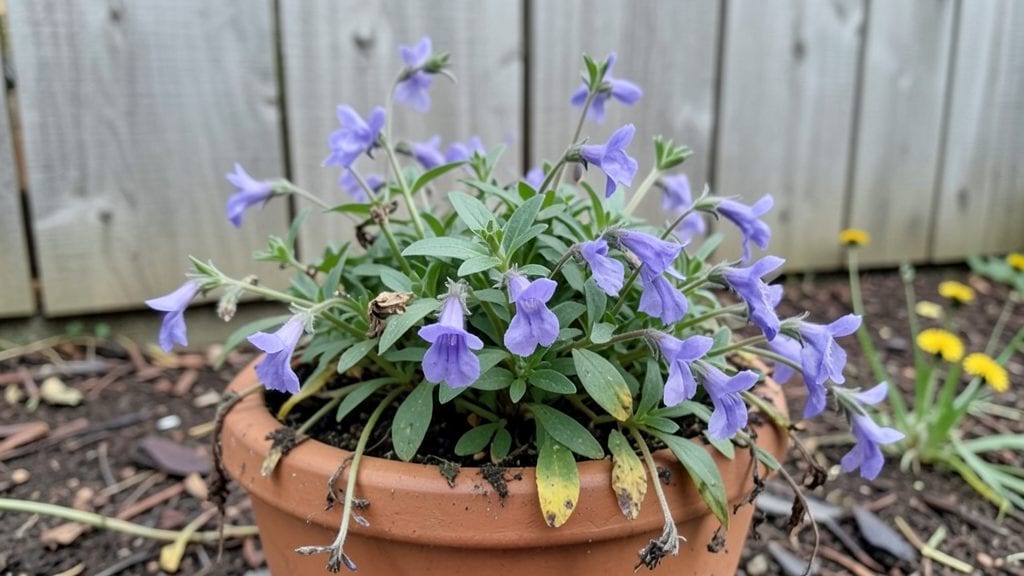
Growing Saint Joseph flower in your Pacific Northwest garden means hummingbirds will visit from spring through fall—and sometimes even winter. 🌿 I’ve watched these vibrant purple blooms draw tiny iridescent wings to my yard, and once you plant them, you’ll never want to live without them.
The secret to their success lies in rich, moist soil and partial shade—exactly what the Pacific Northwest provides. They thrive in woodland gardens, along stream edges, or tucked into shady corners where other flowers struggle.
Watering is simple: keep the soil consistently damp but never soggy, and you’ll see those bell-shaped flowers appear by early summer.
By late summer, you’ll have a year-round hummingbird buffet—the blooms persist into frost, and the seed heads add winter interest. Prune back in early spring to encourage fresh growth, and watch as your garden becomes a nonstop hum of activity.
These plants spread slowly but reliably, making them perfect for naturalizing in wildflower meadows or shade gardens.
Whether you’re a beginner or a seasoned gardener, Saint Joseph flower is one of the easiest perennials to grow—and one of the most rewarding. Let’s get those roots in the ground so you can enjoy the show!
📚 In This Guide
- What you need
- Instructions
- Tips and common mistakes
- Wrapping up and next steps
What you need
- ● Saint Joseph flower seeds or nursery plants: Seeds: 50–100 seeds (or 5–10 seed packets, ~10 seeds per packet)
- ● Nursery plants: 3–5 mature plants (6–12 inches tall) for immediate blooms
- ● Well-draining soil: 6–8 bags of peat-based potting mix or native PNW soil blend (amended with compost)
- ○ Optional: Perlite or sand (1–2 cups) for improved drainage
- ● Sunlight access: Full sun to partial shade (6+ hours of sunlight daily)
- ● Planting tools: Trowel or hand shovel
- ○ Garden gloves (optional but recommended)
- ● Watering: Watering can or hose with a gentle spray nozzle
- ○ Drip irrigation kit (optional, for consistent moisture)
- ● Fertilizer: Balanced 10-10-10 fertilizer or compost tea (1–2 tbsp per plant, monthly)
- ● Mulch: 2–3 inches of organic mulch (wood chips, straw, or shredded bark)
- ● Hummingbird feeders (to supplement nectar while flowers establish)
- ● Pruning shears (for deadheading or shaping plants)
- ● Epsom salt (1 tbsp per gallon of water, monthly, for magnesium boost)
- ● Native PNW companion plants (e.g., Penstemon or Salvia) for pollinator diversity
Step-by-Step guide to cultivating Saint Joseph flower for hummingbirds
Here’s how I establish this Pacific Northwest native to keep hummingbirds visiting all year.
🌱 Step 1: Select the Ideal Planting Location
Saint Joseph flower (Lobelia siphilitica) thrives in partial to full shade with moist, well-draining soil. In the PNW, I always plant mine along woodland edges or under deciduous trees where they receive 3-6 hours of dappled sunlight daily. Avoid dense shade—this plant needs some light to produce its signature bell-shaped blooms that hummingbirds adore.
Test your site’s moisture by digging a 6-inch hole and filling it with water. If it drains within 1-2 hours, the soil is ideal. If water pools after 24 hours, amend with 1 part perlite to 3 parts native soil to improve drainage. I’ve found that morning sun and afternoon shade yields the most vibrant flowers.
🌿 Step 2: Prepare the Soil and Plant
Loosen the soil in a 12-inch diameter area around your planting spot to encourage root spread. Work in 2-3 inches of compost to enrich the soil without altering its natural moisture retention. Saint Joseph flower prefers slightly acidic to neutral pH (6.0-7.0), so a soil test kit ensures you’re in the right range.
Dig a hole twice as wide as the root ball but only as deep—planting too deep suffocates the crown. Gently remove the plant from its container, tease the roots if they’re circling, and place it in the hole so the top of the root ball sits level with the surrounding soil. Backfill with native soil, pressing lightly to eliminate air pockets.
💧 Step 3: Water and Mulch for Hummingbird Appeal
Water deeply immediately after planting to settle the soil and encourage root growth. In the PNW’s damp climate, I water every 5-7 days during the first growing season, checking that the top 2 inches of soil remain moist but not soggy. Overwatering leads to root rot, while underwatering causes the plant to bolt prematurely.
Apply a 2-inch layer of organic mulch (like cedar chips or shredded bark) around the base, keeping it 6 inches away from the stem. This conserves moisture, suppresses weeds, and mimics the forest floor conditions where Saint Joseph flower naturally thrives. The mulch also protects roots from winter temperature swings.
☀️ Step 4: Maintain for Continuous Blooms
Deadhead spent flowers weekly during the growing season to encourage more blooms. I pinch off faded blossoms with my fingers—no tools needed—while wearing gloves to avoid thorns. This plant self-seeds aggressively, so I also remove volunteer seedlings 2-3 inches from the main plant to prevent overcrowding.
Fertilize lightly once in early spring with a balanced, slow-release granular fertilizer (10-10-10) applied at ½ the recommended rate. Too much nitrogen produces lush foliage but fewer flowers, which means fewer hummingbird visits. I’ve found that no additional fertilizer is needed in the PNW’s nutrient-rich soils.
✂️ Step 5: Winter Care for Year-Round Visitors
Saint Joseph flower is deciduous but evergreen in mild winters. In colder PNW zones (6-7), I leave the foliage intact through winter as it provides year-round structure and seed heads that hummingbirds rely on when nectar is scarce. In harsher winters, I cut back brown stems to 6 inches in late winter to encourage fresh growth.
Mulch heavily (4-6 inches) in late fall to insulate roots. I use straw or leaves because they break down slowly and won’t compact like wood chips. This protects the plant from freezing and thawing cycles that can damage roots. With proper winter care, your Saint Joseph flower will burst into bloom as early as March, giving hummingbirds their first nectar source of the year.
Tips & tricks for perfect Saint Joseph flower cultivation
The secret to coaxing vibrant hummingbird-friendly blooms from Saint Joseph flower lies in the details. Here's what I've learned after years of watching these plants thrive in my PNW garden.
Light Balance is Everything: The 3-6 hours of dappled sunlight mentioned in Step 1 is non-negotiable for optimal blooming. I've found that morning sun (6am-10am) followed by afternoon shade creates the perfect balance—this mimics the plant's natural woodland habitat. If your site only gets direct sun in the afternoon, consider planting near a deciduous tree whose leaves will filter the intense late-day rays during summer.
Soil Test Before Planting: While the instructions mention slightly acidic to neutral pH (6.0-7.0), I can't stress enough how important it is to test your soil first. I've seen plants struggle in soil that tested at 5.5 despite being "moist and well-draining." If your pH is below 6.0, amend with crushed limestone (about 1/2 cup per plant) before planting. The 2-3 inches of compost mentioned in Step 2 will help buffer any remaining acidity issues.
Watering Wisdom: The 5-7 day watering schedule in Step 3 works beautifully in the PNW's damp climate, but timing matters just as much as frequency. I water deeply in the morning (before 10am) to allow foliage to dry completely by evening, preventing fungal issues. During heatwaves, I increase to every 3-4 days but check that top 2 inches remain moist—this plant tells you exactly what it needs through its leaves. Drooping indicates thirst, while yellowing suggests overwatering.
Winter Protection Hacks: For that crucial 4-6 inch mulch layer in Step 5, I've found that straw works better than leaves in windy PNW winters. Leaves tend to compact and create insulation that can actually encourage rot. Another trick: I mound soil around the base of the plant (about 2 inches high) before adding mulch—this creates a thermal barrier that protects the crown from temperature fluctuations. This simple step has prevented winter dieback in my coldest zones.
Pro Tips for Saint Joseph Flower
- The secret to coaxing vibrant hummingbird-friendly blooms from Saint Joseph flower lies in the details.
- Light Balance is Everything: The 3-6 hours of dappled sunlight mentioned in Step 1 is non-negotiable for optimal blooming.
- Soil Test Before Planting: While the instructions mention slightly acidic to neutral pH (6.0-7.0), I can't stress enough how important it is to test your soil first.
Frequently asked questions
Got questions about the Saint Joseph flower? You’re not alone! This stunning Pacific Northwest native is a hummingbird favorite, but growing and caring for it can raise a few curiosities. Here are some of the most common questions—and answers—to help you cultivate success.
What’s the best time of year to plant Saint Joseph flower?
The ideal time to plant Lobelia cardinalis (Saint Joseph flower) is in early spring after the last frost, or in late summer to early fall. This gives the roots time to establish before winter. If you’re in the PNW’s milder climate, fall planting works beautifully—just keep soil moist until roots settle in!
Why aren’t hummingbirds visiting my Saint Joseph flower?
Hummingbirds adore Saint Joseph flowers, but a few factors might keep them away: lack of sunlight (they thrive in full sun), overcrowding (give them space!), or pesticides (skip chemicals—hummingbirds are sensitive). Try planting near a water source or other nectar-rich flowers to lure them in. Patience helps too—once established, they’ll become a hummingbird hotspot!
Can I grow Saint Joseph flower in containers?
Yes! This flower adapts well to large containers (at least 12 inches deep) with well-draining soil. Use a mix of potting soil and perlite to prevent root rot. Just ensure the container gets 6+ hours of sunlight daily and water consistently—containers dry out faster than garden beds. Bonus: Container-grown plants are easier to move if you need to protect them from frost.
How often should I water Saint Joseph flower?
Water deeply 1-2 times per week during the first growing season to encourage strong roots. Once established, they’re drought-tolerant but still appreciate weekly watering in dry spells. Avoid soggy soil—these plants prefer moist but well-drained conditions. Mulching helps retain moisture and keeps roots cool in summer.
What can I plant alongside Saint Joseph flower for a hummingbird garden?
Pair it with hummingbird magnets like Penstemon, Salvia, or Bee Balm for a nonstop nectar buffet. For color contrast, try Heuchera (for foliage) or Columbine (for vertical interest). Just avoid overly competitive plants—Saint Joseph flowers prefer moderate companions that share their sun and moisture needs.
Wrapping up and next steps
The Saint Joseph flower isn’t just a stunning addition to your Pacific Northwest garden—it’s a lifeline for hummingbirds, offering year-round nectar and effortless beauty. Whether you’re a beginner or a seasoned gardener, its resilience and adaptability make it a must-have for pollinator-friendly landscapes. 🌸
Ready to transform your outdoor space? Start small—plant one this season and watch your garden buzz with life! For even more inspiration, explore local nurseries or join gardening communities to share your progress.