Flowers
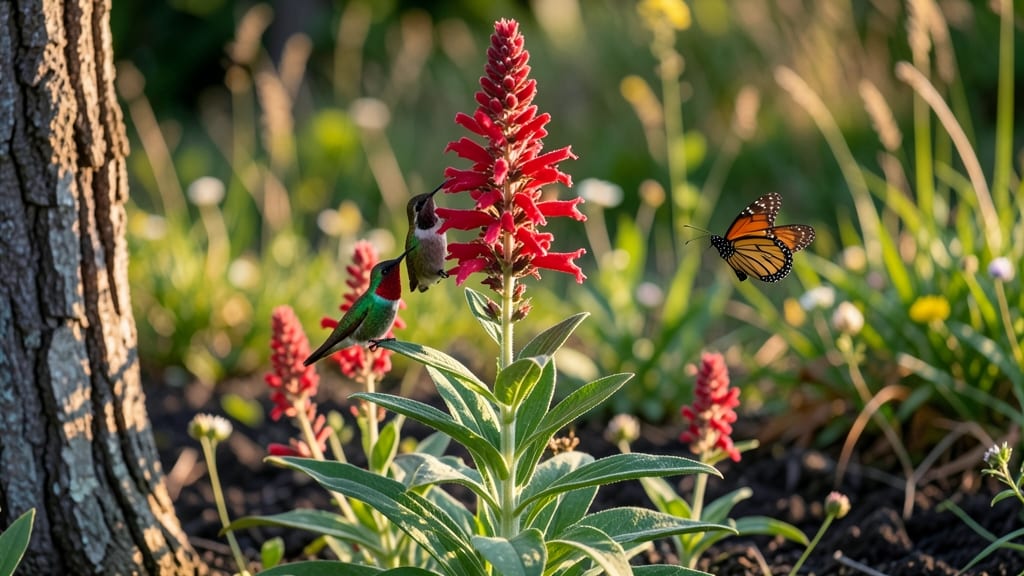
Your Pacific Northwest garden can buzz with life year-round when you plant the right hummingbird favorites. 🌸 These vibrant flowers don’t just attract hummingbirds—they create a dazzling display that keeps your garden alive from spring through fall.
The secret lies in choosing native species that thrive in the region’s mild, wet climate while offering continuous nectar.
Think red salal, scarlet gilia, and Pacific dogwood—each packed with tubular blooms that hummingbirds can’t resist. These plants also handle the PNW’s frequent rain and cooler summers better than many tropical imports. Plus, they bloom at different times, ensuring your garden never goes nectar-free for long.
You’ll end up with a garden that hums with activity while looking like a postcard. The deep reds and purples of these flowers create striking contrasts against the lush greenery, and the constant flutter of hummingbirds adds a magical touch.
Best of all, these plants are tough enough to handle the region’s unique growing conditions.
Whether you’re designing a new border or refreshing an existing one, these hummingbird magnets will transform your space into a pollinator paradise. Ready to get started? Let’s turn your garden into a hummingbird hotspot!
📚 In This Guide
- What you need
- Instructions
- Tips and common mistakes
- Wrapping up and next steps
What you need
- ● Native Hummingbird-Favorite Flowers (Pacific Northwest Edition): 1-3 Penstemon plants (e.g., Penstemon serrulatus or Penstemon spectabilis) – 6-12" tall, drought-tolerant.
- ● 1-2 Salvia varieties (e.g., Salvia spathacea or Salvia 'May Night') – 18-24" tall, thrives in partial shade.
- ● 3-5 Fuchsia plants (e.g., Fuchsia magellanica) – 12-36" tall, loves moisture and shade.
- ● 1 Red Columbine (Aquilegia formosa) – 12-24" tall, perennial and pollinator magnet.
- ● 1 Oregon Grape (Mahonia aquifolium) – 3-5' tall, evergreen shrub for winter interest.
- ● Soil Amendments: 1 bag well-draining potting mix (e.g., Miracle-Gro Garden Soil or FoxFarm Ocean Forest).
- ● 1 lb compost or worm castings for nutrient boost.
- ● Watering Supplies: 1 watering can (or hose with gentle spray nozzle).
- ○ 1 drip irrigation kit (optional but ideal for consistent moisture).
- ● Gardening Tools: 1 hand trowel (for planting small flowers).
- ● 1 pruning shears (for trimming dead blooms).
- ● 1 gloves (to protect hands from thorns or soil).
- ● Location & Setup: Sunlight: Partial to full sun (6+ hours/day for most flowers; Fuchsia prefers shade).
- ● Space: 6-12" spacing between plants for airflow (adjust for shrubs like Oregon Grape).
- ○ Containers: 1-2 hanging baskets (optional, for trailing Fuchsia or Lobelia).
- ● 1 hummingbird feeder (4:1 sugar-water ratio, refilled weekly).
- ● 1 perennial ground cover (e.g., Heuchera or Sedum) to suppress weeds.
- ● 1 birdbath or shallow dish for drinking (place near flowers).
- ● 1 native plant guidebook (e.g., Pacific Northwest Native Plants by John Greenlee).
How to create a hummingbird-friendly garden in the Pacific Northwest
Here’s the method I’ve used for years to transform any space into a hummingbird magnet—no matter the season.
🌱 Step 1: Select the Right Flower Varieties for Year-Round Blooms
Focus on plants that thrive in the Pacific Northwest’s climate while providing continuous nectar. Red columbine (Aquilegia formosa) and Pacific giant hyssop (Agastache urticifolia) are two of my top picks—they bloom early and late, respectively. For summer through fall, include salmonberry (Rubus spectabilis) and salal (Gaultheria shallon), both native and hummingbird-obsessed.
I always plant at least four different species to ensure blooms overlap. Hummingbirds need a steady food source, and a single variety won’t cut it. Check each plant’s bloom time: some, like Oregon grape (Mahonia aquifolium), flower in late winter, while others, like fireweed (Chamerion angustifolium), take over in summer. This way, your garden is never "out of season" for them.
☀️ Step 2: Plant in Sun and Sheltered Locations
Hummingbirds favor spots with morning sun and afternoon shade—this keeps flowers blooming while protecting them from harsh afternoon winds. In the PNW, that often means south- or west-facing beds near a fence or building. I’ve seen hummingbirds abandon gardens where flowers wilt from too much sun or get drenched in rain.
Group plants in clusters of 3-5 per variety to create visual "landing zones." Hummingbirds navigate by color, so bright reds and oranges work best. Avoid pastels—they’re nearly invisible to these birds. If your space is small, use containers: hanging baskets with fuchsia (Fuchsia magellanica) or penstemon (Penstemon serrulatus) draw them in instantly.
💧 Step 3: Water Deeply and Mulch to Retain Moisture
Pacific Northwest summers can be dry, and hummingbirds need hydrated flowers for nectar production. Water deeply once a week (or more in heatwaves) until the top 6 inches of soil feels damp. Overwatering is worse—root rot kills plants faster than drought. I use 3-4 gallons per plant during establishment, then taper to 1-2 gallons weekly once established.
Spread 3 inches of wood chips or bark mulch around each plant to lock in moisture and regulate soil temperature. Mulch also suppresses weeds, which compete for water and nutrients. Replenish mulch annually—it breaks down faster in our wet winters. Avoid dyed mulch; hummingbirds avoid gardens with chemical additives.
✂️ Step 4: Prune Strategically for Continuous Blooms
Deadhead spent blooms weekly to encourage new flowers. Hummingbirds return to gardens where they find fresh nectar daily—this is non-negotiable. For shrubs like salmonberry, prune in late winter to shape them and remove dead wood. Never prune in fall; you’ll cut off next year’s blooms before they form.
For perennials like columbine, cut back after flowering (late spring) to let energy store for next year. I always leave 1-2 inches of stem—this prevents disease while preserving the plant’s structure. If a plant looks leggy, it’s thirsty or overcrowded. Thin out congested areas immediately; hummingbirds avoid tangled gardens.
🪴 Step 5: Add a Water Source and Perches
Hummingbirds don’t just drink nectar—they bathe and drink from moving water. A small shallow dish with pebbles (so they can perch safely) or a dripper fountain works wonders. Place it near flowers but out of direct sun to prevent algae. I’ve seen hummingbirds ignore feeders but dive into a simple dish—never underestimate their instincts.
Include 2-3 small branches (3-4 feet tall) near feeding areas. Hummingbirds use them to rest and scout for predators. Avoid thick branches; they prefer thin, flexible ones they can grip easily. If you’re near wooded areas, they’ll use natural perches—but in urban gardens, you’ll need to provide them.
Tips & tricks for perfect hummingbird gardens
Creating a hummingbird haven in the Pacific Northwest requires more than just planting flowers—it's about understanding their preferences and mimicking their natural habitat. Here are the secrets I've learned to make any garden irresistible to these tiny, energetic visitors.
Seasonal Bloom Strategy: The key to year-round success lies in overlapping bloom times. I've found that pairing early bloomers like Oregon grape with mid-season fireweed and late-season salmonberry creates a continuous nectar supply. This isn't just about quantity—hummingbirds need variety to maintain their diet throughout changing seasons.
Color Psychology: Hummingbirds see the color spectrum differently than we do, with a particular sensitivity to reds and oranges. While these colors attract them, I've noticed they're equally drawn to ultraviolet patterns that we can't see. Planting flowers with prominent UV markings (like bee balm or penstemon) creates invisible highways for them to follow through your garden.
Water Feature Essentials: The shallow dish with pebbles mentioned in Step 5 is a game-changer, but here's what I've learned about placement: position it where hummingbirds can approach from multiple angles without feeling exposed. I've seen them abandon water sources that leave them vulnerable to predators. Also, keep the water moving—even a gentle dripper fountain works better than still water.
Native Plant Advantage: While non-native flowers like fuchsia are hummingbird favorites, I've discovered that native plants offer superior benefits. They've co-evolved with local hummingbird species, producing nectar that's perfectly balanced for their nutritional needs. Plus, they require less maintenance once established—a win-win for both birds and gardeners.
Pro Tips for Hummingbird Favorite Flowers
- Creating a hummingbird haven in the Pacific Northwest requires more than just planting flowers—it's about understanding their preferences and mimicking their natural habitat.
- Seasonal Bloom Strategy: The key to year-round success lies in overlapping bloom times.
- Color Psychology: Hummingbirds see the color spectrum differently than we do, with a particular sensitivity to reds and oranges.
Frequently asked questions
Got questions about attracting hummingbirds with your favorite flowers? You’re not alone! Here are some of the most common queries from gardeners in the Pacific Northwest—and the answers to help you create a hummingbird haven.
What are the best hummingbird flowers for the Pacific Northwest’s rainy climate?
The PNW’s mild, wet winters and cooler summers call for tough, nectar-rich blooms like Penstemon, Salvia, and Oregon grape (Mahonia). These thrive in partial shade and handle occasional downpours. Avoid delicate annuals like fuchsia unless you’re in a sheltered microclimate.
When is the best time to plant hummingbird flowers for year-round visits?
For continuous blooms, plant in early spring (March–April) to establish roots before summer heat. Succession plant perennials like bee balm or columbine in late summer (August–September) to extend the nectar season. Bulbs like trillium can be planted in fall for early spring blooms.
Can I grow hummingbird flowers in containers or small spaces?
Opt for compact varieties like dwarf penstemon, miniature salvia, or windowbox fuchsia. Use lightweight potting mix with perlite for drainage, and place containers near sunny windows or balconies. Just ensure they’re at least 12 inches deep to support root growth.
Why aren’t hummingbirds visiting my flowers even though they’re blooming?
Check these fixes:
- Red hue: Hummingbirds are drawn to red, orange, or pink flowers—add a few bright blooms if yours are mostly purple or white.
- Nectar access: Flat or tubular flowers (like honeysuckle) are ideal; avoid deep-throated blooms they can’t reach.
- Water source: Add a shallow dish with pebbles and fresh water nearby.
- Pesticides: Chemicals can repel birds—opt for organic solutions.
What’s a low-maintenance alternative if I don’t want to garden?
Try hummingbird feeders! A 4:1 sugar-water mix (no dye!) mimics nectar. Place feeders near windows but away from predators, and clean them weekly. Pair with a native shrub like red-flowering currant for a no-fuss option.
Wrapping up and next steps
Attracting hummingbirds to your Pacific Northwest garden isn’t just rewarding—it’s a joyful dance of color, movement, and life! 🌸 From snowberries in winter to salal blooms in summer, these year-round favorites ensure your feathered friends never go thirsty.
Whether you’re a seasoned gardener or just starting, every bright flower and strategic placement makes a difference.
Now that you’re armed with the best picks, why not take the next step? Plant one (or all!) of these hummingbird magnets this weekend—your garden (and the tiny acrobats visiting it) will thank you! Ready to get growing? 🌱