
Flowers
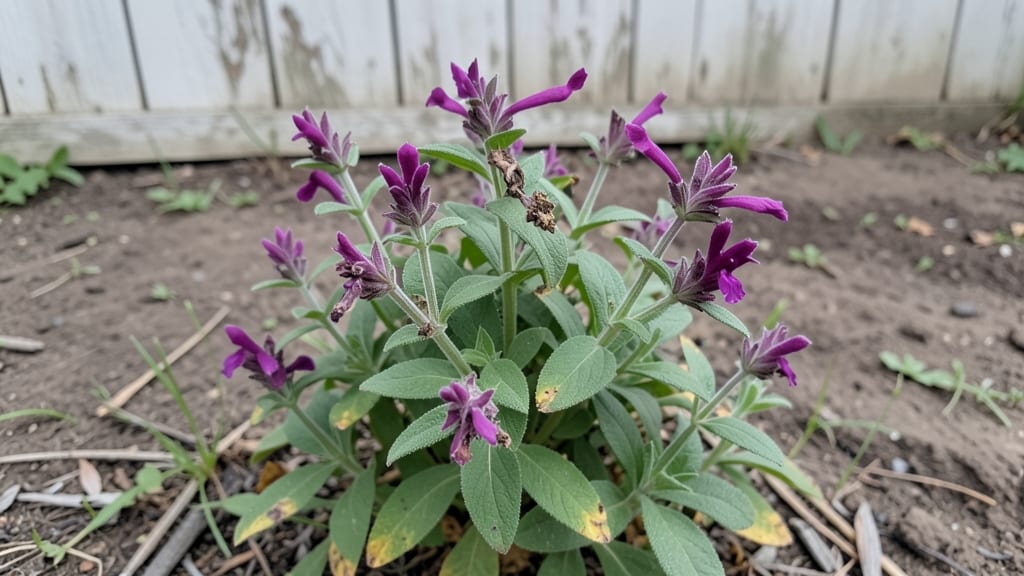
Those purple-green flowers aren’t just a trend—they’re the secret weapon for gardens that stop visitors in their tracks. 🌿 I’ve designed entire beds around plants like Purple Smoke Bush and Variegated Dusty Miller, where the foliage itself becomes the star, blending seamlessly with purple blooms like lavender or hydrangeas.
The magic happens when you pair deep purple leaves with soft pink or white flowers—suddenly, your garden feels like a living painting.
This isn’t about random plant placement; it’s about strategic color layering. Start with a purple-green shrub as your anchor—something like Cotoneaster dammeri ‘Royal Burgundy’—then weave in flowers that echo or contrast its tones.
For example, purple petunias beside silver-blue Lamb’s Ear create a dreamy, ethereal effect, while lavender hydrangeas add volume and texture. The key is repetition: use 3-5 plants of the same purple-green hue to create visual harmony.
What you’ll end up with is a garden that pops in every season. In spring, the fresh foliage of Purple Heart Plant (Tradescantia pallida) contrasts with early blooms like purple clematis.
By summer, the combination of purple-green leaves and blooms like purple coneflowers creates depth, while fall brings fiery reds that make the purples glow. Even in winter, evergreen shrubs like Purple Smoke Bush keep the drama alive.
This approach works for cottage gardens, modern landscapes, or shade-loving beds—just adjust the plant palette to fit your light conditions. The best part? You don’t need rare or expensive plants.
Start with a few purple-green staples, then build around them. Ready to transform your space into a year-round masterpiece? Let’s get planting.
📚 In This Guide
- What you need
- Instructions
- Tips and common mistakes
- Wrapping up and next steps
What you need
- ● Purple-green flowering plants: Choose from Heuchera (Coral Bells), Helleborus (Lenten Rose), or Dichondra argentea (Silver Falls) (1–3 plants per container or garden bed).
- ● Well-draining potting mix: 5–10 gallons (for containers) or amended garden soil (for in-ground planting).
- ○ Containers (optional): 10–12" pots with drainage holes (if not planting directly in the ground).
- ● Organic compost: 2–3 cups per plant to enrich soil.
- ● Slow-release fertilizer: Balanced 10-10-10 (1 tbsp per plant).
- ● Garden trowel or small shovel (for transplanting).
- ● Watering can or hose with gentle spray nozzle (to avoid disturbing roots).
- ● Pruning shears (for trimming dead foliage or shaping plants).
- ○ Gloves (optional)—to protect hands from soil or thorns.
- ● Sunlight assessment: Partial to full shade (6+ hours of indirect light for best color).
- ○ Mulch (optional): 1–2 inches of shredded bark or straw to retain moisture.
Step-by-Step guide to designing a striking purple-green flower garden
Here's how to create a bold, year-round display using foliage and blooms in unexpected purple-green hues.
🌿 Step 1: Select Purple-Green Plants for Year-Round Interest
Start with Heuchera varieties like 'Plum Pudding' or 'Palace Purple' for their deep burgundy foliage that glows in winter. Add Coral Bells (Heucherella) in 'Berry Smoothie' for chartreuse-purple leaves that stay vibrant through frost. For flowers, Lavender ('Hidcote' or 'Munstead') provides silvery-purple blooms that perfume the garden from summer to fall.
Include Purple Smoke Bush (Cotinus) for its smoky purple foliage and dramatic plumes that last into autumn. For winter structure, Dwarf Fountain Grass ('Rufus') offers coppery-purple blades that sway year-round. I always plant these in odd-numbered groupings—three or five plants create better visual impact than single specimens.
☀️ Step 2: Plan for Light and Seasonal Color Shifts
Most purple-green plants thrive in full sun to partial shade, but foliage colors intensify with 4-6 hours of direct sunlight daily. Place Heuchera and Coral Bells where they'll receive morning sun and afternoon shade to prevent leaf scorch. Lavender and Purple Smoke Bush need full sun to maintain their richest hues.
Watch for seasonal shifts—purple foliage often deepens in cooler weather, while flowers like lavender may fade in intense heat. I like to pair purple-green plants with silver foliage (like lamb's ear) to make the colors pop against contrasting textures. Space plants 18-24 inches apart to allow airflow and prevent fungal issues.
💧 Step 3: Prepare Soil and Plant for Long-Term Vibrancy
Amend native soil with 2-3 inches of compost and a handful of slow-release organic fertilizer (like 10-10-10) before planting. Purple-green foliage plants like Heuchera prefer well-draining, slightly acidic soil (pH 6.0-7.0). Test your soil—if it's heavy clay, mix in pearlite to improve drainage.
Dig holes twice as wide as the root ball but only as deep as the plant's container. Gently remove plants from pots and loosen roots if they're circling. Water deeply before planting to settle the soil around roots. Mulch with 2 inches of shredded bark to suppress weeds and retain moisture—this is especially important in summer when purple foliage can dry out.
✂️ Step 4: Prune and Maintain for Continuous Color
Cut back Purple Smoke Bush in late winter to encourage fresh growth, but leave Heuchera and Coral Bells undisturbed—their foliage provides winter interest. Deadhead lavender flowers after blooming to encourage a second flush in late summer. I prune lavender with sharp shears, cutting back one-third of the oldest stems to maintain shape.
Fertilize lightly in early spring with a balanced organic fertilizer (like fish emulsion) to support new growth. Purple-green plants are generally low-maintenance, but watch for aphids on lavender or powdery mildew on Heuchera in humid climates. A neem oil spray applied preventatively keeps pests at bay without harming beneficial insects.
🌱 Step 5: Layer for Seasonal Transitions
Add spring-blooming bulbs like blue grape hyacinths or white daffodils to fill gaps while foliage is still emerging. In summer, interplant with purple annuals like cleome or salvia for height contrast. For fall, let sedum ('Autumn Joy') or Russian sage grow in to extend the color palette.
This layered approach ensures your garden never looks bare. I like to sketch a simple layout first—marking where each plant will go and how their colors will shift with the seasons. Purple-green gardens shine when they're textured, layered, and thoughtfully spaced—not just packed with plants.
Tips & tricks for perfect purple-green flower gardens
Creating a stunning purple-green garden goes beyond just planting—these insider tricks will help you maximize color impact and keep your design thriving year-round.
Plant Pairing Secret: The key to making purple-green foliage truly pop lies in strategic color contrasts. I always pair Heuchera varieties with silver foliage plants like lamb's ear—this creates a dramatic visual effect that makes the purple hues appear even more vibrant. For flowers, combine lavender's silvery-purple blooms with chartreuse-purple Coral Bells leaves to create a stunning two-tone effect that's especially striking in photographs.
Light Management Technique: Those crucial 4-6 hours of direct sunlight are non-negotiable for color intensity, but timing matters just as much. I recommend placing Heuchera and Coral Bells where they receive morning sun and afternoon shade—this prevents leaf scorch while still allowing enough light for vibrant foliage. For lavender and Purple Smoke Bush, full sun is essential, but if your climate gets extremely hot, provide afternoon shade during peak summer months to prevent color fading.
Soil Preparation Insight: The 2-3 inches of compost and 10-10-10 fertilizer mentioned in Step 3 aren't just recommendations—they're essential for maintaining that rich purple coloration. I've found that adding a handful of worm castings to the mix further enhances soil fertility without risking over-fertilization. For clay soils, mix in perlite rather than sand—this improves drainage while maintaining moisture better than sand does, which is crucial for purple foliage plants that can be prone to drying out.
Pruning Precision: When deadheading lavender after blooming, I use a specific technique: I cut back one-third of the oldest stems at a time, rotating which stems I prune each year. This maintains the plant's shape while encouraging continuous blooming. For Purple Smoke Bush, I wait until late winter to prune, but I never cut back more than one-third of the plant's height at once—this ensures you'll still have plenty of foliage for that dramatic autumn display.
Pro Tips for Purple Green Flowers
- Creating a stunning purple-green garden goes beyond just planting—these insider tricks will help you maximize color impact and keep your design thriving year-round.
- Plant Pairing Secret: The key to making purple-green foliage truly pop lies in strategic color contrasts.
- Light Management Technique: Those crucial 4-6 hours of direct sunlight are non-negotiable for color intensity, but timing matters just as much.
Frequently asked questions
Got questions about those stunning purple-green flowers? You’re not alone! Here are answers to the most common queries to help you grow and enjoy these eye-catching beauties with confidence.
What are some easy-to-grow purple-green flowers?
Popular choices include Heuchera (coral bells), Bergenia (pig squeak), and Hosta varieties like ‘Halcyon’ or ‘Francee.’ These thrive in partial shade and offer vibrant foliage with purple or green hues. For full sun, try Sedum ‘Autumn Joy’ with purple-red tones.
How long does it take for purple-green flowers to establish?
Most perennials take 1–3 years to fully establish, depending on the variety. Heuchera and Hosta may show color within a season, while slower growers like Bergenia take longer. Patience pays off—divide clumps every 3–5 years to keep them vibrant!
Can I grow purple-green flowers in containers?
Choose compact varieties like Hosta ‘Patriot’ or Heuchera ‘Plum Pudding’. Use well-draining soil and containers with drainage holes. For containers, opt for 6–12 inches deep to accommodate root growth. Rotate pots occasionally for even sunlight exposure.
Why are my purple-green flowers turning brown or yellow?
Brown edges often signal overwatering or salt buildup (from tap water). Yellowing leaves may indicate underwatering, poor drainage, or nutrient deficiency. Check soil moisture—keep it evenly moist but not soggy. Adjust fertilizer (balanced 10-10-10) in spring for a boost.
What flowers pair well with purple-green foliage?
Complement their drama with white, silver, or soft pink blooms like Astilbe, Lamium, or Dianthus. For contrast, try blue salvia or purple clematis. Avoid overly bright flowers—let the foliage shine! Mulch with dark brown or black to enhance their color.
Wrapping up and next steps
From their bold color contrast to their low-maintenance charm, purple-green flowers are a dream addition for any garden or home décor. Whether you’re drawn to their unique foliage or their ability to thrive year-round, these perennials prove that beauty doesn’t have to be complicated—just intentional. 🌿✨
Ready to bring this vibrant touch to your space? Start small with a single plant or go bold with a full border. Grab your gardening gloves, pick your favorite variety, and let your creativity bloom!