
Flowers
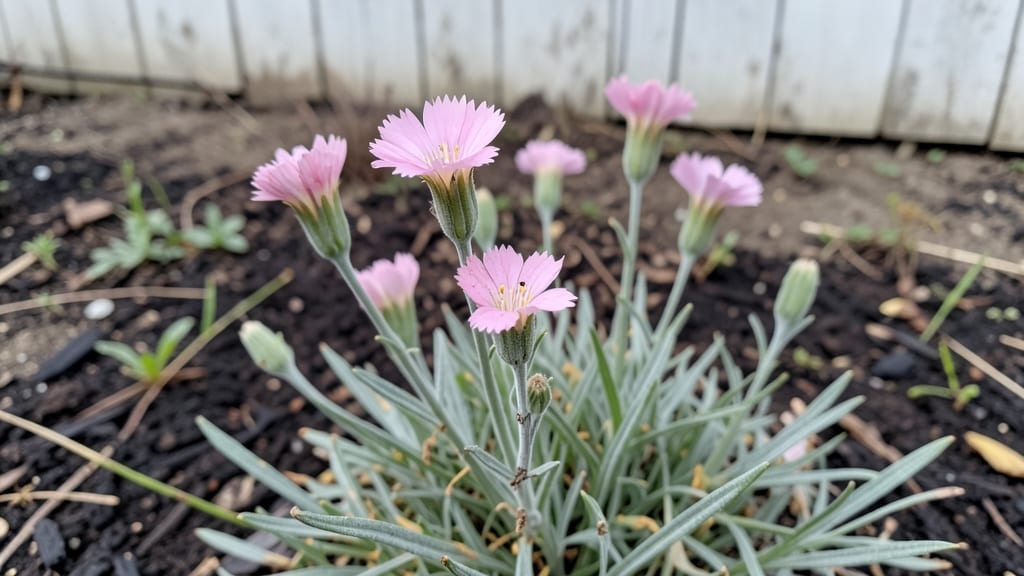
Pink dianthus flowers bring that unexpected pop of color even when frost touches the ground. 🌸 I fell in love with them after planting a border that stayed vibrant from spring through fall—until a late-season freeze, when they bounced back with fresh blooms by May.
The secret isn’t just their frost tolerance; it’s how they pair with everything from lavender to ornamental grasses, creating a look that feels both timeless and fresh.
These flowers thrive in full sun but tolerate partial shade, making them perfect for cottage gardens, rock borders, or even container displays. Pair them with silver foliage (like lamb’s ear) for contrast, or mix in purple salvia for a striking two-tone effect.
Their sweet clove-like fragrance adds another layer—plant them near seating areas or pathways where you’ll brush past the blooms.
What makes them truly magical is their year-round potential. With proper care, they’ll reward you with blooms from early spring until hard frost, then surprise you again the following year.
The key? Well-draining soil and occasional deadheading to encourage more flowers. Imagine a garden where color never fades—just swap out summer annuals for these hardy stars.
Whether you’re designing a new border or refreshing an existing one, pink dianthus flowers deliver low-maintenance beauty that keeps giving. They’re the kind of plant that makes neighbors ask, “What’s your secret?”—and the answer is simpler than you’d think. Let’s talk placement and pairings next!
📚 In This Guide
- What you need
- Instructions
- Tips and common mistakes
- Wrapping up and next steps
What you need
- ● Pink Dianthus Seeds or Plants: Choose Dianthus chinensis or Dianthus barbatus (sweet William) for vibrant pink blooms.
- ● Quantity: 10–20 seeds for a small patch, or 3–5 plants for instant color.
- ● Well-Draining Soil: Mix 1 part garden soil with 1 part perlite or coarse sand to prevent root rot.
- ● pH: Aim for 6.0–7.0 (slightly acidic to neutral).
- ● Sunlight: Full sun (6+ hours/day) or partial shade (morning sun + afternoon shade).
- ● Watering Can or Hose: With a fine rose nozzle for gentle watering.
- ● Fertilizer: Balanced 10-10-10 or 5-10-10 fertilizer (low nitrogen to encourage blooms).
- ● Apply every 4–6 weeks during growing season.
- ● Hand trowel (for transplanting seedlings).
- ● Garden gloves (to protect hands from prickly stems).
- ● Mulch (straw or pine needles) to retain moisture and suppress weeds.
- ● Pruning shears (for deadheading spent blooms).
- ● Spray bottle (for misting seeds during germination).
- ● Hardiness: Dianthus thrives in USDA Zones 3–9—frost-hardy and drought-tolerant once established!
- ● Timing: Seeds: Start indoors 6–8 weeks before last frost or sow directly in spring.
- ● Plants: Transplant in spring or early fall for best root establishment.
- ● Space: Plant 6–12 inches apart in rows or clusters for a lush display.
Step-by-Step guide to planting and cultivating pink dianthus
Here's how I grow these fragrant, frost-tolerant beauties—simple steps for vibrant blooms all season.
🌱 Step 1: Choose the Right Location and Prep the Soil
Pink dianthus thrives in full sun (at least 6 hours daily) with well-draining soil. I always test my soil first—these plants despise soggy roots. Amend heavy clay with 2-3 inches of coarse sand or perlite to improve drainage. The ideal pH is slightly alkaline, around 6.5-7.5, so a sprinkle of crushed limestone helps if your soil runs acidic.
Work the amendments into the top 12 inches of soil—this ensures roots have room to spread without hitting compacted layers. Loosen the soil gently with a garden fork, breaking up any clumps. A quick scratch test tells me if it's ready: when I run my fingers through, the soil should crumble easily, not stick together.
🌿 Step 2: Plant at the Correct Depth and Spacing
Dig holes twice as wide as the root ball but only as deep as the container held the plant. Dianthus roots are shallow, so burying too deep suffocates them. I like to plant 12-18 inches apart in rows—closer spacing works for borders, while wider gaps give them room to bush out in mixed beds.
Gently remove the plant from its container and tease apart any circling roots. Place it in the hole so the top of the root ball sits just below soil level—this prevents water from pooling around the stem. Backfill with native soil mixed with a handful of compost, pressing lightly to eliminate air pockets. Water deeply right after planting to settle everything in.
☀️ Step 3: Water and Mulch for Optimal Growth
Dianthus needs consistent moisture but hates wet feet. Water deeply 2-3 times per week until the top 2 inches of soil feel dry. I use a soaker hose to avoid wetting the foliage, which reduces fungal risks. In hot climates, morning watering prevents evaporation and keeps blooms fresher longer.
Apply 1-2 inches of mulch (like pine straw or gravel) around plants, but keep it 2 inches away from stems to prevent rot. This mulch layer locks in moisture while shielding roots from temperature swings. You'll know your watering is right when leaves stay crisp and upright—not wilting or yellowing.
✂️ Step 4: Prune and Deadhead for Continuous Blooms
Pinch back leggy stems by one-third in early spring to encourage bushier growth. Throughout the season, snip spent blooms just above the nearest set of leaves—this redirects energy to new flowers instead of seed production. I deadhead every 7-10 days during peak bloom time to keep my plants looking full and vibrant.
In fall, cut back faded stems to 2-3 inches above ground level but leave healthy foliage intact. This prepares the plant for winter while maintaining its compact shape. Dianthus handles frost beautifully, but a 2-3 inch layer of mulch over the crown protects it in harsh winters.
🌱 Step 5: Fertilize and Overwinter for Next Year's Blooms
Feed plants in early spring with a balanced 10-10-10 fertilizer at half strength. Too much nitrogen makes them leafy but flower-sparse. I also add a slow-release granular fertilizer at planting time for steady nutrition. Avoid fertilizing after mid-summer—it encourages tender new growth that won't survive winter.
In late fall, reduce watering slightly to harden off the plants. They'll enter dormancy naturally, and you'll see fresh, vibrant growth emerge as soon as spring temperatures rise. The key is patience—these perennials reward consistent care with years of fragrant blooms with minimal effort.
Tips & tricks for perfect pink dianthus cultivation
Here's what I've learned after years of growing these resilient beauties—details that make all the difference between pretty plants and showstopping blooms.
Soil Preparation Secret: In Step 1, when amending your soil, go the extra mile by mixing in 1 cup of bone meal at planting time. This adds phosphorus for strong root development and vibrant blooms. I also recommend testing your soil's drainage by filling a hole with water—if it doesn't drain within 30 minutes, you need more sand or perlite. The scratch test is perfect, but this water test gives you concrete data before planting.
Planting Precision: For Step 2, here's my pro move: after planting, use a small garden trowel to create shallow trenches around each plant, about 1 inch deep and 2 inches from the stem. This helps direct water straight to the roots during those critical first weeks. Also, if you're planting in containers, use a mix that's 50% native soil, 30% perlite, and 20% compost—this mimics their ideal growing conditions perfectly.
Watering Wisdom: In Step 3, the 2-3 times per week guideline works for most climates, but I adjust based on the scratch test I mentioned earlier. If the top 2 inches feel dry by midweek, it's time to water. For container plants, I check soil moisture daily during summer—containers dry out much faster. And here's a game-changer: water in the early morning (before 9 AM) to prevent fungal issues from evening moisture.
Winter Protection: When applying that 2-3 inch mulch layer in Step 4, I like to use straw mulch specifically because it breaks down slowly and adds organic matter. For extra protection in Zone 5 or colder, I mound soil around the base of the plant to create a 1-inch high berm—this prevents frost from touching the crown. The key is to apply mulch after the first frost but before the ground freezes solid.
Pro Tips for Pink Dianthus Flower
- Here's what I've learned after years of growing these resilient beauties—details that make all the difference between pretty plants and showstopping blooms.
- Soil Preparation Secret: In Step 1, when amending your soil, go the extra mile by mixing in 1 cup of bone meal at planting time.
- Planting Precision: For Step 2, here's my pro move: after planting, use a small garden trowel to create shallow trenches around each plant, about 1 inch deep and 2 inches from the stem.
Frequently asked questions
Got questions about growing and caring for pink dianthus flowers? You’re not alone! Here are some of the most common queries—plus quick, helpful answers to keep your garden thriving with these charming blooms.
How do I encourage pink dianthus to rebloom after the first flush?
Deadhead spent blooms regularly (remove faded flowers by pinching them off at the base) to prompt new growth. After the first flush, feed with a balanced, water-soluble fertilizer (like 10-10-10) every 4–6 weeks. Prune leggy stems lightly to encourage bushier, more vigorous regrowth. Pro tip: Avoid over-fertilizing—dianthus prefers lean soil!
Are pink dianthus truly frost-hardy? What’s the lowest temperature they tolerate?
Yes! Pink dianthus are hardy to USDA Zones 3–9, meaning they can handle light frosts down to 20–25°F (-6 to -4°C). However, heavy snow or prolonged sub-freezing temps may damage foliage. For extra protection, mulch around the base with 2–3 inches of straw or shredded leaves in winter. They’ll bounce back in spring!
Why are my pink dianthus leaves turning yellow or wilting?
Yellowing leaves often signal overwatering or poor drainage. Dianthus thrives in well-draining soil—amend heavy clay with sand or perlite. Wilting can also mean root rot (from soggy soil) or underwatering during heatwaves. Let soil dry slightly between waterings, and avoid soggy conditions.
Can I grow pink dianthus in containers? What’s the best pot size?
Dianthus does well in containers, especially terracotta pots (5–7 inches wide) with drainage holes. Use a fast-draining potting mix (add perlite or coarse sand). Plant 2–3 dianthus per pot for a full look, and water only when the top inch of soil is dry. Place in full sun for best blooms.
Are there pink dianthus varieties that attract pollinators like bees and butterflies?
Yes! Look for scented varieties like ‘Firewitch’ or ‘Pink Beauty’, which produce fragrant blooms that bees and butterflies adore. Planting near other pollinator-friendly flowers (like lavender or catmint) will create a buzzing garden hotspot. Bonus: Their nectar-rich flowers support local ecosystems!
How long does it take for pink dianthus to flower after planting?
From seed, expect blooms in 8–12 weeks (with consistent care). Transplants (from nurseries) often flower within 4–6 weeks of planting. For faster results, choose established plants in spring. Pro tip: Pinch back young plants lightly to encourage bushier growth and more blooms!
Wrapping up and next steps
The pink dianthus flower is a true gem for gardeners—offering vibrant color, sweet fragrance, and remarkable frost hardiness that keeps your garden lively year-round. Whether you're a seasoned gardener or just starting, these versatile blooms are easy to grow and bring joy with minimal effort.
Ready to transform your garden? Start by choosing your favorite pink dianthus variety, gather your supplies, and follow the simple steps to plant and care for them. Your fragrant, frost-resistant oasis awaits! 🌸