Flowers
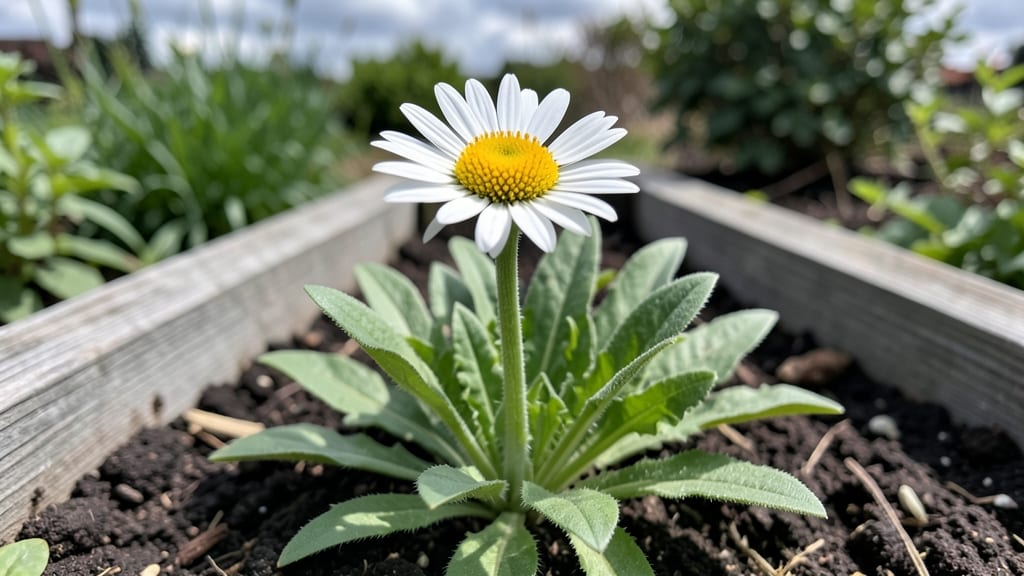
Small white daisy flowers bring effortless charm to any garden, especially in the Pacific Northwest’s misty, ever-changing light. 🌿 I fell in love with them after they softened the edges of my rocky front yard—suddenly, every corner felt welcoming, not just planted.
Their delicate petals catch the rain like tiny mirrors, reflecting the sky’s mood from dawn’s soft blue to twilight’s golden glow.
These flowers thrive in borders, containers, and drifts along pathways, creating a soothing, timeless look that pairs beautifully with deep greens, purples, and even bold reds. They’re the unsung heroes of seasonal arrangements too—whether fresh-cut in summer or dried for winter wreaths.
The best part? They symbolize purity and new beginnings, making them perfect for gardens meant to inspire joy.
Imagine a border where they spill over mossy stones, or a container where they mingle with lavender and dusty miller for textural contrast. In shade gardens, they brighten dark corners, while sunny spots let them shine against salvias or coneflowers.
Their versatility means you can use them as a focal point or a subtle backdrop—whatever your vision needs.
They’re low-maintenance too, blooming from spring to frost with minimal fuss. Whether you’re designing a cottage garden or a modern minimalist space, these daisies adapt effortlessly. Let’s explore how to weave them into your landscape for year-round appeal!
📚 In This Guide
- What you need
- Instructions
- Tips and common mistakes
- Wrapping up and next steps
What you need
- ● Small white daisy flower varieties: Oxeye Daisy (Leucanthemum vulgare) – 3–5 plants
- ● Shasta Daisy (Leucanthemum × superbum) – 3–5 plants
- ● Painted Daisy (Chrysanthemum leucanthemum) – 3–5 plants
- ● OR Seeds (if starting from scratch) – 1 packet (50–100 seeds)
- ● Soil: Well-draining, slightly acidic pH (6.0–7.0) – 1–2 cubic yards (for in-ground planting)
- ● Fertilizer: Balanced 10-10-10 or slow-release organic fertilizer – 1 lb
- ● Watering can or hose: With a gentle spray nozzle
- ● Garden gloves: 1 pair (for handling soil and plants)
- ● Pruners: Sharp, clean pair (for trimming dead blooms)
- ● Trowel or shovel: For digging holes (6–8 inches deep)
- ● Mulch: Organic (straw or wood chips) – 1–2 bags (to retain moisture)
- ○ Stakes or cages: (Optional) For tall varieties like Shasta Daisies – 3–5 stakes
- ○ Compost: (Optional) To enrich soil – 1–2 cubic feet
- ○ Drip irrigation system: (Optional) For consistent watering – 1 kit
- ○ Sunlight meter: (Optional) To check light exposure – 1 device
How to cultivate small white daisy flowers in the Pacific Northwest
Here's my battle-tested approach for growing delicate white daisies year-round in PNW's unpredictable climate.
🌱 Step 1: Select the Right Varieties for Year-Round Blooms
For Pacific Northwest conditions, I recommend Gerbera daisies (like 'White Nymph') or Shasta daisies ('Alaska' series) for their cold tolerance. These varieties handle our 40-70°F temperature swings better than tropical types. Start with 4-6 plants for a balanced display—too many will compete for light in our short growing seasons.
I always check the USDA Hardiness Zone label (PNW is typically Zone 7-9) before purchasing. Look for varieties labeled "disease-resistant"—our damp springs create perfect conditions for powdery mildew. Plant in early spring (March-April) or late summer (August) to avoid frost damage during vulnerable growth stages.
☀️ Step 2: Prepare the Soil for Optimal Drainage
White daisies hate soggy roots, so I amend native PNW soil with 2-3 inches of compost and 1 part perlite to every 3 parts native soil. This creates the loose, well-draining medium they crave. Test your soil's pH—daisies thrive in 6.0-7.0 range. If your soil tests acidic, add pelletized lime at planting time.
I dig planting holes twice as wide as the root ball but only as deep—burying too deep suffocates the crown. Water the hole thoroughly before placing the plant, then backfill with amended soil. Tap gently to remove air pockets. This ensures roots establish quickly, which is critical after our rainy winters.
💧 Step 3: Establish a Watering Routine for PNW Conditions
Water deeply once weekly during the first growing season, providing 1-1.5 gallons per plant. The key is consistency—daisies show stress when soil dries completely between waterings. I use drip irrigation to avoid wetting foliage, which prevents fungal diseases common in our humid summers.
Here's the trick: water in the morning so leaves dry quickly. I check moisture by pushing my finger 2 inches into soil—if it feels dry, it's time to water. Mulch with 2-3 inches of wood chips to retain moisture and suppress weeds. This becomes especially important during our dry summer months when irrigation becomes essential.
✂️ Step 4: Prune for Continuous Blooms Through All Seasons
Deadhead spent blooms weekly to encourage new flowers—this is non-negotiable for year-round color. I use clean, sharp pruners and cut just above the next set of leaves. This prevents the plant from putting energy into seed production and redirects it to flower formation.
In late fall, give your daisies a light haircut—reduce stems by one-third to promote bushier growth next spring. I also remove any yellowing or diseased leaves immediately. This keeps plants healthy through our cool, wet winters and ensures vibrant blooms return in early spring.
🪴 Step 5: Protect Plants Through PNW's Seasonal Challenges
For winter protection, I mound 4-6 inches of straw mulch around each plant in November, then remove it in early March. This insulates roots during our 30-40°F nights while allowing airflow to prevent rot. In summer, provide light shade (30-50%) during afternoon sun to prevent leaf scorch.
Watch for slugs and snails—they love young daisy leaves. I use copper tape barriers around containers or plant slug-resistant companions like thyme nearby. Fertilize lightly in early spring and midsummer with balanced 10-10-10 formula—too much nitrogen produces leafy growth at the expense of flowers.
Tips & tricks for perfect year-round white daisy cultivation
Mastering these PNW-specific techniques will help you overcome our region's unique growing challenges.
Variety Selection: When choosing between Gerbera and Shasta daisies, consider your specific climate zone. In colder coastal areas (Zone 7), Shasta daisies ('Alaska' series) handle our 40-70°F swings better, while inland areas (Zone 9) can support more tender Gerbera varieties. I've found that starting with 4-6 plants gives you flexibility to experiment with different varieties without overwhelming your space.
Soil Preparation: The 2-3 inches of compost and perlite mix is non-negotiable for PNW gardeners. I always add a handful of worm castings to this mixture—they introduce beneficial microbes that help roots establish faster in our wet winters. For containers, use a mix that's 60% potting soil, 20% perlite, and 20% compost to ensure proper drainage, which is especially critical during our rainy seasons.
Watering Wisdom: The once-weekly deep watering routine works beautifully, but timing matters. In our humid summers, I water at 6-7 AM to give leaves plenty of time to dry before evening moisture sets in. For container plants, I've found that using self-watering pots with moisture meters prevents overwatering during our frequent cloudy days when evaporation slows dramatically.
Seasonal Care: When applying the 4-6 inches of straw mulch in November, I always leave a 2-inch gap around the stems to prevent rot from our wet winters. For summer shade protection, I use 50% shade cloth rather than full shade—this mimics the dappled light conditions daisies prefer in their native habitats. The light shade also helps maintain the white petal color, which can fade under intense PNW sun.
Pro Tips for Small White Daisy Flowers
- Mastering these PNW-specific techniques will help you overcome our region's unique growing challenges.
- Variety Selection: When choosing between Gerbera and Shasta daisies, consider your specific climate zone.
- Soil Preparation: The 2-3 inches of compost and perlite mix is non-negotiable for PNW gardeners.
Frequently asked questions
Got questions about growing and enjoying small white daisy flowers in the Pacific Northwest? You’re not alone! Here are some of the most common queries—and their answers—to help you cultivate a thriving garden year-round.
What’s the best time to plant small white daisy flowers in the PNW?
For most varieties like Bellis perennis (English daisies) or Erigeron karvinskianus (seaside daisies), plant in early spring (March–April) or early fall (September–October). This gives roots time to establish before summer heat or winter frost. Avoid planting in extreme heat—tender seedlings may struggle!
How often should I water small white daisies?
Keep soil consistently moist but not soggy, especially during the first few weeks after planting. Once established, most daisies are drought-tolerant but appreciate 1 inch of water weekly. Mulch around the base to retain moisture and suppress weeds. Pro tip: Water at the soil level to avoid wetting foliage, which can promote fungal diseases.
Are small white daisies prone to pests or diseases?
While generally hardy, they can attract aphids, slugs, or powdery mildew in humid PNW conditions. Prevent pests by:
- Removing spent blooms to encourage airflow.
- Using organic neem oil for aphids.
- Setting out beer traps for slugs (yes, it works!).
Can I grow small white daisies in containers or hanging baskets?
Varieties like Bellis perennis thrive in containers with well-draining soil and at least 6–8 inches of depth. Choose lightweight pots to avoid root stress, and opt for hanging baskets for trailing types like Erigeron. Just ensure they get 4–6 hours of sunlight daily—even in partial shade.
What are some low-maintenance alternatives to small white daisies?
If daisies feel too high-maintenance, try these PNW-friendly picks:
- Sweet alyssum (Lobularia maritima) – Tiny white blooms, self-seeds easily.
- Baby’s breath (Gypsophila) – Delicate, airy texture; drought-tolerant.
- Statice (Limonium) – Drought-resistant, long-lasting cut flowers.
Will small white daisies survive PNW winters?
Most varieties are perennial and cold-hardy (zones 3–9), but tender types like Gerbera daisies may need winter protection. For extra safety:
With minimal care, they’ll bounce back in spring!
Wrapping up and next steps
Small white daisy flowers are the effortless charm of the Pacific Northwest, offering year-round beauty with minimal fuss. Whether you’re a seasoned gardener or just starting out, their resilience and versatility make them a perfect addition to any outdoor space. 🌸
Now that you’re armed with the how-tos and tips to cultivate them, why not take the next step? Sketch a simple garden layout or visit a local nursery to pick out your first batch of daisies—your future blooms will thank you!