
Flowers
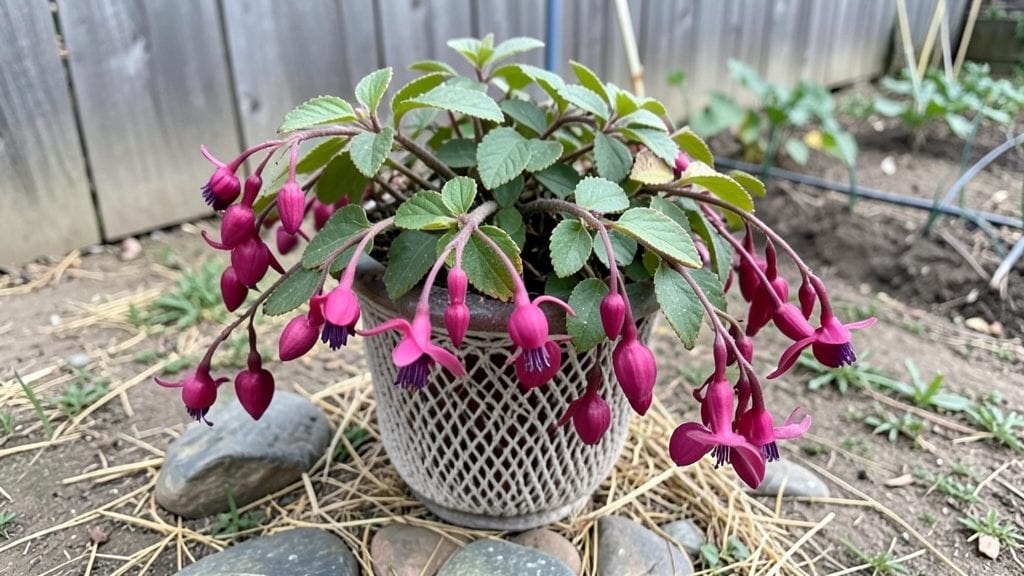
Pink and purple hanging flowers transform any space into a cascading masterpiece—just look at how my fuchsias spill over the porch railing like liquid velvet. ✨ These vibrant blooms aren’t just pretty; they create vertical drama that turns blank walls or empty balconies into eye-catching focal points.
The secret lies in their contrasting textures: velvety petunias paired with delicate lobelia, or the waxy leaves of ivy geraniums framing the blooms.
Start with 14- to 16-inch containers for a dramatic spill, and mix in trailing plants like sweet potato vine to fill gaps. I swear by moisture-retaining liners—they keep roots happy without the mess of soil spills.
For maximum impact, group odd numbers of baskets (three or five) at varying heights, and let the colors play off each other: deep magenta fuchsias next to lavender petunias create a stunning gradient effect that lasts all season.
By midsummer, you’ll have a lush, neighborhood-showstopper display that hums with pollinators. The key is consistent watering (hanging baskets dry out fast) and a light hand with deadheading—snip spent blooms to encourage nonstop new growth.
Even in partial shade, these flowers thrive, making them perfect for patios, porches, or shady corners.
Pro tip: Add 1-2 inches of mulch to the surface to retain moisture and keep roots cool. And if you’re worried about winter? Many of these plants (like ivy geraniums) are perennial in zones 9-11—just bring containers indoors before frost.
The payoff? A year-round vertical garden that’s as practical as it is beautiful.
📚 In This Guide
- What you need
- Instructions
- Tips and common mistakes
- Wrapping up and next steps
What you need
- ● Hanging planters: 1–3 macramé, ceramic, or woven baskets (10–14" diameter for medium-sized blooms)
- ○ Optional: self-watering planters (if you’re prone to forgetful watering!)
- ● Pink & purple flowers: 3–5 petunia plants (varieties like 'Wave Purple' or 'Supertunia Pink')
- ● 2–3 fuchsia plants (e.g., 'Giant Marble' or 'Angel’s Wings')
- ● 1–2 lobelia (for trailing cascades in purple or pink)
- ● 1 coleus (for foliage contrast, if desired)
- ● Potting mix: 1 bag (1–2 cubic feet) of well-draining, peat-based mix (add perlite for extra aeration).
- ● Slow-release fertilizer: 1 packet (10–12 oz) of balanced 10-10-10 or 20-20-20.
- ● Scissors or pruners: Small, sharp pair for trimming roots.
- ● Gloves: A pair to protect your hands from thorns or rough edges.
- ● Watering can: With a rose or shower attachment for gentle watering.
- ○ Stakes or trellis: (Optional) For supporting tall varieties like fuchsias.
- ○ Mulch: (Optional) Peat moss or pine bark to retain moisture.
- ○ Decorative accents: (Optional) Fairy lights, ribbons, or painted stones for a whimsical touch!
Step-by-Step guide to styling pink and purple hanging baskets
Here's how to create eye-catching vertical displays that bring drama and color to any space.
🪴 Step 1: Select the Right Hanging Planters
Choose 12-18 inch diameter baskets with sturdy metal or plastic frames—these hold up to the weight of blooms and moisture. I opt for pre-lined baskets with moisture-retentive material at the bottom to prevent root rot from water pooling. For four baskets, select ones with multiple drainage holes to ensure excess water escapes freely.
Test each basket's weight capacity by filling it halfway with water—if it feels too light, it won't support the plants once they're in full bloom. Hang them at head height or slightly above for optimal viewing. This height also prevents accidental brushes from pets or kids that could damage stems.
🌱 Step 2: Choose Complementary Pink and Purple Flowers
Pick plants with similar water and light needs to simplify care. For bold drama, I combine fuchsia (pink), petunia (purple), and lobelia (blue-purple)—their colors contrast beautifully while thriving together. Start with 4-6 plants per basket to allow room for foliage to fill in.
Look for trailing varieties like fuchsia 'Giant Marble' or petunia 'Wave' that cascade naturally. Avoid plants with aggressive growth habits like mint or ivy, which can overwhelm the basket's structure. Mix different bloom times so your display stays vibrant for months.
☀️ Step 3: Prepare the Soil and Plant Strategically
Fill each basket with lightweight potting mix designed for hanging containers—it drains faster than garden soil and prevents root suffocation. Moisten the mix until it's evenly damp but not soggy before planting. For four baskets, you'll need about 2 gallons of mix per basket to fill them properly.
Plant the tallest flowers in the center of the basket and let them trail over the edges. Place shorter plants like lobelia toward the outer rim so they spill gracefully. Water immediately after planting to settle the soil around roots. This arrangement creates a natural waterfall effect that draws the eye downward.
💧 Step 4: Water and Feed for Continuous Blooms
Check moisture every morning—hanging baskets dry out faster than ground containers. Water until water runs freely from the drainage holes, then let excess drain completely. I use a gentle spray nozzle to avoid displacing soil when watering established plants. In hot weather, you may need to water twice daily to keep roots hydrated.
Feed with a balanced liquid fertilizer every 2 weeks during the growing season. Look for one with equal NPK ratios (10-10-10) to encourage both foliage and flower production. Deadhead spent blooms weekly to redirect energy into new flowers. This simple habit keeps your baskets looking fresh and full.
✂️ Step 5: Prune and Maintain for Year-Long Color
Trim back overgrown stems in early spring to encourage bushier growth. Cut just above a leaf node where new growth can sprout. For fuchsias, pinch back the tips of young plants to promote branching—this creates a fuller, more compact shape that holds up better in baskets.
Watch for pests like spider mites on the undersides of leaves. Treat infestations immediately with neem oil spray to avoid spreading. In fall, reduce watering gradually and stop fertilizing when night temperatures drop below 50°F. Bring baskets indoors or store them in a cool, dry place until spring.
Tips & tricks for perfect pink and purple hanging flower displays
Creating stunning vertical gardens takes a few clever strategies that make all the difference between ordinary and showstopping.
Basket Weight Test: Before hanging your 12-18 inch baskets, do this quick test: Fill each one halfway with water and check if it feels sturdy. If it feels too light, it won't support blooming plants—opt for heavier metal frames instead. I've learned this the hard way after watching plastic baskets sag under fuchsia blooms!
Color Placement Secret: In Step 3, when arranging your flowers, place the purple petunias in the center of each basket—they'll draw the eye upward while the trailing pink fuchsias create a soft waterfall effect. This creates that "wow" vertical drama we're all after. The lobelia's blue-purple blooms should spill over the edges for maximum impact.
Watering Hack: Use a spray bottle for the first few days after planting to gently settle the soil around roots without disturbing the delicate arrangement. After that, stick to the morning watering routine, but add a 1-inch layer of mulch on top of the soil to help retain moisture—this cuts down on your twice-daily watering in hot weather by about 30%.
Fertilizer Timing: That 2-week feeding schedule works perfectly, but here's the trick: Mix your 10-10-10 fertilizer with water and apply it in the early morning when plants are actively absorbing nutrients. Avoid fertilizing after 4pm—it can actually burn tender new growth when combined with afternoon heat.
Pro Tips for Pink And Purple Hanging Flowers
- Creating stunning vertical gardens takes a few clever strategies that make all the difference between ordinary and showstopping.
- Basket Weight Test: Before hanging your 12-18 inch baskets, do this quick test: Fill each one halfway with water and check if it feels sturdy.
- Color Placement Secret: In Step 3, when arranging your flowers, place the purple petunias in the center of each basket—they'll draw the eye upward while the trailing pink fuchsias create a soft waterfall effect.
Frequently asked questions
What are the best pink and purple hanging flowers for beginners?
Start with easy-care options like fuchsias (dramatic blooms), petunias (long-lasting color), or lobelia (delicate cascading trails). These thrive in containers, tolerate partial shade, and require minimal fuss. For bold drama, try begonias or coleus—just ensure they get consistent moisture!
How often should I water hanging flowers in pink and purple?
Hanging flowers dry out faster than ground plants! Water daily in hot weather (or when soil feels dry to the touch) and every 2–3 days in cooler climates. Use a self-watering planter or drip irrigation to keep roots happy. Pro tip: Check soil moisture in the morning—hanging baskets can dry unevenly!
Can I mix pink and purple hanging flowers with other colors?
Pair them with white (like sweet alyssum) for contrast, yellow (e.g., calibrachoa) for brightness, or deep red (like salvia) for a moody vibe. Avoid overcrowding—aim for 3 parts foliage to 1 part flowers to balance growth. Trailing plants (like nasturtiums) add texture too!
Why are my pink/purple hanging flowers wilting or dropping leaves?
Common culprits: underwatering, overwatering (root rot!), or too much sun (especially for fuchsias). Check for pests (aphids love tender blooms) and ensure baskets have drainage holes. Move plants to partial shade if leaves scorch. Trim dead blooms to encourage new growth!
Do pink and purple hanging flowers attract hummingbirds or bees?
Yes! Many varieties are pollinator magnets. Fuchsias, petunias, and cleome (spider flower) draw hummingbirds, while lobelia and salvia lure bees. For extra appeal, plant near native shrubs or add a shallow water source. Bonus: Purple blooms often attract butterflies too!
Wrapping up and next steps
Transforming your space with pink and purple hanging flowers isn’t just about aesthetics—it’s about creating a vibrant, dynamic focal point that brings joy and life to any corner. Whether you’re a seasoned gardener or a beginner, these bold blooms offer endless creativity, from cascading petunias to delicate fuchsias.
The key? Start small, experiment with textures, and let your personality shine through color and arrangement.
Ready to elevate your garden or patio? Grab a few trailing beauties, hang them up, and watch your space bloom with confidence! 🌸 For extra flair, mix in complementary greenery or try a DIY macramé hanger—your next project awaits.