
Flowers
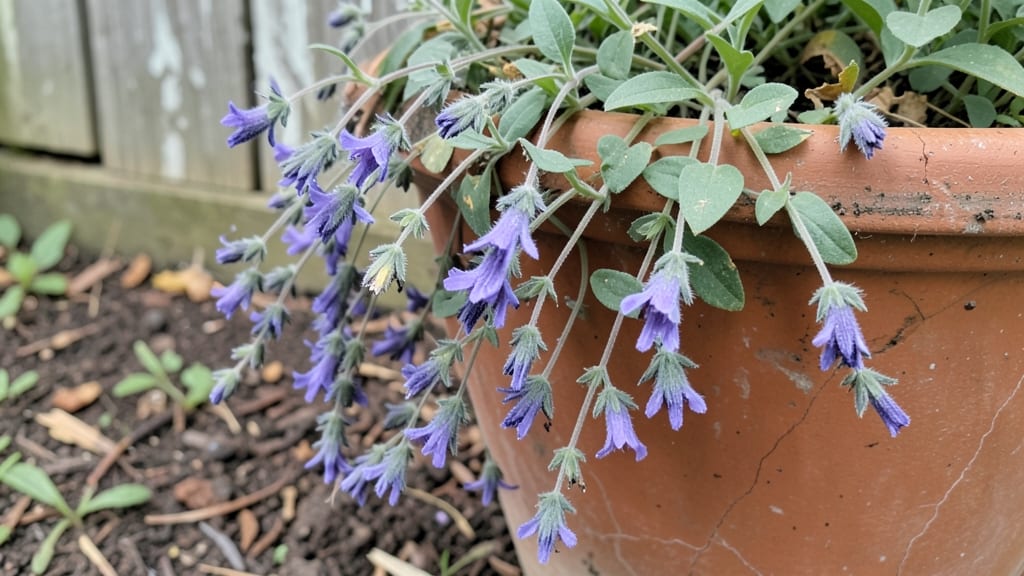
That purple draping flower—fuchsias, lobelias, and petunias—turns every container into a living waterfall of soft, dramatic silk. The secret isn’t just choosing the right plants; it’s how you stage them to create that dreamy, cascading effect.
Start with hanging baskets or deep planters (at least 12 inches tall) to give roots room to spread while stems drape elegantly. Pair deep purples like ‘Trailing Purple’ petunias with silver foliage for contrast, or mix lobelia’s sky-blue blooms for a romantic two-tone look.
The key is layering—place taller plants in the center, trailing varieties at the edges, and fill gaps with fillers like bacopa or sweet potato vine.
By midsummer, your containers will be bursting with texture—some plants like fuchsias thrive in partial shade, while petunias bask in full sun, so adjust placement by season. A single trailing plant can soften a sharp corner, while a cluster of baskets creates a living curtain on a patio.
The best part? These flowers keep blooming until frost, giving you months of effortless drama.
Works for balconies, trellises, or even repurposed vintage buckets. Once you see how a few strategic drapes can elevate any space, you’ll never look at a bare pot the same way again.
📚 In This Guide
- What you need
- Instructions
- Tips and common mistakes
- Wrapping up and next steps
What you need
- ● Purple draping flowers: Choose trailing varieties like Nasturtiums (e.g., 'Empress of India'), Petunias (e.g., 'Wave Purple'), or Fuchsias (e.g., 'Giant Marble'). Quantity: 3–5 plants per container or 1–2 per vertical garden pocket.
- ● Potting mix: Lightweight, well-draining blend (e.g., 60% peat moss, 30% perlite, 10% compost). Quantity: 1–2 gallons per container.
- ● Containers or vertical garden system: Containers: 12–18" diameter pots with drainage holes (hanging baskets work great!).
- ● Vertical gardens: Fabric pockets or modular planters (e.g., GrowGuard or Wall-Outer systems).
- ● Slow-release fertilizer: 10–10–10 or balanced organic granules (e.g., Osmocote). Quantity: 1 tbsp per plant.
- ● Gloves & trowel – For planting and soil handling.
- ● Watering can or hose with gentle spray – Avoid disturbing soil.
- ○ Scissors or pruners – To trim leggy stems (optional but helpful!).
- ○ Mulch (optional): Pine bark or shredded leaves to retain moisture.
- ○ Support stakes or trellis (optional): For vertical gardens to guide growth.
How to grow stunning purple draping flowers in containers
Here's how to create lush, cascading purple blooms that transform any space into a vertical garden showstopper.
Select the Right Purple Draping Varieties
Start with proven cascading purple flowers like petunias, lobelia, or nasturtiums—these thrive in containers and spill beautifully over edges. I always choose varieties labeled "trailing" or "cascading" since they naturally grow 12-24 inches longer than bush types. Check your local nursery for heat-tolerant types if summer temps exceed 85°F—they handle humidity better.
For 4 containers, you'll need 4-6 plants per pot depending on size. I prefer mixing 2-3 purple varieties with white or yellow accents—this creates visual contrast while keeping the color scheme cohesive. Petunias offer bold color, while lobelia adds delicate, airy texture that fills gaps perfectly.
Prepare Containers with Proper Drainage
Use hanging baskets, window boxes, or large pots with drainage holes—waterlogged roots kill trailing plants faster than anything else. I repurpose old macramé hangers for a boho look, but ensure they're at least 10 inches deep to accommodate root growth. Line the bottom with 2 inches of gravel or broken pottery before adding soil.
Fill containers with lightweight potting mix (never garden soil—it compacts and suffocates roots). I blend mine with 20% perlite to improve drainage. Moisten the mix until it's damp but not soggy—you should be able to squeeze a handful without water dripping out. This ensures roots establish quickly without drowning.
Plant for Maximum Cascading Effect
Create a two-tiered arrangement: Place upright fillers (like bacopa or calibrachoa) in the center, then surround them with trailing plants at the edges. This mimics natural growth patterns and prevents bare spots. For 4 containers, use 4-5 trailing plants per pot, spacing them 6 inches apart at the edges.
Dig holes twice as deep as the root ball and tease out any circling roots gently with your fingers. Press soil firmly around the base to eliminate air pockets—this helps plants establish faster. Water thoroughly after planting, letting excess water drain completely. Avoid wetting the foliage to prevent fungal diseases that thrive in humid conditions.
Position for Sunlight and Water Consistently
Most purple cascading flowers need 6-8 hours of direct sunlight daily for vibrant blooms. A south-facing window or patio gets the best results, but east or west exposures work too if you supplement with a grow light during cloudy days. I rotate containers quarter-turn weekly so plants grow evenly—you'll notice stems leaning toward the light if you skip this.
Water when the top inch of soil feels dry—trailing plants wilt quickly when thirsty, but soggy soil causes root rot just as fast. I use a self-watering system (like a drip irrigation kit) for summer months to maintain even moisture without overwatering. Purple petunias, especially, appreciate weekly fertilizer with a balanced 20-20-20 formula during blooming season.
Prune and Maintain for Continuous Blooms
Deadhead spent flowers weekly to encourage new blooms—this is the secret to nonstop cascading color. Pinch back leggy stems by one-third in early summer to promote bushier growth. I also trim any stems that grow longer than 24 inches unless they're creating the desired drape effect. Use clean, sharp scissors to avoid tearing foliage.
In fall, when nighttime temps drop below 50°F, bring containers indoors or protect them with frost cloth. Many trailing petunias and lobelias are tender perennials—if you save them, you'll have jumpstarts for next season. I always take cuttings from my healthiest plants in late summer to propagate new ones for free!
Tips & tricks for perfect purple draping flowers
A few simple strategies will help you create a stunning cascading display that lasts all season long.
Variety Mixing: In Step 1, when selecting your purple draping flowers, consider pairing bold petunias with delicate lobelia for texture contrast. I've found that adding one white or yellow variety—like calibrachoa—creates visual interest while keeping the purple as the star. This three-tone combination prevents the display from looking flat and makes the cascading effect even more dramatic.
Container Depth Matters: The 10-inch depth requirement in Step 2 isn't just about aesthetics—it's crucial for root development. I've seen many gardeners use shallow decorative pots that look beautiful but fail to support healthy growth. For extra insurance, add a layer of coconut coir beneath the gravel to improve moisture retention while still maintaining excellent drainage.
Light Rotation Secret: That quarter-turn weekly rotation in Step 4 prevents plants from growing lopsided toward the light source. I've noticed that when containers receive consistent sunlight from one direction, the trailing stems grow unevenly, creating a messy look. Rotating ensures even growth and helps all sides of your containers develop that lush, cascading effect you're aiming for.
Fertilizer Timing: The weekly 20-20-20 fertilizer recommendation in Step 4 works best when applied right after watering. I've learned that applying fertilizer to dry soil burns the roots, especially for delicate trailing plants. For even better results, alternate between liquid fertilizer and a slow-release granular formula every other week to maintain consistent nutrition without overloading the plants.
Pro Tips for Purple Draping Flower
- A few simple strategies will help you create a stunning cascading display that lasts all season long.
- Variety Mixing: In Step 1, when selecting your purple draping flowers, consider pairing bold petunias with delicate lobelia for texture contrast.
- Container Depth Matters: The 10-inch depth requirement in Step 2 isn't just about aesthetics—it's crucial for root development.
Frequently asked questions
Got questions about growing and styling purple draping flowers? You’re not alone! Here are some of the most common queries—plus quick answers to help you create stunning cascading displays with confidence.
What are the best purple draping flowers for containers?
Top picks include Petunia ‘Supertunia’, Lobelia, Fuchsia, and Nasturtium. These thrive in hanging baskets or vertical planters, offering vibrant color and trailing habits. For full sun, opt for petunias; for shade, fuchsias or lobelia shine.
How long does it take for purple draping flowers to cascade?
Most trailing varieties start draping within 4–6 weeks of planting, but full coverage (12–18 inches) may take 8–10 weeks. Regular pruning and fertilizing can speed up growth—just pinch back leggy stems to encourage bushier, fuller drapes!
Can I grow purple draping flowers in small pots?
Just choose compact trailing varieties like Petunia ‘Wave’ or Nasturtium ‘Jewel’, which thrive in 6–8 inch pots. Ensure drainage holes are present and use a lightweight potting mix. For larger pots (10+ inches), mix in perlite for aeration.
How do I keep purple draping flowers from looking scraggly?
Prune regularly by trimming 1/3 of the longest stems to encourage branching. Deadhead spent blooms weekly to redirect energy to new growth. For a neater look, use bamboo stakes or a lightweight trellis to guide vines downward.
What if my purple draping flowers stop blooming?
Overwatering, poor nutrition, or lack of sunlight are common culprits. Troubleshoot: Ensure soil stays evenly moist (not soggy), fertilize weekly with a balanced liquid feed, and move containers to 6+ hours of sunlight daily. Aphids? Spray with soapy water!
Wrapping up and next steps
Incorporating purple draping flowers into your garden is a game-changer—whether you’re transforming containers, climbing trellises, or adding vertical flair. Their lush cascades and vibrant hues bring effortless elegance, while their low-maintenance nature makes them perfect for gardeners of all levels. 🌸
Ready to elevate your space? Start small with a single planter or go bold with a full vertical garden—your creativity is the only limit! Grab your supplies, follow the tips, and let your purple draping beauties shine.