
Planting
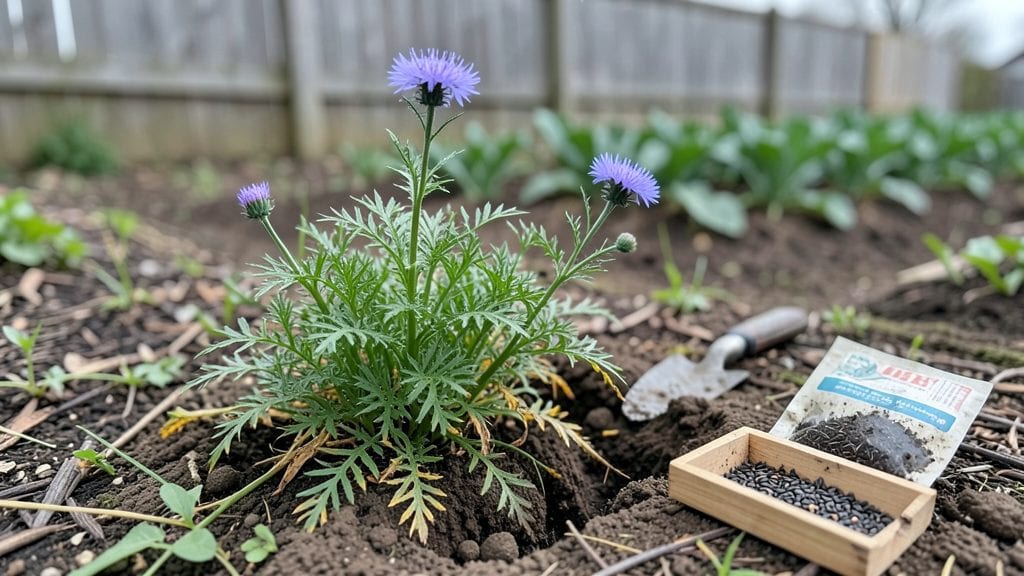
Planting cornflowers gives you those dreamy blue blooms that make every summer border feel like a storybook. 🌻 I’ve learned the hard way that these cheerful annuals thrive when you nail just a few basics—like well-draining soil and full sun—so I’ll walk you through the exact steps that guarantee those classic cornflower spikes from seed to bloom.
The secret starts with timing: sow seeds directly in the garden 2-3 weeks before your last frost or in late summer for fall blooms. Cornflowers love sandy, rocky soil—almost too much for fussy plants—and they’ll self-seed like crazy if you let them.
Just scatter seeds ¼ inch deep, 6–12 inches apart, and watch for sprouts in 7–14 days.
Once they pop up, keep the soil lightly moist but never soggy—these drought-tolerant stars hate wet feet. In just 60–70 days, you’ll have towering stems packed with those iconic blue pom-poms that bees adore.
The best part? They’re tough enough to naturalize and bloom for months, even in poor soil.
Pro tip: Pair them with marigolds to keep pests away and deadhead spent blooms to encourage more flowers. Whether you’re filling gaps in a cottage garden or teaching kids about easy wildflowers, cornflowers deliver zero-fuss beauty that’s hard to beat. Let’s get those seeds in the ground!
📚 In This Guide
- What you need
- Instructions
- Tips and common mistakes
- Wrapping up and next steps
What you need
- ● Cornflower seeds: 1 packet (typically 500–1,000 seeds, depending on the brand). Look for heirloom varieties like 'Blue Boy' or 'Black Ball' for extra charm.
- ● Well-draining potting soil or garden soil: 1–2 bags (10–20 lbs each). Cornflowers thrive in loamy, slightly alkaline soil (pH 6.0–7.5).
- ● Planting container or garden bed: For containers: 5–7" deep pots with drainage holes (1–2 plants per 6" pot).
- ● For garden beds: Full sun spot (6+ hours of sunlight daily) with at least 12–18 inches of spacing between plants.
- ● Watering can or hose with a gentle spray nozzle: For consistent moisture without over-saturating.
- ○ Compost or slow-release fertilizer (optional but helpful): 1 cup per planting area to boost soil nutrients.
- ● Mulch (straw or shredded leaves): To retain moisture and suppress weeds.
- ● Plant markers: Small stakes or labels to track varieties (cornflowers are self-seeding, so this helps with future planning!).
- ● Seed-starting tray (if sowing indoors): For early spring starts, use a tray with individual cells.
- ● Organic liquid fertilizer (e.g., fish emulsion): Diluted to 1:10 ratio for a mid-season nutrient boost.
- ● Garden gloves: To keep your hands clean while handling soil or seeds.
Step-by-Step guide to planting cornflowers for stunning blue blooms
Cornflowers bring effortless charm to sunny gardens with their cheerful blue blooms. Here's how to grow them successfully.
🌱 Step 1: Choose the Perfect Location and Prepare the Soil
Cornflowers thrive in full sun, so pick a spot that receives at least 6-8 hours of direct sunlight daily. They're drought-tolerant once established, so avoid low-lying areas where water pools. I always test the soil first—cornflowers prefer well-draining soil with a pH between 6.0 and 7.5.
Loosen the top 6 inches of soil with a garden fork to improve drainage and root penetration. Mix in a handful of compost to enrich the soil naturally. If your soil is heavy clay, blend in some sand or perlite to lighten it. The goal is loose, crumbly soil that lets roots spread easily without sitting in soggy conditions.
🌱 Step 2: Sow Seeds at the Right Time and Depth
Cornflower seeds germinate best in cool soil temperatures, so plant them outdoors 2-3 weeks before your last frost date in spring or directly in the garden in early fall for winter color. Scatter seeds ¼ inch deep—they're tiny, so I like to mix them with a little sand first to spread them evenly.
Space seeds 12-18 inches apart if you want single stems, or let them self-seed for a naturalized look. Water gently after sowing to settle the seeds into the soil. You'll see sprouts in 10-20 days under ideal conditions. If the soil stays too dry, germination can take longer—keep it consistently moist until seedlings appear.
☀️ Step 3: Thin Seedlings and Provide Minimal Care
Once seedlings reach 2-3 inches tall, thin them to 12-18 inches apart to give each plant room to grow. I use small scissors to snip unwanted seedlings at the base rather than pulling them—this prevents disturbing the roots of nearby plants. Leave the strongest, most vigorous seedlings, and compost the thinnings.
Cornflowers are low-maintenance plants. Water them 1 inch per week once established, but they tolerate drought surprisingly well. Mulch around the base with straw or wood chips to retain moisture and suppress weeds. Avoid fertilizing—cornflowers grow best in lean soil and may produce fewer blooms if overfed.
✂️ Step 4: Enjoy Blooms and Encourage Self-Seeding
Cornflowers typically bloom 60-70 days after sowing, producing cheerful blue, pink, or white flowers that attract pollinators. Deadhead spent blooms to encourage more flowers, but leave some seed heads for self-seeding. The dried flowers also add winter interest to the garden.
Cornflowers are biennials, meaning they often return for a second year if left undisturbed. They're also excellent cut flowers—harvest stems in the early morning for the longest vase life. If you want to control where they reseed, collect the seed heads before they release their seeds naturally.
Tips & tricks for perfect cornflower planting
A few simple tricks will help your cornflowers thrive and bring those stunning blue blooms to your garden every year.
Sunlight Secret: I can't stress enough how important those 6-8 hours of direct sunlight are—cornflowers are sun worshippers! If your garden gets less than 6 hours, consider growing them in containers that you can move to follow the sun throughout the day. I've seen cornflowers in partial shade still bloom, but they'll be much smaller and less vibrant.
Soil Preparation Pro Tip: When loosening that top 6 inches of soil in Step 1, go a little deeper than you think you need to—cornflower roots love to spread, and they'll thank you by growing stronger stems. If you're working with heavy clay soil, mix in sand or perlite right up to the 8-inch mark to ensure proper drainage all the way down. This prevents waterlogging that can rot delicate roots.
Germination Timing: The 10-20 day germination window in Step 2 can feel like forever, but don't give up if you don't see sprouts by day 14. Keep the soil consistently moist (not soggy) and protect seedlings from strong winds. I've had cornflower seeds take up to 25 days to sprout in cooler spring conditions—patience pays off! Once they appear, thin promptly to avoid overcrowding.
Self-Seeding Strategy: If you want cornflowers to return year after year, let some seed heads mature and dry on the stems. The dried flowers also make beautiful winter decorations! For more control, collect seeds when they're fully dry (they'll pop open easily when ripe) and store them in paper envelopes in a cool, dry place. These seeds stay viable for up to 3 years—perfect for gifting to fellow gardeners.
Pro Tips for Plant Cornflowers
- A few simple tricks will help your cornflowers thrive and bring those stunning blue blooms to your garden every year.
- Sunlight Secret: I can't stress enough how important those 6-8 hours of direct sunlight are—cornflowers are sun worshippers!
- Soil Preparation Pro Tip: When loosening that top 6 inches of soil in Step 1, go a little deeper than you think you need to—cornflower roots love to spread, and they'll thank you by growing stronger stems.
Frequently asked questions
Got questions about growing cornflowers? You’re not alone! Here are answers to the most common queries to help you cultivate stunning blue blooms with confidence.
When is the best time to plant cornflower seeds?
Cornflowers thrive when planted in early spring (after the last frost) or late summer (6-8 weeks before your first fall frost). For perennial varieties, sow seeds in spring or fall. Direct sowing is easiest—just scatter seeds on prepared soil and lightly cover with ¼ inch of dirt. Avoid transplanting seedlings, as they dislike root disturbance!
How long does it take for cornflowers to bloom?
With proper care, cornflowers typically bloom 60–70 days after planting. Early spring sowings often produce flowers by mid-summer, while fall-planted seeds may bloom the following year. For continuous color, stagger plantings every 2–3 weeks. Pro tip: Deadhead spent blooms to encourage more flowers!
Are cornflowers deer- or rabbit-resistant?
While not completely deer-proof, cornflowers are less appealing to deer and rabbits compared to other flowers. Their bitter taste and prickly stems deter most pests. For extra protection, use repellent sprays or plant them near fragrant herbs like lavender. If rabbits are a problem, consider raised beds or netting for young seedlings.
Can I grow cornflowers in containers or small spaces?
Cornflowers adapt well to containers, window boxes, or small gardens as long as they get full sun (6+ hours/day) and well-draining soil. Choose compact varieties like ‘Little Goblin’ for pots. Use a 5–7 inch-deep container with drainage holes, and plant 3–4 seeds per pot. They’re perfect for balconies or urban gardens!
What should I do if my cornflower seeds aren’t germinating?
Cornflower seeds need consistent moisture and warmth to sprout. If germination stalls, try these fixes:
- Check soil moisture: Keep soil evenly damp (not soggy) until sprouts appear (7–14 days).
- Verify sunlight: Seeds need light to germinate—don’t bury them too deep.
- Test seed viability: Soak seeds in warm water for 24 hours; viable seeds will swell.
- Adjust timing: Wait until soil temps reach 50°F+ for best results.
Wrapping up and next steps
Planting cornflowers is a rewarding way to bring vibrant blue blooms to your garden with minimal effort! 🌸 By choosing the right location, preparing the soil, and following a few simple steps, you’ll enjoy cheerful flowers that attract pollinators and add charm to any sunny spot.
Now that you’re equipped with the basics, it’s time to roll up your sleeves and get growing—your garden will thank you!
Next step: Mark your calendar for planting season (spring or early fall) and gather your supplies. Once your cornflowers sprout, watch them thrive and spread joy with every sunny day! 🌞