
Succulent
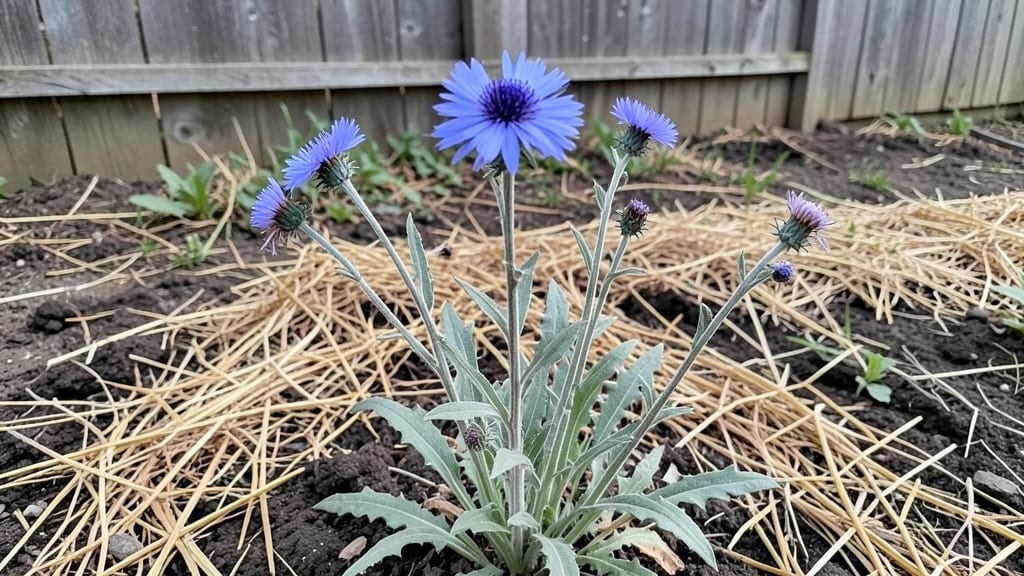
The striking blue cornflowers images I captured in a wildflower meadow made me fall hard for their bold blue hue against lush greens and golden blooms. sapphires against the goldenrod—now I plant them everywhere from cottage gardens to containers.
Their striking hue isn’t just beautiful; it’s magnetic for pollinators too, turning your space into a buzzing, blooming hotspot.
These flowers thrive in full sun and well-drained soil, making them perfect for borders, meadow-style plantings, or even mixed containers with lavender and silver foliage. The key to their drama? Plant them in clusters of three or more—they’ll create a bold, cohesive look that single stems can’t match.
Plus, they self-seed reliably, so once established, they’ll keep coming back year after year with minimal effort.
Imagine cutting them for bouquets that last weeks in a vase, their deep blue contrasting with creamy white roses or rusty orange marigolds. In photography, they’re a dream—sharp, vivid, and impossible to overlook in close-ups or wide shots of your garden.
Their cultural ties to folklore (they symbolize honesty and protection) add a layer of charm too, making them more than just pretty—they’re meaningful.
For best results, pair them with companion plants like yarrow or catmint to extend the season, or tuck them into herb gardens where their color will make basil and thyme pop.
Whether you’re framing a cottage door or filling a window box, these flowers deliver instant impact with almost no fuss. Ready to bring that blue magic to your garden?
📚 In This Guide
- What you need
- Instructions
- Tips and common mistakes
- Wrapping up and next steps
What you need
- ● Blue cornflowers (Centaurea cyanus) – At least 10-15 mature plants for depth and texture in your shots. Opt for deep blue or sky-blue varieties for the most vivid results.
- ○ Camera with manual settings – A DSLR or mirrorless camera with interchangeable lenses for full creative control. Optional: A smartphone with high-resolution capabilities (e.g., iPhone 13+ or Google Pixel 7+).
- ● Wide-angle or macro lens – A 50mm prime lens or a macro lens (60mm-100mm) to capture intricate details and close-ups.
- ● Tripod or monopod – For steady shots, especially in low-light conditions or when using slow shutter speeds.
- ● External flash or reflector – To enhance lighting and reduce shadows on overcast days. A 5-in-1 reflector is a budget-friendly option!
- ● Polarizing filter – Reduces glare and intensifies the blue tones in your images.
- ● Pruners or garden shears – To trim stems for fresh, vibrant blooms.
- ● Water spray bottle – Keeps flowers hydrated and adds a misty effect for dreamy shots.
- ● Backdrop or neutral fabric – A white or light gray cloth to create a clean background for studio-style images.
- ● Editing software – Lightroom, Photoshop, or free apps like Snapseed to fine-tune colors and contrast.
- ● Insect repellent – Because nobody wants bees photobombing their perfect blue cornflower moment! 🐝
How to capture stunning blue cornflower photography in your garden
Blue cornflowers bring bold color to any garden—and their striking blooms make for breathtaking photos. Here’s how to set up your garden for the best shots.
Select the Perfect Location for Vibrant Blooms
Cornflowers thrive in full sun, so choose a spot that gets at least 6-8 hours of direct sunlight daily. I always scout locations with natural backdrops—think rustic fences, stone walls, or lush green foliage—to create depth in photos. Avoid shady areas; blue cornflowers will lose their intensity and produce fewer blooms.
Test your spot by observing how sunlight moves across it throughout the day. The ideal location will have morning sun to dry dew quickly and afternoon light to keep blooms vibrant. If your garden lacks natural sun, supplement with a grow light for 12 hours a day during cloudy periods.
Prepare Soil for Healthy, Colorful Growth
Cornflowers are drought-tolerant but perform best in well-draining soil with a slightly alkaline pH (around 7.0-7.5). Mix 2 gallons of compost into the top 6 inches of soil for each 4-square-foot area you plan to plant. This ensures strong root development and vibrant blue hues.
I like to add a handful of bone meal (about 1 tablespoon per plant) at planting time to boost phosphorus, which enhances bloom production. Avoid heavy clay soil—amend it with 1 part sand to 3 parts garden soil to improve drainage. The goal is loose, airy soil that won’t suffocate roots or cause blooms to fade prematurely.
Plant and Space for Optimal Visual Impact
Sow seeds ¼ inch deep, spacing them 12-18 inches apart in rows 18 inches apart for a full, textured look. Cornflowers self-seed easily, so thin seedlings to the strongest stems once they reach 2 inches tall. This spacing prevents overcrowding, which can lead to leggy stems and weaker blooms.
For photography, I plant in odd-numbered clusters (like 3, 5, or 7 plants) to create natural focal points. Grouping them near taller plants like sunflowers or delphiniums adds vertical interest, while planting shorter lavender or thyme at the base frames the blooms beautifully. Water deeply after planting to settle the soil and encourage root growth.
Maintain for Consistent Blue Blooms
Water cornflowers once a week during dry spells, aiming for 1 inch of water per week. Overwatering causes blooms to dull, so let the soil dry out slightly between waterings. I check moisture by sticking my finger 1 inch deep—if it feels dry, it’s time to water.
Deadhead spent blooms regularly to encourage more flowers and extend the season. Use clean, sharp scissors to snip stems just above the first set of leaves. Fertilize lightly every 4-6 weeks with a balanced, water-soluble fertilizer (like 10-10-10) diluted to half strength. Too much fertilizer can lead to lush foliage but fewer blooms.
Time Your Shots for Peak Color and Light
The best light for blue cornflower photography is soft morning or late afternoon sunlight, when shadows are long and colors appear richer. Avoid midday sun, which can cause harsh shadows and wash out the blue tones. I like to shoot on overcast days—the diffused light enhances the vibrancy of the blooms without creating stark contrasts.
Cornflowers bloom from late spring to early fall, but their peak is typically June through August. Plan your photo sessions around this window for the most consistent color. For close-ups, focus on individual blooms with a macro lens or even your smartphone’s portrait mode to capture fine details like the contrasting yellow centers.
Tips & tricks for perfect blue cornflower photography
These simple tricks will help you capture the most vibrant blue hues and create professional-quality garden photos with your cornflowers.
Lighting is Everything: The 6-8 hours of full sun mentioned in Step 1 is crucial, but timing matters just as much. I always schedule my photography sessions for the golden hours—right after sunrise or before sunset. During these times, the light is softer and more flattering, which makes the blue hues pop dramatically. If you're shooting on overcast days, as suggested, use a reflector to bounce natural light onto the blooms and eliminate harsh shadows that can wash out the color.
Composition Secrets: In Step 3, we talked about planting in odd-numbered clusters for visual impact, but this principle applies directly to your photography too. When framing your shots, look for natural leading lines like garden paths or fences to draw the viewer's eye toward the cornflowers. I also recommend including a few contrasting textures—like the rough bark of a tree or the delicate petals of lavender—to create depth and make your blue cornflowers stand out even more.
Equipment Upgrade: While you can certainly use your smartphone's portrait mode for close-ups, investing in a polarizing filter can make a world of difference. This filter enhances color saturation and reduces glare, making those blue hues appear even more vivid. If you don't have a polarizing filter, try shooting at a slight angle to the sun to minimize reflections on the petals that can dull the color.
Post-Processing Tip: After capturing your shots, use a photo editing app to boost the blue tones slightly. I like to increase the saturation by about 10-15% and adjust the white balance to cool tones. This helps compensate for any color loss that might occur during the shoot, especially if you're photographing in mixed lighting conditions. Just be careful not to overdo it—the goal is to enhance, not alter, the natural beauty of the cornflowers.
Pro Tips for Blue Cornflowers Images
- These simple tricks will help you capture the most vibrant blue hues and create professional-quality garden photos with your cornflowers.
- Lighting is Everything: The 6-8 hours of full sun mentioned in Step 1 is crucial, but timing matters just as much.
- Composition Secrets: In Step 3, we talked about planting in odd-numbered clusters for visual impact, but this principle applies directly to your photography too.
Frequently asked questions
about blue cornflowers images—because every stunning shot deserves a little extra guidance!What’s the best time of day to photograph blue cornflowers for vibrant blue hues?
The golden hours—just after sunrise or before sunset—are ideal! Soft, diffused light enhances their natural blue tones without harsh shadows. Overcast days also work well, as they create even lighting. Avoid midday sun, which can wash out colors or create unflattering glare.
How can I edit blue cornflowers images to make the blue more intense?
Use photo editing tools like Lightroom or free apps like Snapseed. Boost saturation in the blue channel (HSL adjustments), increase vibrance slightly, and reduce yellow/orange tones for purity. Pro tip: Shoot in RAW format for better color flexibility!
Can I use blue cornflowers in containers for photography instead of a garden bed?
Plant them in shallow, well-draining pots (6+ inches deep) with a mix of potting soil and sand. Ensure they get 4–6 hours of sunlight daily. Containers let you arrange them creatively for flat lays or macro shots—just keep soil moist but not soggy!
Why do my blue cornflower images look dull or brownish?
Dull colors often stem from poor lighting, low saturation, or overexposure. Check your white balance (shoot in daylight or shade mode). If flowers appear brownish, they might be stressed—ensure they’re watered and not in extreme heat. Try a polarizing filter to deepen blues!
Are there alternatives to blue cornflowers for similar vibrant blue blooms?
Yes! Try Borage (star-shaped flowers), Cornflower (Centaurea cyanus), or Blue Salvia. For succulents, Blue Chalksticks (Senecio serpens) offer a silvery-blue contrast. Each has unique textures—experiment to find your favorite!
Wrapping up and next steps
Blue cornflowers are nature’s vibrant masterpiece, offering photographers a dreamy palette of blue hues to elevate their garden shots. Whether you’re capturing close-ups, wide landscapes, or macro details, these blooms bring a timeless charm that’s hard to resist. 🌸
Now that you’re inspired, grab your camera and head outdoors! Experiment with lighting, angles, and compositions to create show-stopping images. Share your favorites with the photography community—your unique perspective could inspire others to see blue cornflowers in a whole new way.